
Navigating the legal landscape of Texas can be a daunting task, especially when dealing with the possibility of outstanding warrants. For many, the concept of a warrant can evoke feelings of anxiety and uncertainty. Whether you’re a long-time resident or a visitor planning your next adventure, understanding how to check for warrants in Texas is crucial for peace of mind and to avoid potential legal complications. This guide aims to demystify the process, offering practical steps and accessible information, all within the broader context of exploring and enjoying all that Texas has to offer, from its vibrant cities to its stunning natural landscapes.
The idea of discovering a warrant can disrupt travel plans, affect accommodation bookings, and even impact your overall lifestyle choices when visiting or residing in the Lone Star State. Imagine planning a luxurious stay at a resort near the Texas Hill Country or booking a family-friendly apartment in Austin, only to have your plans derailed by an unexpected legal issue. This guide will empower you with the knowledge to proactively address such concerns, ensuring your Texas experiences remain positive and stress-free.
Understanding Warrants in the Lone Star State
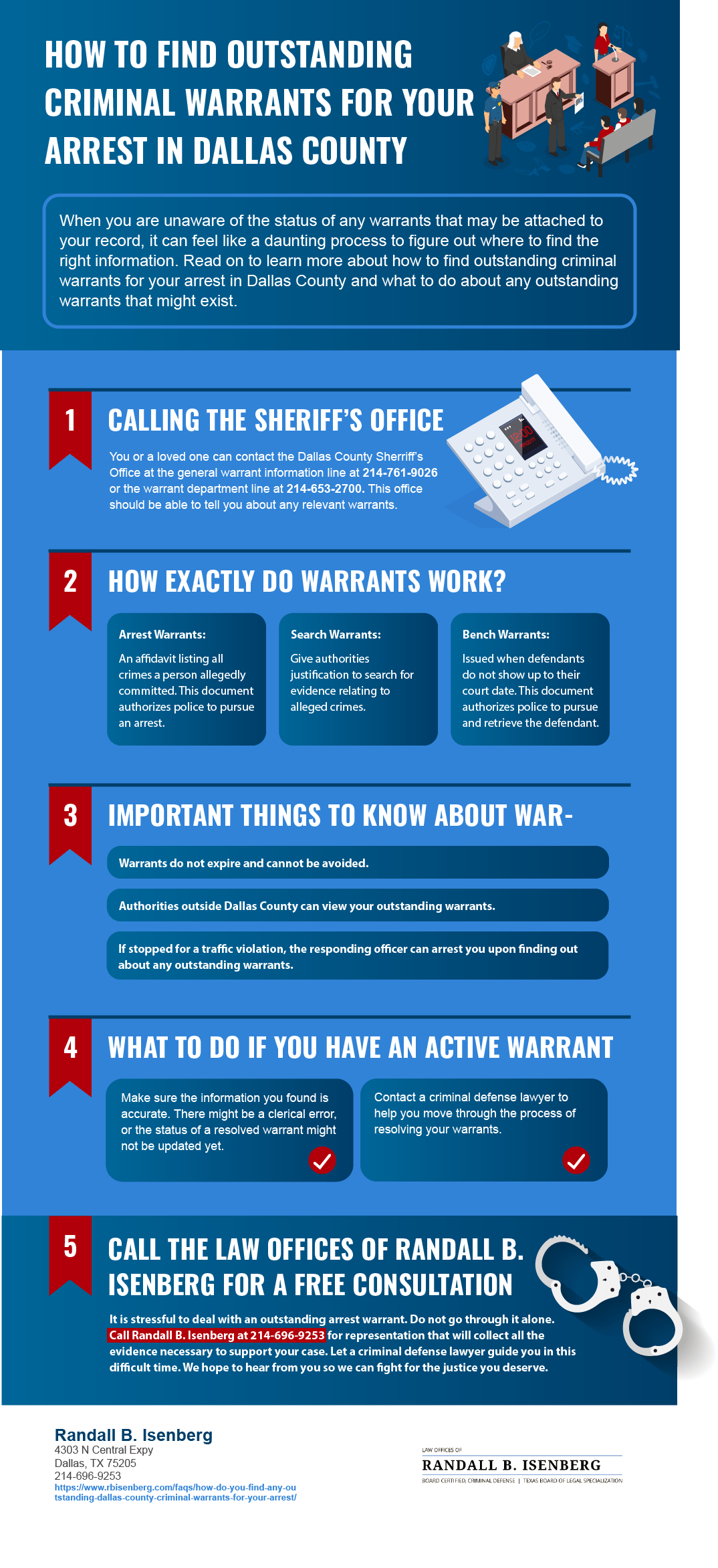
At its core, a warrant is a legal document issued by a judge or magistrate that authorizes law enforcement officials to take specific actions, such as arresting an individual or searching a property. In Texas, warrants are typically issued when there is probable cause to believe that a crime has been committed and that the person named in the warrant is connected to it, or when an individual has failed to appear in court or comply with a court order.
There are several common scenarios that can lead to a warrant being issued:
- Failure to Appear in Court: If you have been issued a citation for a traffic violation or any other misdemeanor, and you fail to appear in court on your scheduled date, a bench warrant can be issued for your arrest. This is a very common reason for outstanding warrants.
- Outstanding Fines or Fees: In some cases, if you have unpaid fines or court fees from previous legal matters and have not made arrangements to pay them, a judge may issue a warrant.
- New Criminal Charges: If new criminal charges are filed against you, and you are not taken into custody immediately, a judge may issue an arrest warrant.
- Probation Violations: Individuals who are on probation for a previous offense may have a warrant issued if they violate the terms of their probation, such as missing scheduled meetings with their probation officer, failing a drug test, or committing another crime.
It’s important to understand that warrants do not expire on their own. They remain active until they are “cleared” by the individual named in the warrant. This could involve turning yourself in, posting bail, or resolving the underlying legal issue with the court.
Why Checking for Warrants is Essential for Travelers and Residents
For those planning to travel within Texas, or even just considering a stay in a unique accommodation like a secluded villa or a bustling city apartment, the presence of an outstanding warrant can have significant implications. Law enforcement officers can access warrant databases during routine traffic stops or at checkpoints. Discovering an active warrant during such an encounter can lead to immediate arrest, disrupting your travel plans, potentially leading to missed flights, canceled hotel reservations, and considerable embarrassment.
Even for residents, living with an unknown warrant can create underlying stress. It’s always better to know your legal standing and address any issues proactively. This knowledge allows you to plan your life and your travels with confidence, whether you’re exploring the historic Alamo in San Antonio, enjoying the vibrant music scene in Austin, or seeking a peaceful retreat in a Texas resort.
How to Discreetly Check for Warrants in Texas
The good news is that Texas provides several avenues for individuals to check for outstanding warrants without necessarily drawing undue attention. While it’s always best to consult with a legal professional for definitive advice, these methods can offer clarity.
Online Warrant Searches
Many Texas counties and cities offer online portals where you can search for active warrants. These databases are often maintained by the county sheriff’s office or the local police department.
County Sheriff’s Office Websites
Most county sheriff’s offices in Texas have a dedicated section on their website for warrant searches. You will typically need to enter the full name of the individual you are searching for, and sometimes their date of birth, to get results. Some of the larger counties that you might consider when planning your travels include:
- Harris County (home to Houston)
- Dallas County (home to Dallas)
- Tarrant County (home to Fort Worth)
- Bexar County (home to San Antonio)
- Travis County (home to Austin)
When using these online portals, remember that the information may not always be completely up-to-date, as new warrants are issued daily. It’s advisable to cross-reference information if possible or to consider a more direct inquiry.
Municipal Court Websites
For minor offenses, such as traffic tickets, the warrant might be issued by a municipal court. Many cities also have online portals for their municipal courts, where you can check for outstanding citations and warrants. This is particularly useful if you believe a warrant might be related to a traffic violation that occurred in a specific city.
Third-Party Background Check Services

While not official government resources, there are numerous third-party websites that aggregate public records, including warrant information. Be cautious when using these services, as their accuracy can vary, and they may charge a fee. Always cross-reference any information obtained from third-party sites with official sources.
In-Person Inquiries
If you are uncomfortable with online searches or want to ensure the most up-to-date information, you can make an inquiry in person.
Contacting the Local Sheriff’s Office or Police Department
You can visit the sheriff’s office or police department in the county or city where you believe a warrant might exist. It is generally advisable to do this discreetly and to avoid going during peak hours. You can typically inquire at the front desk, and they can check their system for you. Be prepared to provide your full name and date of birth. If you are concerned about potential arrest, it is strongly recommended to consult with an attorney before making an in-person visit to a law enforcement agency.
Visiting the County Clerk or Court Clerk’s Office
The county clerk’s office or the district clerk’s office maintains court records. You can visit these offices and request a public records search for any outstanding warrants under your name. This method is usually more discreet than approaching law enforcement directly. They can guide you through the process of accessing public court dockets.
Consulting with an Attorney
The most reliable and often the safest way to determine if you have an outstanding warrant in Texas is to consult with a criminal defense attorney. An attorney can conduct a thorough check of all relevant databases, including confidential ones that may not be publicly accessible.
Benefits of Legal Counsel
- Confidentiality: Discussions with your attorney are protected by attorney-client privilege, ensuring your inquiry remains private.
- Expertise: Attorneys understand the intricacies of the legal system and can interpret findings accurately.
- Resolution Strategies: If a warrant is found, your attorney can advise you on the best course of action to resolve the issue, which may include arranging for you to surrender to authorities in a controlled manner, posting bail, or negotiating with the prosecutor. This is especially important if you are planning a trip and want to clear up any legal matters beforehand to enjoy your stay at a place like the JW Marriott San Antonio Hill Country Resort & Spa or explore the unique shops and restaurants in Galveston.
- Avoiding Arrest: An attorney can often arrange for a bond to be posted or for you to appear in court voluntarily, minimizing the chance of an unexpected arrest.
Next Steps if You Discover an Outstanding Warrant
If your search reveals an active warrant for your arrest, it is crucial to act promptly and responsibly. Ignoring a warrant will not make it disappear and will likely complicate matters further.
Addressing the Warrant
Contacting the Issuing Court
Your attorney can help you contact the court that issued the warrant. They can inquire about the nature of the warrant, the charges associated with it, and the amount of bail, if any.
Surrendering Voluntarily
In many cases, the best approach is to surrender yourself to the authorities. An attorney can often arrange this in a way that is as smooth as possible, potentially allowing you to be released on bail shortly after. This allows you to deal with the issue and move forward, ensuring that your future travel plans to places like Big Bend National Park or a stay at a charming bed and breakfast in Fredericksburg are not jeopardized.
Resolving the Underlying Issue
Depending on the reason for the warrant, you will need to address the underlying legal issue. This might involve paying outstanding fines, appearing in court to face the charges, or fulfilling other court-ordered obligations.

How Warrants Can Impact Travel and Lifestyle Choices in Texas
Living with an active warrant can significantly affect your ability to travel freely within Texas and beyond. As mentioned earlier, a traffic stop can quickly escalate if an officer discovers an outstanding warrant. This could mean being detained, arrested, and missing out on planned excursions, whether it’s a guided tour of the San Jacinto Monument, a concert in downtown Austin, or a relaxing weekend at a beachfront hotel in Galveston.
Furthermore, having an outstanding warrant can complicate certain aspects of daily life, such as applying for certain jobs or obtaining certain licenses. While Texas offers a wealth of experiences, from exploring the urban sophistication of Dallas to the natural beauty of the Texas State Parks, it’s essential to ensure your legal standing is clear to fully enjoy these opportunities. Proactively checking for and resolving warrants allows you to embrace the rich culture, diverse landscapes, and vibrant cities of Texas without the underlying worry of legal entanglements. Whether you are planning a grand adventure or a short getaway, knowing your status is the first step to a truly carefree Texas experience.
LifeOutOfTheBox is a participant in the Amazon Services LLC Associates Program, an affiliate advertising program designed to provide a means for sites to earn advertising fees by advertising and linking to Amazon.com. Amazon, the Amazon logo, AmazonSupply, and the AmazonSupply logo are trademarks of Amazon.com, Inc. or its affiliates. As an Amazon Associate we earn affiliate commissions from qualifying purchases.