
Navigating the process of registering your vehicle in Texas might seem daunting, but with a clear understanding of the steps involved, it becomes a straightforward task. Whether you’re a new resident drawn to the vibrant culture of Texas, planning an epic road trip across its vast landscapes, or simply need to update your vehicle’s registration, this guide will equip you with all the essential information. Our focus on travel, tourism, and lifestyle aspects of the Lone Star State will weave through this practical guide, ensuring you’re not just legally compliant but also ready to explore all that Texas has to offer. From the bustling energy of Houston to the historic charm of San Antonio, your vehicle is your key to unlocking these experiences.
Understanding the Texas Vehicle Registration Process
The Texas Department of Motor Vehicles (TxDMV) oversees vehicle registration, a crucial step for all owners of cars, trucks, motorcycles, and trailers operating within the state. This process ensures your vehicle is legally permitted to be on the road and contributes to the state’s infrastructure and public safety initiatives. Understanding the requirements, deadlines, and necessary documentation will make your experience as smooth as possible. Think of your vehicle registration as the essential first step to enjoying all the travel and tourism opportunities Texas presents, from visiting iconic landmarks like the Alamo to finding the perfect accommodation for your adventures.
Initial Requirements and Documentation
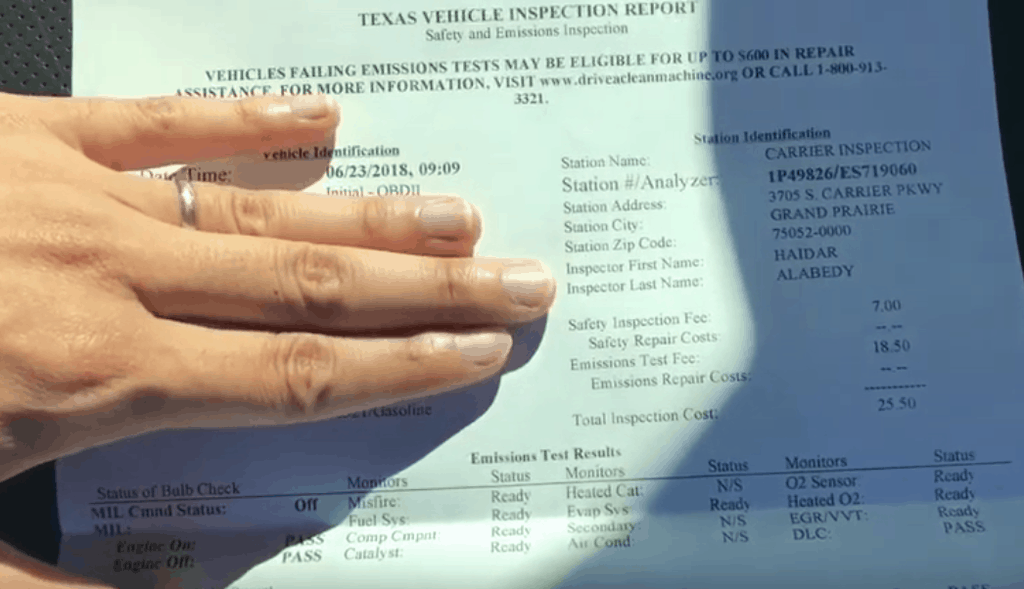
Before you even step into a county tax assessor-collector’s office, it’s vital to gather the necessary documents. The primary requirement is proof of Texas Vehicle Inspection. Your vehicle must pass a state inspection, which includes safety and emissions testing, at an authorized inspection station. This inspection must be current, meaning it has been completed within the last 90 days of your registration application. You’ll receive an official inspection report, often referred to as the “two-step inspection” sticker, which is a crucial piece of evidence.
In addition to the inspection, you’ll need Proof of Ownership. This typically means a valid Texas title or a Manufacturer’s Statement of Origin (MSO) for a new vehicle. If you’ve purchased a used vehicle, ensure the title is properly assigned to you. For financed vehicles, the lienholder information will be on the title.
Proof of Texas Auto Insurance is also mandatory. Texas law requires a minimum liability coverage of $30,000 for injury/death to one person, $60,000 for injury/death to more than one person, and $25,000 for property damage per accident. Your insurance policy must be from a company licensed to do business in Texas.
Finally, you’ll need Proof of Identity and Residency. A valid driver’s license, a state-issued ID card, or other government-issued identification will suffice for identity. For residency, utility bills, lease agreements, or other official mail addressed to you at your Texas address are generally accepted.
The Registration Process: Step-by-Step
Once you have all your documentation in order, the next step is to visit your local county tax assessor-collector’s office. These offices are designated by the TxDMV to handle vehicle registration. You can typically find the nearest office by visiting the TxDMV website or by searching online for “[county name] tax assessor-collector [city name]”.
Submitting Your Application
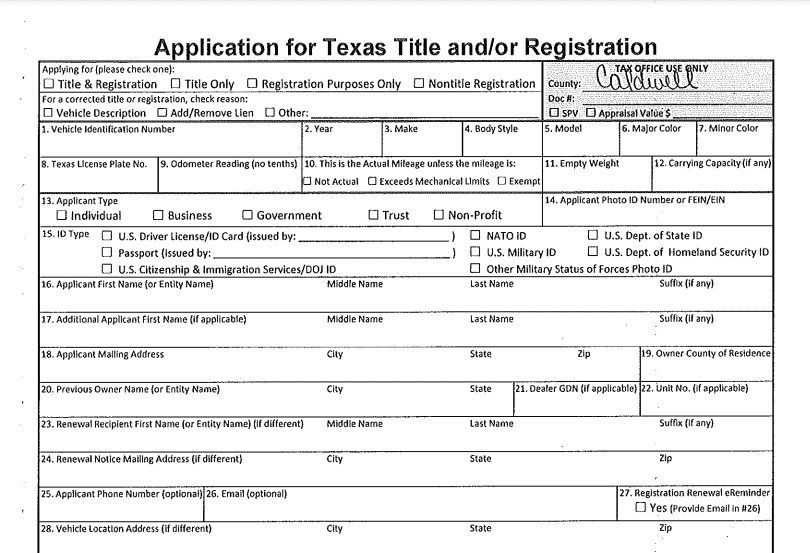
At the office, you will fill out an Application for Texas Title and/or Registration (Form 130-U). This form requires detailed information about you, the vehicle, and any lienholders. Be prepared to provide:
- Your full name and address
- Vehicle identification number (VIN)
- Make, model, and year of the vehicle
- Odometer reading at the time of application
- Lienholder information (if applicable)
The clerk will review your submitted documents to ensure everything is complete and accurate. This is where the inspection report, proof of ownership, proof of insurance, and proof of residency are all checked.
Paying the Fees
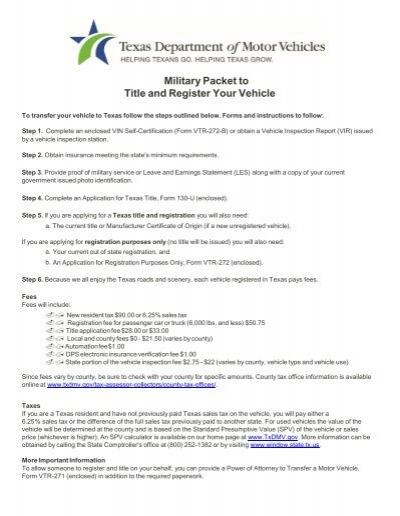
Vehicle registration fees vary based on the vehicle type, weight, and age. There are also additional fees, such as the state registration fee, county and municipal fees, and the motor vehicle inspection fee. The total cost will be calculated by the clerk at the office. It’s advisable to have the exact amount or a method of payment ready, as they may not always accept all forms of payment.
Receiving Your Registration and Plates
Upon successful completion of the application and payment of fees, you will receive your Texas vehicle registration receipt and new license plates (if you are getting new plates or renewing existing ones). Your new registration sticker will also be provided, which must be affixed to your rear license plate. If you are transferring plates or keeping your existing ones, ensure they are in good condition and properly displayed. Your new license plates and sticker are your official authorization to drive your vehicle on Texas roads.
Special Circumstances and Considerations
While the standard registration process is generally consistent, certain situations might require additional steps or considerations. Understanding these can save you time and avoid potential complications. These situations often arise when you’re moving to Texas, purchasing a vehicle from a private seller, or have a specialized vehicle.
New Residents and Out-of-State Vehicles
If you’ve recently moved to Texas and brought your vehicle with you, you have 30 days from the date you establish residency to register your vehicle in the state. This means obtaining a Texas title and registration. You will need to surrender your out-of-state title and registration to the county tax assessor-collector’s office. The process is similar to registering a new vehicle, with the added step of surrendering your previous state’s documentation. You will also need to get your vehicle inspected at a Texas inspection station and obtain proof of Texas auto insurance. This is a critical step to ensure you can legally explore the diverse attractions of Texas, from the historical sites in Austin to the natural beauty of the Big Bend National Park.
Transferring Ownership and Renewals
When you buy a used vehicle from a private seller, the seller must provide you with a properly assigned title. You then have 30 days to transfer the title and register the vehicle in your name. You will need the signed title, proof of inspection, proof of insurance, and your identification. The tax assessor-collector’s office will handle the title transfer and issue new registration and license plates.
Vehicle registration in Texas is typically valid for two years. You will receive a renewal notice by mail approximately 60 days before your registration expires. Renewals can often be completed online, by mail, or in person at the county tax assessor-collector’s office. Keep in mind that you will still need a current vehicle inspection and proof of insurance to renew your registration. Timely renewal is essential to avoid late fees and penalties, ensuring your ability to enjoy spontaneous road trips to places like Galveston Island or the artistic enclaves of Marfa.
Specialty Vehicles and Other Registrations
Texas offers various registration options for different types of vehicles and purposes. This includes registrations for recreational vehicles (RVs), trailers, and specialty plates. For example, if you plan on extensive travel in your RV across Texas, ensuring its registration is up-to-date is paramount. Similarly, trailers used for personal or commercial purposes also require registration. The TxDMV website provides detailed information on requirements for these specialized categories. If you’re interested in custom license plates, Texas offers a wide selection of specialty plates that can reflect your interests, whether it’s supporting a favorite university like the University of Texas or a specific cause.
Maximizing Your Texas Travel with a Registered Vehicle
Having your vehicle properly registered in Texas not only ensures legal compliance but also unlocks the full potential of exploring the diverse attractions and experiences the state has to offer. Your registered vehicle becomes your passport to discovering charming small towns, experiencing world-class cuisine in cities like Dallas, and immersing yourself in the rich history that permeates every corner of the Lone Star State.
Planning Your Road Trips and Adventures
With your vehicle legally registered, you’re free to embark on memorable road trips. Consider the scenic drives through the Hill Country, the vibrant music scene in Austin, or the historical significance of Houston. The freedom of having your own transportation allows for spontaneous detours to discover hidden gems, explore local culture, and sample the diverse culinary landscape, from authentic Tex-Mex to upscale dining experiences. Your registered vehicle is your gateway to everything from a relaxing stay at a resort in the Texas Hill Country to an adventurous exploration of the state’s natural wonders.
Maintaining Compliance and Avoiding Penalties
It’s crucial to stay on top of your registration renewal deadlines to avoid late fees and potential penalties. A lapse in registration can lead to fines and even the impoundment of your vehicle. Regularly check your registration status and renewal date to ensure continued legal operation of your vehicle. This proactive approach allows you to focus on enjoying your travels and the lifestyle Texas offers, rather than worrying about administrative issues. Keeping your vehicle registered and inspected is a fundamental aspect of responsible ownership and enables you to fully embrace the spirit of adventure and exploration that defines the Texas experience. Whether you’re planning a short excursion to a nearby attraction or a long-distance journey across the state, a current registration ensures your travels are both legal and stress-free.
LifeOutOfTheBox is a participant in the Amazon Services LLC Associates Program, an affiliate advertising program designed to provide a means for sites to earn advertising fees by advertising and linking to Amazon.com. Amazon, the Amazon logo, AmazonSupply, and the AmazonSupply logo are trademarks of Amazon.com, Inc. or its affiliates. As an Amazon Associate we earn affiliate commissions from qualifying purchases.