
Navigating the administrative tasks of daily life can sometimes feel like a journey in itself, particularly when it comes to renewing essential documents like your driver’s license. For residents of the great state of Texas, the process of renewing your license is designed to be as straightforward as possible, ensuring you can continue to explore its vast landscapes, vibrant cities, and unique cultural attractions without interruption. Whether you’re planning a road trip across Texas to visit the Alamo in San Antonio, catch a live music show in Austin, or simply need to commute to your favorite boutique hotel in Dallas, having a valid license is paramount. This guide aims to demystify the renewal process, offering clear steps and helpful tips to make your experience smooth and efficient, allowing you to get back to enjoying all that Texas has to offer.
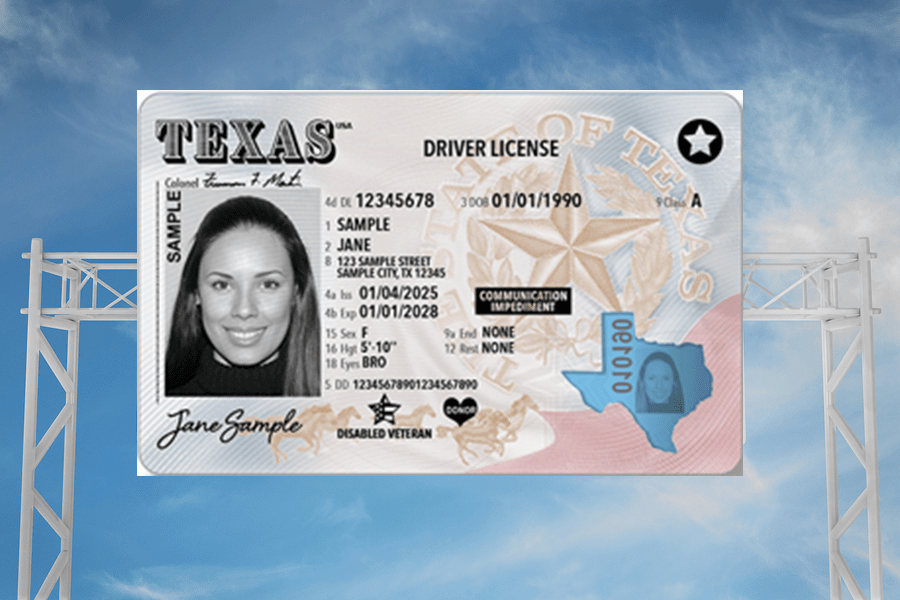
The Texas Department of Public Safety (DPS) oversees driver’s license services, and while the core requirements remain consistent, there are various methods available to suit different preferences and circumstances. The overarching goal is to ensure that every driver is road-safe and legally compliant. Understanding the nuances of each renewal option can save you time and potential frustration, enabling you to focus on your next adventure, perhaps exploring the stunning beaches of Galveston, or enjoying a luxurious stay at a resort in the Texas Hill Country.
Understanding Your Renewal Options
The Texas DPS offers several convenient ways to renew your driver’s license, catering to a wide range of needs. The most common and often the quickest method is online renewal. However, if you prefer a more traditional approach or if online renewal isn’t an option for you, other methods are available. Each pathway is designed to be accessible, ensuring that all Texans can maintain their driving privileges without undue burden.
Online Renewal: The Swift and Simple Path
For many Texans, the most efficient way to renew their driver’s license is through the official Texas DPS website. This digital approach eliminates the need for a physical visit to a Texas Driver License office, saving you valuable time that could otherwise be spent exploring the rich history of Fort Worth or enjoying the culinary scene in Houston. To be eligible for online renewal, you typically must meet specific criteria, which often include having an unexpired or recently expired license, not having made certain changes to your license information (like a name change), and being under a certain age.
To begin the online renewal process, you will need to visit the Texas DPS website. There, you’ll be prompted to enter information from your current or most recently expired driver’s license, such as your license number, date of birth, and social security number. You will also need to provide answers to a few standardized questions to verify your identity. The system will guide you through a series of steps, including confirming your address and answering questions about your physical and mental health to ensure you are still medically fit to drive. A crucial part of the online renewal is the payment of the renewal fee. The Texas DPS accepts various payment methods, including credit cards and debit cards. Once your payment is successfully processed and all requirements are met, your renewed license will be mailed to the address you provided. It is important to ensure your mailing address is up-to-date with the Texas DPS to receive your new license without delay. This method is ideal for those who are comfortable with online transactions and have a valid credit or debit card.
Renewal by Mail: A Traditional Approach
While online renewal is highly encouraged, Texas also offers the option to renew your driver’s license by mail. This method is a good alternative for individuals who may not have regular internet access, are uncomfortable with online procedures, or who have specific circumstances that preclude online renewal. The mail-in renewal process requires a bit more planning as it involves sending physical documents.
To renew by mail, you will typically receive a renewal notice from the Texas DPS approximately 60 days before your license expires. This notice will contain detailed instructions and the necessary forms. If you do not receive a notice, you can request a renewal application packet by contacting the Texas DPS directly. The packet will include a renewal application form, a medical history questionnaire, and a list of required documents. You will need to complete these forms accurately and legibly. Payment for the renewal fee can usually be made by check or money order, payable to the Texas Department of Public Safety. It’s essential to include the correct amount and ensure that your payment is made out to the specified payee. You will then mail the completed application, payment, and any other required documentation to the address provided on the renewal form. Processing times for mail-in renewals can be longer than for online renewals, so it is advisable to start this process well in advance of your expiration date. This ensures that you receive your renewed license before your current one expires, allowing you to continue your travels across Texas, perhaps to visit the charming towns of the Texas Hill Country or explore the natural beauty of Big Bend National Park.
In-Person Renewal: For Specific Circumstances
In certain situations, an in-person visit to a Texas Driver License office is necessary for renewal. This typically applies to individuals who are renewing a Commercial Driver License (CDL), those who need to take a driving test, individuals who have had a significant change in their physical appearance, or if you are renewing an ID card. It’s also an option if you are unable to complete the renewal online or by mail.
When you visit a Texas Driver License office, be prepared to bring several documents with you. These generally include your current driver’s license, proof of identity (such as a U.S. passport or birth certificate), proof of Texas residency (like a utility bill or lease agreement), and your Social Security card. If you are renewing a CDL, additional documentation related to your medical certification will be required. You will complete a renewal application form at the office and have your photograph taken. The renewal fee can be paid at the office using cash, check, money order, or a credit/debit card. The advantage of renewing in person is that you can often receive a temporary paper license on the spot, and your new plastic card will be mailed to you shortly thereafter. It is highly recommended to check the Texas DPS website or call ahead to schedule an appointment, as wait times at Driver License offices can vary significantly, especially in popular locations like Austin or Dallas. Planning your visit can help streamline the process, allowing you to get back to your explorations, perhaps a leisurely drive along the Texas coast or a visit to a historical landmark like the San Jacinto Monument.

Requirements and Documentation for Renewal
Regardless of the renewal method you choose, certain requirements and documentation are consistently needed to ensure a smooth and compliant process. These elements are in place to verify your identity, confirm your eligibility to drive, and ensure you meet all legal obligations. Understanding these prerequisites beforehand can prevent any last-minute hurdles.
Verifying Your Identity and Residency
A cornerstone of any government document renewal is the verification of your identity and your status as a resident of Texas. The Texas DPS requires specific documents to confirm these details. For identity verification, acceptable documents typically include your original or certified copy of a birth certificate, a U.S. passport, or a certificate of naturalization. If your name has changed since your last license was issued (e.g., due to marriage), you will need to provide legal documentation of this change, such as a marriage certificate or a court order.
Proof of Texas residency is also critical. This can be established through various documents, such as a utility bill (electricity, water, gas) dated within the last 60 days, a mortgage statement or lease agreement, or a bank statement. The key is that the document must show your name and current Texas address. These measures are in place to ensure that you are a legitimate resident of Texas and are entitled to a Texas driver’s license. Having these documents ready will significantly speed up your renewal process, whether you are renewing online, by mail, or in person. This allows you to focus on planning your next adventure, perhaps a visit to the unique cultural experiences in El Paso or a relaxing stay at a spa resort in the Texas Hill Country.
Vision and Medical Requirements
Maintaining good vision and overall health is crucial for safe driving. Therefore, Texas requires all drivers to meet certain vision standards. When you renew your license, whether online, by mail, or in person, you will be asked to self-certify that you meet these vision requirements. For online and mail renewals, this is typically done by answering questions on the application. If you wear corrective lenses, you will need to state that on your application, and this will be noted on your renewed license.
If you are renewing in person, your vision may be tested at the Texas Driver License office. If you do not meet the vision standards with corrective lenses, you may be required to see an eye doctor and provide a vision report to the DPS. In addition to vision, Texas also has medical requirements. You will be asked questions about any medical conditions that might affect your ability to drive safely. This includes conditions such as epilepsy, diabetes, heart conditions, or any physical or mental conditions that could impair your driving. If you have a condition that may affect your driving ability, you may need to provide a medical report from your physician. The Texas DPS reserves the right to require a medical examination or review your driving privileges if there are concerns about your health and ability to operate a vehicle safely. This ensures that all drivers on Texas roads are fit to drive, contributing to the safety of everyone, whether they are commuting through the bustling streets of Dallas or enjoying a scenic drive through the Texas countryside.
Completing the Renewal Process and Receiving Your License
Once you have navigated the requirements and chosen your preferred renewal method, the final steps involve completing the process and receiving your renewed driver’s license. Understanding what to expect during this final stage will ensure you are well-prepared and can anticipate the arrival of your new license, allowing you to continue your travels and explorations across the vast and diverse state of Texas.
Payment and Fees
The renewal of your Texas driver’s license involves a fee, which varies depending on the type of license and endorsement you hold. For a standard Class C driver’s license, the fee is typically around $33. The Texas DPS website provides a comprehensive list of current fees for all license types. As mentioned earlier, payment methods depend on your chosen renewal method. For online renewals, credit and debit cards are accepted. For mail-in renewals, checks or money orders payable to the Texas Department of Public Safety are the standard. In-person renewals at a Texas Driver License office usually accept cash, checks, money orders, and credit/debit cards. It is crucial to ensure that you pay the correct amount to avoid delays in processing your renewal. Missing or incorrect payment can result in your application being returned or rejected, delaying the issuance of your new license. This could impact your ability to enjoy spontaneous trips, such as a weekend getaway to a charming bed and breakfast in Fredericksburg or exploring the historical sites in Goliad.

Processing Times and Receiving Your New License
The time it takes to receive your renewed Texas driver’s license can vary depending on the method of renewal and current processing volumes. Online renewals are generally the fastest, with your new license typically arriving by mail within 1-2 weeks after successful processing. Mail-in renewals usually take longer, often 3-4 weeks, due to the manual processing of applications. If you renew in person, you may receive a temporary paper license on the spot that is valid for a specific period, and your permanent plastic license will be mailed to you, usually within 1-2 weeks.
It is vital to keep your mailing address updated with the Texas DPS. If you move, you are required by law to update your address. Failure to do so could mean your new license is sent to an old address, causing significant inconvenience. If your license is set to expire soon and you have not received your renewal by mail, it’s advisable to contact the Texas DPS to inquire about its status or consider renewing online or in person if eligible. This ensures you maintain uninterrupted driving privileges as you continue to experience the diverse attractions of Texas, from the vibrant cultural scene in Austin to the historical significance of the San Jacinto Battleground State Historic Site. Having a valid license allows you to fully immerse yourself in the Texan experience, whether you are exploring the art museums in Dallas, enjoying the natural beauty of Palo Duro Canyon State Park, or sampling the renowned barbecue in Lockhart.
LifeOutOfTheBox is a participant in the Amazon Services LLC Associates Program, an affiliate advertising program designed to provide a means for sites to earn advertising fees by advertising and linking to Amazon.com. Amazon, the Amazon logo, AmazonSupply, and the AmazonSupply logo are trademarks of Amazon.com, Inc. or its affiliates. As an Amazon Associate we earn affiliate commissions from qualifying purchases.