
Navigating the process of transferring a vehicle title in Texas can seem like a daunting task, but with a clear understanding of the steps involved, it becomes a manageable and even straightforward procedure. Whether you’re buying a new car, selling your current one, or gifting a vehicle to a family member, properly transferring the title ensures legal ownership and avoids potential complications down the road. This comprehensive guide will walk you through each stage of the Texas vehicle title transfer process, making it as smooth as a drive along the scenic Texas Hill Country.
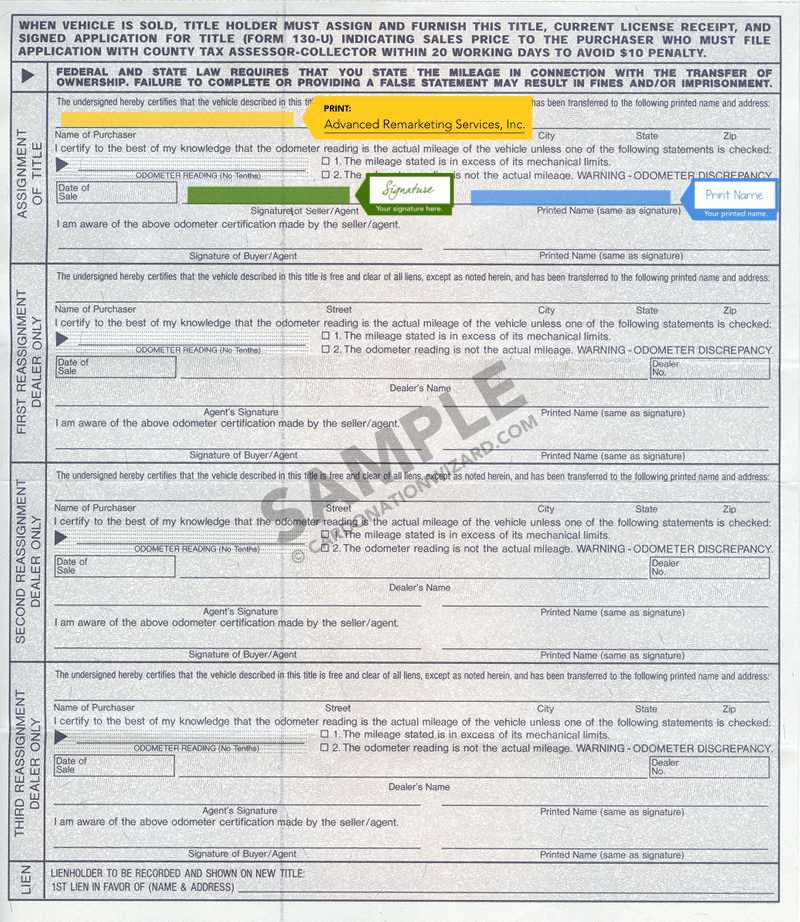
The ownership of a vehicle is legally documented by its title. This crucial document, often referred to as the “pink slip,” contains vital information such as the vehicle’s identification number (VIN), make, model, year, and the names of the current and previous owners. When a vehicle changes hands, the title must be transferred from the seller to the buyer to reflect the new ownership. In Texas, this process is primarily handled by the Texas Department of Motor Vehicles (TxDMV), with some local assistance from county tax assessor-collectors’ offices. Understanding the requirements and having the necessary documentation in order are key to a successful transfer.
Understanding the Texas Title Transfer Process
The core of any vehicle transaction in Texas revolves around the title. When you buy, sell, or gift a vehicle, the title is the legal instrument that signifies the change in ownership. For buyers, it’s proof that you legally own the vehicle. For sellers, it’s confirmation that you are no longer responsible for the vehicle’s registration, insurance, or any liabilities associated with it. The TxDMV oversees this process to maintain accurate vehicle ownership records and ensure compliance with state laws.
Key Players in the Title Transfer
Several entities are involved in the title transfer process in Texas. The primary authority is the Texas Department of Motor Vehicles (TxDMV), which sets the rules and provides the necessary forms. Your local County Tax Assessor-Collector’s Office acts as the local point of contact for submitting applications and paying fees. For private sales, the buyer and seller are directly involved, each having specific responsibilities. If you’re purchasing from a dealership, they will typically handle much of the paperwork for you, but it’s still wise to understand the process.
Essential Documentation for a Texas Title Transfer
Before you embark on the title transfer, ensure you have all the necessary documents. This is where meticulous preparation pays off. Missing even one document can lead to delays and require additional trips to the tax office.
-
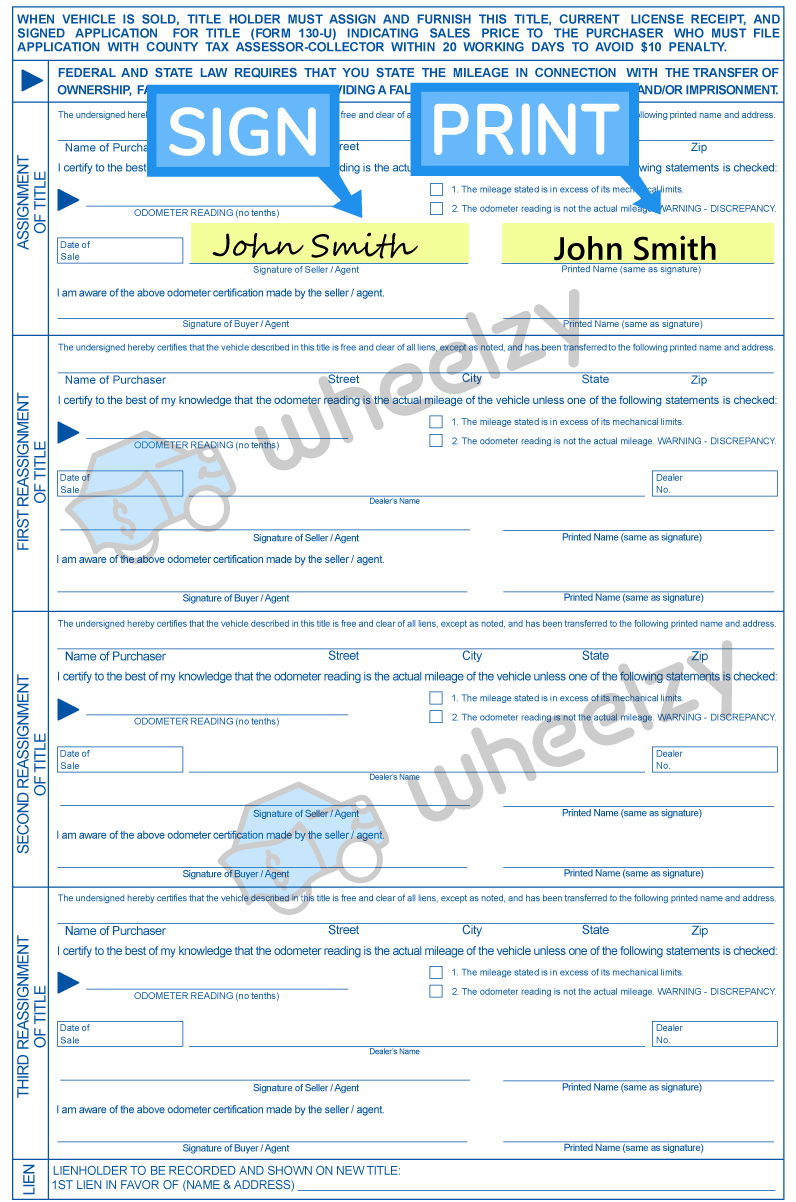
The Vehicle Title: This is the most crucial document. It must be the original title, properly signed by the seller(s) and buyer(s). Ensure there are no errors, alterations, or white-out on the title, as this can render it invalid. The seller must complete the “Assignment of Title by Seller” section, providing their signature, printed name, and the date. The buyer then completes the “Vehicle Information” and “Buyer’s Signature” sections. If there is a lienholder noted on the title, their release of the lien is also required.
-
Application for Texas Title and/or Registration (Form 130-U): This is the official form from the TxDMV that initiates the title transfer and registration process. Both the buyer and seller will need to provide information on this form. It’s available on the TxDMV website or at your local county tax assessor-collector’s office. Accurately filling out this form is paramount. You’ll need details like the vehicle’s VIN, make, model, year, odometer reading, and the names and addresses of both the buyer and seller.
-
Bill of Sale (Form 130-U often suffices): While not always a separate document if all required information is on Form 130-U, a bill of sale is a written agreement between the buyer and seller that details the transaction. It should include the date, buyer’s and seller’s names and addresses, vehicle description (VIN, make, model, year), sale price, and signatures of both parties. The TxDMV‘s Form 130-U often includes a section for this information, which can serve as both the application and the bill of sale.
-
Proof of Financial Responsibility (Car Insurance): Texas law requires all vehicle owners to have liability insurance. You will need to provide proof of insurance for the vehicle you are transferring the title to, typically in the form of an insurance card or policy declaration page, with your name listed as the insured.
-
Vehicle Identification Number (VIN) Inspection: For most vehicles, a VIN inspection is required to ensure the vehicle identification number matches the documentation. This inspection can be performed by law enforcement or authorized inspection stations.
-
Odometer Disclosure Statement: The TxDMV requires the seller to disclose the vehicle’s mileage at the time of sale. This is usually part of the Form 130-U. Federal law also requires this for vehicles less than 10 years old.
-
Proof of Identity: You will need to present a valid government-issued photo ID, such as a driver’s license, for identification purposes.
-
Lien Release (if applicable): If the vehicle had a lien (loan) on it and it has been paid off, the lienholder must provide a signed lien release, which must be submitted with the title application.
Fees and Taxes Associated with Title Transfer
Transferring a title in Texas involves several fees and taxes. These are typically paid at the county tax assessor-collector’s office when you submit your application.
-
Title Fee: This is a standard fee charged by the state for issuing a new title. As of recent regulations, this fee is generally around $33.
-
Sales Tax: Texas imposes a sales tax on vehicle purchases. The rate is currently 6.25% of the vehicle’s sale price or market value, whichever is greater. If you received the vehicle as a gift or inherited it, you may be exempt from paying sales tax, but you will still need to provide appropriate documentation to the TxDMV. There are also specific provisions for trade-ins and family transfers that can affect the taxable amount.
-
Registration Fees: Alongside the title transfer, you will also need to register your vehicle, which incurs separate registration fees based on the vehicle type and weight. These fees are also paid at the county tax assessor-collector’s office.
Steps for Transferring a Vehicle Title in Texas
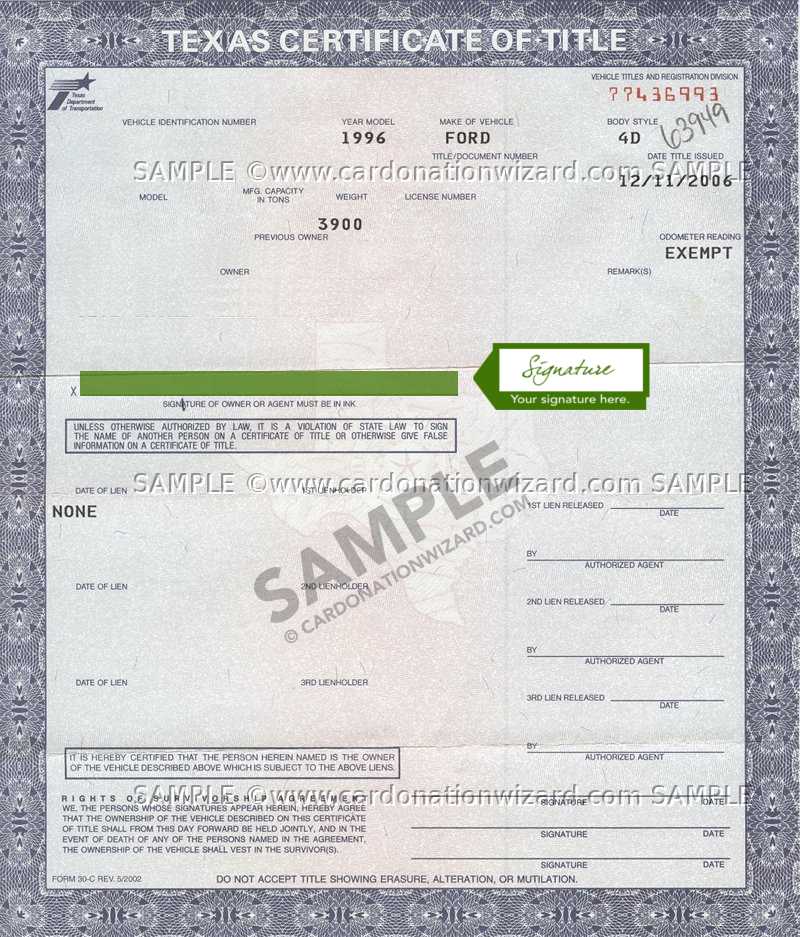
The process of transferring a vehicle title can be broken down into a series of clear, actionable steps. By following these steps, you can ensure a smooth and efficient transaction.
For Sellers: Your Responsibilities
As a seller, your primary responsibility is to accurately and legally transfer ownership of the vehicle to the buyer.
- Locate the Title: Find the original Texas Certificate of Title for the vehicle. Ensure it is clear of any errors.
- Complete the Assignment Section: On the back of the title, fill out the “Assignment of Title by Seller” section completely and accurately. This includes your signature, printed name, and the date.
- Provide Odometer Reading: Accurately record the vehicle’s current mileage in the designated section of the title or on Form 130-U.
- Receive Payment: Once you have signed the title, receive the agreed-upon payment from the buyer.
- Hand Over Documents: Provide the signed title, any lien releases (if applicable), and the Bill of Sale (if not incorporated into Form 130-U) to the buyer.
- Notify the TxDMV (Optional but Recommended): While not strictly mandatory for the seller, it is highly recommended to complete a “Notice of Vehicle Transfer and Release of Liability” (Form 14-317) online through the TxDMV website or by mail. This form notifies the TxDMV that you have sold the vehicle and helps protect you from liability for any parking tickets, tolls, or accidents that occur after the sale.
For Buyers: Your Responsibilities
As a buyer, your role is to ensure you receive legal ownership of the vehicle and properly register it in your name.
-
Inspect the Vehicle and Title: Before purchasing, thoroughly inspect the vehicle and examine the title for any discrepancies, liens, or signs of tampering. Ensure the VIN on the title matches the VIN on the vehicle.
-
Complete the Buyer’s Section: On the title, complete the “Vehicle Information” and “Buyer’s Signature” sections.
-
Obtain Necessary Documents from Seller: Receive the signed title, lien release (if applicable), and Bill of Sale from the seller.
-
Complete Form 130-U: Fill out the “Application for Texas Title and/or Registration” (Form 130-U) with all the required vehicle and buyer information.
-
Get a VIN Inspection: If required, have the vehicle’s VIN inspected by an authorized inspector.
-
Obtain Proof of Insurance: Secure Texas liability insurance for the vehicle in your name.
-
Visit Your Local County Tax Assessor-Collector’s Office: Within 30 days of purchasing the vehicle, you must submit all required documents to your local county tax assessor-collector’s office. This includes:
- The properly assigned Texas Certificate of Title.
- A completed Form 130-U.
- Proof of financial responsibility (insurance).
- Proof of Texas Vehicle Identification Number (VIN) inspection, if applicable.
- A copy of the seller’s driver’s license, or other acceptable identification.
- A Lien Release, if the vehicle was previously financed and the loan has been paid off.
- Payment for all applicable title fees, sales tax, and registration fees.
-
Receive Your New Title and Registration: Once your application is processed and approved, the TxDMV will mail you a new Texas Certificate of Title in your name. You will also receive your vehicle registration sticker and certificate.
Special Circumstances and Considerations
While the general process is standard, certain situations may require additional steps or specific forms. Understanding these nuances can prevent unexpected hurdles.
Transferring a Title After the Owner’s Death
When a vehicle owner passes away, transferring the title involves different procedures depending on whether the deceased had a will and how the estate is being handled.
- With a Will (Testate): If the deceased had a will, the executor of the estate will be responsible for transferring the title according to the will’s instructions. The executor will need to present the original title, a certified copy of the death certificate, and the will to the county tax assessor-collector’s office.
- Without a Will (Intestate): If there was no will, the laws of Texas will determine how the vehicle is distributed. Typically, the surviving spouse or legal heirs will need to provide a death certificate and proof of heirship to transfer the title. The TxDMV has specific forms and requirements for these situations, often involving an affidavit of heirship.
- Inherited Vehicles: For vehicles inherited as part of an estate, you may be exempt from sales tax. However, you will need to provide the necessary documentation to the TxDMV to prove the inheritance.
Transferring Title for a Gift or Family Transfer
Texas offers certain exemptions for sales tax when a vehicle is gifted or transferred between immediate family members.
- Gifts: If a vehicle is gifted, the recipient may be exempt from sales tax. However, they will still need to complete the title transfer process and pay the title fee. The donor and recipient will typically need to complete an affidavit of non-consideration or gift letter to accompany Form 130-U.
- Family Transfers: Transfers between parents and children, spouses, or siblings often qualify for sales tax exemptions. Similar to gifts, specific documentation is required to prove the family relationship and the nature of the transfer.
Out-of-State Title Transfers
If you are bringing a vehicle into Texas from another state, you will need to obtain a Texas title.
- Obtain the Out-of-State Title: You will need the original title from the previous state.
- Complete Form 130-U: Fill out the Texas Application for Title and/or Registration.
- Obtain a VIN Inspection: A Texas VIN inspection is mandatory for all out-of-state vehicles.
- Pay Sales Tax: You will be required to pay Texas sales tax on the vehicle’s purchase price or appraised value.
- Visit Your County Tax Assessor-Collector’s Office: Submit all documentation and fees to your local county tax assessor-collector’s office.
Dealership vs. Private Sale
The process can vary slightly depending on whether you are buying from a dealership or a private seller.
- Dealerships: When you buy a vehicle from a licensed dealership, they typically handle the title transfer and registration process on your behalf. They will collect the necessary fees and taxes and submit the paperwork to the TxDMV. However, it’s always good practice to confirm with the dealership exactly what services they are providing and what documents you will receive.
- Private Sales: In private sales, the responsibility for completing the title transfer falls on the buyer and seller. Both parties must ensure all documentation is correctly filled out and submitted within the designated timeframe.
By understanding these steps and potential variations, you can confidently navigate the Texas vehicle title transfer process, ensuring legal ownership and a smooth transition of your vehicle. Whether you’re admiring the skyline from a Houston skyscraper or exploring the vast ranches near San Antonio, ensuring your vehicle is properly titled is a fundamental part of enjoying your Texas adventures.
LifeOutOfTheBox is a participant in the Amazon Services LLC Associates Program, an affiliate advertising program designed to provide a means for sites to earn advertising fees by advertising and linking to Amazon.com. Amazon, the Amazon logo, AmazonSupply, and the AmazonSupply logo are trademarks of Amazon.com, Inc. or its affiliates. As an Amazon Associate we earn affiliate commissions from qualifying purchases.