
The vast and varied landscape of Texas conjures images of sprawling ranches, vibrant cities, and a unique cultural tapestry. For many travelers, understanding the climate is crucial to planning the perfect Texas adventure. One of the most frequently asked questions, especially for those accustomed to drier regions, revolves around humidity: “Is it humid in Texas?” The answer, like Texas itself, is complex and depends heavily on where and when you visit.
Texas stretches over a massive geographical area, encompassing diverse climates from the arid West Texas to the subtropical coast. This geographical diversity means that humidity levels can fluctuate dramatically across the state. Generalizing about Texas humidity is akin to generalizing about the weather in an entire continent; it’s an oversimplification that misses the nuanced reality.

Understanding Texas’s Diverse Climates
To truly answer whether Texas is humid, we must delve into the distinct climatic zones that define the state. The sheer size of Texas means that weather patterns, including humidity, are not uniform.
East Texas: A Subtropical Embrace
East Texas is characterized by a humid subtropical climate. Here, the proximity to the Gulf of Mexico plays a significant role. Expect warm, humid summers and mild winters. The air often feels thick with moisture, particularly during the summer months. Rainfall is abundant throughout the year, contributing to the lush vegetation and the generally higher humidity levels. Cities like Houston, Dallas, and Austin – while not directly on the coast – experience a noticeable amount of humidity, especially during the warmer seasons. This humidity can make the summer heat feel more intense.
Central Texas: A Transition Zone
Central Texas, including the Hill Country, offers a more transitional climate. While still experiencing humidity, it’s often less pronounced than along the coast. Summers can be hot and humid, but the Hill Country‘s elevation and rolling terrain can sometimes offer a slight reprieve. Austin, situated in this region, experiences a mix of humid and drier periods, with humidity often increasing in the summer and during rainfall. The area is known for its beautiful natural springs and rivers, which contribute to local moisture levels.
West Texas: The Arid Frontier
Moving westward, the climate becomes significantly drier. West Texas, including areas around El Paso and Big Bend National Park, is largely arid to semi-arid. Humidity levels here are generally much lower, making the intense summer heat feel more bearable due to the lack of moisture in the air. Rainfall is scarce, and the landscape is characterized by deserts, mountains, and vast open spaces. If you’re seeking a dry climate, West Texas is your best bet.
The Texas Coast: A Humid Haven
The Texas Gulf Coast is undeniably the most humid region of the state. Cities like Galveston, Corpus Christi, and South Padre Island are directly influenced by the warm waters of the Gulf of Mexico. Summers here are typically very hot and extremely humid, with dew points often reaching high levels. This constant presence of moisture can be a defining characteristic of a coastal Texas vacation. The sea breeze can offer some relief from the heat, but it often carries with it the pervasive humidity.
Seasonal Variations in Texas Humidity
Beyond geographical location, the time of year also profoundly impacts humidity levels across Texas.
Summer: The Peak of Humidity
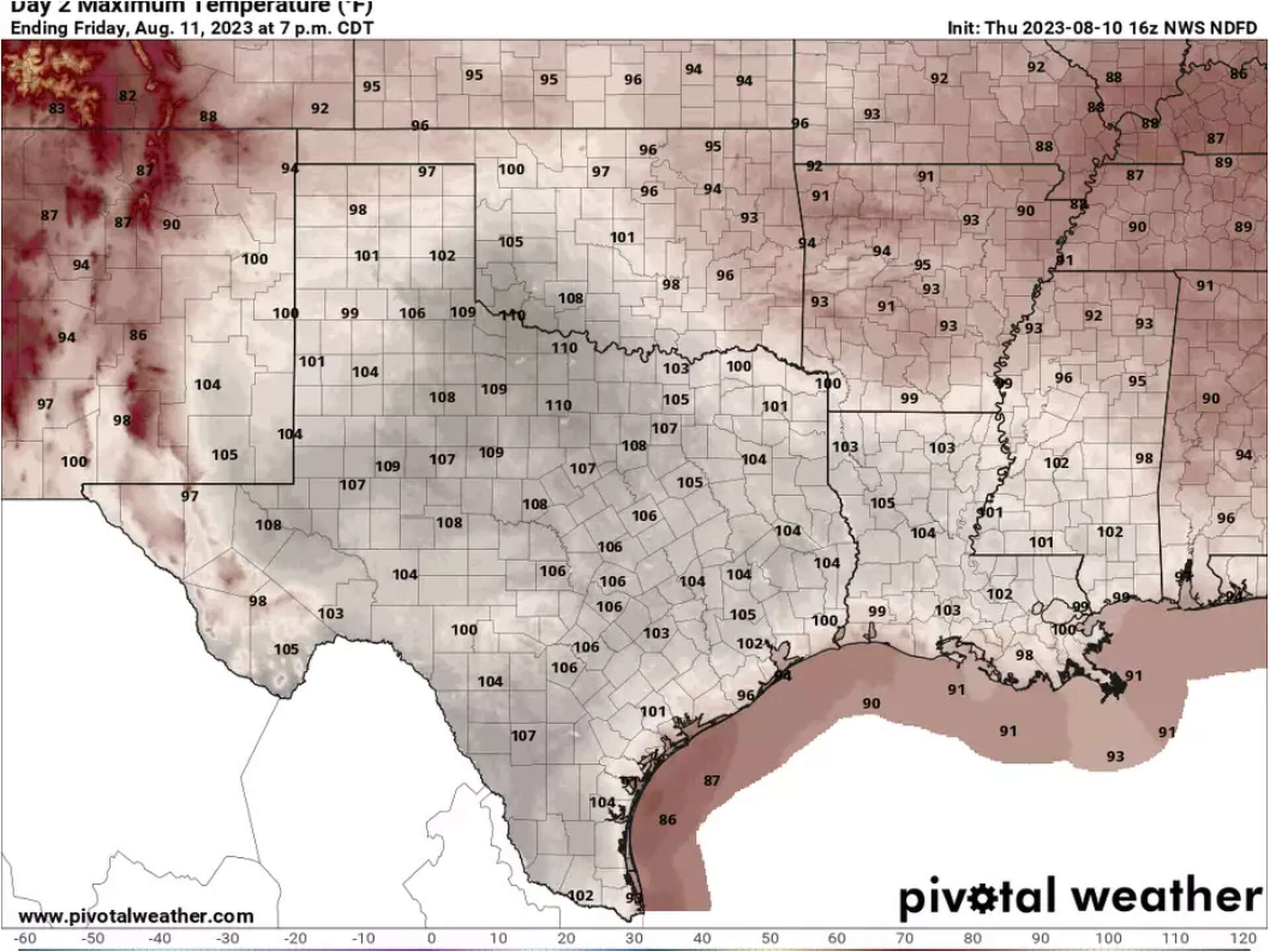
Summer in Texas, generally from June through August, is synonymous with heat and, for much of the state, high humidity. The southern latitude and intense sunshine contribute to high temperatures, and when combined with moisture from the Gulf of Mexico (especially for the eastern two-thirds of the state), it creates a palpable sense of humidity. This is when you’ll feel that sticky, heavy air that can make outdoor activities feel more strenuous. Air conditioning is an absolute necessity for comfort during these months.
Spring and Fall: Pleasant Transitions
Spring and fall offer some of the most pleasant weather in Texas, with moderate temperatures and often lower humidity levels compared to summer. While still experiencing some humidity, especially in the eastern parts of the state, the combination of milder temperatures and slightly less moisture in the air makes these seasons ideal for exploring Texas‘s attractions. Springtime in the Texas Hill Country is particularly beautiful with wildflowers in bloom, and the air is generally more comfortable. Fall brings cooler breezes and a welcome break from the summer heat, though coastal areas can still retain some humidity.
Winter: A Drier, Cooler Season
Winter in Texas generally sees lower humidity levels across the board, particularly in the northern and western parts of the state. While coastal areas might still experience some lingering moisture, the cooler temperatures mean the air feels less heavy and oppressive. Snow is rare, except in the northern Panhandle, but cold fronts can bring chilly, dry air. This is a good time to visit if you prefer a drier climate, though you might need warmer clothing.
Experiencing Texas Humidity: Tips for Travelers
Understanding the nuances of Texas humidity is key to enjoying your visit. Whether you’re planning a trip to the bustling streets of San Antonio, the historic charm of Galveston, or the natural beauty of Big Bend, a little preparation can go a long way.
Packing for Humidity
When packing for Texas, especially during the summer months and for the eastern and coastal regions, prioritize breathable fabrics like cotton and linen. Light-colored clothing can also help you feel cooler. Moisture-wicking activewear is an excellent choice for any strenuous outdoor activities. Don’t forget sunscreen, a wide-brimmed hat, and sunglasses, as the sun can be intense even when it’s humid.
Staying Hydrated and Comfortable
The combination of heat and humidity can lead to dehydration and heat exhaustion. It’s crucial to drink plenty of water, even if you don’t feel thirsty. Carry a reusable water bottle and refill it frequently. Seek out air-conditioned spaces during the hottest parts of the day. This could mean visiting museums, exploring indoor markets, or simply enjoying a long lunch at a local restaurant.
Choosing the Right Time to Visit
If you are particularly sensitive to humidity, consider visiting Texas during the spring or fall. These shoulder seasons offer a more comfortable climate for exploring the state’s diverse attractions without the intense humidity of the summer. For those who enjoy the beach and coastal breezes, a summer visit to the Texas Coast is a classic experience, but be prepared for the humidity. If a dry climate is your priority, West Texas is the ideal destination year-round, though summers can still be very hot.
Accommodation Choices
Your choice of accommodation can significantly impact your comfort. Hotels in Texas, particularly in the more humid regions, will almost universally feature robust air conditioning systems. When booking, look for amenities like pools, which can offer a refreshing escape from the heat and humidity. For longer stays, consider vacation rentals or apartments with good climate control. Resorts often have shaded areas, indoor dining, and well-maintained recreational facilities designed to combat the weather.
Activities and Itinerary Planning
When planning your itinerary, be mindful of the humidity. For instance, if visiting Houston in July, schedule outdoor activities like exploring the Space Center Houston or visiting the Houston Zoo for the cooler morning hours. In the afternoons, opt for indoor attractions like the Museum District or enjoy shopping at one of the city’s many malls. Hiking in Big Bend National Park is best done in the early morning or late afternoon during the summer, and even then, carry ample water.
Conclusion: Texas’s Humid Charm
So, “Is it humid in Texas?” Yes, for a significant portion of the state, especially the eastern two-thirds and the Gulf Coast, humidity is a defining characteristic, particularly during the summer months. However, Texas is a land of contrasts, and West Texas offers a decidedly drier experience.
The humidity contributes to the state’s lush landscapes, vibrant ecosystems, and the very essence of its subtropical and coastal charm. By understanding the geographical and seasonal variations, travelers can effectively plan their trips, pack appropriately, and choose activities that allow them to fully appreciate the diverse beauty and experiences Texas has to offer, whether they are seeking the energy of Dallas, the history of San Antonio, or the natural wonders of the Texas landscape. Embrace the climate, and you’ll discover that even the humidity is part of the unforgettable Texas adventure.
LifeOutOfTheBox is a participant in the Amazon Services LLC Associates Program, an affiliate advertising program designed to provide a means for sites to earn advertising fees by advertising and linking to Amazon.com. Amazon, the Amazon logo, AmazonSupply, and the AmazonSupply logo are trademarks of Amazon.com, Inc. or its affiliates. As an Amazon Associate we earn affiliate commissions from qualifying purchases.