
The allure of the open road, the vast, star-dusted skies of the Lone Star State, and the spirit of adventure often lead travelers to consider unconventional lodging. For those on a budget, embracing a minimalist lifestyle, or simply seeking a unique experience, sleeping in your car can seem like an attractive, even romantic, option. However, when the sun sets over Texas, and you find yourself contemplating a night nestled in your vehicle, a crucial question arises: Is it legal to sleep in your car in Texas? The answer, like many things in Texas, is nuanced, depending heavily on location, circumstance, and local ordinances.

The Texas Department of Transportation (TxDOT) doesn’t have a statewide law prohibiting sleeping in your car. This means there’s no blanket ban across the entire state. However, this absence of a state-level prohibition doesn’t equate to a free-for-all. The devil, as it often does, lies in the details – specifically, in the myriad local laws and regulations enacted by individual cities and counties throughout Texas. These local authorities are empowered to govern land use, public safety, and order within their jurisdictions, and sleeping in your car can sometimes fall under their purview.
Navigating Local Ordinances: The Key to Legal Overnight Stays
The primary factor determining the legality of sleeping in your car in Texas is where you choose to park. Texas is a vast state, encompassing bustling metropolises like Houston, Dallas, and Austin, as well as sprawling rural landscapes and charming small towns. Each of these areas, and indeed, each individual municipality within them, has the authority to create and enforce its own rules.
Private Property vs. Public Spaces
Understanding the distinction between private and public property is fundamental.
Sleeping on Private Property
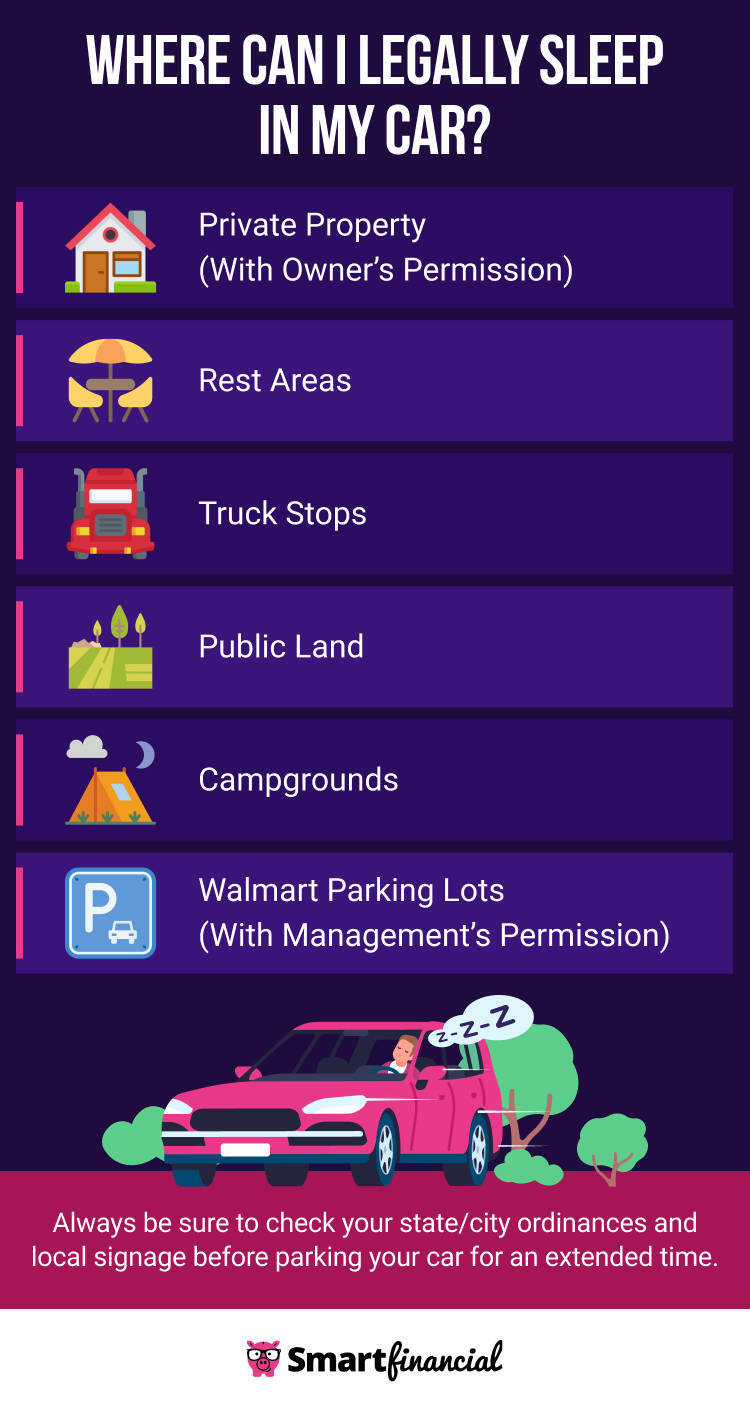
Generally, sleeping in your car on private property is permissible with the owner’s explicit consent. This could include the driveway of a friend or family member, or a designated parking area on private land if permission has been granted. However, even on private property, there can be exceptions. For instance, if you are parked in a lot for a business that is closed, even with the owner’s initial tacit approval, you might be asked to leave if it violates their specific policies or if it’s perceived as loitering. It’s always best to secure clear permission from the property owner before settling in for the night.
The Complexities of Public Spaces
Public spaces are where the regulations become more stringent and varied. This category includes public parks, rest areas, city streets, and parking lots owned by local governments or businesses that are open to the public.
-
City Streets and Sidewalks: Most cities have ordinances against “loitering” or “camping” on public streets and sidewalks. Sleeping in your car can be interpreted as camping, especially if you are visibly setting up for an extended stay, using sleeping bags, or engaging in activities that are not typically associated with simply parking. Local law enforcement has the discretion to issue warnings or citations for such activities.
-
Public Parks: While seemingly inviting, public parks are often subject to specific operating hours. Sleeping in your car after the park has closed is generally prohibited and can lead to being asked to leave by park rangers or law enforcement. Some parks may have designated overnight parking areas, but these are rare and usually require specific permits or are intended for specific purposes like long-distance truck drivers at designated rest stops.
-
Rest Areas: Texas Department of Transportation (TxDOT) rest areas are designed for short breaks, not extended overnight stays. While sleeping in your car for a few hours to rest is usually tolerated and even encouraged for safety reasons, staying for the entire night, especially if it appears you are “camping,” can be frowned upon and you may be asked to move along. The primary purpose of these areas is to prevent driver fatigue, and prolonged stays can impede access for other travelers.
-
Business Parking Lots: Many businesses, particularly large retailers like Walmart, have historically allowed overnight parking in their lots. However, this is not a universal policy, nor is it a right. It’s a courtesy extended by individual store managers, and these policies can change without notice. Some Walmart locations, for example, have started prohibiting overnight parking due to local ordinances or corporate policy changes. If you plan to sleep in your car at a business, it’s crucial to check with the store manager beforehand to ensure it’s permitted. Trespassing charges can be a consequence of ignoring such policies.
Common Reasons for Illegality and Potential Penalties
When sleeping in your car is deemed illegal, it’s typically due to a combination of factors aimed at maintaining public order, safety, and preventing unauthorized camping.
Public Nuisance and Health Concerns
Cities often enact ordinances to prevent public spaces from becoming makeshift campgrounds. These concerns can include:
- Sanitation: Lack of access to proper restroom facilities can lead to unsanitary conditions.
- Safety: Unsupervised overnight stays can sometimes attract unwanted activity, leading to safety concerns for both the occupants of the vehicles and the surrounding community.
- Aesthetics: Extensive car camping can be viewed as detracting from the intended use and appearance of public areas.
Loitering and Trespassing Laws

Many municipalities have loitering laws that prohibit individuals from remaining in a public place for an unreasonable amount of time without a clear purpose. Sleeping in your car for an extended period can be interpreted as loitering. If you are on private property without permission or in violation of posted rules, you can be charged with trespassing.
Potential Penalties
The consequences of being caught sleeping illegally in your car in Texas can range from a simple warning to more serious penalties:
- Warnings: Often, law enforcement will issue a warning, asking you to move along and find legitimate lodging.
- Citations/Fines: For repeat offenses or more blatant disregard for local ordinances, you could receive a citation and be required to pay a fine.
- Misdemeanor Charges: In more severe cases, especially if coupled with other infractions or if you refuse to comply with law enforcement, you could face misdemeanor charges.
- Trespassing Charges: If you are on private property without consent, you could be charged with trespassing, which can have more significant legal ramifications.
Alternatives and Best Practices for Car Camping in Texas
Given the varied legal landscape, responsible car camping in Texas requires diligence and a proactive approach. If your heart is set on sleeping in your vehicle, here are some tips and alternatives to consider.
Research is Paramount
Before you even consider parking for the night, thoroughly research the specific city or county you’ll be in. Many city websites have online portals for their municipal codes, allowing you to search for ordinances related to camping, loitering, and overnight parking. If you can’t find definitive information online, consider calling the local police department’s non-emergency line or the city’s code enforcement office for clarification.
Embrace Designated Areas
When available, opt for areas specifically designed for overnight stays.
- Campgrounds and RV Parks: The most straightforward and legal option is to utilize designated campgrounds or RV parks. These offer amenities like restrooms, showers, and security, and they explicitly permit overnight stays. Texas boasts numerous state parks and private campgrounds that cater to various budgets. For example, if you’re exploring the natural beauty near Big Bend National Park, there are campgrounds within and around the park that offer a legal and safe place to rest.
- Walmart (with caution): As mentioned, some Walmart stores still allow overnight parking, but this is highly variable. Always check with the store manager first. It’s a popular budget option for travelers traversing Texas on long drives.
- Truck Stops: Larger truck stops often have designated areas for overnight parking and can be a safer alternative to random street parking. They typically have amenities like restrooms and diners.
Be Discreet and Respectful
If you find a location where you believe overnight parking might be tolerated, discretion is key.
- Keep a Low Profile: Avoid setting up camp. Keep your windows covered, keep noise to a minimum, and don’t unpack or make your presence overly obvious.
- Arrive Late, Leave Early: Blend in by arriving after dark and departing before dawn.
- Don’t Overstay Your Welcome: If you’re in a business parking lot, make a purchase to show your appreciation. If you receive a request to move, do so promptly and politely.
- Leave No Trace: Ensure you leave the area cleaner than you found it. Dispose of all trash properly.
Safety First
Regardless of the legality, personal safety should always be your top priority.
- Choose Well-Lit Areas: If possible, park in well-lit areas where there is some foot traffic or other vehicles present.
- Lock Your Doors: Always keep your car doors locked.
- Inform Someone: Let a friend or family member know your general location and planned route.
- Have an Escape Plan: Be aware of your surroundings and have a plan to move if you feel unsafe or are asked to leave.
Consider Alternative Budget Accommodations
Texas offers a wide range of budget-friendly accommodation options that can provide peace of mind and comfort without the legal uncertainties of car camping.
- Hostels: Major cities like Austin and San Antonio have hostels that offer affordable dormitory-style or private rooms, often with common areas for socializing and kitchens for preparing your own meals.
- Budget Motels: Numerous budget motel chains are scattered across Texas, offering clean and safe rooms at reasonable prices.
- Airbnb/VRBO: Renting a private room or an entire apartment through platforms like Airbnb or VRBO can sometimes be surprisingly affordable, especially if you’re traveling with a group or staying for an extended period. This can offer a more local experience than a hotel.
- Camping Gear: If you enjoy the outdoors, investing in a good tent and camping gear allows you to legally camp in designated areas within Texas State Parks and national forests, offering a more immersive experience in nature.
In conclusion, while there isn’t a single law stating that sleeping in your car in Texas is universally illegal, the legality is determined by local ordinances, property ownership, and specific circumstances. Navigating these rules requires research, discretion, and a willingness to adapt. Prioritizing safety and respecting local laws will ensure your Texas adventure remains memorable for all the right reasons, whether you’re exploring the historic missions of San Antonio, the vibrant music scene of Austin, or the vast ranches of West Texas.
LifeOutOfTheBox is a participant in the Amazon Services LLC Associates Program, an affiliate advertising program designed to provide a means for sites to earn advertising fees by advertising and linking to Amazon.com. Amazon, the Amazon logo, AmazonSupply, and the AmazonSupply logo are trademarks of Amazon.com, Inc. or its affiliates. As an Amazon Associate we earn affiliate commissions from qualifying purchases.