
Navigating the intricacies of taxation can be a daunting task for both individuals and businesses, particularly when it comes to understanding what services are subject to sales tax. For those planning a trip to the Lone Star State, or even considering a move for business or leisure, a common question arises: is labor taxable in Texas? The answer, like many things in the realm of tax law, is nuanced and depends heavily on the specific nature of the service provided. Texas employs a broad sales tax system, but there are key distinctions to be made when it comes to the taxation of labor versus tangible personal property.
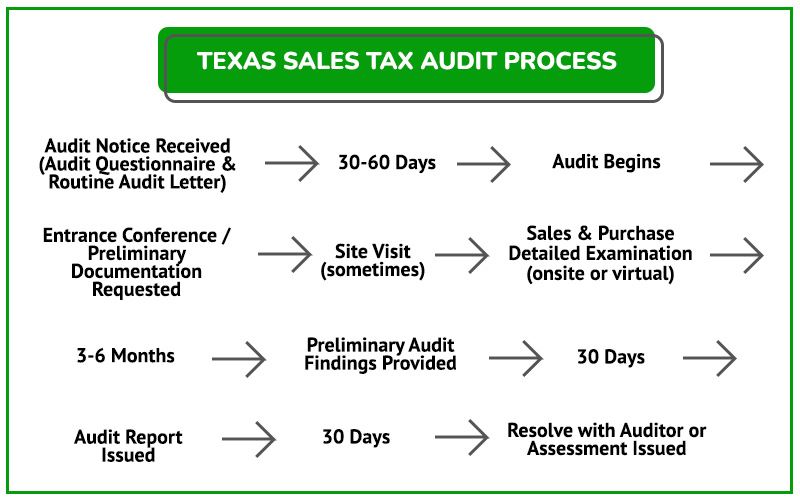
The Texas Comptroller of Public Accounts outlines that sales tax is generally imposed on the sale, rental, or use of tangible personal property and specifically enumerated taxable services. Labor, in and of itself, is not typically taxed directly. Instead, the taxability of labor is tied to whether it is an integral part of the sale of taxable tangible personal property or a taxable service. This means that if labor is performed to create, repair, install, or modify tangible goods, its taxability often follows the taxability of the goods themselves. Similarly, labor associated with providing a taxable service is usually bundled into the overall price of that service.
Understanding these distinctions is crucial for anyone engaging in commerce within Texas, whether you’re a tourist enjoying the vibrant culture of Austin or a business owner looking to understand operational costs. This exploration will delve into the specific scenarios where labor might be considered taxable, the general principles guiding these decisions, and how these rules might impact various aspects of your travel and lifestyle experiences in Texas.
Understanding Texas Sales Tax on Services and Labor
At its core, Texas sales tax aims to capture revenue from the consumption of goods and services. The state’s approach is to tax tangible personal property unless specifically exempted, and a curated list of services. When labor is involved, it’s the relationship between that labor and a taxable item or service that determines its tax status.
The Distinction Between Services and Labor
It’s important to differentiate between a “service” and “labor.” While often used interchangeably in everyday conversation, tax law draws a clearer line. A service, in the context of Texas sales tax, refers to the performance of an action that results in a tangible benefit or changes the condition of tangible personal property. Labor, on the other hand, is the human effort expended in performing that service.
Texas law enumerates specific services that are subject to sales tax. These often include services that directly impact tangible personal property. For instance, repair and maintenance services are typically taxable if they are performed on tangible personal property. The labor involved in these repairs is considered part of the overall taxable service. So, if you’re getting your rental car in Houston fixed, the labor cost for the mechanic would likely be part of the taxable repair bill.
Conversely, services that are purely personal or intangible, and do not directly alter or produce tangible personal property, are generally not subject to sales tax. For example, the labor of a tour guide leading you through the historic streets of San Antonio is not separately taxed as labor. Instead, the price of the tour itself, which encompasses the guide’s expertise and time, might be considered a taxable service if it falls under one of the enumerated categories, or it might be considered an intangible service not subject to sales tax. The key is to examine the nature of the ultimate benefit conferred.
Labor as Part of Tangible Personal Property
When labor is an integral part of the manufacturing, fabrication, or assembly of tangible personal property that is sold, the cost of that labor is generally included in the taxable selling price of the property. For example, if you commission a custom-made piece of furniture from a craftsman in Dallas, the price you pay will include the cost of materials and the labor involved in its creation. This entire price is subject to sales tax as the sale of tangible personal property.
Similarly, if a business sells a taxable product and includes installation services as part of the sale, the labor for installation is typically considered part of the overall taxable transaction. Imagine purchasing a new appliance for your hotel suite in Galveston – the labor cost to install it would usually be bundled into the total price and thus taxable.
Labor Related to Exempt Items
The taxability of labor is also influenced by whether the tangible personal property or service it is associated with is tax-exempt. If the item being repaired or modified is itself exempt from sales tax, then the labor performed on that item may also be exempt. For example, certain agricultural equipment might be exempt from sales tax. If labor is performed to repair such equipment, that labor might also be exempt.
This principle extends to services that are not enumerated as taxable. If a service is not listed by the Texas Comptroller as taxable, then the labor involved in providing that non-taxable service is also not subject to sales tax. This is why understanding the Comptroller’s official list of taxable services is paramount.
Specific Scenarios: Labor in Tourism, Accommodation, and Lifestyle
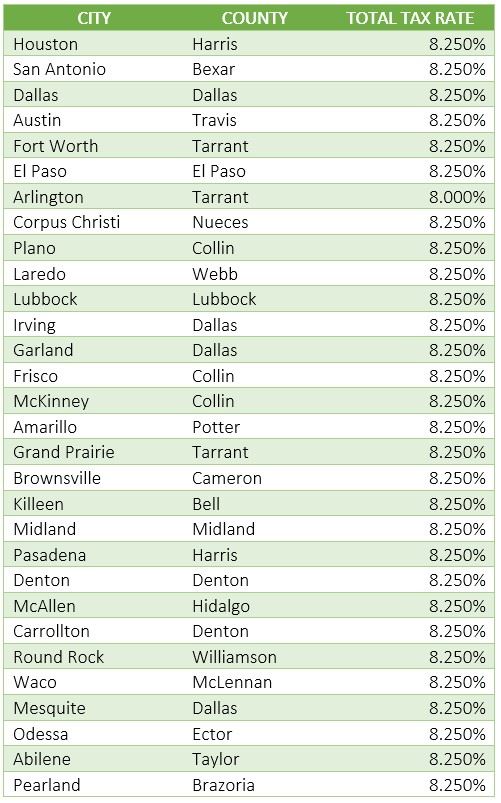
The broad principles of Texas sales tax on labor have direct implications for various aspects of travel, accommodation, and lifestyle choices within the state.
Tourism and Experiences
When you book an excursion or experience in Texas, the labor involved is often intrinsically linked to the service being provided. For instance, a guided tour of the Alamo in San Antonio involves the labor of the tour guide. Whether the tour itself is taxable depends on its specific nature. If it’s an educational or historical tour that doesn’t primarily focus on tangible items, it might not be considered a taxable service. However, if the tour involves the sale of tangible items (like souvenirs) or falls under a specific taxable service category, the entire package, including the labor, could be subject to tax.
Similarly, activities like attending a concert or a sporting event in a venue like AT&T Stadium involve significant labor from event staff, performers, and organizers. The ticket price for such events typically includes all associated costs, and the sales tax applied to the ticket covers these components.
The labor of chefs and waitstaff in restaurants is part of the overall cost of the prepared food, which is generally taxable in Texas. So, when you enjoy a meal at a renowned restaurant in Fort Worth, the labor involved in preparing and serving your food is factored into the price you pay, and sales tax is applied to the total bill.
Hotels and Accommodation
The hotel industry in Texas offers a clear example of how labor is integrated into taxable services. When you book a room at a hotel, such as the Four Seasons Resort and Club Dallas at Las Colinas, the room rate covers not just the physical space but also the services provided by hotel staff. This includes the labor of cleaning staff, front desk personnel, and maintenance workers.
The accommodation itself, the rental of hotel rooms, suites, apartments, or villas, is generally considered a taxable service in Texas, subject to state and local sales taxes. The labor involved in maintaining these properties, preparing them for guests, and providing customer service is bundled into the overall price of the accommodation and is therefore indirectly taxed. For example, the labor of a housekeeping staff member who cleans your suite at the JW Marriott San Antonio Hill Country Resort & Spa is compensated through the room rate, and sales tax is applied to that rate.
Specific services offered by hotels, like valet parking, spa treatments, or room service, are also subject to sales tax. The labor of the valet attendant, the massage therapist, or the room service attendant is part of the cost of these amenities, and the service itself is taxed.
Long-term stays at hotels or other accommodation facilities may have different tax implications. Texas law provides exemptions or reduced rates for certain long-term rentals, and the taxability of labor within these arrangements would follow the same principles, tied to the taxability of the accommodation itself.
Landmarks, Architecture, and Nature
Visiting Texas landmarks, appreciating its architecture, or exploring its natural wonders often involves services where labor plays a key role. Entrance fees to museums like the Perot Museum of Nature and Science in Dallas or attractions like Moody Gardens in Galveston typically cover the operational costs, including staff labor. Whether these entrance fees are taxable depends on whether the attraction is considered a place of amusement or entertainment, which are generally taxable services.
The labor involved in maintaining historical sites, national parks, or state parks also contributes to the visitor experience. While access to natural areas might be free, any services offered within these areas, such as guided tours or equipment rentals, would be subject to Texas sales tax rules. For example, if you rent a kayak at Lake Travis, the rental fee, including the labor to maintain the equipment, is likely taxable.
Architectural tours or services that focus on the preservation and understanding of historical buildings in cities like San Antonio often involve the expertise of historians and architects. The fees for such services would be assessed based on whether they fall under taxable service categories.
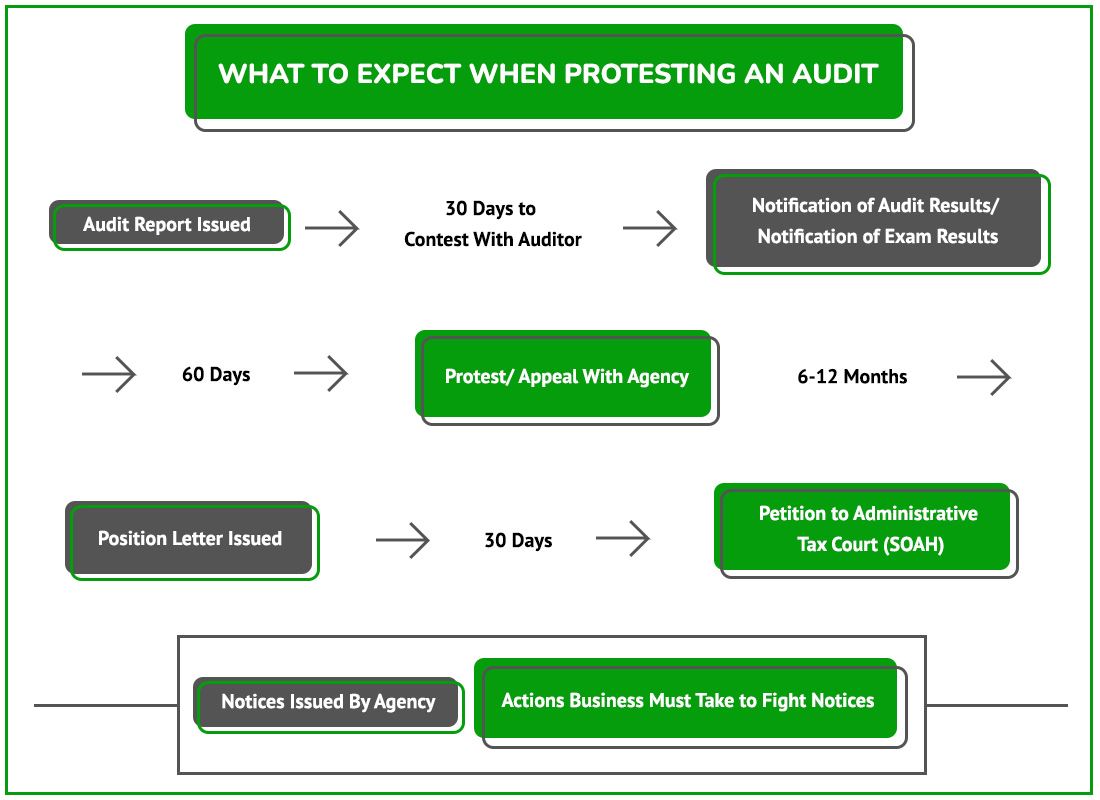
The Importance of Consulting Official Resources and Professionals
Given the complexities and nuances of Texas sales tax law, particularly concerning the taxation of labor, it is always advisable to refer to the official guidance provided by the Texas Comptroller of Public Accounts. Their website offers detailed publications, rules, and fact sheets that clarify taxability for various goods and services.
For businesses operating in Texas or individuals with specific tax questions, consulting with a qualified tax professional or an attorney specializing in Texas tax law is highly recommended. They can provide personalized advice based on your unique circumstances and ensure compliance with state regulations. This is particularly important when dealing with contracts that involve significant labor components, such as construction projects or long-term service agreements.
In conclusion, while labor itself is not directly taxed in Texas, its taxability is intricately linked to the sale of tangible personal property or the provision of specifically enumerated taxable services. Whether you are enjoying the vibrant travel destinations, comfortable accommodations, rich tourism experiences, or engaging in lifestyle activities across the Lone Star State, understanding these principles will help you navigate your transactions with clarity and confidence. From the bustling streets of Dallas to the tranquil beaches of South Padre Island, a grasp of Texas sales tax on labor will enhance your experience and ensure you are a well-informed consumer or business owner.
LifeOutOfTheBox is a participant in the Amazon Services LLC Associates Program, an affiliate advertising program designed to provide a means for sites to earn advertising fees by advertising and linking to Amazon.com. Amazon, the Amazon logo, AmazonSupply, and the AmazonSupply logo are trademarks of Amazon.com, Inc. or its affiliates. As an Amazon Associate we earn affiliate commissions from qualifying purchases.