
When planning a trip to the magnificent Last Frontier, one of the first questions many travelers ponder, often with a sense of wonder, is “What time is it in Anchorage, Alaska?” More than just a simple query about the current hour, understanding the time in Alaska is crucial for a seamless and enriching travel experience. It impacts everything from flight schedules and hotel check-ins to optimizing your daylight hours for exploration and adapting to the unique rhythm of life in the largest city in the United States’ northernmost state.
Alaska operates on its own distinctive time zone, which significantly differs from the rest of the continental U.S., leading to fascinating implications for tourism, accommodation, and lifestyle. This comprehensive guide will delve into Anchorage’s time zone, its effects on travel logistics, how to combat jet lag, and perhaps most importantly, how to leverage Alaska’s extreme seasonal daylight variations to truly maximize your adventure.

Understanding Anchorage’s Time Zone: AKST and AKDT
Anchorage, like most of Alaska, observes the Alaska Time Zone. This is a unique designation that sets it apart from the other major time zones in the Lower 48. Understanding whether it’s Alaska Standard Time or Alaska Daylight Time is the first step in synchronizing your internal clock with the Alaskan pace.
Alaska Standard Time (AKST) Explained
During the winter months, from early November to mid-March, Anchorage operates on Alaska Standard Time (AKST). This time zone is GMT-9, meaning it is nine hours behind Coordinated Universal Time. To put this into perspective, AKST is:
- One hour behind Pacific Standard Time (PST) (GMT-8).
- Two hours behind Mountain Standard Time (MST) (GMT-7).
- Three hours behind Central Standard Time (CST) (GMT-6).
- Four hours behind Eastern Standard Time (EST) (GMT-5).
This significant time difference means that while it might be midday on the East Coast, Anchorage is just beginning its morning, a factor that profoundly influences business calls, communication with home, and scheduling early morning excursions upon arrival. For example, if it’s 3:00 PM in New York City (EST), it’s only 11:00 AM in Anchorage (AKST).

The Role of Daylight Saving Time (AKDT)
Like the majority of the United States, Alaska observes Daylight Saving Time, shifting forward by one hour in mid-March and reverting in early November. When this change occurs, Anchorage switches to Alaska Daylight Time (AKDT), which is GMT-8.
During AKDT, the time difference with the continental U.S. states reduces by one hour. So, while it’s still an adjustment, the gap becomes slightly less pronounced. For instance, in summer, if it’s 3:00 PM in New York City (EDT), it’s 11:00 AM in Anchorage (AKDT). This adjustment plays a crucial role in maximizing the legendary Alaskan summer daylight, allowing for even longer evenings to enjoy outdoor activities. This annual shift means travelers need to be mindful of the specific dates for Daylight Saving Time to ensure their plans align with local schedules.
Navigating Travel and Jet Lag in the Last Frontier
The unique time zone of Anchorage presents specific considerations for travelers, from the moment they book their flight to their first few days exploring the city. Managing these aspects effectively can make the difference between a sluggish start and an energetic dive into your Alaskan adventure.
Flights, Layover, and Arrival Times
Air travel to Anchorage often involves significant time zone changes, particularly for those coming from the East Coast or international destinations. Direct flights into Ted Stevens Anchorage International Airport are common, but even short hops from the Pacific Northwest will require an adjustment. When booking flights, pay close attention to arrival times in local Anchorage time. An afternoon arrival might feel like late evening if you’re coming from the Eastern Time Zone, impacting your ability to immediately engage in activities or even make dinner reservations.
Consider flight timings that allow for a smoother transition. A mid-to-late afternoon arrival in Anchorage often means you’ll land when it’s evening back home, making it easier to go straight to your hotel, settle in, and aim for an early night. Conversely, an early morning arrival could mean you’re landing in what feels like the middle of the night to your body, setting you up for a day of extreme fatigue. Always confirm your accommodation’s check-in policy, especially if you anticipate an early arrival or a late departure, to avoid any unnecessary waiting or fees. Many hotels, from luxury resorts to budget-friendly apartments, are accommodating but prior arrangements are essential.
Conquering Jet Lag for a Seamless Alaskan Experience
Jet lag is an inevitable companion for many travelers crossing multiple time zones. In Anchorage, the significant difference can initially throw off your sleep patterns, appetite, and energy levels. However, with a few proactive strategies, you can minimize its impact and quickly adapt to the local time.
- Adjust Before You Go: A few days before your trip, try to gradually shift your sleep schedule closer to Anchorage time. Go to bed and wake up an hour or two earlier or later, depending on your direction of travel.
- Hydrate and Avoid Alcohol: During your flight, drink plenty of water and limit caffeine and alcohol, as they can exacerbate dehydration and disrupt sleep.
- Embrace Natural Light: Upon arrival, expose yourself to natural light as much as possible, especially in the mornings. This helps reset your circadian rhythm. In summer, the endless daylight can be both a blessing and a curse; use it to stay active during the day but also ensure you have blackout curtains for restful sleep.
- Stay Active: Gentle exercise, like a walk around Downtown Anchorage or along the Tony Knowles Coastal Trail, can help reduce jet lag symptoms and signal to your body that it’s daytime.
- Prioritize Sleep: Even if you arrive early, try to avoid long naps during the day. Instead, aim for a consistent bedtime that aligns with Anchorage’s evening hours, even if it feels unnaturally early or late. Quality sleep aids like eye masks and earplugs can be helpful, particularly during the bright summer nights.
By strategically managing your travel schedule and proactively addressing jet lag, you can ensure your introduction to Alaska is filled with excitement and energy, rather than fatigue.
Experiencing Anchorage’s Unique Daylight Rhythms
Perhaps the most fascinating aspect of Anchorage’s time zone, beyond the numerical difference, is how it interacts with the city’s extreme seasonal variations in daylight. These dramatic shifts in light fundamentally shape the local lifestyle, tourism opportunities, and the very fabric of an Alaskan experience.
Summer’s Endless Days: Maximizing Activities and Sightseeing
The Alaskan summer is legendary for its long daylight hours. As the sun barely dips below the horizon, particularly in June and July, Anchorage experiences nearly 19 hours of daylight, with twilight extending even further. This phenomenon means that even at 10:00 PM, the sky can still be bright, feeling more like late afternoon to visitors.
This extended daylight is a massive boon for travelers looking to pack their itinerary full of activities. Tourism operators, restaurants, and attractions often extend their hours to capitalize on the seemingly endless day.
- Outdoor Adventures: You can embark on a late-night hike in Chugach State Park, paddle board on Lake Spenard, or take a scenic drive down the Seward Highway towards Girdwood without feeling rushed by an early sunset. The Alaska Wildlife Conservation Center remains a popular spot, with ample time to observe native Alaskan animals in a natural setting.
- Cultural Exploration: Landmarks like the Anchorage Museum and the Alaska Native Heritage Center can be visited in the late afternoon, leaving your mornings free for other excursions.
- Dining and Nightlife: Many restaurants in Anchorage embrace the long daylight, offering patio dining well into the evening. You can enjoy a leisurely dinner with friends or family and still have time for an evening stroll, often under surprisingly bright skies.
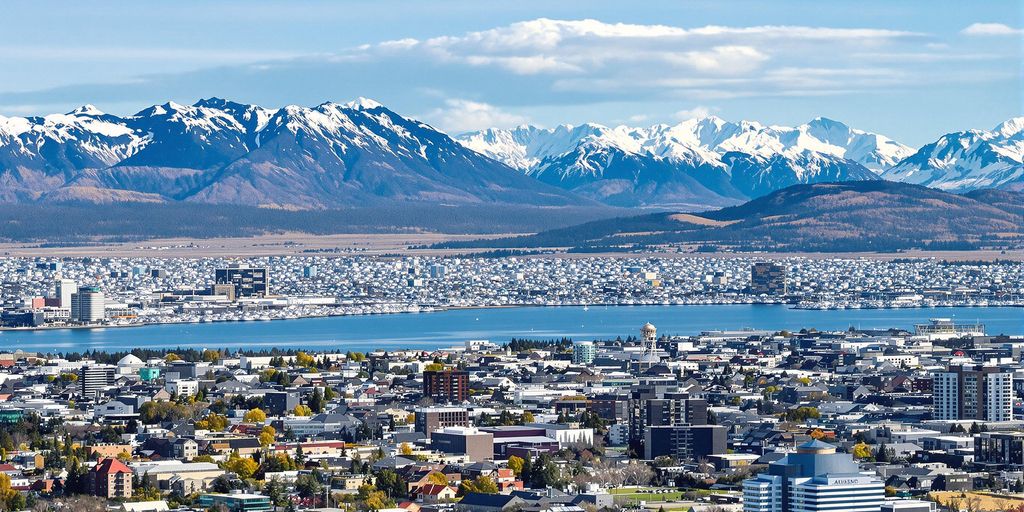
For accommodation providers, the summer light means ensuring guests have access to effective blackout curtains for a restful night’s sleep. Properties like the historic Hotel Captain Cook or modern options like Embassy Suites by Hilton Anchorage are well-equipped to help travelers manage their sleep cycles despite the bright nights. It’s also wise to check the operating hours of specific attractions and book tours in advance, as popular spots can still fill up quickly, even with extended hours.
Winter’s Long Nights: Embracing Aurora Borealis and Cozy Retreats
Conversely, winter in Anchorage brings significantly shorter days and long, dark nights. In December, daylight can shrink to just five or six hours, creating a dramatically different atmosphere. While this might sound daunting, it opens up a whole new realm of Alaskan experiences.
- Aurora Borealis Hunting: The extended darkness is perfect for chasing the mesmerizing Aurora Borealis, or Northern Lights. Far from city lights, sites like Eklutna Lake or just outside of town offer prime viewing opportunities. Guided tours often depart in the late evening, making the most of the long nights.
- Winter Sports: Skiing, snowboarding, and other snow activities thrive in winter. Alyeska Resort in nearby Girdwood offers world-class slopes, and the short daylight hours don’t hinder activities, as many resorts operate with floodlights. Dog mushing, inspired by the legendary Iditarod Trail Sled Dog Race, is another quintessential winter activity.
- Cozy Retreats: The long nights invite a different kind of travel experience – one of warmth, comfort, and local culture. Enjoy cozy evenings by a fireplace at a charming bed and breakfast, or indulge in fine dining at one of Anchorage’s acclaimed restaurants. The Lakefront Anchorage offers stunning views of floatplanes on Lake Hood and a warm retreat from the winter chill.
- Indoor Attractions: Museums, art galleries, and cultural centers become focal points during the shorter daylight. Plan your visits to the Anchorage Museum or attend local performances to embrace the indoor aspects of Alaskan life.
Winter travel requires careful planning, especially regarding limited daylight for sightseeing. Group activities and tours should be booked with daylight in mind, and you should always check weather conditions, as they can significantly impact travel plans.
Practical Planning for Your Anchorage Adventure
Beyond the grand strokes of time zones and daylight, practical considerations related to time will ensure your Anchorage visit is smooth and enjoyable, whether you’re traveling for leisure or business.
Accommodation and Booking Considerations
Your choice of hotels, resorts, or vacation rentals in Anchorage should align with your time-related needs.
- Check-in/Check-out Times: Always confirm these, especially if you have an early flight arrival or late departure. Many properties offer luggage storage, and some, like Embassy Suites by Hilton Anchorage, may offer early check-in or late check-out options, sometimes for a fee. If arriving very early, consider booking the night before to guarantee immediate room access.
- Amenities: Look for hotels that cater to time-adjusted travelers. 24-hour fitness centers, on-site dining with extended hours, or even shuttle services can be invaluable when your internal clock is still adjusting. The Lakefront Anchorage, for instance, offers convenience for travelers seeking lakeside charm.
- Location: Staying in Downtown Anchorage puts you close to many restaurants and attractions that maintain regular business hours, making it easier to integrate into local time.
Booking in advance is always recommended, especially during peak summer season or major events like the Iditarod Trail Sled Dog Race in March, when demand for accommodation can soar.
Dining, Shopping, and Cultural Experiences
Anchorage’s vibrant culinary scene, unique shops, and rich cultural offerings also operate on the city’s time.
- Restaurant Hours: While summer often brings extended evening hours, it’s wise to check opening and closing times, especially for fine dining establishments. Brunch is a popular weekend activity, offering a leisurely start to the day.
- Shopping: Retailers generally adhere to standard business hours, though some tourist-focused shops in Downtown Anchorage may have extended hours in summer.
- Tours and Activities: Most guided tours, whether to Denali National Park or for a glacier cruise, will have specific start times. Plan these in advance and allow ample travel time to meeting points. Remember that popular attractions like the Alaska Native Heritage Center might have seasonal operating hours that reflect the daylight variations.
Communication and Business Schedules
For business travelers or those needing to stay connected with home, understanding the time difference is paramount.
- Remote Work/Meetings: If you have remote work obligations, factor in the 4-hour difference with the East Coast or 1-hour difference with the Pacific Coast. Early morning meetings on the East Coast will mean very early mornings in Anchorage.
- Calling Home: Schedule calls with friends and family back home keeping their local time in mind, minimizing disruption to their day and yours.
- Banking and Services: Be aware of local bank hours and other service providers, as they will follow Anchorage time.
Ultimately, knowing “What time is it in Anchorage, Alaska?” is more than just checking a clock; it’s about unlocking a deeper understanding of this incredible destination. From adjusting to its unique time zone and navigating jet lag to embracing the dramatic shifts in daylight that define its seasons, every aspect of time plays a critical role in shaping your Alaskan adventure. By planning thoughtfully and embracing these temporal nuances, you’re not just visiting Anchorage; you’re immersing yourself in its rhythm, ready to experience the Last Frontier to the fullest. Whether under the glow of the midnight sun or the shimmering Aurora Borealis, your well-timed journey to Alaska promises unforgettable memories.
LifeOutOfTheBox is a participant in the Amazon Services LLC Associates Program, an affiliate advertising program designed to provide a means for sites to earn advertising fees by advertising and linking to Amazon.com. Amazon, the Amazon logo, AmazonSupply, and the AmazonSupply logo are trademarks of Amazon.com, Inc. or its affiliates. As an Amazon Associate we earn affiliate commissions from qualifying purchases.