
The Lone Star State, a land of vast landscapes, rich history, and vibrant culture, is also a place where the question of sports gambling legality often sparks heated debate. For many Texans, the thrill of a football game, the intensity of a basketball showdown, or the precision of a baseball match is amplified by the prospect of a wager. However, navigating the complex legal terrain of sports betting in Texas can be a confusing endeavor. This article delves into the current status of sports gambling in Texas, exploring the legislative landscape, potential avenues for engagement, and what the future might hold for this burgeoning industry within the state.
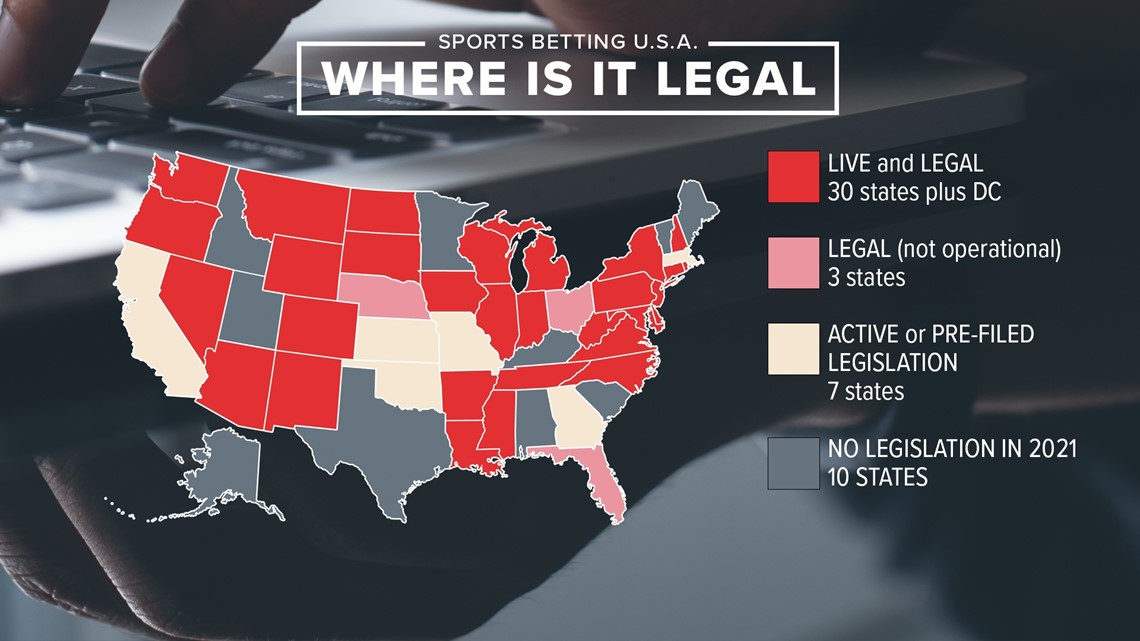
Texas, with its deep-seated traditions and a population that boasts an undeniable passion for athletics, presents a unique case study in the evolving attitudes towards gambling. While many neighboring states have embraced regulated sports betting, Texas has largely maintained a more conservative stance, influenced by a history of strict gambling regulations and a strong emphasis on preserving certain cultural values. Understanding this context is crucial to grasping the nuances of why sports gambling remains a contentious issue in the state.
The Current Legal Landscape: A Patchwork of Restrictions
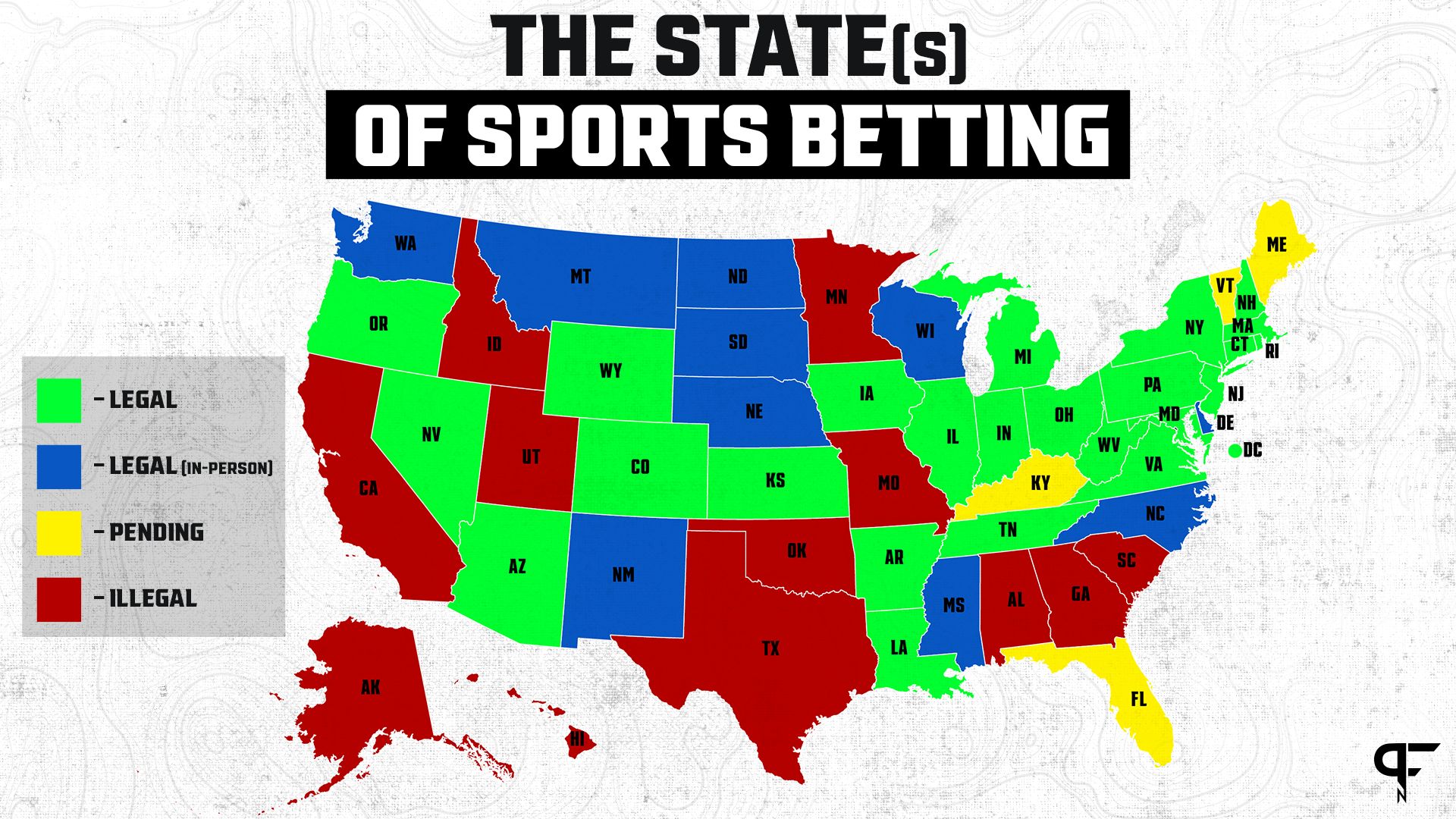
At present, traditional land-based sportsbooks, similar to those found in Nevada or New Jersey, are not legal in Texas. The state’s gambling laws are predominantly rooted in constitutional provisions and legislative decisions that have historically restricted most forms of commercial gambling. This means that walking into a casino or a dedicated sports betting venue in Texas to place a wager on your favorite team is, for the most part, out of the question.
However, the legal picture isn’t entirely black and white. Texas does permit certain forms of gambling, albeit with significant limitations. These include:
- The Texas Lottery: This state-run lottery offers a variety of scratch-off tickets and drawing games, providing a legal avenue for residents to engage in games of chance.
- Charitable Bingo and Raffles: Non-profit organizations are allowed to conduct bingo games and raffles to raise funds, often with specific regulations governing these activities.
- Horse and Greyhound Racing: Pari-mutuel wagering on horse and greyhound races is permitted at licensed facilities. This includes tracks like Sam Houston Race Park and Retama Park.
- Social Gambling: Private games among friends, where the house does not profit from the stakes, are generally not prosecuted. However, this is a gray area, and organizing such games for profit is illegal.
Crucially, none of these existing legal frameworks directly encompass or authorize online or in-person sports betting as commonly understood in other states. The focus has always been on specific, enumerated exceptions to a general prohibition.
Online and Offshore Betting: A Legal Gray Area
The rise of the internet has created a complex situation for sports gambling in Texas. Many Texans, seeking to engage in sports betting, turn to offshore online sportsbooks. These platforms are based outside the United States and are therefore not subject to Texas or federal gambling laws.
From a legal perspective, the situation is murky. While it is not illegal for Texans to bet on these offshore sites, it is also not legal for any entity to operate such a service within Texas. This distinction is important. The state has not enacted laws that criminalize the act of a patron placing a bet with an offshore operator. However, this also means that Texans are not afforded the same consumer protections as they would be with a licensed and regulated domestic sportsbook. Disputes, issues with payouts, or security breaches on these offshore platforms can be incredibly difficult, if not impossible, to resolve through legal channels within Texas.
This lack of regulation also means that there are no safeguards to prevent underage gambling, ensure fair play, or provide responsible gambling resources. For individuals in Austin, Dallas, Houston, or any other major Texas city, this offshore route presents a risk that many may not fully comprehend.
Efforts Towards Legalization: A Long and Winding Road
The desire to legalize sports gambling in Texas is not new. Over the years, various legislative efforts have been made to introduce sports betting, often citing potential tax revenue and economic benefits. However, these attempts have consistently faced significant hurdles.
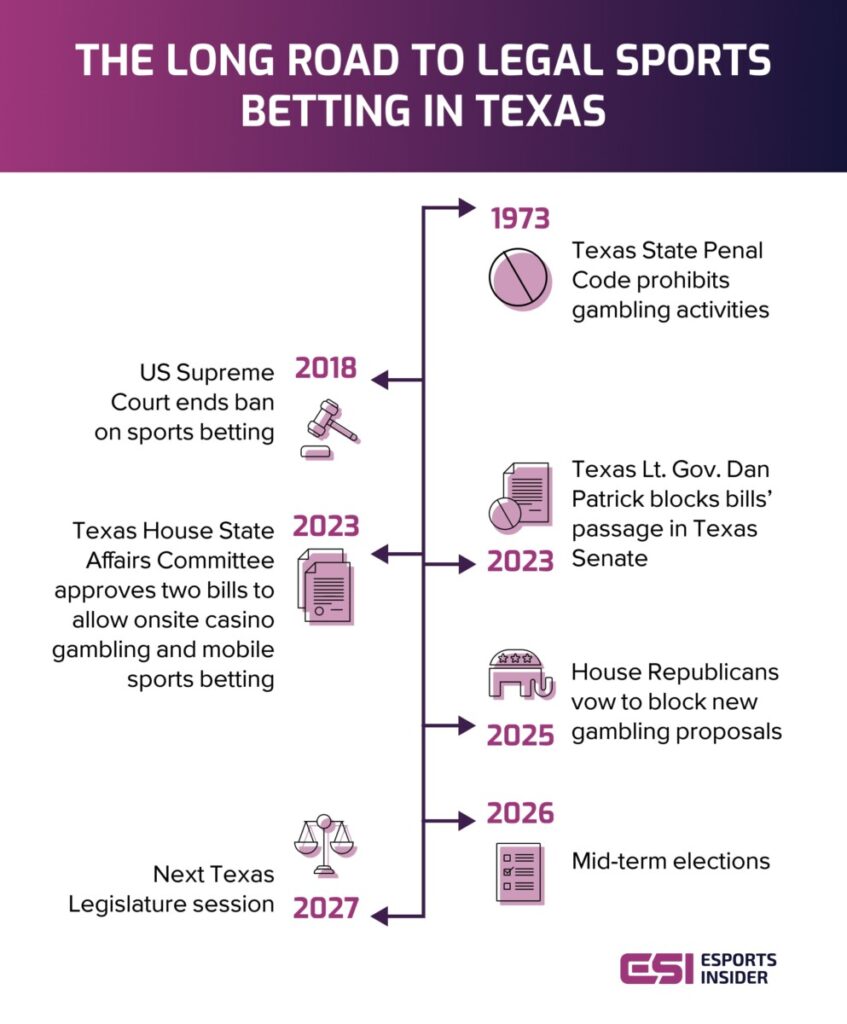
The Texas Constitution explicitly grants the legislature the power to authorize certain forms of gambling, but amending this requires a supermajority vote in both the House and Senate, followed by a public referendum. This is a high bar to clear. Furthermore, powerful political and religious groups have historically opposed the expansion of gambling in the state, citing concerns about societal costs, increased addiction, and the potential for corruption.
Key Legislative Battles and Proposed Bills
In recent legislative sessions, bills have been introduced that aimed to pave the way for sports betting. These proposals have often centered around:
- Tribal Gaming Compacts: Some efforts have focused on the possibility of expanding gaming rights for the state’s Native American tribes, such as the Alabama-Coushatta Tribe of Texas and the Kickapoo Traditional Tribe of Texas. Legalizing sports betting could potentially be part of broader tribal gaming compact negotiations.
- Constitutional Amendments: Other proposals have sought to initiate the process of amending the Texas Constitution to allow for sports wagering, either through licensed venues or online platforms.
- Partnerships with Professional Sports Teams: There has also been discussion about allowing professional sports franchises in Texas, such as the Dallas Cowboys, Houston Texans, San Antonio Spurs, or the Texas Rangers, to have a role in sports betting operations, potentially through partnerships with existing gaming operators.
Despite these concerted efforts, no legislation legalizing sports gambling has successfully passed the Texas Legislature to date. The deeply entrenched opposition and the complex constitutional requirements have proven to be formidable obstacles.
What Does the Future Hold for Sports Gambling in Texas?
The question of whether sports gambling will become legal in Texas remains an open one, with various factors influencing its potential future.
Potential Pathways to Legalization
Several scenarios could lead to the legalization of sports gambling in Texas:
- Shifting Public Opinion: As more neighboring states, including Louisiana and Oklahoma, experience the economic benefits of regulated sports betting, public and political opinion in Texas may gradually shift. Texans are increasingly exposed to sports betting through national media and advertising, which could influence their desire for a legal, regulated market.
- Economic Incentives: The potential for significant tax revenue is a powerful motivator. Lawmakers could be persuaded to act if presented with compelling economic data showcasing the benefits of a regulated market, including job creation and increased state revenue that could be funneled into public services like education or infrastructure.
- Compromise and Incremental Change: It is possible that legalization could occur in stages. For example, the state might first authorize sports betting at licensed horse racing tracks or through tribal casinos, with a gradual expansion to online platforms and potentially mobile betting apps in later phases.
- Successful Ballot Initiative: While challenging, a grassroots movement could attempt to gather enough signatures to place a constitutional amendment directly before voters, bypassing the legislative hurdle. This would require a massive mobilization of resources and public support.
Implications for Travelers and Tourists
For visitors to Texas, understanding the current legal status is essential. While they may be able to legally place bets in their home states or on offshore platforms, doing so within Texas requires careful consideration of the local laws. The absence of regulated sportsbooks means that opportunities for legal, in-person sports betting are nonexistent.
For those who enjoy combining their travel experiences with a bit of sports excitement, Texas currently offers limited options. While the state boasts numerous world-class hotels, resorts, and a vibrant tourism scene, the legal framework for sports gambling does not align with these broader lifestyle and accommodation offerings. A trip to San Antonio to visit the Alamo or explore the Riverwalk, or a journey to Galveston for a beachside resort experience, currently does not include the option of legally placing a sports bet at a local venue.
However, the landscape is dynamic. As legislative discussions continue and the appetite for regulated gambling grows, the situation could evolve. Travelers planning a future trip to Texas, perhaps to experience its rich cultural tapestry or explore its iconic landmarks, might find that the legal framework for sports gambling has shifted, offering new avenues for engagement in this popular pastime.
In conclusion, the answer to “Is Sports Gambling Legal In Texas?” is, for the most part, no. The state maintains a conservative approach to gambling, with significant restrictions in place. While certain forms of gambling are permitted, sports betting, particularly in its modern online and in-person sportsbook format, is not currently legal. However, the ongoing debate and legislative efforts suggest that this may not always be the case. As Texas continues to evolve, the possibility of a regulated sports gambling market remains a topic of keen interest and potential future development.
LifeOutOfTheBox is a participant in the Amazon Services LLC Associates Program, an affiliate advertising program designed to provide a means for sites to earn advertising fees by advertising and linking to Amazon.com. Amazon, the Amazon logo, AmazonSupply, and the AmazonSupply logo are trademarks of Amazon.com, Inc. or its affiliates. As an Amazon Associate we earn affiliate commissions from qualifying purchases.