
The vastness of Texas conjures images of open skies, ranches, and a certain rugged individualism. But when we talk about the stereotypical arid, sandy landscapes, does Texas truly fit the bill? The answer, like much of Texas itself, is complex and surprisingly diverse. While large portions of the state experience arid or semi-arid conditions, labeling the entire Lone Star State a desert would be an oversimplification.
Understanding Texas’s Diverse Climates and Landscapes
To truly answer whether Texas is a desert, we must first understand its varied geography and climate zones. Texas is a state of immense scale, stretching over 268,000 square miles, making it the second-largest state in the United States by both area and population. This sheer size means it encompasses a remarkable range of natural environments, from the subtropical coastlines to the high plains and the rugged mountains.
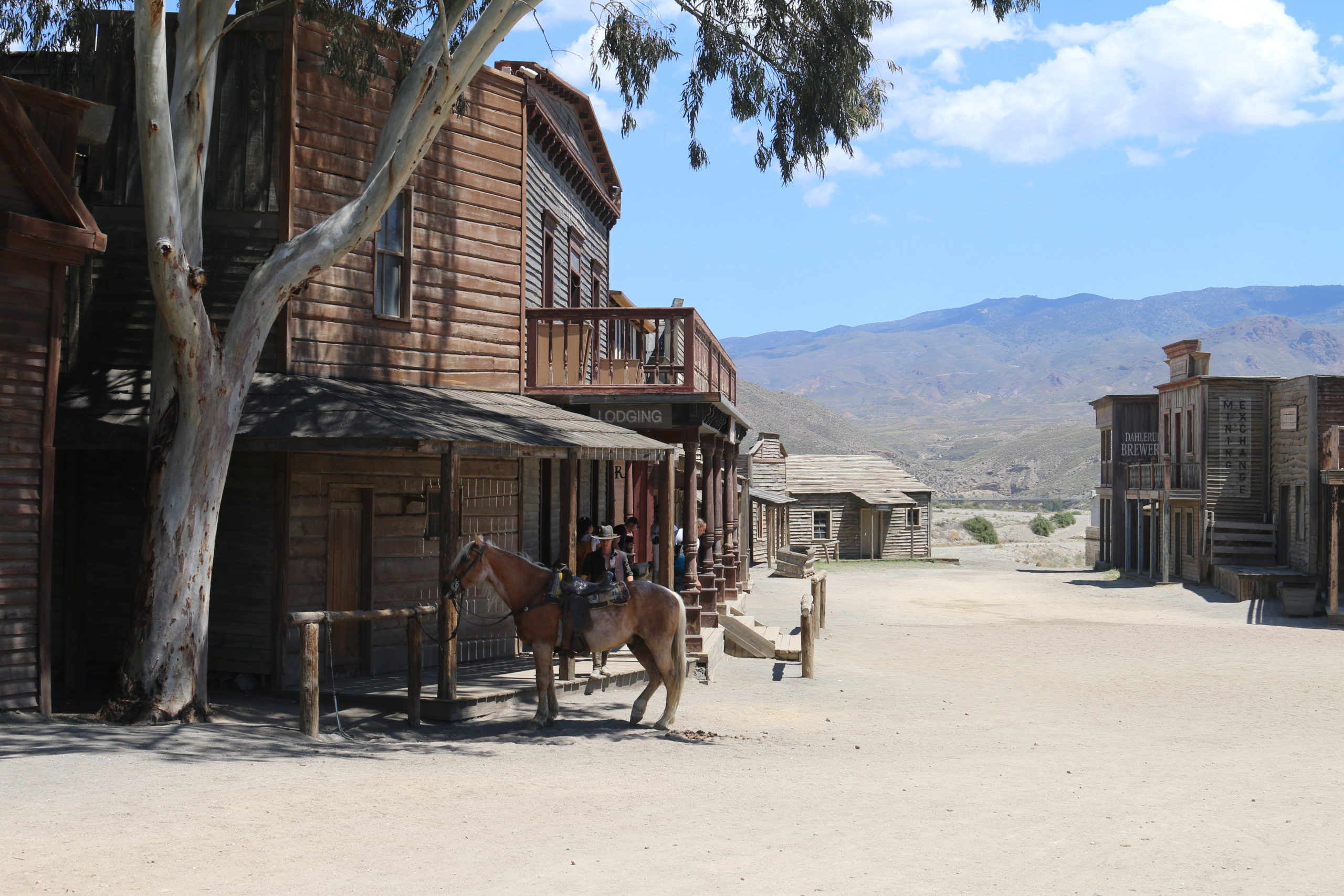
The Desert and Semi-Arid Regions: The Foundation of the Myth
The perception of Texas as a desert likely stems from its western and southwestern regions. Here, the climate is characterized by low rainfall, high temperatures, and sparse vegetation. These are the areas that most closely align with common desert definitions.
The Chihuahuan Desert: A True Desert Landscape
A significant portion of West Texas falls within the Chihuahuan Desert, the largest desert in North America. This ecoregion, shared with Mexico, is known for its dramatic mountain ranges, broad valleys, and unique flora and fauna adapted to extreme conditions. Cities like El Paso are situated within this desert environment. Traveling through this region, you’ll encounter iconic desert sights:
- Vast, arid plains: Often covered in hardy grasses and shrubs.
- Iconic cacti: Including the towering Saguaro cactus (though more prevalent in Arizona, similar species exist), prickly pear, and cholla.
- Dramatic mountain ranges: Such as the Guadalupe Mountains, home to Guadalupe Mountains National Park, which boasts the highest point in Texas, Guadalupe Peak.
- Arid scrubland: Characterized by mesquite trees, creosote bushes, and ocotillo.
The Chihuahuan Desert is not barren; it teems with life uniquely suited to its harsh environment. Many travelers are drawn to this region for its raw beauty and opportunities for hiking, stargazing, and exploring its unique geological formations. The experience here is undeniably desert-like, offering a glimpse into a resilient ecosystem.
The Edwards Plateau and Trans-Pecos: Semi-Arid Transition Zones
Moving eastward from the Chihuahuan Desert, Texas transitions into semi-arid and arid steppe climates. The Edwards Plateau and the Trans-Pecos region, while not as strictly desert as the Chihuahuan Desert, experience very low annual rainfall and high evaporation rates.
- The Edwards Plateau: This region is characterized by rolling hills, limestone geology, and a semiarid climate. While it supports more diverse vegetation than true desert, including live oaks and Ashe junipers, it is still susceptible to drought and exhibits many characteristics of dry landscapes. The famous Texas Hill Country, while often associated with rolling green hills, also has drier periods and areas that can feel quite arid.
- The Trans-Pecos: This mountainous and desert region west of the Pecos River encompasses a variety of landscapes, including desert basins, foothills, and mountain ranges. It is here that the transition from true desert to more arid grassland occurs, with landscapes that are visually stunning and offer a sense of remoteness.
These regions showcase a Texas that is undeniably dry for much of the year, requiring careful water management and influencing the types of activities available, from exploring ghost towns to enjoying scenic drives through stark, beautiful vistas.
Beyond the Dry: Texas’s Wetter and Greener Sides
The popular image of Texas as solely a desert state fails to account for the significant portions of the state that receive considerably more rainfall and boast lush, varied ecosystems. As you travel eastward, the landscape transforms dramatically.
East Texas: Forests and Humidity

The easternmost part of Texas is a stark contrast to the western deserts. This region is characterized by a humid subtropical climate, receiving abundant rainfall throughout the year.
- Piney Woods: This area is dominated by dense forests of pine and hardwood trees, resembling the landscapes of the Southeastern United States. It is a stark departure from arid plains and is perfect for outdoor activities like hiking and camping in shaded forests. The Big Thicket National Preserve is a prime example of this lush biodiversity.
- Caddo Lake State Park: This unique park features cypress trees draped in Spanish moss, creating a mystical bayou-like atmosphere. The high humidity and plentiful water are the polar opposite of a desert environment.
This part of Texas is a haven for those seeking verdant landscapes, water-based recreation, and a more humid, temperate climate. It highlights how diverse the state’s natural environment truly is.
Central Texas: The Transition Zone
Central Texas, including the populous areas around Austin and San Antonio, exists in a transitional climate zone. While it experiences dry spells and can feel arid, particularly in the summer months, it generally receives more rainfall than West Texas.
- The Hill Country: As mentioned earlier, the Texas Hill Country is a popular destination for its scenic beauty, wineries, and outdoor recreation. While parts of it can be dry, it also supports a more diverse range of vegetation than true desert, including wildflowers in the spring. The Colorado River and Guadalupe River offer opportunities for water sports, further underscoring the varied climate.
- The Post Oak Savannah: This region to the east of the Hill Country is characterized by grasslands interspersed with post oak trees, indicative of a more mesic (moist) environment than the western parts of the state.
This central region offers a blend of drier landscapes and more mesic environments, making it a popular choice for travel and tourism, offering a taste of both the drier West and the wetter East.
Experiencing Texas: From Desert Adventures to Coastal Escapes
The diversity of Texas‘s climate and landscape directly influences the types of travel experiences available. Whether you’re drawn to the stark beauty of the desert or the lushness of the forests, Texas offers something for every traveler.
Desert Travel and Outdoor Adventures in West Texas
For those seeking an authentic desert experience, West Texas is unparalleled.
- National and State Parks: Big Bend National Park, a jewel of the American Southwest, offers breathtaking desert vistas, rugged mountains, and opportunities for hiking, camping, and exploring the Rio Grande. Guadalupe Mountains National Park provides access to arid landscapes and the state’s highest peaks.
- Stargazing: The clear, dark skies of West Texas make it an internationally renowned destination for stargazing. Areas like Marfa have become famous for their minimalist art installations and the allure of the desert night sky.
- Unique Attractions: The Big Bend Ranch State Park offers a more primitive and remote desert adventure. The quirky town of Marfa attracts artists and travelers seeking a unique desert lifestyle.
Accommodations in these areas range from rustic campgrounds and remote cabins to boutique hotels and unique glamping experiences, catering to a variety of travel styles.

Exploring the Green and Coastal Regions
As you move away from the desert, the travel opportunities shift.
- East Texas Forests: Explore the dense forests and waterways of East Texas. Camping, hiking, fishing, and canoeing in places like the Big Thicket National Preserve or Caddo Lake State Park offer a refreshing, humid escape.
- Central Texas Lakes and Rivers: Central Texas is dotted with lakes and rivers, providing opportunities for boating, swimming, and fishing. The Texas Hill Country is a popular destination for wine tasting and exploring charming small towns.
- Gulf Coast: Texas also boasts a significant coastline along the Gulf of Mexico, with destinations like Galveston and South Padre Island offering beach resorts, water sports, and a completely different coastal lifestyle. These areas are decidedly not desert environments, with high humidity and proximity to the ocean.
When planning your Texas adventure, understanding the diverse climates is key. The state offers the dramatic, stark beauty of its desert regions and the lush, vibrant landscapes of its eastern and coastal areas. So, is Texas a desert? In part, yes. But it is also so much more, a state of remarkable geographical diversity that promises unforgettable travel experiences across its vast and varied expanse.
LifeOutOfTheBox is a participant in the Amazon Services LLC Associates Program, an affiliate advertising program designed to provide a means for sites to earn advertising fees by advertising and linking to Amazon.com. Amazon, the Amazon logo, AmazonSupply, and the AmazonSupply logo are trademarks of Amazon.com, Inc. or its affiliates. As an Amazon Associate we earn affiliate commissions from qualifying purchases.