
The Lone Star State, known for its vast landscapes, vibrant cities, and iconic Western culture, is currently buzzing with a question that could significantly impact its residents and visitors alike: Will Texas do away with vehicle inspections in 2025? This potential shift in the state’s automotive regulations has sparked considerable discussion, particularly among those who frequently travel across the sprawling Texan terrain for work, leisure, or to explore its diverse attractions.
For decades, the mandatory Texas vehicle inspection program has been a staple for car owners, ensuring that vehicles on the road meet certain safety and emissions standards. This program has been a familiar part of the annual renewal process for vehicle registrations, often bundled with the associated fees. However, recent legislative actions and ongoing debates suggest that this long-standing requirement might be on the chopping block, with a potential end date looming in the near future. Understanding the implications of such a change is crucial for anyone planning a trip to Texas or considering a move to the state, especially as it pertains to their travel plans and the general ease of navigating its highways and byways.

The core of this evolving conversation lies in House Bill 3237, a piece of legislation that has generated significant attention and anticipation. This bill, if it fully materializes into law and is implemented as intended, could mark a substantial departure from current practices. The proposed changes aim to streamline the process of vehicle ownership and operation, potentially freeing up resources and reducing burdens on both individuals and the state government. However, the devil, as always, is in the details, and the full scope of the impact is still being analyzed and debated.
Understanding the Proposed Changes and Their Impact
The prospect of eliminating mandatory vehicle inspections in Texas by 2025 is a complex issue with various facets to consider. At its heart, the proposed change stems from a desire to modernize regulations and reduce what some perceive as an unnecessary expense and inconvenience for vehicle owners. Proponents of the change argue that the inspection process, while intended for safety, has become an outdated bureaucratic hurdle. They suggest that advancements in vehicle technology and self-maintenance awareness among drivers have diminished the need for state-mandated checks.
The financial aspect is also a significant driver. The current inspection fee, typically around $30-$40, is paid annually and is a direct cost to vehicle owners. Eliminating this fee would represent a tangible saving for millions of Texans. Furthermore, the administrative overhead associated with managing the inspection program, including licensing inspection stations and overseeing compliance, would also be reduced, potentially leading to savings for the state itself. These saved funds could then theoretically be reallocated to other areas, perhaps even to infrastructure improvements that would benefit travelers and locals alike, making drives to places like the Alamo or the San Antonio River Walk even more pleasant.
What Does This Mean for Drivers?
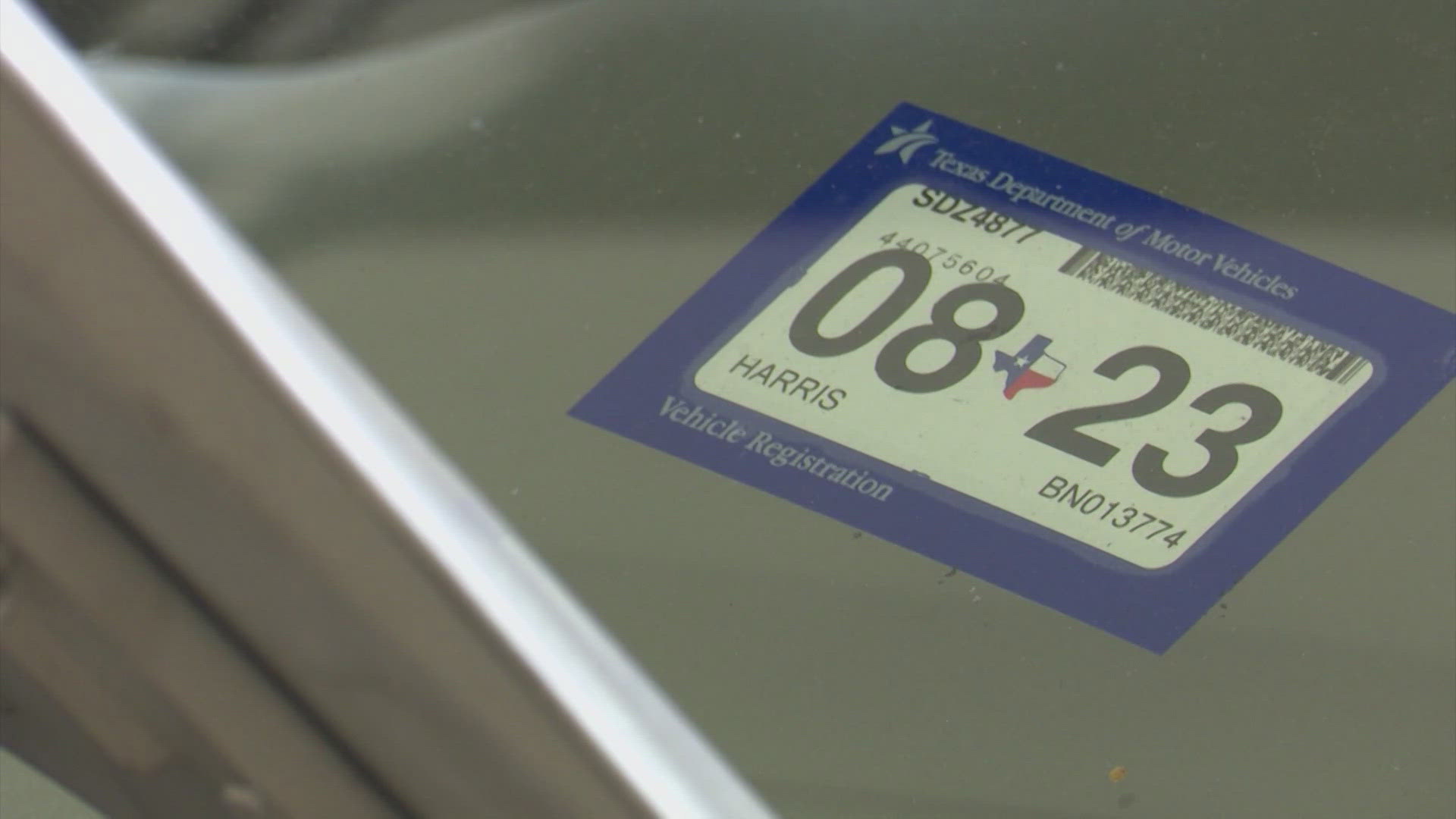
For the average Texan driver, the elimination of mandatory inspections could translate into a simpler annual routine. The current system requires drivers to visit an authorized inspection station, pass a safety inspection, and often, depending on the county, an emissions test. Once passed, they receive a sticker to display on their windshield, signifying compliance. This sticker is then checked by law enforcement during traffic stops, and proof of inspection is required to renew vehicle registration.
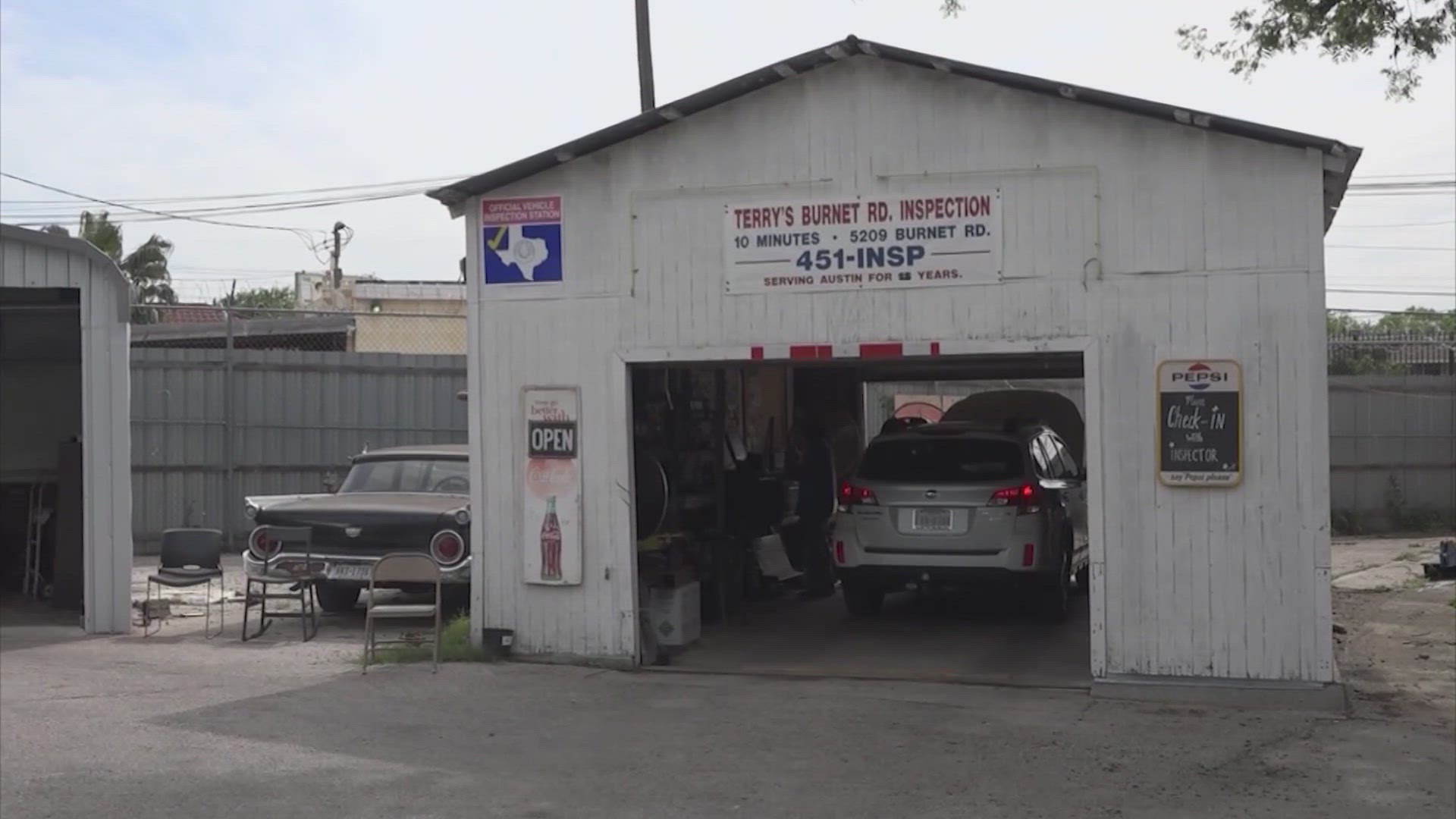
If the proposed changes come to fruition, this annual ritual would be significantly altered. Drivers would no longer need to schedule and pay for these inspections. The requirement to have an inspection sticker would likely be removed. This could lead to a more streamlined process for renewing vehicle registrations. However, it’s crucial to understand what responsibilities would remain. While the state-mandated inspection might be gone, the responsibility for ensuring a vehicle’s roadworthiness would fall squarely on the owner. This means drivers would still be legally obligated to maintain their vehicles in safe operating condition. Issues like faulty brakes, worn tires, or malfunctioning lights would still be subject to enforcement by law enforcement. The difference would be that the proactive, state-enforced check would no longer be in place.
This shift places a greater emphasis on individual responsibility. Drivers would need to be more diligent in performing their own checks or seeking independent mechanic advice to ensure their vehicles are safe. For those who already conscientiously maintain their cars, the change might be negligible in terms of their daily driving habits. However, for individuals who relied on the inspection as a prompt to address minor issues, there might be a period of adjustment. The potential for increased wear and tear on roads, or a rise in traffic incidents due to poorly maintained vehicles, are concerns that have been raised by opponents of the bill.
The Impact on Tourism and Travel
The ripple effects of this potential legislative change extend beyond the daily commutes of Texan residents. For the thriving tourism industry in Texas, the implications, while perhaps not dramatic, are worth considering. Tourists, particularly those traveling from states that do not have mandatory inspections, might find the process of driving into Texas slightly simpler, with one less regulatory hurdle to navigate. This could contribute to an even more seamless experience for visitors exploring destinations like Galveston Island or the historic streets of Austin.
However, the core appeal of Texas as a travel destination remains largely unaffected by this particular regulation. The allure of its diverse landscapes, from the piney woods of East Texas to the arid beauty of West Texas, its rich history, exemplified by sites like the San Jacinto Monument, and its vibrant cultural offerings, including world-class dining in cities like Houston and unique experiences in places like Marfa, are the primary draws for visitors. The ease of travel within the state is already considerable, with extensive highway networks connecting major cities and attractions.
The potential concern for the tourism sector might lie in the indirect consequences of increased numbers of poorly maintained vehicles on the road. While individual instances might be rare, a general decline in vehicle safety standards could, in theory, lead to a slight increase in road incidents. This is a hypothetical concern, and the actual impact would depend heavily on how diligently vehicle owners continue to maintain their cars. For hotels and resorts, from luxury stays at the JW Marriott San Antonio Hill Country Resort & Spa to budget-friendly apartments, the primary focus will always be on providing excellent guest experiences, which is unlikely to be directly impacted by this change. Nevertheless, any factor that affects the overall safety and smooth flow of travel within the state is always of interest to stakeholders in the tourism ecosystem.
The Road Ahead: What to Expect
As 2025 approaches, the full implementation of any changes regarding vehicle inspections in Texas will be a closely watched development. The legislative process can be dynamic, with bills undergoing amendments and various stages of approval. Even if House Bill 3237 is passed and signed into law, the effective date for the elimination of inspections might be staggered or subject to further regulatory guidelines.
It is prudent for Texan residents and frequent visitors to stay informed about official announcements from the Texas Department of Motor Vehicles (TxDMV) or other relevant state agencies. These official sources will provide the most accurate and up-to-date information regarding any changes to inspection requirements. For travelers planning their trips, whether it’s a road trip through the Hill Country or a visit to a historic landmark like the Texas State Capitol in Austin, the current inspection rules will remain in effect until any new legislation is officially enacted and implemented.
In conclusion, the question of whether Texas is doing away with vehicle inspections in 2025 is a pertinent one, with significant legislative momentum suggesting that a change is indeed on the horizon. While the exact details and timelines are still being finalized, the potential shift promises to alter the annual routine for vehicle owners and could have subtle implications for the state’s robust tourism sector. The emphasis will undoubtedly move towards greater personal responsibility for vehicle maintenance, ensuring that the roads of the Lone Star State remain safe for all who travel them, whether they are locals enjoying a weekend getaway or tourists exploring the vast beauty of Texas.
LifeOutOfTheBox is a participant in the Amazon Services LLC Associates Program, an affiliate advertising program designed to provide a means for sites to earn advertising fees by advertising and linking to Amazon.com. Amazon, the Amazon logo, AmazonSupply, and the AmazonSupply logo are trademarks of Amazon.com, Inc. or its affiliates. As an Amazon Associate we earn affiliate commissions from qualifying purchases.