
The Lone Star State. A land of sprawling ranches, iconic cities, and a spirit as vast as its horizons. But when it comes to geography, culture, and indeed, identity, is Texas truly part of the American South? This is a question that sparks debate, ignites passionate discussions, and, for many Texans, is a matter of deep pride. The answer, as with many things Texas, is complex and multifaceted, drawing on history, regional nuances, and a distinct sense of self.
From the perspective of historical and cultural definitions, Texas has strong ties to the South. Its settlement patterns, particularly in the eastern parts, were heavily influenced by migration from Southern states like Alabama, Mississippi, Georgia, and the Carolinas. This brought with it a shared heritage of agriculture, particularly cotton cultivation, and a distinct social and political landscape. The legacy of the Confederacy, while a painful and contentious chapter, also links Texas to the broader narrative of the South. Many towns and cities bear names and historical markers that reflect this era, contributing to a perception of shared Southern identity.
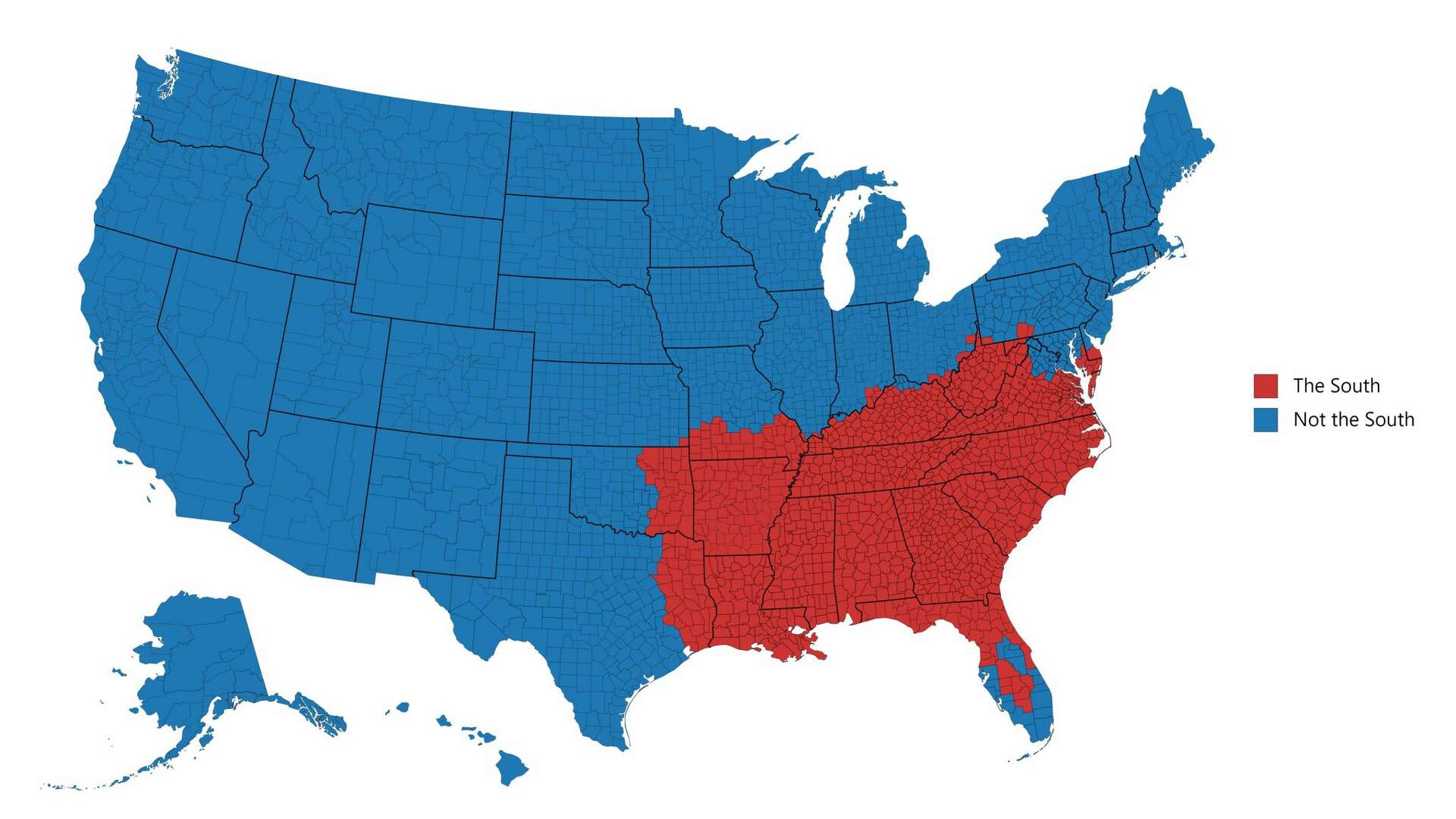
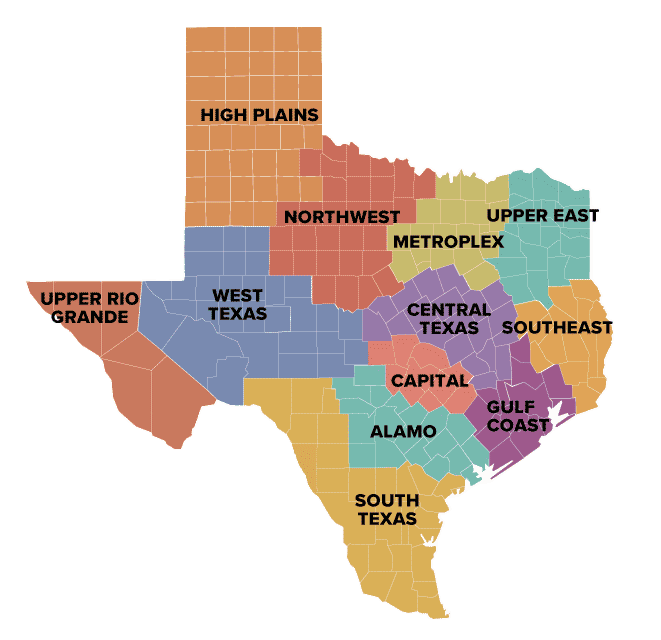
However, Texas also possesses a unique character that sets it apart. Its massive size, spanning multiple climatic zones and ecological regions, allows for a diversity not always found in other Southern states. From the piney woods of East Texas to the arid deserts of West Texas, and the coastal plains along the Gulf of Mexico, the state offers a varied tapestry of landscapes. This geographical diversity has, in turn, fostered a variety of subcultures and regional identities within Texas itself, making a monolithic classification difficult.
Furthermore, Texas‘s history is not solely defined by its Southern connections. Its period as a Spanish colony, its time as an independent republic, and its subsequent incorporation into the United States have all left indelible marks. The influence of Mexico is particularly strong, evident in the cuisine, language, architecture, and traditions found throughout South Texas and beyond. This blend of influences creates a cultural fusion that is distinctly Texan, a vibrant mix that doesn’t always fit neatly into the traditional Southern mold.
Geographical Divides and Cultural Echoes
The question of Texas‘s Southern identity often hinges on where one draws the geographical lines and what cultural markers are prioritized. The U.S. Census Bureau, for instance, traditionally groups Texas within the South region, alongside states like Oklahoma, Arkansas, Louisiana, Mississippi, Alabama, Florida, Georgia, South Carolina, North Carolina, Virginia, and West Virginia. This classification is based on a combination of historical settlement patterns, economic ties, and shared cultural attributes.
East Texas: The Heart of Southern Tradition
In East Texas, the connection to the South is arguably strongest. Towns and cities like Shreveport (across the border in Louisiana), Tyler, and Nacogdoches share many cultural similarities with their Deep South counterparts. The landscape, characterized by rolling hills, dense forests, and fertile soil, is conducive to agriculture and evokes images of the traditional Southern plantation system, though the reality in Texas often involved smaller farms and a less entrenched aristocracy compared to states like Mississippi or South Carolina.
The culinary traditions in East Texas often feature the hallmarks of Southern cooking: barbecue, fried chicken, cornbread, and pecan pie. The rhythms of life, the social customs, and even the accents in this part of the state can feel undeniably Southern. For travelers seeking an authentic Southern experience, exploring the historic towns and scenic byways of East Texas can offer just that. The hospitality, the slow pace of life, and the appreciation for tradition are all resonant with the broader Southern ethos.
Central Texas: A Crossroads of Cultures
Moving westward, Central Texas presents a more complex picture. Cities like Austin, San Antonio, and Dallas are dynamic hubs of innovation, arts, and a diverse population. While Dallas and Fort Worth may exhibit some Southern influences, particularly in their barbecue culture and a certain laid-back charm, Austin stands out with its unique “Keep Austin Weird” mantra, embracing a liberal and progressive identity that is often at odds with traditional Southern conservatism.
San Antonio, with its rich Spanish colonial heritage and vibrant Mexican-American culture, offers a palpable sense of its distinct Texan identity. The Alamo, the Riverwalk, and the annual Fiesta San Antonio are testaments to a history intertwined with Mexico and Spain, a narrative that diverges from the predominantly Anglo-Saxon Southern story. The food scene in Central Texas, while boasting excellent barbecue, also showcases a thriving Tex-Mex and international culinary landscape, reflecting the state’s growing diversity.
West Texas: Frontier Spirit and Desert Landscapes

Further west, the notion of Texas as part of the South begins to significantly blur. West Texas, with its vast open spaces, rugged desert terrain, and a frontier spirit, feels more akin to the American West. Cities like El Paso, situated on the border with Mexico, are intrinsically Mexican in their culture, language, and daily life. The history of this region is deeply rooted in the Spanish and Mexican experience, as well as the era of cattle drives and westward expansion.
The lifestyle in West Texas is characterized by independence, resilience, and a profound connection to the land. The iconic landscapes, from the Guadalupe Mountains National Park to the stark beauty of the Big Bend region, offer a different kind of grandeur than the verdant fields of the South. While there might be echoes of Southern politeness in some interactions, the dominant cultural currents here are more aligned with the independent spirit of the American frontier.
Coastal Texas: A Melting Pot of Influences
Along the Gulf Coast, Texas again presents a unique blend. Cities like Houston, the nation’s fourth-largest city, are true melting pots, drawing people from all over the world. While Houston has Southern influences in its food and a certain Southern charm, its immense diversity and global outlook set it apart. The port city’s economic ties and demographic makeup reflect a broader international influence than a strictly Southern one.
Galveston, with its historic architecture and island charm, carries echoes of its past as a major port city with Southern roots. However, the coastal environment and the constant influx of visitors and new residents contribute to a dynamic, ever-evolving cultural landscape. The seafood traditions and the laid-back beach lifestyle offer a unique Texan coastal experience that may not perfectly align with the traditional Southern coastal imagery.
Beyond Geography: Culture, Politics, and Identity
The debate over Texas‘s Southern identity extends beyond mere geographical markers to encompass cultural attitudes, political leanings, and an overarching sense of self. Historically, Texas has often been characterized by a conservative political ideology, a trait it shares with many Southern states. However, the nature of this conservatism can be distinctly Texan, often emphasizing individual liberty, limited government, and a rugged self-reliance that harks back to its frontier past.
The presence of a strong independent streak, a deep-seated pride in being Texan above all else, is perhaps the most defining characteristic of the state’s identity. Many Texans would readily identify as “Texan” before they would identify as “Southerner.” This is not necessarily a rejection of Southern heritage but rather an assertion of a unique and powerful regional identity that has been shaped by a confluence of historical events and cultural influences.
The emphasis on Texan exceptionalism, the belief that Texas is somehow different and better than other states, is a powerful force in shaping the state’s identity. This pride is fueled by its history, its economic successes, and its sheer scale. Whether it’s the legend of the Alamo, the boomtown spirit of Houston, or the vibrant music scene of Austin, there are countless touchstones that foster a strong sense of Texan pride.
The Texan Identity: A Hybrid Culture
Ultimately, Texas is a state that defies easy categorization. It is a place where Southern traditions mingle with Mexican heritage, where frontier ruggedness meets urban sophistication, and where a fierce sense of independence coexists with a growing appreciation for diversity. While East Texas may bear the strongest resemblance to the traditional South, the state as a whole represents a unique cultural hybrid.
For travelers, understanding this complexity enriches the experience. A trip to Texas offers the opportunity to explore the nuances of Southern hospitality in places like Tyler, delve into the rich Mexican-American culture of San Antonio, or experience the independent spirit of Austin. The diverse culinary scene, from the world-class barbecue of Central Texas to the authentic Tex-Mex of the border regions, provides a delicious journey through the state’s multifaceted identity.
The accommodations in Texas also reflect this diversity. You can find charming historic inns reminiscent of the South, modern luxury hotels in bustling metropolises like Dallas, or unique boutique stays in vibrant cultural hubs. Whether you’re seeking a sprawling resort experience, a cozy bed and breakfast, or a long-term apartment in a dynamic city, Texas offers a vast array of options to suit every traveler’s needs and desires.
In conclusion, while Texas shares undeniable historical and cultural threads with the American South, it has evolved into something distinct and extraordinary. It is a state that embraces its own narrative, a grand tapestry woven from numerous influences, creating a culture and an identity that is, in every sense, uniquely Texan. So, is Texas part of the South? The answer is as vast and varied as the state itself – a little bit of yes, a whole lot of no, and an undeniable abundance of Texan spirit.
LifeOutOfTheBox is a participant in the Amazon Services LLC Associates Program, an affiliate advertising program designed to provide a means for sites to earn advertising fees by advertising and linking to Amazon.com. Amazon, the Amazon logo, AmazonSupply, and the AmazonSupply logo are trademarks of Amazon.com, Inc. or its affiliates. As an Amazon Associate we earn affiliate commissions from qualifying purchases.