
The question itself might seem straightforward, a simple geographical query. Yet, when it comes to the vast and diverse state of Texas, the answer is far more nuanced than a simple “yes” or “no.” Situated in the south-central region of the United States, Texas occupies a unique position, bridging the gulf between the Midwest, the Southwest, and the Deep South. Its sprawling landscape, rich history, and distinct cultural tapestry all contribute to this complex identity. This article delves into the multifaceted answer to “Is Texas South?”, exploring its geographical context, cultural influences, and the very essence of what defines Southern identity, all through the lens of travel, tourism, and lifestyle.
Geographical Considerations: Where Does Texas Truly Lie?
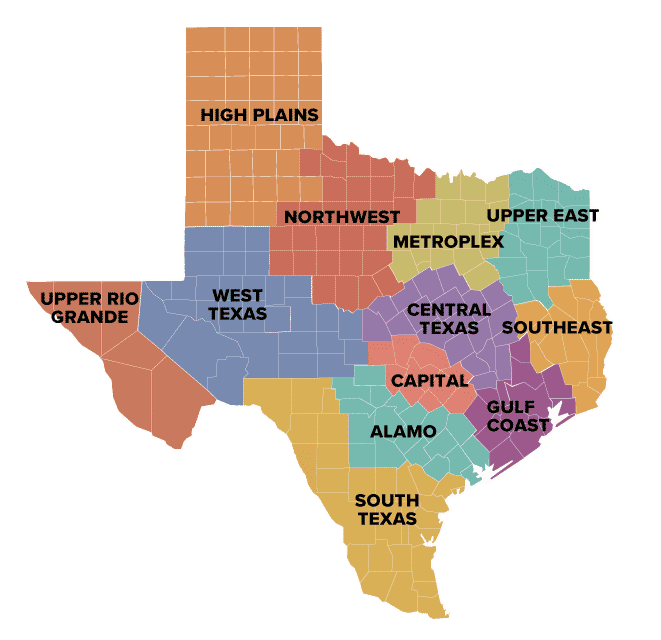
Geographically, Texas is a behemoth, the second-largest state in the United States by both area and population. Its sheer size means it encompasses a variety of climates and terrains, from the piney woods of East Texas to the arid deserts of West Texas, and the coastal plains along the Gulf of Mexico. This diversity naturally leads to differing perceptions of its regional identity.
The Lonestar State’s Neighbors and Borders
To understand Texas‘s geographical placement, it’s essential to consider its neighbors. To the north lie Oklahoma and Arkansas, states often considered part of the South or Midwest. To the east, Louisiana is undeniably part of the Deep South, with a rich Creole and Cajun heritage. To the west, New Mexico is firmly in the Southwest, influenced by Native American and Hispanic cultures. To the south, Texas shares a long border with Mexico, a significant factor shaping its culture and economy.
The positioning between these distinct regions creates a unique blend. While East Texas shares many cultural and historical similarities with Mississippi and Alabama, the western and southern parts of the state are more aligned with Arizona and New Mexico. The vastness of Texas means that a traveler driving from the Louisiana border to the New Mexico border will experience a dramatic shift in landscape, architecture, and even the spoken accents.
Cultural Tides: Southern Influences and Texan Identity
The definition of “South” is not solely a matter of latitude; it’s deeply intertwined with culture, history, and societal norms. When we ask if Texas is South, we are inherently questioning its adherence to traditional Southern archetypes.
Southern Hospitality and Culinary Traditions
One of the most commonly cited characteristics of the American South is “Southern hospitality”—a warmth and graciousness extended to visitors. This trait is certainly present in Texas. From the charming bed and breakfasts in Fredericksburg to the sprawling resorts near San Antonio, Texans are often known for their welcoming demeanor. However, this hospitality is often seasoned with a distinct Texan flavor, a blend of frontier spirit and a pride in their independent identity.
Culinary traditions also play a significant role in defining Southern culture. While Texas shares some beloved Southern staples like fried chicken and barbecue, it has also developed its own iconic dishes. Tex-Mex cuisine, a fusion of Mexican and Texan flavors, is a prime example. Dishes like breakfast tacos, chili con carne, and fajitas are deeply ingrained in the Texan food scene and are distinct from, though related to, traditional Southern fare. However, the smoky, slow-cooked barbecue found throughout Texas, particularly in cities like Austin and Lockhart, is undeniably rooted in Southern barbecue traditions.
Historical Echoes and Societal Norms
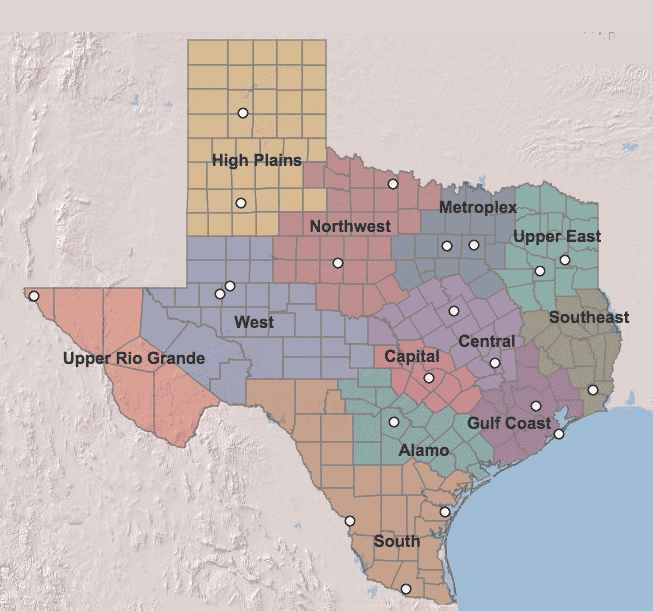
Historically, Texas has a complex relationship with the “South.” It was a republic before joining the United States and experienced the Civil War as part of the Confederacy. This shared history with the Confederate states has led to a perception of Texas as Southern by some. However, its frontier history, its deep connection to Mexico, and its more recent status as a hub for oil and technology have also forged a unique identity that doesn’t always fit neatly into a purely Southern mold.
While certain societal norms might align with broader Southern trends, Texas also exhibits a strong sense of individualism and a pragmatic approach to life that can feel more Western or Southwestern. The emphasis on self-reliance and a less rigid social hierarchy in some parts of the state distinguish it from the more entrenched traditions found in the Deep South.
Exploring the Texan South: Destinations and Experiences
When planning a trip to Texas, understanding its regional nuances is key to experiencing its full potential. Whether you’re seeking luxury resorts, charming accommodations, or authentic local experiences, Texas offers a diverse range of options that hint at its Southern connections while celebrating its unique character.
East Texas: The Heart of Southern Charm
For those who believe Texas is South, a journey through East Texas offers the most compelling evidence. This region, characterized by rolling hills, dense pine forests, and a humid climate, shares a distinct cultural heritage with its neighboring Southern states.
- Cities like Jefferson offer a glimpse into a bygone era, with antebellum architecture and a rich history of steamboats and cotton plantations. Staying in a historic inn like the Excelsior House Hotel can transport you back in time, offering an experience steeped in Southern ambiance.
- Tyler, known for its rose gardens and Southern hospitality, hosts the annual Texas Rose Festival, a classic display of community celebration often found in Southern towns.
- The cuisine in East Texas often leans towards traditional Southern comfort food, with an abundance of soul food restaurants and down-home cooking.
Central Texas: A Crossroads of Cultures
Central Texas, particularly the corridor between Austin, San Antonio, and Houston, presents a more complex picture. This region is a melting pot of influences, where Southern traditions blend with Tex-Mex and a growing cosmopolitan flair.
- Austin, the state capital, is renowned for its vibrant live music scene and progressive culture, often described as the “Live Music Capital of the World.” While it boasts a lively atmosphere, it also offers charming boutique hotels and vacation rentals, embodying a modern take on hospitality.
- San Antonio is a jewel of Texan history and culture, deeply influenced by its Spanish colonial past. Exploring the historic Alamo and the San Antonio River Walk offers a unique blend of history and vibrant nightlife. Its culinary scene is a testament to the Tex-Mex influence, with numerous restaurants offering authentic dishes.
- Houston, the most populous city in Texas, is a global hub for energy and space exploration, showcasing a more diverse and international lifestyle. Here, you can find luxury hotels, diverse dining options, and cultural attractions that reflect its status as a major metropolitan area.
South Texas: Border Culture and Coastal Breezes
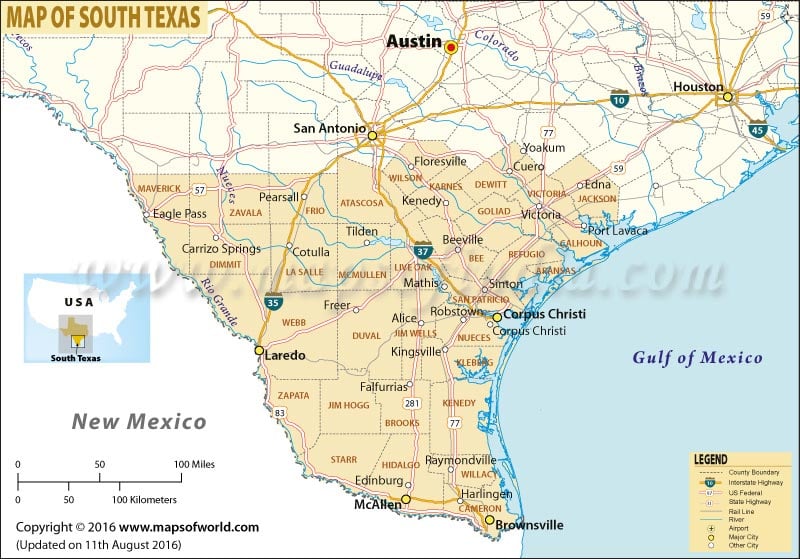
The southern tip of Texas, bordering Mexico, is where the state’s connection to its southern neighbor is most palpable. This region offers a distinct cultural experience, blended with the allure of coastal living.
- The Rio Grande Valley is a region rich in Hispanic culture, evident in its language, food, and traditions. Cities like McAllen and Brownsville offer a taste of this unique border culture.
- Coastal destinations like Corpus Christi and South Padre Island provide a different kind of Southern escape, with sandy beaches, warm waters, and a relaxed resort atmosphere. While the natural beauty might evoke images of other coastal Southern destinations, the vibrant Tex-Mex influence remains strong.
Ultimately, the question of “Is Texas South?” doesn’t have a single, definitive answer. Geographically, it straddles multiple regions. Culturally, it’s a rich tapestry woven from Southern threads, Mexican influences, and its own unique Texan identity. For the traveler, this ambiguity is precisely what makes Texas so fascinating. It offers the warmth and familiarity of Southern charm in its eastern reaches, the vibrant fusion of cultures in its central corridor, and the unique border experiences in its southern expanse. Whether you’re seeking a deep dive into Southern history or a taste of something entirely new, Texas invites you to explore its multifaceted identity and discover its own definition of “South.”
LifeOutOfTheBox is a participant in the Amazon Services LLC Associates Program, an affiliate advertising program designed to provide a means for sites to earn advertising fees by advertising and linking to Amazon.com. Amazon, the Amazon logo, AmazonSupply, and the AmazonSupply logo are trademarks of Amazon.com, Inc. or its affiliates. As an Amazon Associate we earn affiliate commissions from qualifying purchases.