
When planning a trip or considering a move to the vast and vibrant state of Texas, understanding its unique tax structure is crucial. For many, a primary concern revolves around property taxes. The question, “Is There Property Tax In Texas?” often arises, and the answer is a resounding yes. However, the way Texas handles property taxes is quite distinct from many other states in the United States, making it a topic worth exploring in detail, especially for those interested in travel, accommodation, or even long-term stays and lifestyle investments.
The Lone Star State doesn’t levy a state-wide property tax. This is a significant differentiator and often a point of confusion. Instead, property taxes in Texas are local. This means the authority to assess and collect property taxes rests with local taxing entities, primarily school districts, counties, and cities. These local governments set their own tax rates, or “millage rates,” which are then applied to the appraised value of your property. Consequently, property tax burdens can vary considerably from one Texas locality to another, even for properties of similar value.
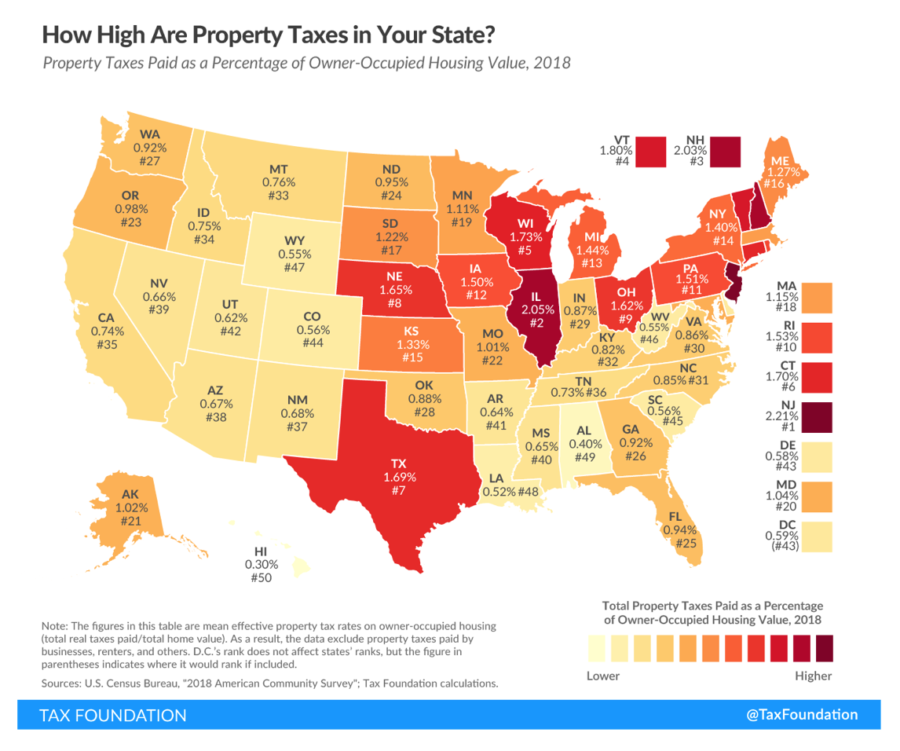
This local control over property taxation has several implications for travelers, investors, and residents alike. For vacationers considering renting a villa or apartment in a popular Texas destination like Austin or San Antonio, understanding that property taxes are already factored into rental rates is essential. For those contemplating a longer-term stay or even purchasing property, the variation in tax rates can be a deciding factor in choosing a specific city or county. The “lifestyle” aspect of Texas living, whether it’s luxury travel or budget-friendly exploration, is undeniably influenced by these local tax structures.
Understanding the Nuances of Texas Property Taxes
The absence of a state property tax might initially lead some to believe Texas is a tax haven. While it’s true that Texas boasts no state income tax, the reliance on property taxes for local services means homeowners often bear a substantial financial responsibility. This can be particularly impactful for those considering long-term accommodation or investing in real estate as a lifestyle choice.
The Role of Appraisal Districts
At the heart of Texas property taxation lies the appraisal district. Each county in Texas has an independent appraisal district responsible for appraising all taxable property within its jurisdiction. This appraisal process is meant to be conducted at “market value,” which is defined as the price at which a property would transfer for cash or its equivalent under prevailing market conditions between a willing buyer and a willing seller, neither being under duress to buy or sell and both having reasonable knowledge of relevant facts.
The appraisal district’s work is critical. They determine the value of your property, which then forms the basis for calculating your tax bill. Property owners have the right to protest their property’s appraised value if they believe it is too high or inequitable compared to similar properties. This protest process is an important mechanism for ensuring fairness in the tax system. Navigating this process can be complex, and understanding its intricacies is part of grasping the property tax landscape in Texas. For those seeking local culture and experiences, understanding how local governments are funded through these taxes provides a deeper insight into the community.
Tax Rates and Levies
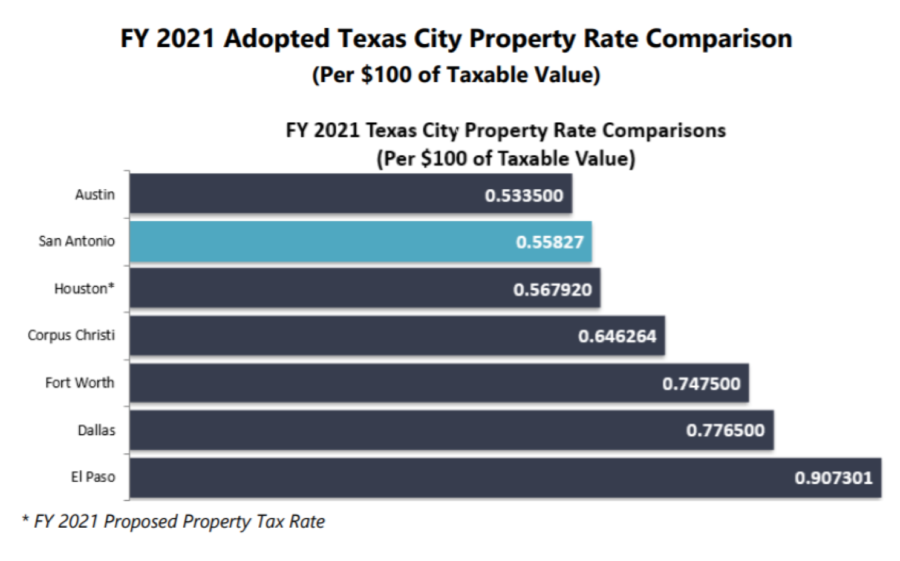
Once property values are established, the various local taxing entities – school districts, counties, cities, and special districts like those for water or fire services – decide how much revenue they need to generate from property taxes. They then set their respective tax rates, expressed in dollars per $100 of taxable value. For instance, a tax rate of $2.50 per $100 would mean for every $100,000 of taxable property value, the tax bill would be $2,500.
The combined millage rate from all overlapping taxing jurisdictions determines the total property tax you will pay. This is where the significant variation across Texas becomes apparent. A property in a high-tax district might have a considerably higher tax bill than an identical property in a lower-tax district, even if both are appraised at the same market value. This is a crucial consideration for anyone looking at different destinations or accommodation options, from luxury resorts to budget apartments.
Implications for Travelers and Long-Term Stays
The property tax system in Texas has direct and indirect effects on those visiting or planning extended stays, impacting everything from accommodation costs to the general cost of living in different areas.
Accommodation and Rental Costs

For travelers exploring Texas destinations, from the bustling streets of Houston to the charming historic districts of Galveston, the cost of accommodation is a significant factor. While property taxes are not directly paid by short-term renters, landlords and hotel owners factor these costs into their rental rates. Therefore, areas with higher property taxes might see higher prices for hotels, resorts, and vacation rentals, including apartments and villas. Understanding this economic ripple effect can help in budgeting for trips and choosing the most cost-effective locations for your travel experiences. The diverse range of hotels and accommodation options means that while some areas might be pricier due to taxes, others offer competitive rates.
For those considering long-term stays, such as renting an apartment for several months or opting for a furnished villa, the impact of property taxes is more direct. While the property owner or landlord typically pays the property tax, these expenses are often passed on to renters through higher monthly rental fees. This makes it essential to research the property tax rates in the specific area you are considering for a longer stay to gauge the true cost of accommodation. This is particularly relevant for those looking at lifestyle changes or business stays that extend beyond a typical vacation.
Real Estate Investment and Lifestyle Choices
For individuals looking to invest in Texas real estate, whether for vacation homes, rental properties, or as a primary residence, understanding property tax implications is paramount. Texas property taxes can be quite high, often ranking among the top states nationally in terms of effective property tax rates. This is a critical factor for those considering a lifestyle that involves owning property in Texas.
When comparing different cities and regions for potential property purchases, looking beyond the initial purchase price and considering the annual property tax liability is essential. Areas with lower property tax rates, even if they have slightly higher property values, might offer a lower overall cost of ownership. This diligence is part of making informed decisions about lifestyle choices, especially when it comes to luxury travel or establishing a permanent or semi-permanent residence. The diverse tourism offerings, from the natural beauty of Big Bend National Park to the cultural landmarks of San Antonio, are often supported by local funding derived from these property taxes.
Property Tax Relief and Homestead Exemptions
Fortunately, Texas offers several forms of property tax relief to ease the burden on homeowners, particularly for primary residences. These exemptions can significantly reduce the taxable value of a property, thereby lowering the annual tax bill.
Homestead Exemptions
The most common form of relief is the homestead exemption. This exemption applies to a property owner’s primary residence and reduces the appraised value of the home by a certain amount, making it a crucial benefit for homeowners. There are several types of homestead exemptions available:
- General Homestead Exemption: This is the most basic exemption, providing a fixed dollar amount reduction in the appraised value of your homestead. The amount of this exemption is determined by the local taxing entities, with a minimum mandated by the state.
- Additional Homestead Exemptions for Seniors: Homeowners aged 65 or older can qualify for an additional homestead exemption, further reducing their tax liability. This is a significant relief for senior citizens looking to manage their living expenses.
- Homestead Exemptions for Disabled Individuals: Property owners who are disabled or are the surviving spouse of a disabled individual may also qualify for additional homestead exemptions.
These exemptions are automatically applied once granted and are a vital tool for making homeownership more affordable in Texas. For those who choose to live in Texas for extended periods, leveraging these exemptions is a wise financial strategy.
Other Forms of Relief
Beyond homestead exemptions, Texas offers other potential avenues for property tax relief:
- Over-65 and Disabled Homestead Caps: For individuals who qualify for homestead exemptions and are either over 65 or disabled, there’s a cap on the amount their property taxes can increase annually. This ensures that rising property values don’t lead to unmanageable tax hikes for these vulnerable populations.
- Agricultural and Wildlife Exemption: For landowners who use their property for agricultural purposes or wildlife management, Texas offers special appraisal methods that can significantly lower property taxes by appraising the land based on its agricultural use value rather than its market value. This encourages the preservation of open spaces and rural landscapes, contributing to the natural beauty that attracts many tourists.
- Property Tax Assistance Programs: While not a direct tax reduction, some programs might offer assistance or deferral options for eligible homeowners, especially in specific circumstances.
Understanding and utilizing these relief measures is key to managing property tax obligations in Texas. For residents, long-term visitors, and property investors, these exemptions and programs can make a substantial difference in the overall cost of living and property ownership, allowing more resources to be allocated towards enjoying the diverse experiences Texas has to offer, from exploring its famous landmarks to indulging in its rich local culture and cuisine. The tax structure, while local, is supported by mechanisms designed to make Texas an attractive place to live and visit.
LifeOutOfTheBox is a participant in the Amazon Services LLC Associates Program, an affiliate advertising program designed to provide a means for sites to earn advertising fees by advertising and linking to Amazon.com. Amazon, the Amazon logo, AmazonSupply, and the AmazonSupply logo are trademarks of Amazon.com, Inc. or its affiliates. As an Amazon Associate we earn affiliate commissions from qualifying purchases.