
When planning a trip to the Lone Star State, understanding the tax landscape is a crucial part of budgeting and making informed financial decisions. Texas, known for its expansive beauty and vibrant culture, offers a unique approach to taxation, notably lacking a state income tax. This absence significantly impacts how individuals and businesses manage their finances within the state. This article delves into the various taxes present in Texas, covering sales tax, property tax, and other important considerations relevant to travelers, residents, and businesses.
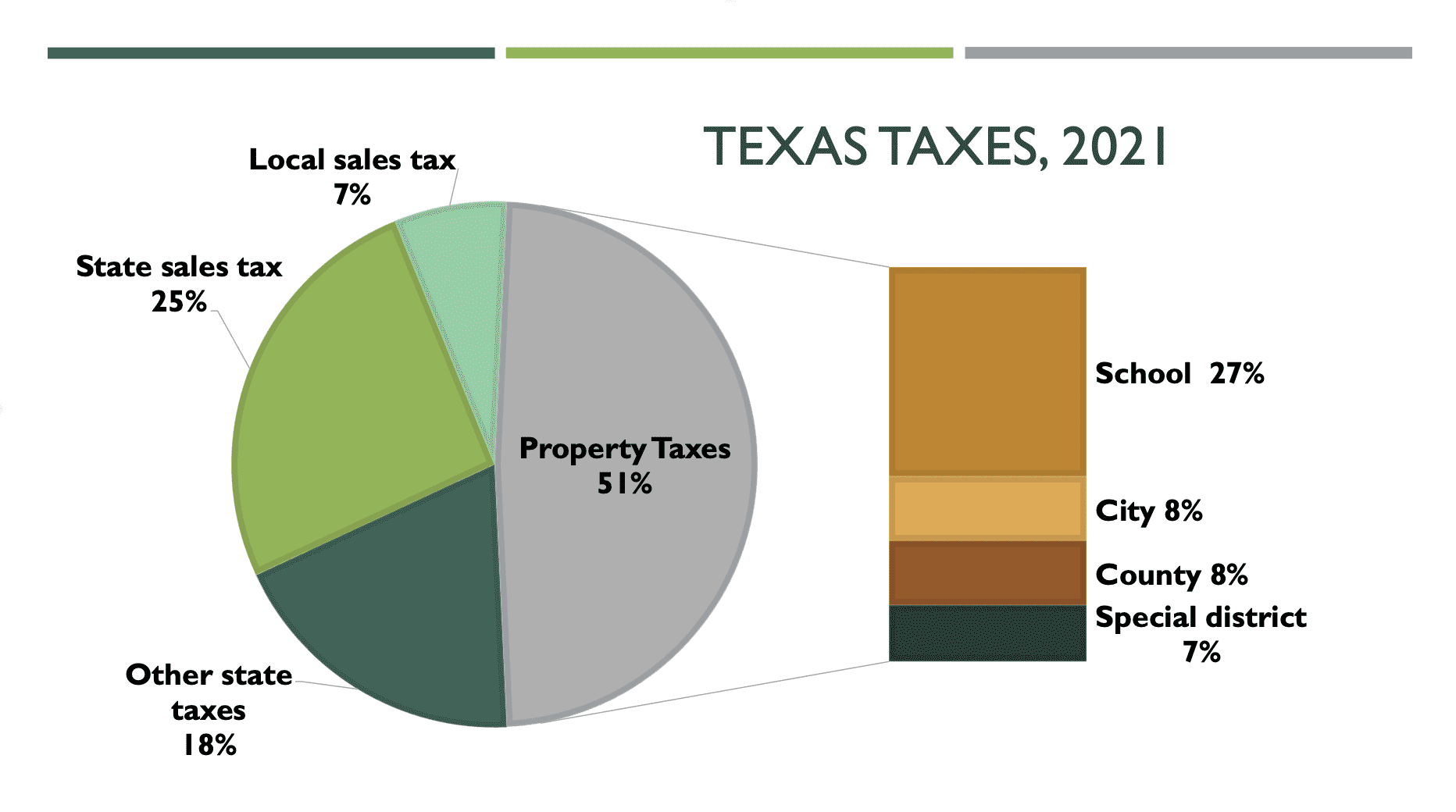
The financial framework of Texas is largely shaped by its reliance on consumption-based taxes, primarily the sales tax, and property taxes levied at local levels. This system can be advantageous for those earning higher incomes who might otherwise face substantial state income tax burdens elsewhere. However, it also means that the cost of goods and services, as well as property ownership, can be influenced by these specific tax structures. For the discerning traveler exploring the diverse attractions of Texas, from the bustling streets of Austin to the historic charm of San Antonio, understanding these taxes can help in creating a more accurate travel budget. Similarly, for those considering a longer stay, perhaps in a luxurious resort or a comfortable apartment, the implications of property and sales taxes on their overall lifestyle become a significant factor.
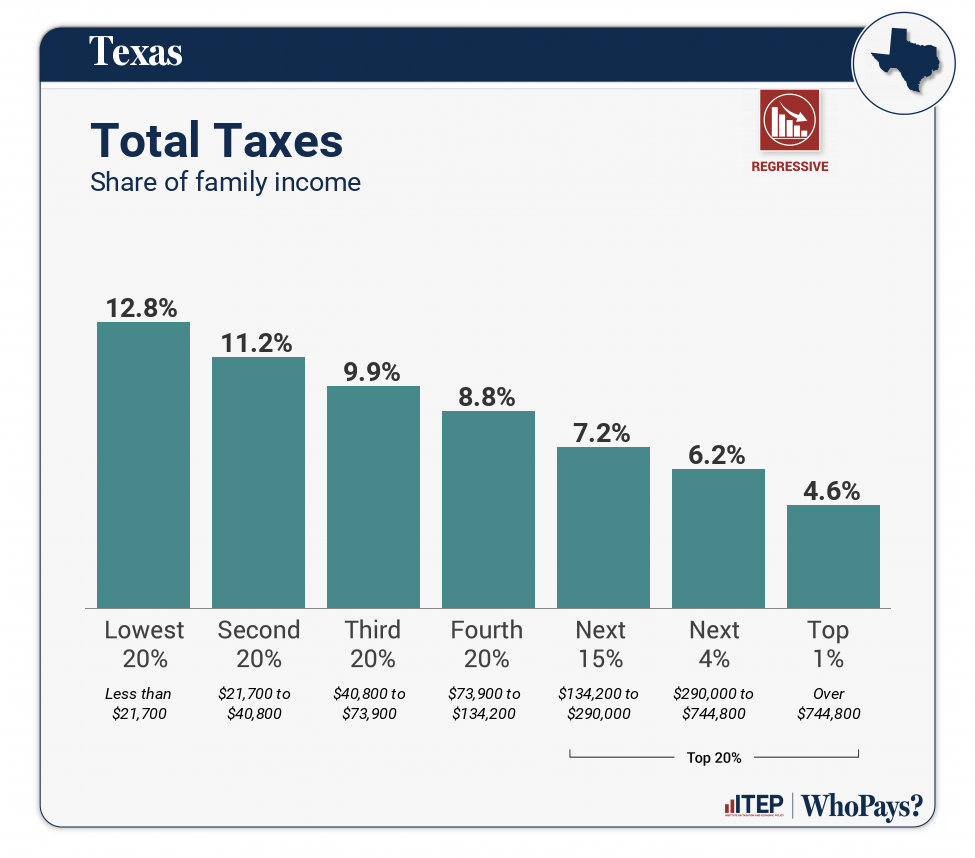
The absence of a state income tax is a major draw for many who relocate to or invest in Texas. This allows individuals to retain a larger portion of their earned income, which can then be channeled into savings, investments, or discretionary spending, such as enjoying the rich culinary scene or exploring the natural wonders like the Big Bend National Park. This economic characteristic also influences business investment, making Texas an attractive location for companies looking to optimize their operational costs. However, it’s important to note that this tax structure shifts the burden of public funding. Local governments and the state rely heavily on sales tax revenue, which can fluctuate with consumer spending, and property taxes, which are a primary source of funding for local services such as schools and infrastructure.
Understanding Texas Sales Tax
The sales tax in Texas is a multifaceted system, levied on both tangible personal property and certain services. It’s a crucial component of the state’s revenue generation and directly impacts the cost of goods and services for consumers. The state imposes a base sales tax rate, but this is often augmented by local city and county taxes, leading to a combined rate that varies significantly across different jurisdictions. This means that the price you pay for a souvenir in Dallas might be different from the price for the same item in a smaller town.
State and Local Sales Tax Rates
The standard state sales tax rate in Texas is 6.25%. This rate applies to most tangible goods and taxable services. However, this is just the starting point. Cities and counties can impose their own local sales taxes, which can significantly increase the overall tax burden. The maximum combined state and local sales tax rate in Texas is 8.25%. This cap ensures that the total sales tax never exceeds this limit, regardless of how many local jurisdictions a sale might touch.
For travelers, this means that checking the specific sales tax rate for the city or region they are visiting is essential for accurate budgeting. For instance, a purchase made in Houston might have a different combined sales tax rate than one made in El Paso. This is particularly relevant when considering larger purchases or when booking accommodation, such as a suite at the Fairmont Hotel or a villa in a popular resort area.
Beyond the general sales tax, Texas also has a franchise tax, which is often referred to as a business privilege tax. This tax is levied on businesses that operate in Texas and have a significant amount of revenue. The franchise tax is calculated based on a business’s “margin,” which is its revenue minus certain allowable deductions. The rates vary depending on the business’s industry and its margin percentage. While this tax primarily affects businesses, it can indirectly influence the cost of goods and services for consumers as businesses may pass on some of these costs.
Exemptions and Special Considerations
While sales tax applies to a wide range of items, there are several important exemptions and special considerations that can affect consumers and businesses. One of the most significant exemptions is for groceries, which are generally not subject to state sales tax. This is a common feature in many states and is designed to ease the financial burden on households for essential food items. However, it’s important to note that prepared foods or “hot foods” are typically taxable, so differentiating between raw ingredients and ready-to-eat meals is key.
Another crucial exemption pertains to clothing and footwear. Texas offers an annual sales tax holiday for clothing and footwear priced under $100, as well as for school supplies and certain other items. This event, typically held in late August, provides a welcome opportunity for families to save money on back-to-school shopping.
For businesses, understanding the nuances of sales tax collection is vital. This includes knowing which goods and services are taxable, keeping accurate records, and remitting the collected taxes to the state on time. Businesses that operate in multiple locations within Texas must be aware of the different local sales tax rates in each jurisdiction. This also extends to online sales, where businesses are generally required to collect and remit sales tax for sales made to Texas customers, even if the business is not physically located in the state, provided they meet certain economic nexus thresholds.
The tourism and hospitality sector in Texas is a significant beneficiary of the state’s tax structure, particularly due to the absence of a state income tax, which can attract both domestic and international tourists looking for value. However, these industries also collect and remit sales tax on accommodation, food and beverages, and various attractions. For a traveler staying at a resort like the Omni Barton Creek Resort & Spa or enjoying a guided tour of historical sites in San Antonio, these sales taxes will be factored into the overall cost.
Property Taxes in Texas
Unlike sales tax, which is a consumption-based tax, property tax in Texas is levied on real estate. This is a fundamental source of funding for local government services, including public education, police and fire departments, and local infrastructure projects. Property taxes are not set by the state government but are determined by local taxing entities, such as counties, cities, school districts, and special districts. This decentralization means that property tax rates can vary dramatically from one locality to another, even within the same metropolitan area.
How Property Taxes are Assessed and Levied

The process of property taxation in Texas involves several key steps. First, the property must be appraised to determine its market value. This is done by a local county appraisal district. Property owners have the right to protest their appraisal if they believe it is too high. Once the appraised value is established, it is then “taxed” at a rate set by the local taxing entities, known as the “ad valorem” tax rate. This rate is expressed in dollars per $100 of taxable value, or as a percentage of the property’s market value.
For homeowners, understanding the appraisal process and knowing their rights to protest is crucial for managing their property tax liabilities. The amount of property tax owed is calculated by multiplying the taxable value of the property by the combined tax rate of all taxing entities that have jurisdiction over the property.
Homestead Exemptions and Other Relief
Texas offers several exemptions that can reduce the taxable value of a property, thereby lowering the property tax bill. The most common is the homestead exemption, which applies to a homeowner’s primary residence. There are different types of homestead exemptions, including a basic homestead exemption, which reduces the taxable value by a certain amount, and additional exemptions for individuals over 65, disabled individuals, and veterans. These exemptions can provide significant relief, especially for long-term residents.
For instance, a homeowner over 65 might qualify for a larger homestead exemption, which, when combined with the tax rates in their specific school district and city, could substantially decrease their annual property tax liability. This is a key consideration for retirees or those planning to purchase property in Texas, as it can impact their overall cost of living.
Other forms of property tax relief exist, such as the “10% homestead cap,” which limits the annual increase in the taxable value of a homesteaded property to 10%, regardless of market fluctuations. This provision helps to provide a degree of predictability in property tax bills for homeowners.
The real estate market in Texas is diverse, with options ranging from urban apartments in cities like Dallas to sprawling ranches in West Texas. The property tax implications for each of these can be vastly different. When considering purchasing a vacation home, a permanent residence, or even investing in property for rental income, a thorough understanding of local property tax rates and available exemptions is paramount. This knowledge can inform decisions about where to buy and how to budget for ongoing ownership costs.
Other Taxes and Considerations in Texas
While sales tax and property tax are the most prominent forms of taxation that directly affect consumers and property owners in Texas, there are other taxes and financial considerations that are worth noting, especially for those engaged in travel, tourism, and business.
Franchise Tax and Business Considerations
As mentioned earlier, the Texas franchise tax is a significant aspect for businesses operating within the state. This tax is levied on all entities, including corporations, partnerships, limited liability companies, and professional services companies, that are formed or do business in Texas. The tax is based on a business’s “margin,” which is its gross receipts minus the cost of goods sold and certain other authorized deductions. The franchise tax rate varies based on the type of business and its annual margin. While small businesses with less than a certain threshold of revenue are exempt, larger entities must navigate the complexities of this tax.
This tax structure can influence business investment decisions and operational strategies. Companies looking to establish a presence in Texas, perhaps to leverage the state’s thriving economy or access its skilled workforce, will need to factor the franchise tax into their financial planning. This might also have an indirect effect on the prices of goods and services offered by these businesses, which ultimately impacts consumers and tourists.
Hotel Occupancy Tax
For travelers, a specific tax to be aware of is the hotel occupancy tax, often referred to as the “bed tax.” This tax is levied on hotel rooms and other forms of short-term lodging, such as vacation rentals. The hotel occupancy tax is comprised of state and local components. The state rate is 6%, and cities and counties can add their own local tax, bringing the total rate to as high as 15% in some areas.
When booking a stay at a hotel, resort, or even a short-term apartment rental, the hotel occupancy tax will be an additional charge on top of the room rate. Understanding this tax is essential for accurately calculating the total cost of accommodation. For example, a luxurious suite at the Hotel ZaZa Houston or a charming boutique hotel in Fredericksburg will have this tax applied. Some cities also have a municipal tourism public improvement district (PID) tax, which can further increase the total occupancy tax.
Motor Vehicle Taxes and Fees
For those who plan to drive in Texas, whether by purchasing a vehicle or using rental cars, there are also motor vehicle taxes and fees to consider. When purchasing a vehicle, buyers will pay sales tax on the purchase price, similar to other tangible goods. Rental car companies also pay taxes on their fleet and often pass these costs onto consumers through daily rental fees and specific taxes. Additionally, there are annual vehicle registration fees and inspection fees that are required to keep a vehicle legally operating on Texas roads.
In summary, Texas offers a distinct tax environment characterized by the absence of a state income tax. This fiscal advantage is offset by robust sales and property taxes, as well as specific levies like the hotel occupancy tax. For residents, businesses, and visitors alike, a comprehensive understanding of these taxes is fundamental to effective financial planning, ensuring a smoother and more predictable experience while enjoying all that Texas has to offer. From the vast landscapes of West Texas to the cultural hubs of its major cities, navigating the tax landscape is an integral part of the Texas experience.
LifeOutOfTheBox is a participant in the Amazon Services LLC Associates Program, an affiliate advertising program designed to provide a means for sites to earn advertising fees by advertising and linking to Amazon.com. Amazon, the Amazon logo, AmazonSupply, and the AmazonSupply logo are trademarks of Amazon.com, Inc. or its affiliates. As an Amazon Associate we earn affiliate commissions from qualifying purchases.