
While the allure of exploring new destinations, indulging in luxurious hotel suites, and immersing oneself in local culture is undeniable, the practicalities of life often demand our attention. Among these, ensuring that essential documents like your driver’s license are up-to-date is paramount. For residents of the Lone Star State, navigating the process of renewing a Texas driver’s license is a straightforward affair, provided you understand the requirements. This guide will walk you through everything you need to know, transforming a potentially daunting task into a simple checklist.
The Texas Department of Public Safety (DPS) is the governing body responsible for issuing and renewing driver’s licenses. They have established clear guidelines to ensure a smooth and efficient renewal process for all Texans. Whether you’re planning an extended road trip across the United States or simply need your license for daily commutes, keeping it current is crucial. The good news is that for most individuals, the renewal process in Texas is designed to be as convenient as possible, often allowing for remote renewal options.
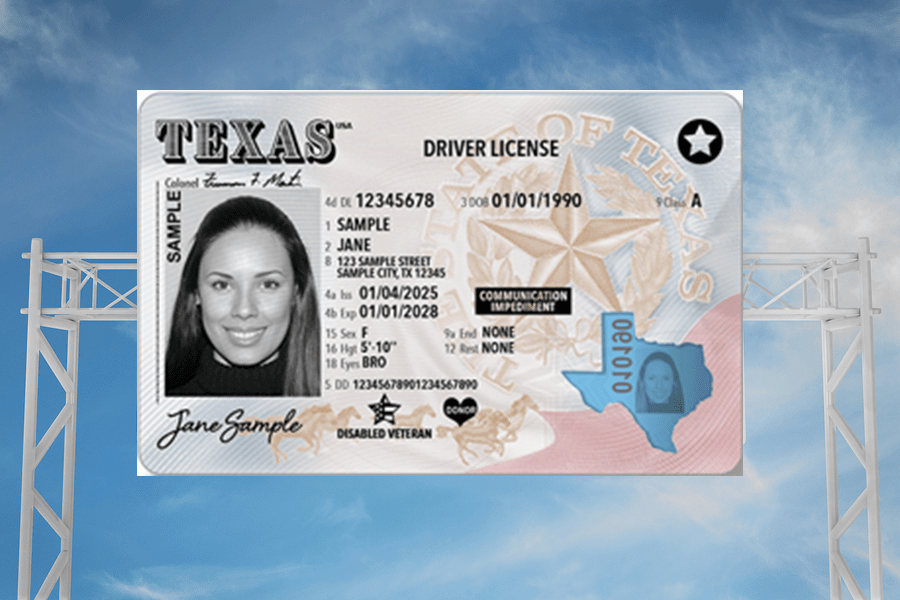
Understanding Your Eligibility for Renewal
The primary factor determining how you can renew your Texas driver’s license is your eligibility for renewal online or by mail. The DPS offers these convenient options to minimize the need for in-person visits, especially for those who have maintained a good driving record and meet specific criteria.
Eligibility for Online or Mail Renewal
Generally, you are eligible to renew your license online or by mail if you meet the following conditions:
- Your current license is not expired by more than two years. If your license has been expired for longer than two years, you will likely need to reapply as if you were a new applicant, which may involve taking the driving test again.
- You are at least 18 years old. While minors can obtain a provisional license, the renewal process for adult licenses is distinct.
- Your last renewal was not done in person. The DPS limits consecutive renewals via online or mail. If you have renewed online or by mail twice in a row, your third renewal will likely require an in-person visit.
- You have not had a change of address since your last renewal. If your address has changed, you will need to update it with the DPS before you can renew. This can usually be done online.
- Your license is not a commercial driver’s license (CDL). CDLs have separate renewal requirements.
- You do not have any outstanding warrants or suspensions on your driving record. Any legal issues will need to be resolved before you can renew.
- You are not required to take a vision test or a driving test. Certain circumstances, such as significant vision impairment or a history of traffic violations, may necessitate an in-person visit.
If you meet these criteria, you can look forward to a hassle-free renewal experience from the comfort of your home, perhaps while planning your next adventure to a place like Austin or San Antonio.
When an In-Person Renewal is Necessary
In certain situations, you will be required to visit a Texas Driver License office to renew your license. These circumstances often arise when there are changes to your personal information, your driving record, or specific requirements for your license type.
- Change of Name or Gender: If you have legally changed your name or gender, you will need to visit a DPS office to update your license with the new information. You will need to bring the necessary legal documentation (e.g., marriage certificate, court order, updated Social Security card) to the office.
- Vision Test Required: If your vision has deteriorated and you no longer meet the state’s vision standards, you will need to have your vision tested by a licensed optometrist or ophthalmologist and present the completed vision report form (DL-63) at the DPS office.
- Driving Test Required: As mentioned, if your license has been expired for an extended period (over two years), or if you have a history of serious traffic violations, the DPS may require you to retake the driving test.
- First Renewal After Age 79: Drivers aged 79 and older must renew their licenses in person every two years. This requirement is in place to ensure continued driving competence.
- Lost or Stolen License: If your license has been lost or stolen, you will need to apply for a replacement and renew it simultaneously at a DPS office.
- CDL Renewals: As previously stated, commercial driver’s licenses have specific renewal procedures that often require an in-person visit.
If you find yourself in one of these categories, don’t fret. The DPS offices are equipped to handle these situations, and with the right documentation, the process can still be managed efficiently. Think of it as a necessary step before embarking on a scenic drive along the Texas Hill Country.
The Renewal Process: Step-by-Step
Once you’ve determined your eligibility and gathered the necessary documents, the renewal process itself is quite straightforward. Whether you opt for the convenience of online renewal or the traditional mail-in method, the steps are designed for clarity.
Renewing Online
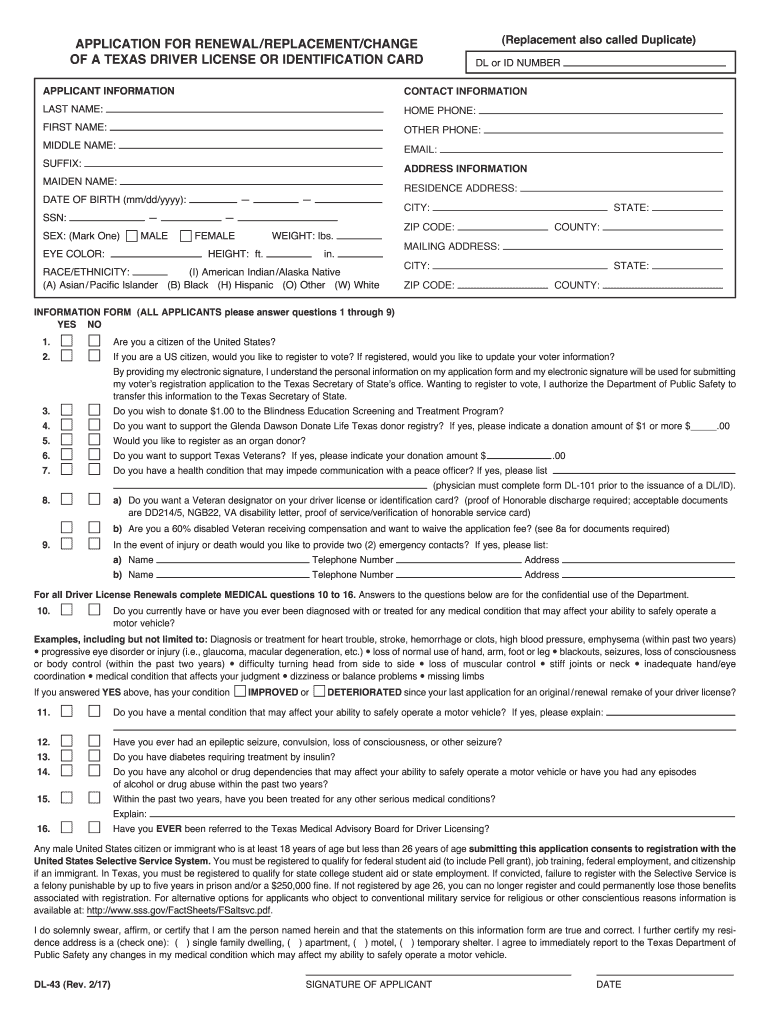
Renewing your Texas driver’s license online is the quickest and most convenient option for eligible individuals. The Texas DPS website provides a secure portal for this service.
- Visit the Official Texas DPS Website: Navigate to the Texas Department of Public Safety website. Look for the driver’s license renewal section.
- Gather Your Information: You will need your current Texas driver’s license number, your date of birth, and your Social Security number. You will also need the last four digits of your Social Security number and your Texas driver’s license number.
- Answer Eligibility Questions: The website will guide you through a series of questions to confirm your eligibility for online renewal. This includes confirming your address and reviewing your driving record status.
- Provide Payment: You will be required to pay the renewal fee online using a credit or debit card. The fee amount can vary slightly, so be prepared for that.
- Confirm and Print: Once your renewal is processed and approved, you will receive a confirmation. Your new license will be mailed to your address on file within a few weeks. It’s advisable to print a temporary receipt for your records.
Online renewal is ideal for those who are busy professionals needing to renew their license before a business trip to Dallas or those planning a family vacation.
Renewing by Mail
For those who prefer not to renew online or are eligible for mail renewal, the process is also manageable.
- Receive Your Renewal Notice: The Texas DPS typically mails a renewal notice to your address approximately 60 days before your license expires. This notice will indicate if you are eligible for renewal by mail and provide instructions.
- Complete the Renewal Application: If you are eligible, you can download the renewal application form from the DPS website or complete the one provided with your renewal notice.
- Submit Required Documents: Along with the application, you will need to include a check or money order for the renewal fee. Be sure to make it payable to the Texas Department of Public Safety.
- Mail Your Application: Send the completed application and payment to the address specified on the renewal notice or the DPS website. It’s recommended to send it via certified mail for tracking.
- Receive Your New License: Your new license will be mailed to your address on file within several weeks.
Renewing by mail is a good option for individuals who might be traveling extensively and may not have consistent internet access, perhaps exploring the vast landscapes of West Texas.
Essential Documentation and Fees
Having the correct documentation and understanding the associated fees are crucial for a smooth license renewal experience, whether you’re renewing in person or remotely.
Required Documents for In-Person Renewal
If you need to renew your license in person, it’s essential to bring the correct identification and supporting documents to the Texas Driver License office. Failing to do so can lead to a wasted trip.
- Your Current Texas Driver’s License: Even if it’s expired, bring your most recent license.
- Proof of Identity: This could be your U.S. birth certificate, U.S. passport, Certificate of Citizenship, or Permanent Resident Card.
- Proof of Social Security Number: Your Social Security card or a W-2 form with your full Social Security number is acceptable.
- Proof of Texas Residency: Two different documents are typically required, such as a utility bill, a lease agreement, a bank statement, or a voter registration card. Ensure these documents show your name and Texas address.
- Vision Report (if applicable): If a vision test is required, bring the completed DL-63 form.
- Legal Name Change Documents (if applicable): If your name has changed, bring the relevant legal documentation.
Renewal Fees
The cost of renewing your Texas driver’s license is subject to change and depends on the license type and validity period.
- Standard Driver’s License Renewal Fee: For a standard adult driver’s license, the fee is typically around $33 for an eight-year term.
- Late Renewal Fees: While not explicitly stated as a separate fee, renewing after your license has expired can lead to additional scrutiny and potential retesting requirements, which may incur further costs.
- Replacement License Fee: If you are also getting a replacement for a lost or stolen license, there will be an additional fee.
It is always advisable to check the official Texas DPS website for the most up-to-date fee schedule before your renewal. This ensures you arrive at the office or are prepared online with the exact amount. Knowing these details can make planning a trip to a place like Galveston much smoother, as you won’t have to worry about administrative hiccups.
In conclusion, renewing your Texas driver’s license is a process that, with a little preparation, can be completed with ease. By understanding the eligibility requirements, familiarizing yourself with the renewal methods, and gathering the necessary documents and fees, you can ensure your license remains current, allowing you to continue enjoying all that Texas has to offer, from its vibrant cities to its stunning natural landscapes. Whether you’re planning an epic road trip or simply need to keep your daily drives legal, a valid license is your ticket to freedom.
LifeOutOfTheBox is a participant in the Amazon Services LLC Associates Program, an affiliate advertising program designed to provide a means for sites to earn advertising fees by advertising and linking to Amazon.com. Amazon, the Amazon logo, AmazonSupply, and the AmazonSupply logo are trademarks of Amazon.com, Inc. or its affiliates. As an Amazon Associate we earn affiliate commissions from qualifying purchases.