
Navigating the process of renewing your Texas driver’s license might seem like a bureaucratic hurdle, but with the right information, it can be a straightforward experience. While this guide focuses on the practicalities of license renewal, understanding the requirements is crucial for anyone who wishes to drive legally within the Lone Star State, whether for a short visit or a longer stay. For travelers exploring the diverse landscapes of Texas, from the bustling streets of Austin to the historic charm of San Antonio, a valid driver’s license is your key to unlocking incredible experiences. This process, while seemingly administrative, underpins your ability to fully engage with the local tourism, culture, and the very lifestyle that makes Texas such a captivating destination.
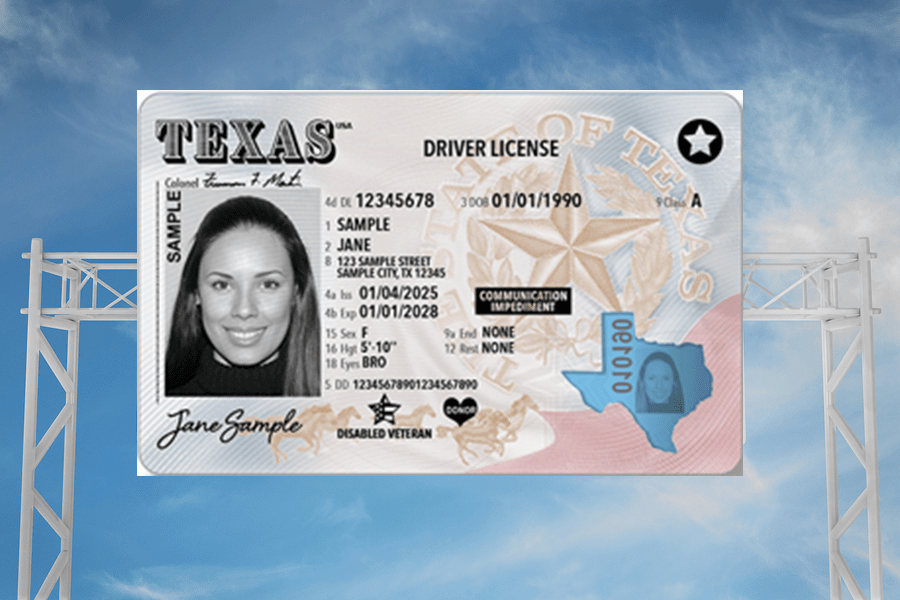
Renewing your driver’s license isn’t just about maintaining legal compliance; it’s about ensuring your continued access to the freedom of the open road. Imagine embarking on a road trip through the rolling hills of the Texas Hill Country, stopping at quaint towns, exploring local wineries, or visiting iconic landmarks. Your driver’s license is your passport to these adventures. Similarly, for those considering a longer-term stay, perhaps in a charming Austin apartment or a luxurious Dallas resort, having up-to-date identification is essential for everyday life, from visiting local attractions to enjoying the vibrant food scene. This article will guide you through the essential steps and requirements for renewing your Texas driver’s license, empowering you to continue your journeys without interruption.
The Texas Department of Public Safety (DPS) oversees the driver’s license renewal process, ensuring that all drivers meet the necessary standards for safe operation of a vehicle. Whether you’re a long-time resident planning a cross-country trip or a newcomer who has established residency, understanding these requirements is paramount. The renewal process itself is designed to be as efficient as possible, with options available online, by mail, and in person. Each method has its own set of prerequisites and procedures, and knowing which one best suits your needs will streamline the entire operation. This guide aims to demystify the process, providing clear, actionable information so you can confidently renew your license and get back to enjoying all that Texas has to offer.
Understanding Your Texas Driver’s License Renewal Options
The Texas Department of Public Safety (DPS) offers several convenient ways to renew your driver’s license, catering to different needs and preferences. Understanding these options is the first step in ensuring a smooth and efficient renewal process. Whether you are a resident planning a quick trip to Galveston or a business traveler attending meetings in Houston, having a valid license is fundamental to your mobility and enjoyment of the state. Each renewal method has specific eligibility requirements, so it’s important to determine which one is the best fit for your situation.
Online Renewal: Convenience at Your Fingertips
For many Texans, the most convenient method of renewing a driver’s license is through the online portal provided by the Texas DPS. This option is ideal for those who meet specific eligibility criteria and prefer to handle administrative tasks from the comfort of their homes. Online renewal significantly cuts down on the time spent waiting in line at a driver’s license office. It’s a perfect solution for busy professionals on a business stay in Dallas or families preparing for a road trip to Big Bend National Park.
To be eligible for online renewal, your driver’s license must typically be:
- A Class A, B, or C license.
- Not expired for more than two years.
- Not have had any changes to your name, address, or other personal information. If you have, you will likely need to renew in person or by mail.
- Not be a provisional or learner’s license.
You will also need to have had a vision screening or a medical eye exam within the last four years. Furthermore, you must have a valid Social Security number and provide your driver’s license number. The DPS website will guide you through the process, which usually involves answering a few questions to confirm your identity and eligibility. You will also need a valid payment method, such as a credit or debit card, to pay the renewal fee. Once your renewal is processed, your new driver’s license will be mailed to the address on file. This makes it incredibly easy to maintain your driving privileges while continuing to explore new accommodations or enjoy local attractions across Texas.
Renewal by Mail: A Traditional Approach
For those who prefer a more traditional method or who may not meet the strict criteria for online renewal, the option to renew by mail is also available. This method is particularly useful if you have a slight change in your address or name, or if you’re temporarily out of state and unable to visit a driver’s license office. While it may take a bit longer than online renewal, it offers a viable alternative for many.
To renew by mail, you will typically need to request a renewal form from the Texas DPS. This can often be done by phone or through the DPS website. Once you receive the form, you’ll need to complete it accurately, providing all requested information. Similar to online renewals, you may be required to submit a vision screening certificate from a licensed optometrist or ophthalmologist, especially if you have not had one recently. The renewal fee can usually be paid by check or money order, made payable to the Texas Department of Public Safety. It’s crucial to mail your application and payment well in advance of your license’s expiration date to allow for processing and delivery. Receiving your renewed license by mail ensures you can continue to enjoy your travels, whether you’re planning a stay at a resort in San Antonio or exploring the art scene in Fort Worth.
In-Person Renewal: When Other Options Aren’t Suitable
In certain situations, renewing your driver’s license in person at a Texas Department of Public Safety (DPS) driver’s license office is necessary. This is the most common method for first-time renewals after a certain age, or if you have made significant changes to your personal information, such as a name change due to marriage or a significant address change. It’s also the standard procedure for obtaining a Real ID-compliant license, which will become increasingly important for domestic air travel.
When you visit a Texas DPS office for renewal, you will need to bring specific documents. These typically include:
- Proof of Identity: This could be your current Texas driver’s license, a Texas ID card, a United States passport, or a United States birth certificate.
- Proof of Citizenship or Lawful Presence: Documents such as a United States birth certificate, a United States passport, a United States Certificate of Naturalization, or an Employment Authorization Document from the U.S. Citizenship and Immigration Services are generally accepted.
- Proof of Social Security Number: Your Social Security card or a W-2 form with your Social Security number clearly printed on it.
- Proof of Texas Residency: Two documents showing your current Texas address, such as a utility bill, a lease agreement, a bank statement, or a voter registration card. For those living in hotels or temporary accommodations, ensure you have official documentation.
- Vision Screening: You will undergo a vision screening test at the DPS office, or you can bring a completed Vision Report (DL-71) from a licensed optometrist or ophthalmologist.
You will also need to fill out a Driver License Renewal or Replacement Application (DL-44) form, which is usually available at the DPS office. Be prepared to pay the renewal fee, which can be paid by cash, check, money order, or credit/debit card. Arriving early or scheduling an appointment in advance can help minimize wait times, allowing you to quickly complete the process and get back to enjoying your Texas adventures, from exploring the vibrant culture of El Paso to the natural beauty of Palo Duro Canyon State Park.
Essential Documentation for a Smooth Renewal
Regardless of the renewal method you choose, having the correct documentation readily available is paramount to a successful and stress-free experience. The Texas DPS requires specific forms of identification and proof to verify your identity, citizenship, and residency. Gathering these documents in advance will save you valuable time and prevent potential delays, whether you’re renewing online, by mail, or in person. This is especially important if you are in Texas for an extended stay and need to ensure your documentation is current for travel or other personal matters.
Proving Your Identity and Texas Residency
The Texas DPS places a strong emphasis on verifying your identity and confirming your status as a resident of Texas. This is a standard security measure to ensure that licenses are issued to eligible individuals. When you visit a driver’s license office, or if you are asked for verification through other methods, you will need to present original documents. Photocopies are generally not accepted for primary identification.
Commonly accepted documents for Proof of Identity include:
- Your current Texas Driver’s License or ID card.
- A United States Passport or Passport Card.
- A United States Military ID card.
- A foreign passport with a valid U.S. Visa and I-94 form.
For Proof of Texas Residency, two distinct documents are usually required. These documents must display your current name and Texas address. Acceptable documents often include:
- Utility bills (electricity, water, gas, or landline telephone).
- Lease agreements or mortgage statements.
- Bank statements or canceled checks.
- Insurance policies (homeowners, renters, or auto).
- Voter registration cards.
- Tax statements.
- Mail from a government agency.
For individuals who are not U.S. citizens but are legally residing in Texas, additional documentation proving lawful presence in the United States will be necessary. This often includes U.S. Citizenship and Immigration Services (USCIS) documents such as an Employment Authorization Document (EAD), a permanent resident card, or a visa. It’s always advisable to check the official Texas DPS website for the most up-to-date list of acceptable documents, as requirements can sometimes change. Ensuring you have these documents in order will significantly ease your renewal process, allowing you to focus on planning your next adventure, whether it’s exploring the historic missions of San Antonio or enjoying the vibrant arts scene in Dallas.
Social Security Number and Other Important Details
Your Social Security number (SSN) is another critical piece of information required during the driver’s license renewal process in Texas. The Texas DPS uses your SSN to verify your identity with federal databases. You will need to provide proof of your SSN.
Acceptable forms of proof for your Social Security Number include:
- Your Social Security card.
- A W-2 form from an employer.
- A 1099 form from an employer.
- A pay stub showing your SSN.
In addition to identity and residency verification, you may also need to provide documentation related to your vision screening. If you are renewing online or by mail, you might need to submit a Vision Report (DL-71) form completed by a licensed optometrist or ophthalmologist. This report confirms that you meet the minimum vision standards for driving. If you are renewing in person, you will typically undergo a vision screening test at the driver’s license office.
For certain individuals, particularly those who are not U.S. citizens, proof of lawful presence in the United States is also a mandatory requirement. This can include documents like an I-94 Arrival/Departure Record, a U.S. Visa, or a Permanent Resident Card. The specific documents required will depend on your immigration status. It is always recommended to consult the official Texas DPS website or contact them directly if you have any doubts about the required documentation for your specific situation. Being well-prepared with all necessary documents ensures a quicker and more efficient renewal, so you can continue to enjoy the many experiences Texas has to offer, from its diverse culinary scenes to its vast historical landmarks.
Navigating the Renewal Fees and Processing Times
Understanding the financial aspect and the expected timeline for your driver’s license renewal is essential for planning. The Texas DPS charges a fee for the renewal of your driver’s license, and the amount can vary slightly depending on the type of license and any endorsements you may have. Additionally, the time it takes to receive your renewed license can differ based on the renewal method used and the current processing volume at the DPS.
Understanding Renewal Fees and Payment Methods
The standard renewal fee for a Texas driver’s license is subject to change, so it’s always best to check the official Texas DPS website for the most current fee schedule. Generally, the fee for a standard Class C driver’s license renewal is around $33. This fee covers the administrative costs associated with processing your renewal and issuing a new license. Some special endorsements or types of licenses might incur additional fees.
When renewing online, you can typically pay using a major credit or debit card (Visa, MasterCard, Discover, or American Express). If you are renewing by mail, you will usually need to submit a check or money order made payable to the Texas Department of Public Safety. For in-person renewals at a DPS driver’s license office, they typically accept cash, checks, money orders, and credit/debit cards. It’s a good idea to verify acceptable payment methods with the specific office you plan to visit. Being aware of these payment options ensures you can complete your renewal without any last-minute complications, allowing you to get back to enjoying your Texas lifestyle, whether that involves exploring the charming streets of Gruene or enjoying a weekend getaway in a Texas resort.

Processing Times for Your New License
The time it takes to receive your renewed Texas driver’s license can vary. When you renew your license, you will usually be issued a temporary paper license that is valid for driving. Your permanent plastic driver’s license will be mailed to the address you have on file with the DPS.
- Online and Mail Renewals: After your renewal is processed, it typically takes approximately 10-15 business days for your new driver’s license to arrive by mail. However, this timeframe can be longer during peak periods or if there are any issues with your application. It’s always recommended to initiate your renewal at least a month before your current license expires to account for any potential delays.
- In-Person Renewals: If you renew your license in person, you will usually receive your temporary paper license at the driver’s license office. The permanent plastic license will then be mailed to you, and the delivery timeframe is generally similar to that of online and mail renewals – around 10-15 business days.
If you do not receive your renewed driver’s license within the expected timeframe, or if you have an urgent need for your license, you can contact the Texas DPS customer service. They can provide information on the status of your renewal and assist you with any issues. Ensuring your renewal is processed promptly is crucial for maintaining your ability to travel freely throughout Texas, whether you’re visiting family in Houston, attending a festival in Austin, or simply enjoying a scenic drive through the state’s beautiful countryside.
LifeOutOfTheBox is a participant in the Amazon Services LLC Associates Program, an affiliate advertising program designed to provide a means for sites to earn advertising fees by advertising and linking to Amazon.com. Amazon, the Amazon logo, AmazonSupply, and the AmazonSupply logo are trademarks of Amazon.com, Inc. or its affiliates. As an Amazon Associate we earn affiliate commissions from qualifying purchases.