
The phrase “Texas A&M” is uttered with a sense of pride and recognition throughout the great state of Texas and far beyond. It conjures images of a sprawling campus, dedicated students, and a rich history. But for those not intimately familiar with this esteemed institution, the “A” and “M” might seem like enigmatic initials. What exactly do they stand for, and how did they become inextricably linked with the Texas A&M University identity? This article delves into the origins of these foundational letters, exploring their historical significance and the enduring legacy they represent, all within the vibrant context of Texas tourism and lifestyle.
The Genesis of “A” and “M”: A Foundation in Agriculture and Mechanics
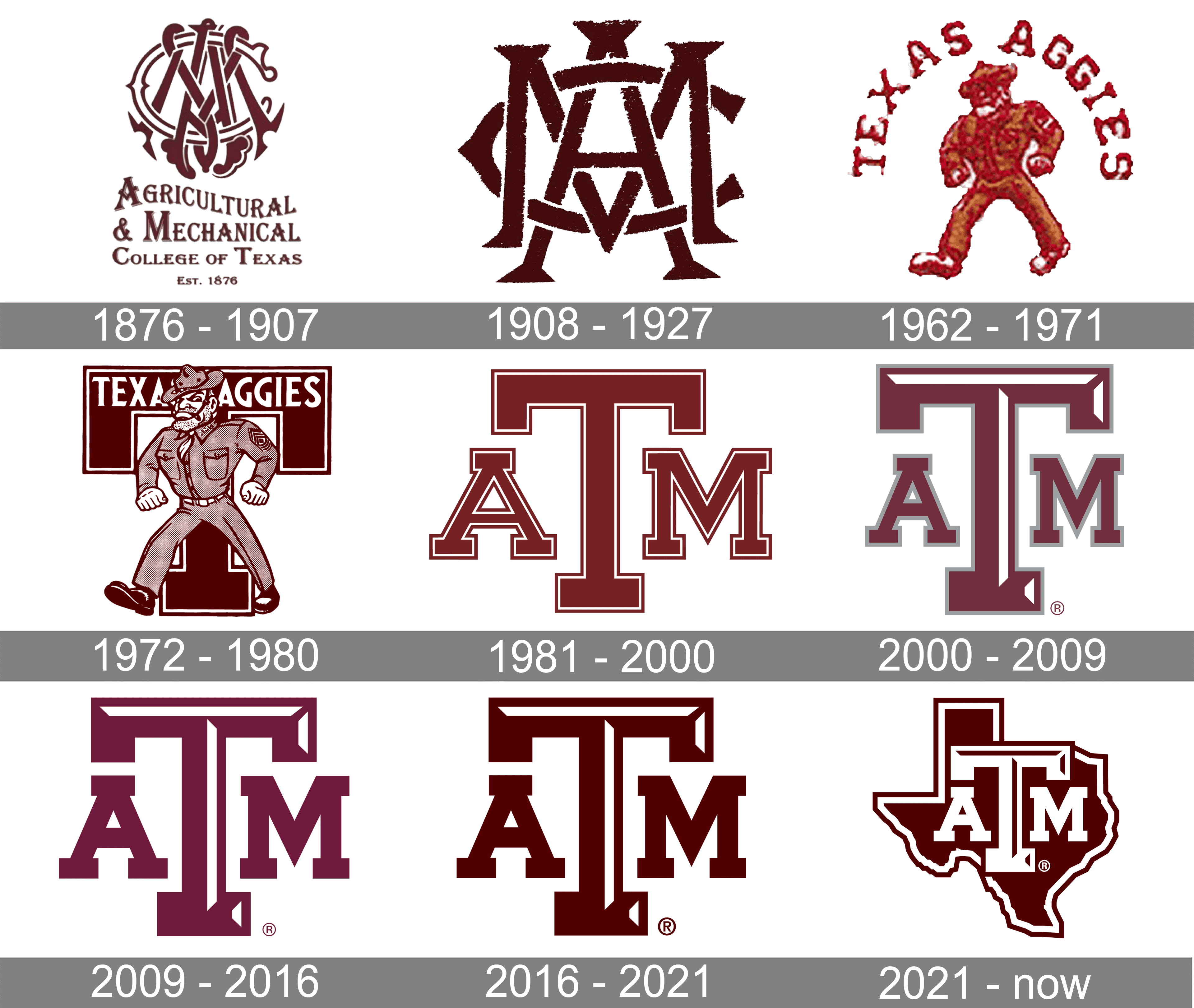
To understand the meaning behind “A” and “M,” we must travel back to the institution’s inception. Texas A&M University was established in 1876 as the Agricultural and Mechanical College of Texas. This name was not a mere formality; it was a direct reflection of the Morrill Land-Grant Acts passed by the U.S. Congress. These landmark pieces of legislation aimed to create colleges that would provide practical education in fields like agriculture, engineering, and mechanics, alongside traditional liberal arts. The intention was to make higher education accessible and relevant to the needs of a growing nation, particularly in its rural and industrial sectors.
The Morrill Acts and Their Impact
The first Morrill Act, signed into law by President Abraham Lincoln in 1862, granted federal land to states for the establishment of colleges. The key stipulation was that these institutions would offer instruction in “agriculture and the mechanic arts” without excluding other scientific and classical studies. This was a revolutionary concept at the time, shifting the focus of higher education from purely theoretical pursuits to more practical, hands-on training. The goal was to equip citizens with the skills needed to improve farming techniques, foster industrial innovation, and contribute to the economic development of their respective states.
The second Morrill Act, enacted in 1890, further expanded this vision by extending federal land-grant benefits to Southern states, including Texas. It also included provisions for the establishment of separate colleges for African Americans, a crucial step in addressing racial segregation in education.
The Birth of the Agricultural and Mechanical College of Texas
It was under the framework of these Morrill Acts that the Agricultural and Mechanical College of Texas was founded. The state of Texas designated land and resources to establish an institution dedicated to these vital fields. The very name chosen for the college – Agricultural and Mechanical College of Texas – explicitly stated its core mission. Students enrolled with the understanding that they would receive a robust education in the sciences, engineering, and the practical application of agricultural knowledge. This foundational focus on “A” for Agriculture and “M” for Mechanics shaped the curriculum, the campus culture, and the very ethos of the university for decades to come.
Evolution and Expansion: Beyond the Founding Principles
While the “A” and “M” remain as historical markers, Texas A&M University has, of course, evolved dramatically since its founding. The institution has grown from a specialized college into a comprehensive public research university, offering a vast array of programs across numerous disciplines. However, the spirit of its foundational principles – innovation, service, and practical application – continues to permeate its academic pursuits and its impact on Texas and the world.
From College to University: A Broadening Scope
Over the years, the Agricultural and Mechanical College of Texas progressively expanded its academic offerings. While Agriculture and Engineering remained core strengths, the university began to develop strong programs in other areas, including business, liberal arts, education, and veterinary medicine. This expansion reflected the changing needs of Texas and the nation, as well as the growing demand for a more diverse educational experience. The transition from “College” to “University” was a natural progression, signifying its growth into a multifaceted institution of higher learning.

Enduring Legacy and Modern Relevance
Despite its expansion, the legacy of the “A” and “M” continues to be celebrated. The College of Agriculture and Life Sciences remains one of the largest and most respected in the nation, contributing significantly to food security, environmental sustainability, and scientific advancement. Similarly, the College of Engineering is renowned for its groundbreaking research and its role in producing highly sought-after engineers who contribute to industries across the globe. The spirit of innovation and problem-solving that characterized the early focus on mechanics and agriculture is now applied to a far wider range of fields, from aerospace to biomedical sciences.
The very essence of the “Aggie” spirit – a dedication to service, a strong sense of community, and a commitment to hard work – can be traced back to the practical, hands-on education that the “A” and “M” represented. This enduring legacy is a significant part of the Texas A&M experience, influencing not only its students but also its alumni and the broader Texas community.
Experiencing the “A&M” Spirit: Tourism and Lifestyle in the Brazos Valley
Understanding what “A” and “M” stand for enriches the experience of visiting College Station, the home of Texas A&M University. The city itself is deeply intertwined with the university, and exploring its attractions offers a unique glimpse into the culture and history that the “A” and “M” have helped to shape. From historical landmarks to vibrant local experiences, College Station provides ample opportunities to connect with the spirit of Texas A&M.
Navigating College Station: A Hub of Activity
When planning a trip to College Station, travelers will find a city that revolves around its iconic university. The campus itself is a major draw, with its impressive architecture, numerous museums, and expansive green spaces. Visitors can explore the George H.W. Bush Presidential Library and Museum, a must-see for history buffs and those interested in American politics. The MSC (Memorial Student Center), often referred to as the “living room” of the campus, offers a central point for exploring student life and enjoying various amenities.
For those interested in the university’s agricultural roots, a visit to the Texas A&M AgriLife Extension facilities or the campus arboretum can offer a deeper appreciation for the “A” in A&M. The engineering prowess of the institution can be explored through visits to various labs and research centers, often open to the public during special events.
Accommodation and Local Flavors: Embracing the Aggie Lifestyle
When it comes to accommodation in College Station, visitors have a range of options to suit different preferences and budgets. From comfortable hotels like the Hyatt Centric College Station or the Hilton College Station & Conference Center, to more budget-friendly motels, the city offers convenient stays for tourists and visiting families. For those seeking a longer stay or a more independent experience, apartments and rental homes are also readily available.
The local food scene in College Station is also influenced by the university’s presence, offering a blend of classic Texan cuisine and diverse culinary experiences. From casual barbecue joints to international eateries, visitors can find delicious options to explore. Experiencing the local culture often involves attending a Texas A&M sporting event, where the passionate spirit of the Aggies is on full display. The camaraderie and enthusiasm are infectious, offering a truly unique Texas experience.

Beyond the Campus: Exploring the Brazos Valley
While Texas A&M University is the heart of College Station, the surrounding Brazos Valley offers additional attractions and experiences for travelers. Nearby cities like Bryan offer their own unique charm and historical sites. The region boasts beautiful natural landscapes, providing opportunities for outdoor activities such as hiking and exploring local parks. Whether you’re a prospective student, a proud alumnus, a history enthusiast, or simply a traveler looking to discover a quintessential Texan experience, understanding the meaning of “A” and “M” in Texas A&M provides a valuable lens through which to appreciate the rich heritage and vibrant present of this remarkable institution and its surrounding community. It’s a reminder that at its core, the university was built on the principles of advancing agriculture and mechanics, a legacy that continues to inspire and shape its endeavors today.
LifeOutOfTheBox is a participant in the Amazon Services LLC Associates Program, an affiliate advertising program designed to provide a means for sites to earn advertising fees by advertising and linking to Amazon.com. Amazon, the Amazon logo, AmazonSupply, and the AmazonSupply logo are trademarks of Amazon.com, Inc. or its affiliates. As an Amazon Associate we earn affiliate commissions from qualifying purchases.