
Navigating the requirements for Texas car registration can feel like a journey in itself, especially for newcomers or those unfamiliar with the Lone Star State’s specific regulations. While the primary purpose of a car registration is to signify that a vehicle is legally allowed to operate on public roads and to identify its owner, the physical document and its accompanying items hold more significance than just a piece of paper. Understanding what a Texas car registration looks like, what information it contains, and how to obtain and maintain it is crucial for any Texas resident or visitor who plans to drive. This guide aims to demystify the process and shed light on the visual aspects of Texas vehicle registration, weaving in elements of travel, tourism, and lifestyle to provide a comprehensive overview.
The state of Texas, known for its vast landscapes, rich history, and vibrant culture, is a popular destination for tourists and a thriving place for residents. Whether you’re planning a road trip from Dallas to San Antonio, exploring the natural beauty of Big Bend National Park, or simply enjoying the local culinary scene in Austin, ensuring your vehicle is properly registered is a fundamental step. This process is managed by the Texas Department of Motor Vehicles (TxDMV), which oversees the issuance of registration certificates and license plates.
The Visual Components of a Texas Car Registration
When you successfully register your vehicle in Texas, you’ll receive several key items that serve as proof of your registration. These components, collectively, constitute what a Texas car registration “looks like” in practice. They are designed to be easily identifiable by law enforcement and to provide essential information about the vehicle and its owner.
The Registration Certificate
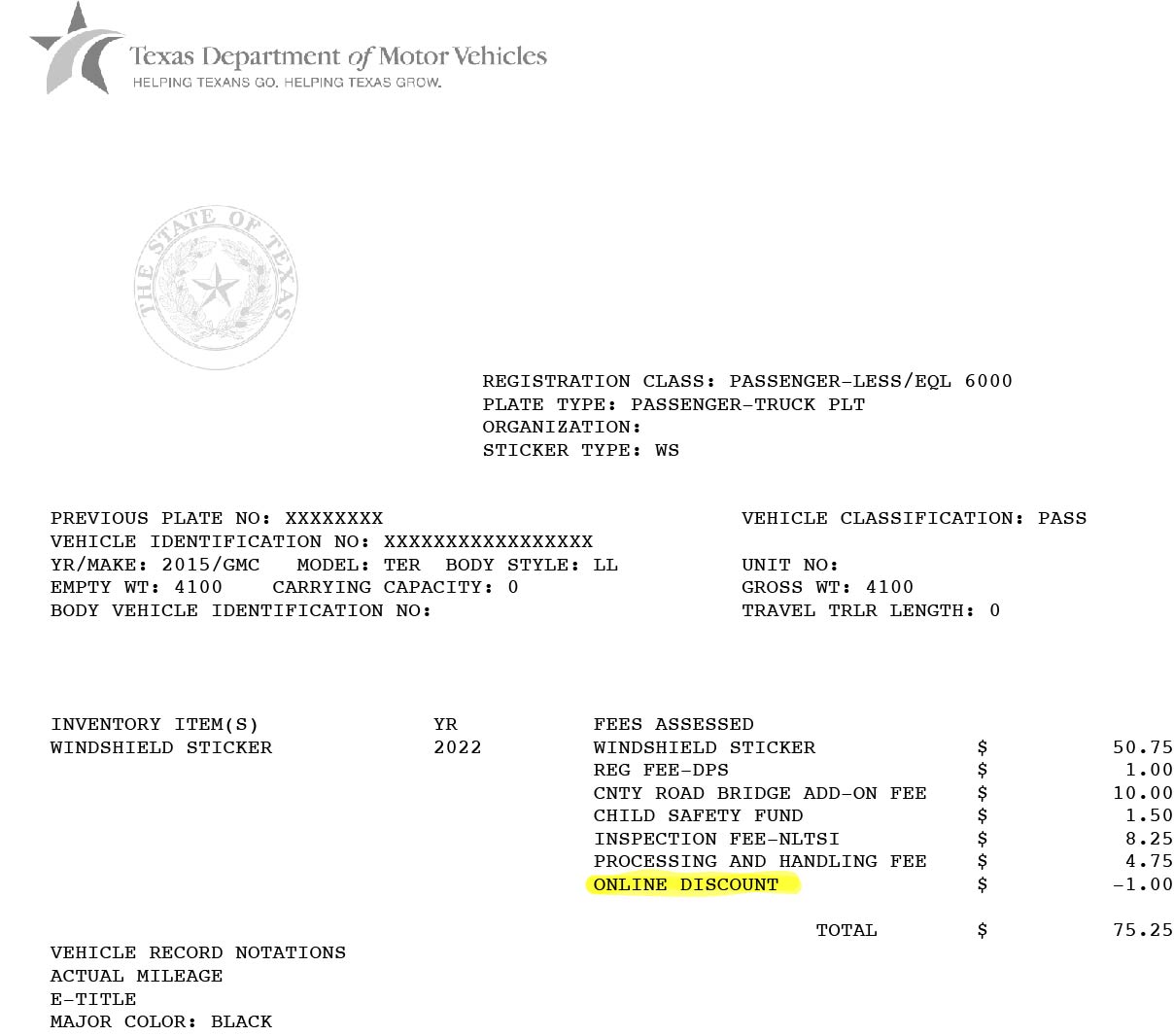
The primary document is the Texas vehicle registration certificate. This is typically a printed card, similar in size to a credit card or a driver’s license, though sometimes it may be a full-page document that you can fold or keep in a wallet. Its appearance has evolved over the years, with modern versions featuring enhanced security features to prevent counterfeiting.
Key information found on the registration certificate includes:
- Vehicle Identification Number (VIN): This unique 17-character code identifies your specific vehicle and is paramount for tracking and identification.
- License Plate Number: The alphanumeric combination assigned to your vehicle’s license plates.
- Vehicle Make and Model: Details about the manufacturer and the specific model of your car.
- Year of Manufacture: The year the vehicle was produced.
- Owner’s Name and Address: The legal owner of the vehicle.
- Expiration Date: This is a critical piece of information, indicating when your registration needs to be renewed.
- TxDMV Seal and Holograms: Security features that authenticate the document.
The design of the certificate can vary slightly depending on the printing process and any updates made by the TxDMV, but the core information remains consistent. It’s important to keep this document in your vehicle at all times, as you may be asked to present it during traffic stops or inspections.
The License Plate
The license plate is the most visible indicator of your vehicle’s registration. Texas license plates have undergone numerous design changes throughout the decades, reflecting state pride and evolving aesthetics. Modern Texas license plates are typically made of metal and feature a distinctive design.
Current standard Texas license plates often display:
- “Texas” prominently: Usually in large, bold lettering.
- The slogan “The Lone Star State”: A nod to the state’s nickname and history.
- A unique alphanumeric plate number: This is the primary identifier of your vehicle’s registration.
- A small sticker or decal: This sticker, often placed in the corner of the license plate, indicates the expiration month and year of the registration. This is a quick visual cue for law enforcement.
- Decorative elements: These can include images of state symbols, landscapes, or historical figures, adding to the visual appeal and showcasing Texas identity. For example, some plates might feature the Texas state flower, the bluebonnet, or imagery related to Texas heritage.
Specialty license plates are also available in Texas, which may have different designs and sometimes support specific causes or organizations. These can range from plates supporting Texas universities like the University of Texas or Texas A&M University, to plates benefiting wildlife conservation or military veterans. While these special plates have unique visuals, they still carry the essential registration information and expire on the same schedule as standard plates.
The Process of Obtaining a Texas Car Registration
Understanding what a Texas car registration looks like is only part of the equation. Knowing how to obtain one is essential for legal driving. The process generally involves several steps, ensuring that the vehicle meets state requirements and that the owner has fulfilled their obligations.
Initial Registration and Title Transfer
When you purchase a new or used vehicle, or move to Texas with a vehicle registered in another state, you’ll need to complete an initial registration. This typically involves:
- Obtaining a Title: For most vehicles, a Texas Certificate of Title is required. This document proves ownership. If you purchased the vehicle from a dealership, they will usually handle much of the title paperwork. If you bought from a private seller, you’ll need to ensure the title is properly signed over to you.
- Vehicle Inspection: Texas has a “Two Steps, One Sticker” program. Before you can register your vehicle, it must pass a state vehicle inspection. This inspection checks safety and emissions (in certain counties). A passing inspection report is required for registration.
- Proof of Insurance: Texas requires all drivers to carry a minimum level of liability insurance. You’ll need to provide proof of this insurance to register your vehicle.
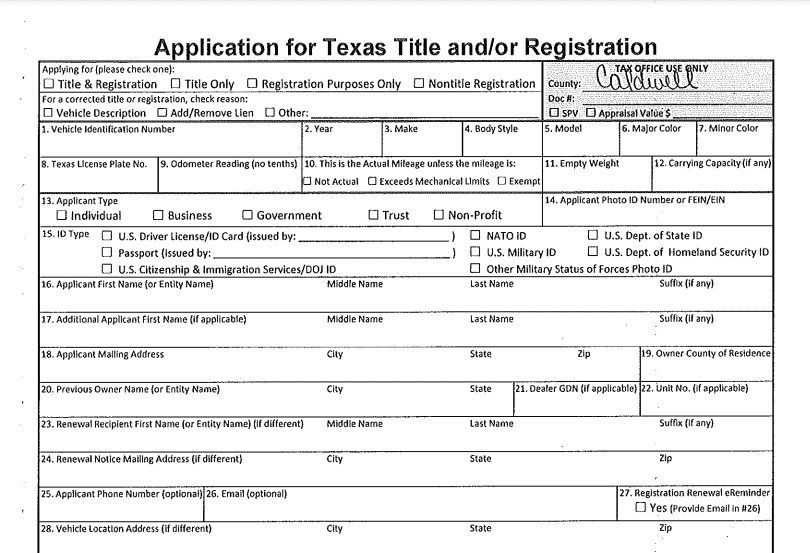
- Completing Registration Forms: You’ll need to fill out the Application for Texas Title and/or Registration form, available from the TxDMV or your local county tax assessor-collector’s office.
- Paying Fees: There are various fees associated with title transfer and registration, which vary based on vehicle type, weight, and county.
You can typically complete these steps at your local county tax assessor-collector’s office. This office acts as the local branch of the TxDMV for registration purposes. Planning your visit, especially if you’re new to the state and trying to find the best route or understand local office hours, can be part of the travel planning aspect of settling into Texas.
Renewal of Registration
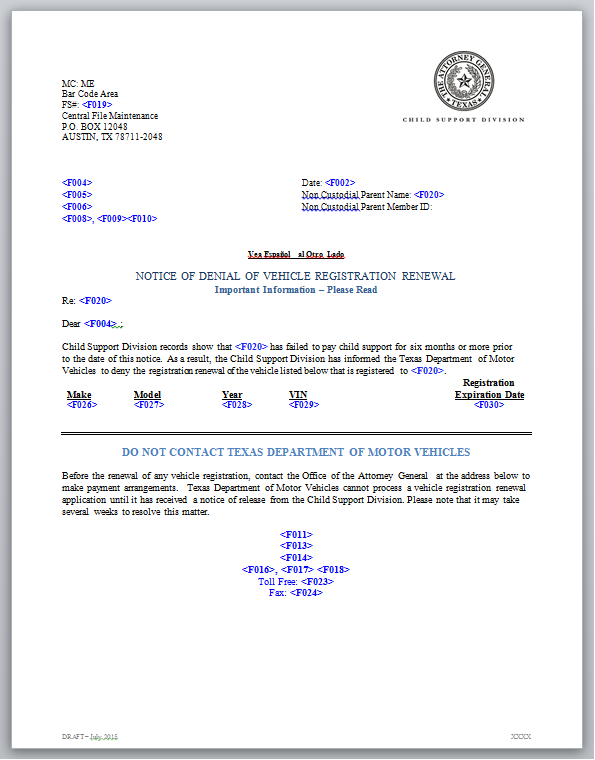
Once your vehicle is registered, you’ll need to renew it annually. The TxDMV sends out renewal notices by mail or email, reminding you of the upcoming expiration date. The renewal process is often simpler than the initial registration and can be done online, by mail, or in person at the county tax assessor-collector’s office.
To renew your registration, you will typically need:
- Your current license plate number or VIN.
- Proof of a current vehicle inspection (if required in your county).
- Proof of insurance.
- Payment for the renewal fees.
Renewing on time is crucial to avoid penalties and ensure your vehicle remains legally registered for driving on Texas roads. This is especially important if you are planning extended travel within Texas, perhaps exploring destinations like Galveston Island or the historical sites in Goliad.
Why Your Texas Car Registration Matters for Travel and Lifestyle
Understanding the ins and outs of Texas car registration isn’t just about compliance; it’s intrinsically linked to enjoying the Texas lifestyle and its diverse travel opportunities. Whether you’re a tourist exploring the state’s attractions or a resident embarking on everyday activities, a valid registration is your ticket to freedom on the road.
Facilitating Road Trips and Exploration
Texas is a state built for road trips. From the sprawling ranches of West Texas to the charming coastal towns along the Gulf of Mexico, the open road beckons. Having a properly registered vehicle ensures you can legally embark on adventures to places like San Marcos for its natural springs, or the historic missions in San Antonio. Imagine planning a family trip to the Texas Hill Country, exploring wineries and charming towns like Fredericksburg, all while knowing your vehicle is compliant. A valid registration provides peace of mind, allowing you to focus on the experience, the local culture, and the delicious food you’ll encounter.
Meeting Rental Vehicle Requirements
If you’re visiting Texas and plan to rent a car, you’ll find that rental companies require proof of a valid driver’s license and often expect that your rental agreement covers all necessary registration and insurance for driving within the state. While the rental company handles the registration of their fleet, understanding the basics of Texas registration can help you feel more informed as a visitor.
Supporting Local Tourism and Economy
The ease of travel facilitated by properly registered vehicles directly supports Texas‘s robust tourism industry. Tourists can easily explore local attractions, dine at local restaurants, and stay in a variety of accommodations, from luxury resorts in Austin to budget-friendly motels in smaller towns. This movement of people contributes significantly to the state’s economy, from the hospitality sector to the fuel stations and shops that dot the landscape. A visible and valid license plate signifies that a vehicle is a legal participant in this economic ecosystem.
Ensuring Safety and Security
Beyond legality, the registration process, including the mandatory vehicle inspection, plays a vital role in ensuring road safety. Properly maintained vehicles are less likely to break down unexpectedly, potentially causing hazards or disrupting travel plans. This is particularly important when venturing into remote areas, perhaps for nature tourism in places like Palo Duro Canyon State Park. The registration sticker on your license plate also serves as a point of identification, contributing to overall public safety.
In conclusion, what a Texas car registration “looks like” encompasses the physical documents and the license plate, but its significance extends far beyond mere appearances. It is a symbol of legal compliance, a facilitator of exploration, and a quiet contributor to the vibrant lifestyle and tourism that define the Lone Star State. Whether you’re a resident or a visitor, understanding and adhering to the Texas car registration requirements ensures your journey through this vast and fascinating state is smooth, legal, and enjoyable.
LifeOutOfTheBox is a participant in the Amazon Services LLC Associates Program, an affiliate advertising program designed to provide a means for sites to earn advertising fees by advertising and linking to Amazon.com. Amazon, the Amazon logo, AmazonSupply, and the AmazonSupply logo are trademarks of Amazon.com, Inc. or its affiliates. As an Amazon Associate we earn affiliate commissions from qualifying purchases.