
For many, the name “Texas A&M University” conjures images of a prestigious institution, a hub of innovation, and a significant presence in the Lone Star State. Yet, for those outside its immediate sphere of influence, the “A&M” portion of its moniker can remain a subtle enigma. This article delves into the historical roots and evolution of this prominent university, unraveling the meaning behind “A&M” and exploring its profound connection to the rich tapestry of Texas and the broader landscape of higher education.
The story of “A&M” is intrinsically tied to the founding principles and early mission of the institution, which was established as part of the Morrill Land-Grant Acts. These acts, passed by the United States Congress, aimed to establish colleges in each state dedicated to the “agricultural and mechanical arts.” This core mission is the very essence of what “A&M” signifies.

The Genesis of Agricultural and Mechanical Arts
The designation “Agricultural and Mechanical” was not merely a descriptive label; it represented a groundbreaking shift in American higher education. Prior to the Morrill Acts, universities were largely focused on classical studies and liberal arts, catering primarily to the elite. The Land-Grant Acts democratized access to higher education by creating institutions that offered practical, science-based education relevant to the growing needs of a nation experiencing rapid industrialization and agricultural expansion.
The Morrill Land-Grant Acts and Their Impact
The first Morrill Act, signed into law by President Abraham Lincoln in 1862, provided federal land grants to states that agreed to establish colleges to teach subjects like agriculture, engineering, and military tactics. The second Morrill Act, passed in 1890, further expanded this initiative, offering direct federal funding to these institutions and ensuring that education in these practical fields was accessible to a wider population, including African Americans through the establishment of historically black land-grant colleges.
This legislation was revolutionary. It recognized that the nation’s prosperity depended not only on intellectual pursuits but also on skilled labor and scientific innovation. The creation of land-grant universities was a strategic investment in the future, fostering advancements in farming techniques, engineering marvels, and military preparedness.
Texas A&M’s Founding and Early Mission
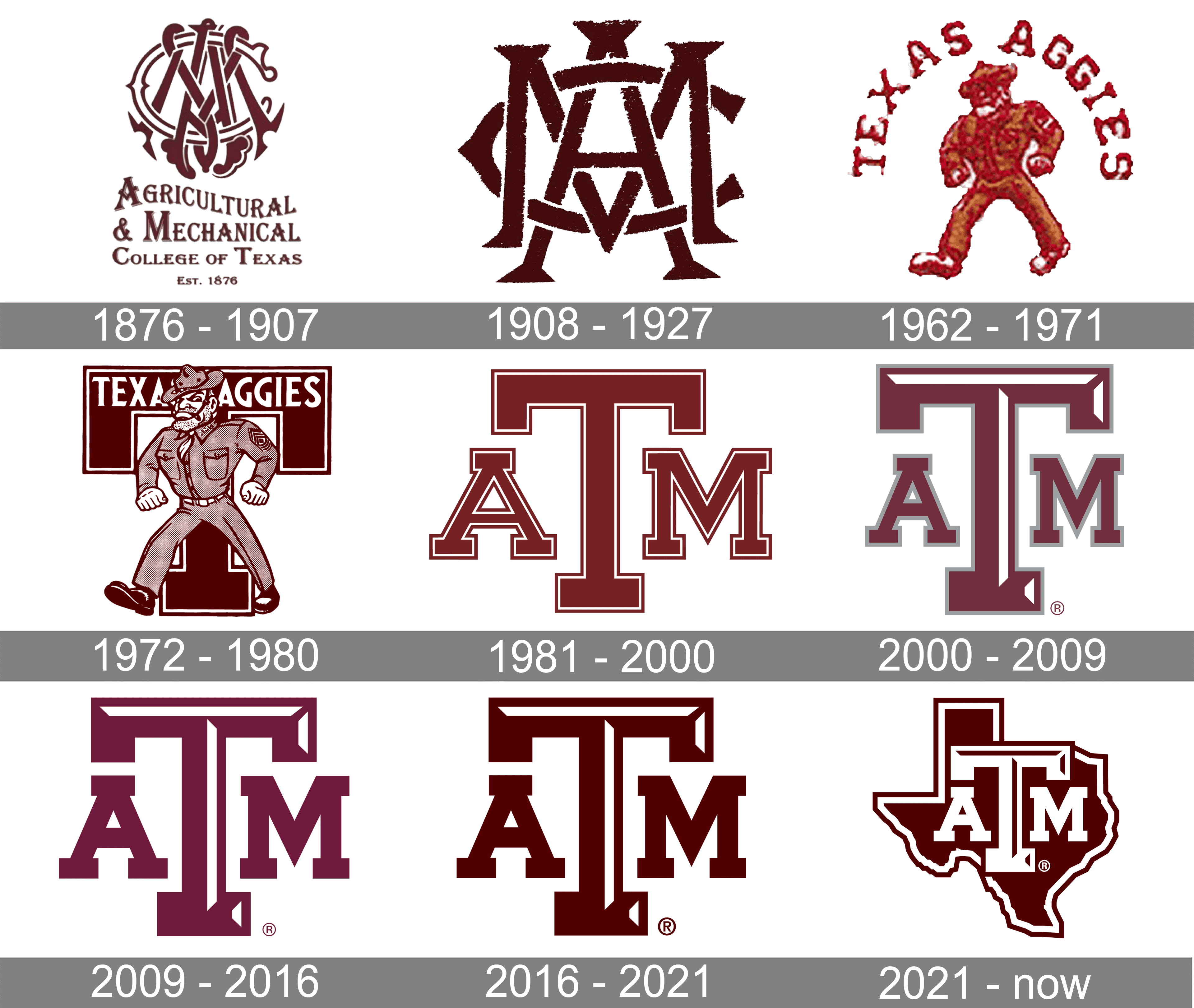
In Texas, this mandate led to the establishment of the Agricultural and Mechanical College of Texas in 1876. The primary objective was to provide a robust education in agriculture and the mechanical arts, equipping students with the knowledge and skills to contribute to the state’s burgeoning economy. Early curricula focused on subjects like agronomy, veterinary medicine, mechanical engineering, and military science. The military component was a significant aspect of land-grant colleges, intended to train officers for the state militias and the national defense.
The early years of the Agricultural and Mechanical College of Texas were marked by a strong emphasis on hands-on learning and practical application. Students were often involved in the operation of the college farm, gaining direct experience in agricultural practices. Similarly, the mechanical arts programs provided training in trades and engineering that were vital for the industrial development of Texas.
Evolution Beyond the “A&M”
While “Agricultural and Mechanical” formed the bedrock of its identity, Texas A&M University has, like many great institutions, undergone significant evolution. The world has changed dramatically since the mid-19th century, and so too have the academic offerings and research endeavors of Texas A&M.
Diversification of Academic Programs
Over the decades, the university has broadened its academic horizons considerably. While agriculture and engineering remain core strengths, Texas A&M now boasts a comprehensive array of colleges and departments offering degrees in fields as diverse as business, liberal arts, education, law, medicine, and the sciences. This expansion reflects the changing demands of the job market, the advancement of knowledge, and the university’s commitment to providing a well-rounded education.
However, the “A&M” in its name serves as a constant reminder of its foundational purpose. It honors the visionaries who recognized the importance of practical, applied education in building a strong nation. Even as the university has diversified, its commitment to research and innovation, particularly in areas related to agriculture, engineering, and technology, continues to be a hallmark.
Research and Innovation: A Lasting Legacy
The spirit of innovation that was inherent in the “mechanical arts” aspect of its founding continues to thrive at Texas A&M. The university is a leader in numerous research fields, from biotechnology and renewable energy to cybersecurity and aerospace engineering. Its contributions have had a tangible impact on industries across Texas and the globe.
For instance, agricultural research at Texas A&M has led to significant improvements in crop yields, sustainable farming practices, and animal health. In engineering, its faculty and students are at the forefront of developing new technologies that address pressing global challenges. This dedication to research, rooted in its founding principles, ensures that Texas A&M remains a vital force for progress and discovery.
The Enduring Significance of “A&M”
In contemporary parlance, “A&M” has transcended its literal meaning to become synonymous with a proud tradition, a strong sense of community, and an unwavering commitment to excellence. While the university has evolved into a comprehensive research institution, the “A&M” serves as a historical anchor, a testament to its origins and the enduring value of its foundational mission.
A Symbol of Tradition and Spirit
The Aggie spirit is a powerful force, deeply ingrained in the culture of Texas A&M. This spirit is often linked to the university’s heritage, including its military traditions and its emphasis on service and leadership. The “A&M” in the name evokes this rich history and the unique identity of its alumni and students.
The university’s connection to its past is evident in many aspects of campus life, from the traditions observed by student organizations to the architectural style of some of its older buildings. This deep respect for heritage, combined with a forward-looking approach to education and research, creates a dynamic and enduring institution.

Connecting to the Broader Educational Landscape
Texas A&M University’s story is not unique in the context of American higher education. Many other land-grant universities across the nation share a similar history, often retaining “A&M” or similar designations in their names. These institutions collectively represent a commitment to providing accessible, practical, and impactful education that has shaped the development of the United States.
From the iconic University of California, Berkeley, which has agricultural and mechanical roots, to institutions like Purdue University and Michigan State University, the legacy of the Morrill Acts is visible in the academic missions and the enduring impact of these universities. They continue to be crucial engines of research, economic development, and social mobility, fulfilling the promise of democratized higher education laid out over a century ago.
In conclusion, the “A&M” in Texas A&M University stands as a powerful reminder of its origins: a commitment to the “Agricultural and Mechanical arts.” This foundational principle has guided the university’s growth and diversification, transforming it into a leading global research institution while retaining its proud heritage and distinctive spirit. The “A&M” is more than just an abbreviation; it is a symbol of a legacy of practical education, innovation, and service that continues to shape Texas and beyond.
LifeOutOfTheBox is a participant in the Amazon Services LLC Associates Program, an affiliate advertising program designed to provide a means for sites to earn advertising fees by advertising and linking to Amazon.com. Amazon, the Amazon logo, AmazonSupply, and the AmazonSupply logo are trademarks of Amazon.com, Inc. or its affiliates. As an Amazon Associate we earn affiliate commissions from qualifying purchases.