
Understanding the growing zone of a region is crucial for gardeners, whether they’re cultivating vibrant flower beds, nurturing bountiful vegetable patches, or simply aiming to maintain a lush, green lawn. For those located in or planning a visit to Dallas, Texas, knowing its specific growing zone can unlock a world of horticultural possibilities and provide essential context for the city’s unique climate. This knowledge not only guides planting schedules but also influences the types of plants that will thrive in the local environment, impacting everything from the aesthetics of a backyard to the success of community gardens and even the types of trees lining its iconic streets.
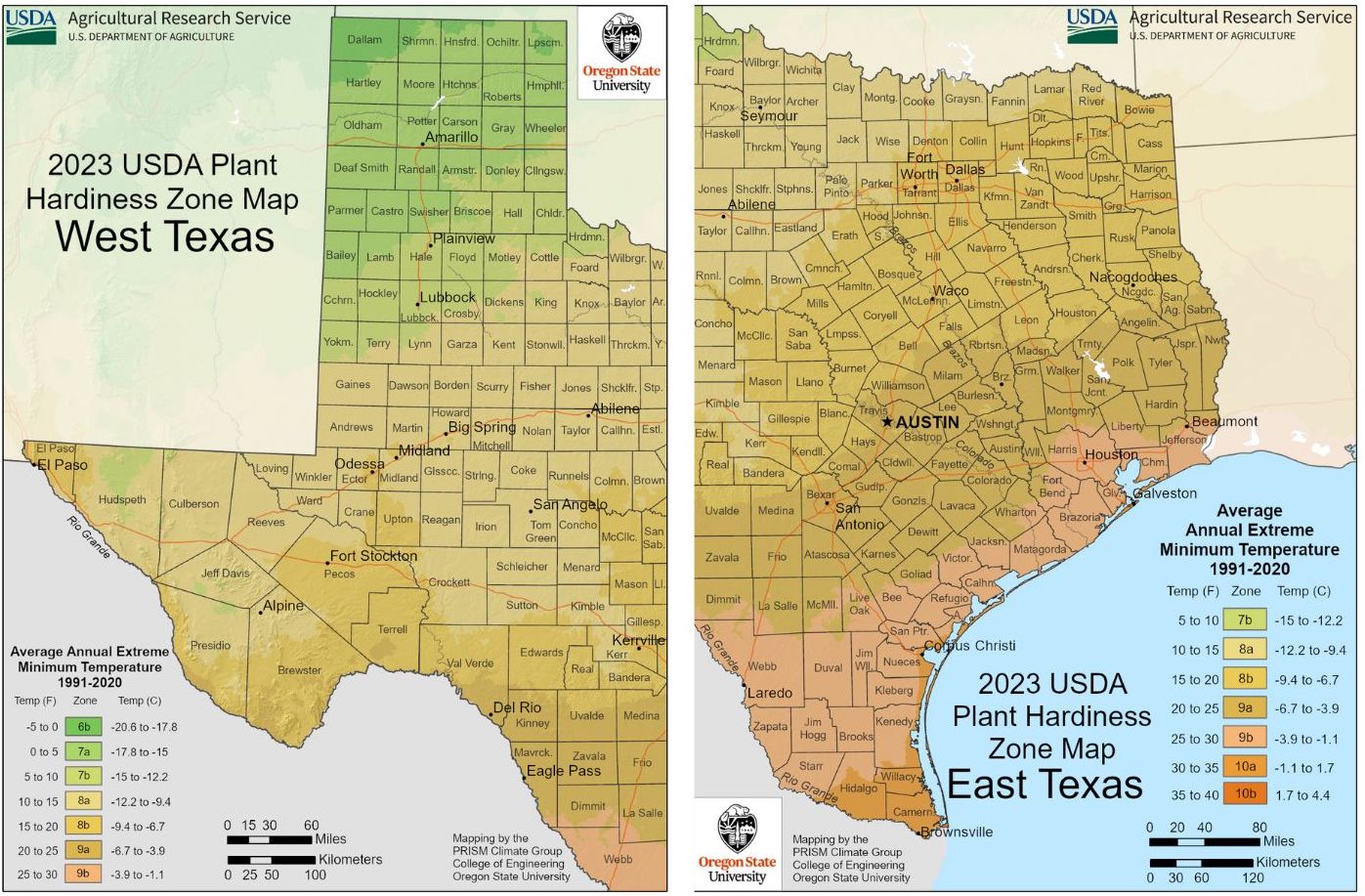
The growing zone system, most commonly associated with the United States Department of Agriculture (USDA), is a standardized method for classifying regions based on their average annual minimum winter temperature. These zones are vital because they help predict which perennial plants are most likely to survive the winter in a particular area. While Dallas experiences hot summers, its winter temperatures are mild enough to place it within a specific, favorable growing zone. This article will delve into the growing zone of Dallas, Texas, explore the implications for local gardening, and touch upon how this classification influences the broader landscape of the city, from its public parks to its residential gardens, and even provides context for its vibrant outdoor lifestyle.
Unveiling Dallas’s Growing Zone and Its Implications
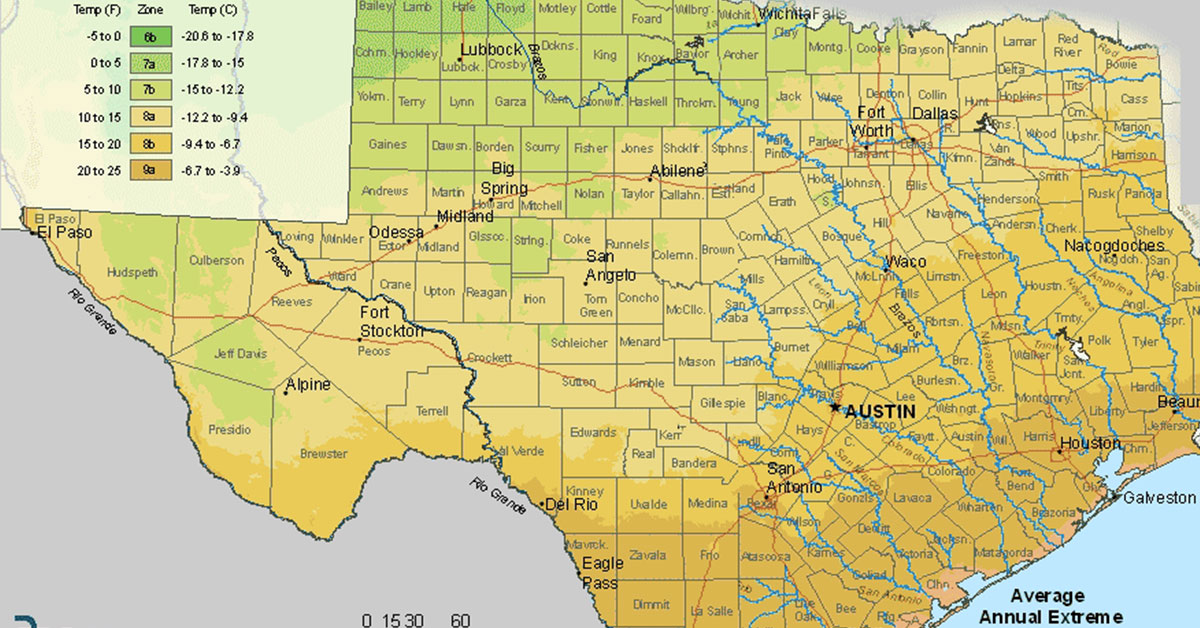
Dallas, Texas, falls predominantly into USDA Growing Zone 8a. This classification is significant because it directly informs gardeners about the minimum temperatures the region can expect, which is a primary determinant of plant survival for perennial species. Zone 8a indicates that the average annual minimum winter temperature in Dallas ranges from 10°F to 15°F (-12.2°C to -9.4°C). While this might sound chilly, it’s relatively mild compared to many other parts of the United States. This moderate winter climate means that a wide variety of plants, including many that are considered tender in colder climates, can successfully overwinter and return year after year in Dallas.
The implications of being in Zone 8a are far-reaching for any aspiring horticulturist in Dallas. It means that many tropical and semi-tropical plants, which might only be grown as annuals elsewhere, can potentially be treated as perennials. Think of plants like certain varieties of hibiscus, lantana, and even some citrus trees that can survive the winter with minimal protection. This opens up a broader palette of colors, textures, and scents for gardeners to experiment with. Furthermore, it means that the planning for spring planting can begin earlier, as the risk of severe frost damage is lower.
However, it’s important to remember that the growing zone is just one piece of the puzzle. While it dictates the minimum winter temperature, Dallas is also known for its scorching hot and often humid summers. This extreme heat is another critical factor that gardeners must consider. Plants that might survive the winter in Zone 8a may struggle or even perish during the intense summer heat if they are not suited to high temperatures and drought conditions. Therefore, a successful gardening strategy in Dallas involves selecting plants that can tolerate both the mild winters and the punishing summers, or employing specific techniques to mitigate the effects of extreme heat, such as providing adequate shade and consistent watering.
Gardening in Zone 8a: Opportunities and Challenges
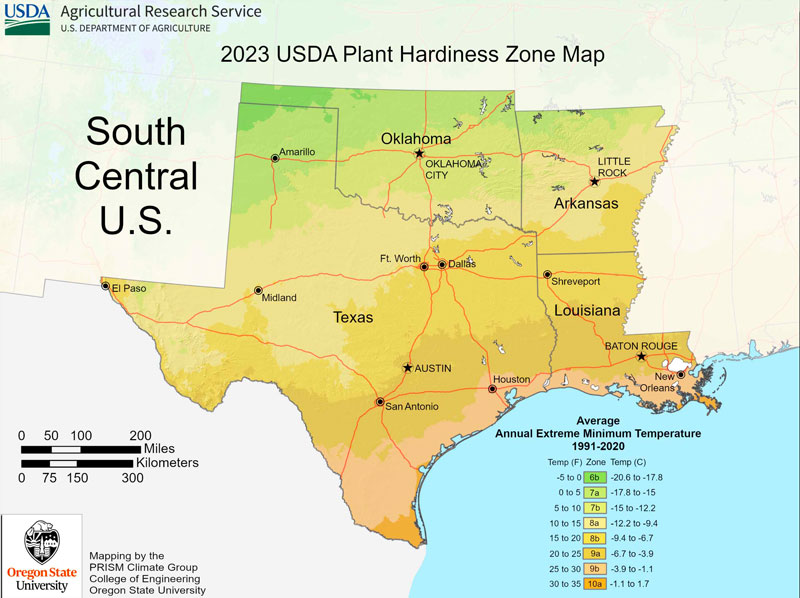
The designation of Dallas, Texas, as USDA Growing Zone 8a presents a unique set of opportunities and challenges for gardeners. The relatively mild winters are a significant advantage, allowing for a longer growing season and the cultivation of a diverse range of flora. This mildness means that many plants that require overwintering indoors in colder climates can thrive outdoors in Dallas. For instance, gardeners can often enjoy perennials like certain varieties of roses, lavender, and even some sensitive herbs throughout the year, with perhaps only a light covering needed during the coldest snaps.
One of the most exciting aspects of gardening in Zone 8a is the ability to experiment with plants that hail from warmer climates. This can include a variety of flowering shrubs, ornamental grasses, and even some fruit-bearing trees that might not survive further north. The extended period of warmth allows for early spring planting, giving gardeners a head start on the growing season. This is particularly beneficial for vegetables, as crops like tomatoes, peppers, and squash can be planted earlier, leading to earlier harvests. The relatively short duration of significant frost also means less worry about protecting sensitive plants during brief cold spells.
However, the flip side of Dallas’s climate, and a major challenge for gardeners in Zone 8a, is the intense summer heat. Texas summers are notorious for their high temperatures, often exceeding 100°F (37.8°C) for extended periods, coupled with high humidity. This can be stressful for many plants, even those that can survive the winter. Plants adapted to cooler summers may wilt, scorch, or fail to produce flowers or fruit. Successful gardening in Dallas therefore requires a careful selection of heat-tolerant varieties. This might include native Texas plants that are naturally adapted to the local conditions, such as various types of coneflowers, salvias, and ornamental grasses that can withstand prolonged periods of heat and drought.
Beyond plant selection, successful gardening in Zone 8a also involves employing strategic horticultural practices to combat the summer heat. Providing adequate shade for susceptible plants, especially during the hottest parts of the day, is crucial. This can be achieved through the use of shade cloths, strategically placed trees, or by incorporating taller, heat-tolerant plants to create natural shade. Mulching is another essential technique, helping to retain soil moisture, suppress weeds, and keep the soil cooler around plant roots. Efficient watering practices are also paramount. Deep, infrequent watering is generally more beneficial than shallow, frequent watering, as it encourages plants to develop deeper root systems, making them more resilient to drought. Composting and amending the soil with organic matter can also improve its water-holding capacity, further aiding plants during dry spells.
Beyond the Garden: Growing Zones and Dallas’s Outdoor Lifestyle
The growing zone of Dallas, Texas, extends its influence far beyond the confines of individual gardens, shaping the city’s broader landscape and contributing to its distinctive outdoor lifestyle. The ability to cultivate a wide variety of plant life, from resilient native species to more tender ornamentals, contributes to the city’s aesthetic appeal. Lush green spaces, vibrant flower displays in public parks, and tree-lined streets are all partly a consequence of the favorable growing zone. This environmental backdrop enhances the quality of life for residents and visitors alike, providing a pleasant setting for outdoor activities.
Parks such as Klyde Warren Park, which famously spans a freeway, benefit from a climate that supports diverse plantings, offering shaded areas and colorful blooms for relaxation and recreation. Similarly, the verdant expanses of Dallas Arboretum and Botanical Garden showcase a spectacular array of flora, much of which is cultivated with an understanding of the Zone 8a climate. The architectural beauty of landmarks like the Margaret Hunt Hill Bridge is often complemented by carefully curated landscaping that thrives in the local conditions.
The mild winters in Zone 8a also play a significant role in Dallas’s reputation as a city that embraces outdoor living year-round. While other cities might retreat indoors during the colder months, Dallas residents can often enjoy al fresco dining, outdoor concerts, and sporting events with relative comfort. The presence of numerous hotels and resorts, such as the Ritz-Carlton, Dallas, and the Hotel ZaZa Dallas, often feature attractive outdoor spaces, including pools and patios, that are viable for much of the year. This outdoor-centric lifestyle is a key component of the city’s appeal for tourism and is made possible, in part, by the climate dictated by its growing zone.
The choice of trees lining the streets, from majestic oaks to flowering magnolias, is also influenced by the growing zone. These trees provide shade, improve air quality, and enhance the visual appeal of neighborhoods. The success of these urban forests is a testament to the suitability of the Zone 8a climate for a wide range of deciduous and evergreen species. Ultimately, the growing zone is not just a number for gardeners; it’s a fundamental characteristic of Dallas, Texas, that shapes its environment, influences its economy through landscaping and nursery industries, and underpins its vibrant outdoor culture, making it an attractive destination for both residents and travelers seeking a blend of urban sophistication and natural beauty.
LifeOutOfTheBox is a participant in the Amazon Services LLC Associates Program, an affiliate advertising program designed to provide a means for sites to earn advertising fees by advertising and linking to Amazon.com. Amazon, the Amazon logo, AmazonSupply, and the AmazonSupply logo are trademarks of Amazon.com, Inc. or its affiliates. As an Amazon Associate we earn affiliate commissions from qualifying purchases.