
Texas, a state synonymous with vast landscapes, rich history, and a fiercely independent spirit, also boasts a culinary scene as diverse and expansive as its borders. While often conjusted with images of cowboys and oil rigs, its true gastronomic identity is a vibrant tapestry woven from a confluence of cultures and traditions. From smoky barbecue pits that have perfected the art of slow-cooked meats to zesty Tex-Mex creations that have become an international phenomenon, the food of [Texas](https://lifeout
Texas BBQ: A Smoky, Savorous Legend
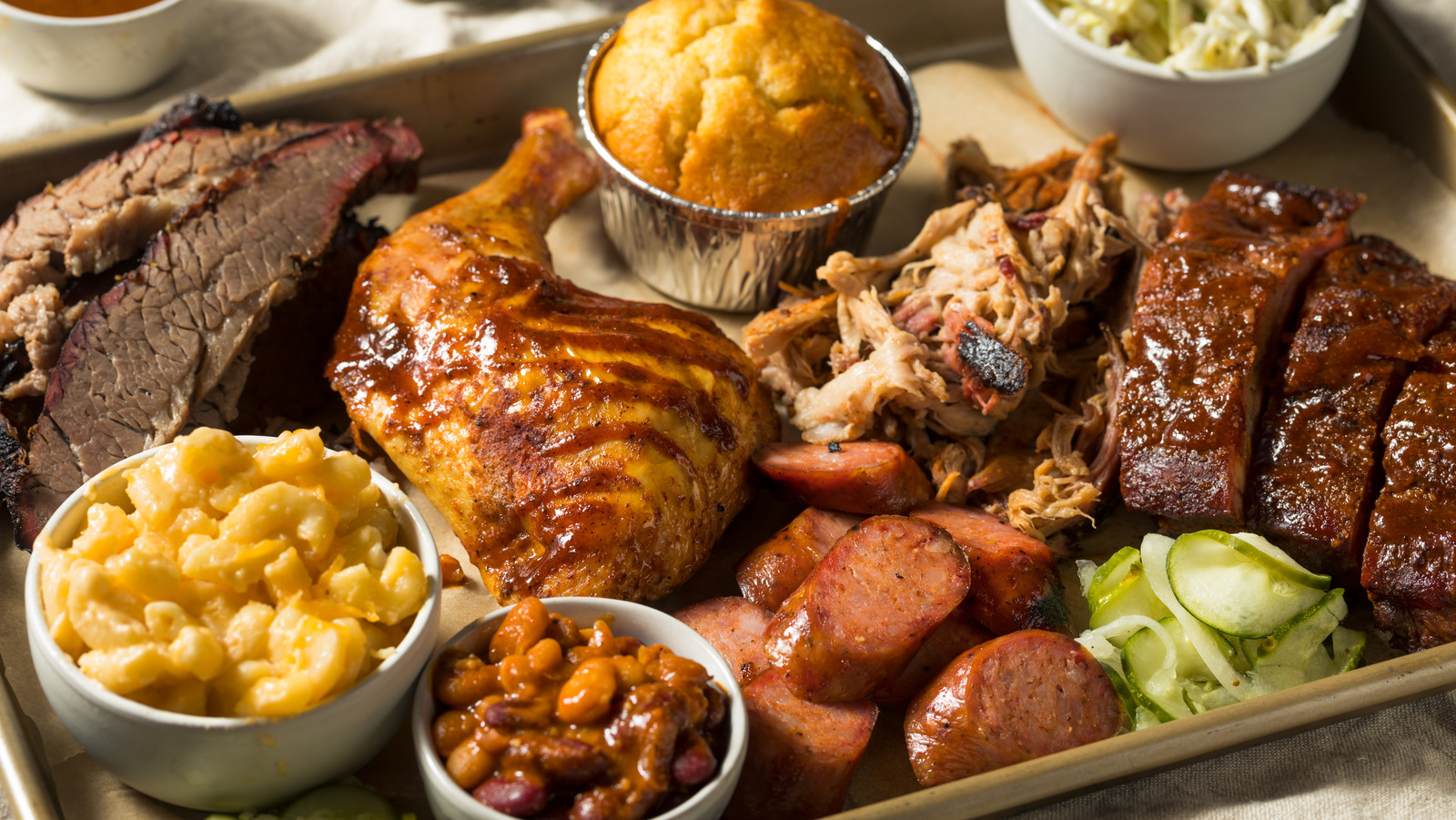
At the very heart of Texan culinary identity lies barbecue. It’s not merely a meal; it’s a ritual, a deeply ingrained cultural practice passed down through generations. The smoky aroma wafting from roadside shacks and renowned establishments alike is the siren song of Texas. The state is geographically divided into distinct barbecue regions, each with its own unique style and preferred cuts of meat.
Central Texas: The Brisket Capital
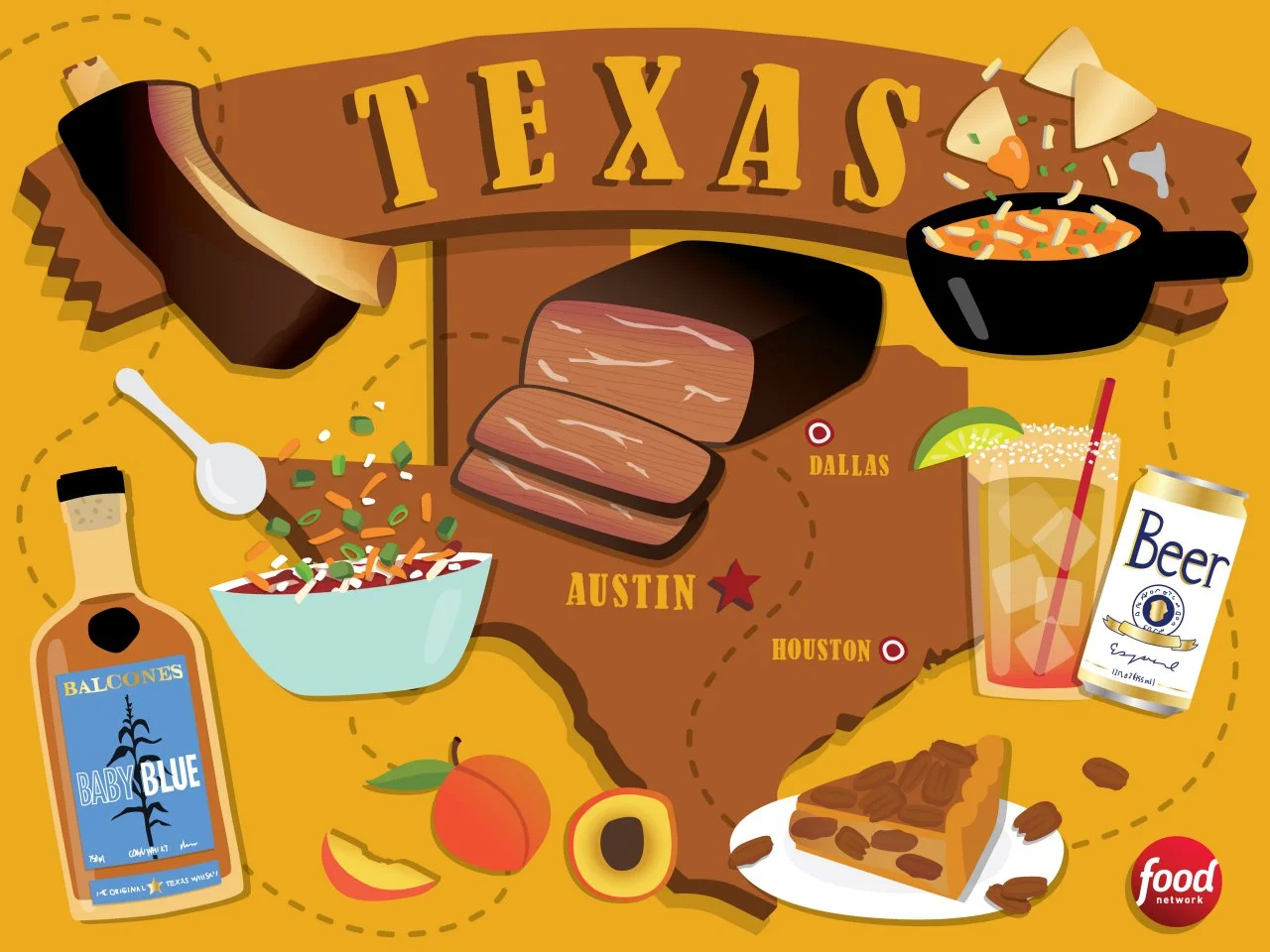
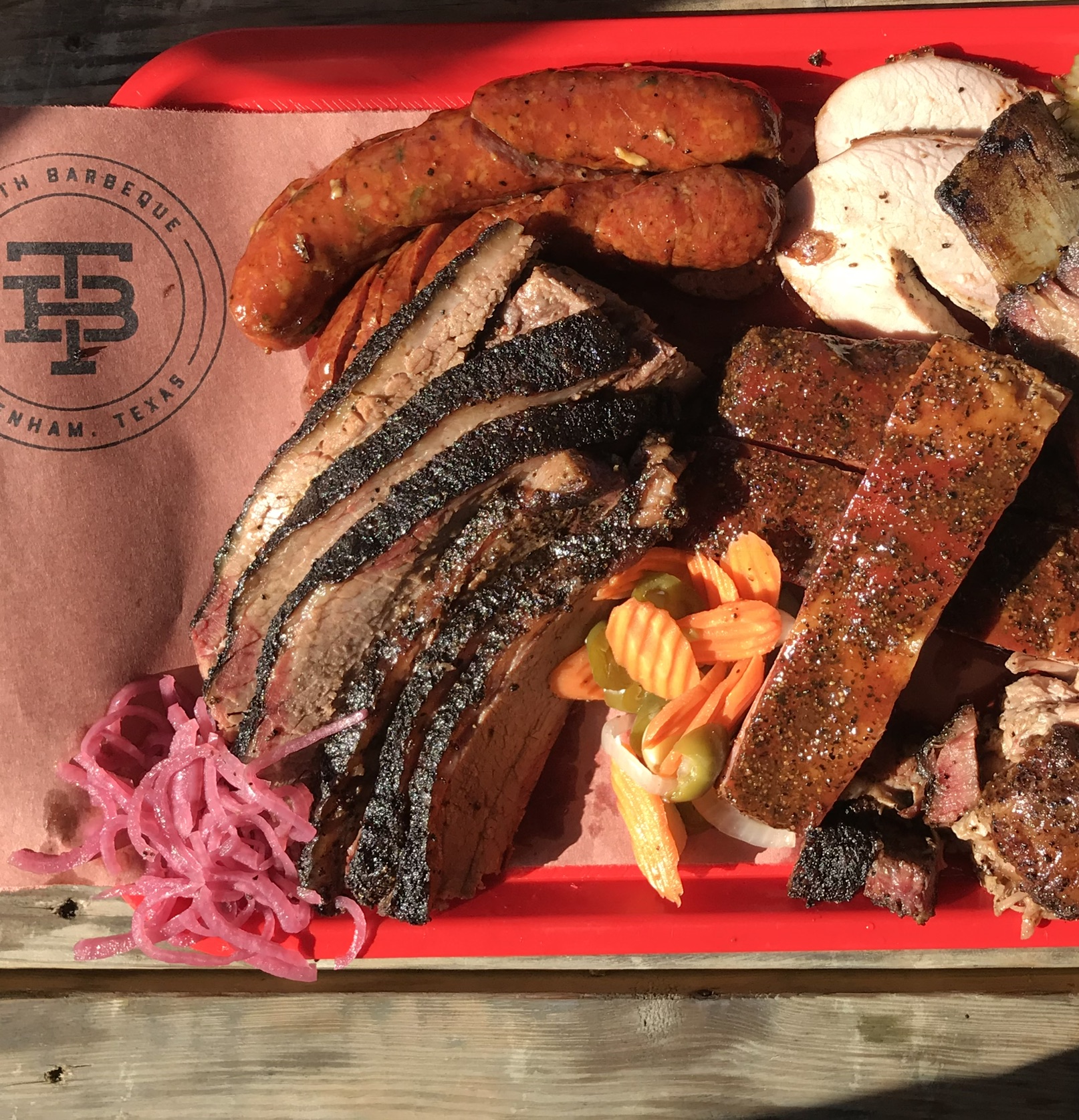
In Central Texas, particularly in cities like Austin and Lockhart, brisket reigns supreme. This cut, often perceived as tough and unforgiving, is transformed by skilled pitmasters into a melt-in-your-mouth masterpiece. The process is a testament to patience and precision: a generous rub of salt and black pepper, followed by hours of slow smoking over indirect heat, usually from post oak wood. The result is a bark – that dark, flavorful crust – that complements the impossibly tender, juicy meat within. Sliced thickly and served with minimal adornment, often just white bread, pickles, and raw onion, the focus remains squarely on the quality of the beef. Iconic spots like Franklin Barbecue in Austin have achieved near-mythical status, drawing crowds from around the globe for a taste of their legendary brisket. Other essential stops in this region include Kreuz Market and Smitty’s Market in Lockhart, both steeped in tradition and renowned for their authentic approach to Central Texas-style barbecue.
East Texas: The Pork Rib Haven
Venturing into East Texas, the spotlight shifts to pork ribs. Here, pork ribs are often slathered in a tangy, tomato-based sauce before or during the smoking process. The meat is typically cooked until it’s tender but still has a slight chew, offering a delightful contrast to the rich sauce. Sausage, often a house-made blend, also plays a significant role in East Texas barbecue, frequently served alongside the ribs. The sauces in this region tend to be sweeter and more pronounced than in other parts of the state, offering a sticky, delicious glaze.
South Texas: The Barbacoa Tradition
South Texas, with its strong Mexican heritage, offers a distinct barbecue experience with barbacoa. Traditionally, barbacoa involves slow-cooking beef cheeks or heads over an open pit, often wrapped in maguey leaves. The result is incredibly tender, rich, and flavorful meat that is a staple for weekend breakfasts and family gatherings. This style is deeply connected to Mexican culinary traditions and highlights the nuanced flavors derived from slow, moist cooking. It’s a more delicate and nuanced flavor profile compared to the more robust smoke of other Texas regions.
West Texas: The Direct Heat Approach
In West Texas, a unique style known as “cowboy style” or “direct heat” barbecue is prevalent. Instead of indirect heat, the meat, often a whole packer brisket or large cuts of beef, is cooked directly over coals. This method requires constant attention and skill to prevent burning while achieving a perfectly cooked interior and a beautifully seared exterior. The focus here is on the pure, unadulterated flavor of the beef, seasoned simply and cooked with fire. This robust, primal approach to cooking meat is a testament to the resourcefulness and enduring spirit of the cowboys who settled this rugged land.
Tex-Mex: A Flavorful Fusion
Beyond barbecue, Tex-Mex cuisine stands as another monumental pillar of Texas’s culinary identity. This beloved cuisine is a harmonious marriage of Mexican and American (specifically Texan) culinary traditions, born out of necessity and evolving into a vibrant, internationally recognized food genre. While some purists might debate its authenticity, the sheer deliciousness and widespread appeal of Tex-Mex are undeniable.
Key Ingredients and Dishes
The foundation of Tex-Mex lies in its generous use of ingredients like cheese, cumin, chili powder, and ground beef. Staples such as fajitas, enchiladas, tacos, and quesadillas are all Tex-Mex icons. Fajitas, often featuring strips of marinated, grilled steak or chicken served with sizzling onions and peppers, are a quintessential Tex-Mex experience, typically enjoyed with warm tortillas, pico de gallo, guacamole, and sour cream. Enchiladas involve corn tortillas rolled around a filling (often cheese, chicken, or beef), smothered in a chili sauce, and baked. The variations are endless, and each restaurant often boasts its own signature enchilada sauce, ranging from mild and creamy to fiery and complex.
Chili con Carne, while its exact origins are debated, is deeply intertwined with Texan identity. The true Texas chili, according to aficionados, contains no beans or tomatoes, focusing solely on chunks of beef, chili peppers, and spices, simmered for hours to develop a rich, deep flavor.
The Role of Salsa and Queso
No Tex-Mex meal is complete without a generous serving of salsa and queso. Salsa, in its myriad forms – from chunky pico de gallo to smooth, roasted varieties – provides a fresh, zesty counterpoint to rich dishes. Queso, a molten cheese dip, often infused with chiles, tomatoes, and sometimes ground beef or chorizo, is a communal delight, perfect for dipping tortilla chips. Restaurants like Matt’s El Rancho in Austin have become legendary for their classic Tex-Mex fare, including their famous Bob Armstrong Dip.
Beyond the Icons: A Deeper Dive into Texas Flavors
While barbecue and Tex-Mex often dominate the conversation, the culinary landscape of Texas is far richer and more diverse than these iconic dishes might suggest. The state’s history as a crossroads of cultures has fostered a dynamic food scene that embraces global influences and regional specialties.
German and Eastern European Influences
In the Texas Hill Country, a unique culinary heritage can be traced back to German and Eastern European immigrants who settled in towns like Fredericksburg and New Braunfels. These communities have preserved traditions of hearty, rustic cooking, evident in dishes like schnitzel, sauerbraten, and kolaches – sweet or savory pastries that are a delightful breakfast or snack. The annual Wurstfest in New Braunfels celebrates this heritage with an abundance of German beers, sausages, and traditional music.
Cajun and Creole Flavors in Southeast Texas
The southeastern corner of Texas, bordering Louisiana, has absorbed the vibrant flavors of Cajun and Creole cuisine. This influence can be seen in dishes like crawfish étouffée, gumbo, and blackened fish, which are popular in cities like Houston. These dishes bring a distinct spice and richness, often featuring seafood, rice, and a flavorful roux-based sauce.
Global Cuisine in Urban Hubs
Major metropolitan areas like Houston, Dallas, and Austin are melting pots of global cuisines. From authentic Vietnamese pho and Salvadoran pupusas to upscale Indian curries and innovative fusion restaurants, these cities offer a staggering array of dining experiences. Houston, in particular, is celebrated for its exceptional Vietnamese food scene, while Dallas boasts a sophisticated dining landscape with influences from around the world. Austin continues to evolve, with a burgeoning fine-dining scene alongside its renowned food truck culture, offering everything from gourmet tacos to inventive vegan creations.
Pecans, Peaches, and Local Produce
Texas also takes pride in its agricultural bounty. Pecans are a statewide obsession, found in pies, pralines, and as a popular snack. The Texas Hill Country is also known for its peaches, celebrated each year with festivals and fresh produce. These local ingredients are increasingly being highlighted by chefs and home cooks alike, underscoring a growing appreciation for farm-to-table dining and the unique flavors of the Lone Star State.
Whether you’re a seasoned foodie or a curious traveler, exploring the food of Texas is an adventure in itself. It’s a journey through history, culture, and a whole lot of deliciousness, proving that the heart of Texas truly beats in its kitchens and at its smoky barbecue pits.
LifeOutOfTheBox is a participant in the Amazon Services LLC Associates Program, an affiliate advertising program designed to provide a means for sites to earn advertising fees by advertising and linking to Amazon.com. Amazon, the Amazon logo, AmazonSupply, and the AmazonSupply logo are trademarks of Amazon.com, Inc. or its affiliates. As an Amazon Associate we earn affiliate commissions from qualifying purchases.