
Texas, a state synonymous with wide-open spaces, rugged individualism, and a rich Western heritage, is famously home to ranches of colossal proportions. These aren’t just farms; they are sprawling empires of land, often measured in hundreds of thousands of acres, that define the very essence of the Lone Star State. When one asks, “What is the biggest ranch in Texas?”, they’re not just inquiring about a piece of property; they’re delving into the history, culture, and enduring allure of Texan ranching. The answer, steeped in both fact and legend, points to a name that resonates with grandeur: the King Ranch.

While the concept of “biggest” can sometimes be debated based on specific metrics or historical claims, the King Ranch consistently emerges as the undisputed champion when discussing the largest privately owned ranch in Texas. Its sheer scale is almost incomprehensible to those accustomed to more confined landscapes. To truly grasp its magnitude, one must consider not only the acreage but also its historical significance, its economic impact, and its indelible mark on the Texan identity.
The Reigning Monarch: The King Ranch
The King Ranch is not merely a ranch; it is a legendary institution. Founded in 1853 by Captain Richard King, a steamboat captain and entrepreneur, its origins are as captivating as its present-day size. Captain King, along with his partner Gideon Lewis, purchased an initial 15,000 acres in South Texas. Through shrewd business dealings, strategic land acquisitions, and the relentless pursuit of expansion, the ranch grew exponentially over generations, becoming a testament to the pioneering spirit and enduring legacy of the King family and their partners.
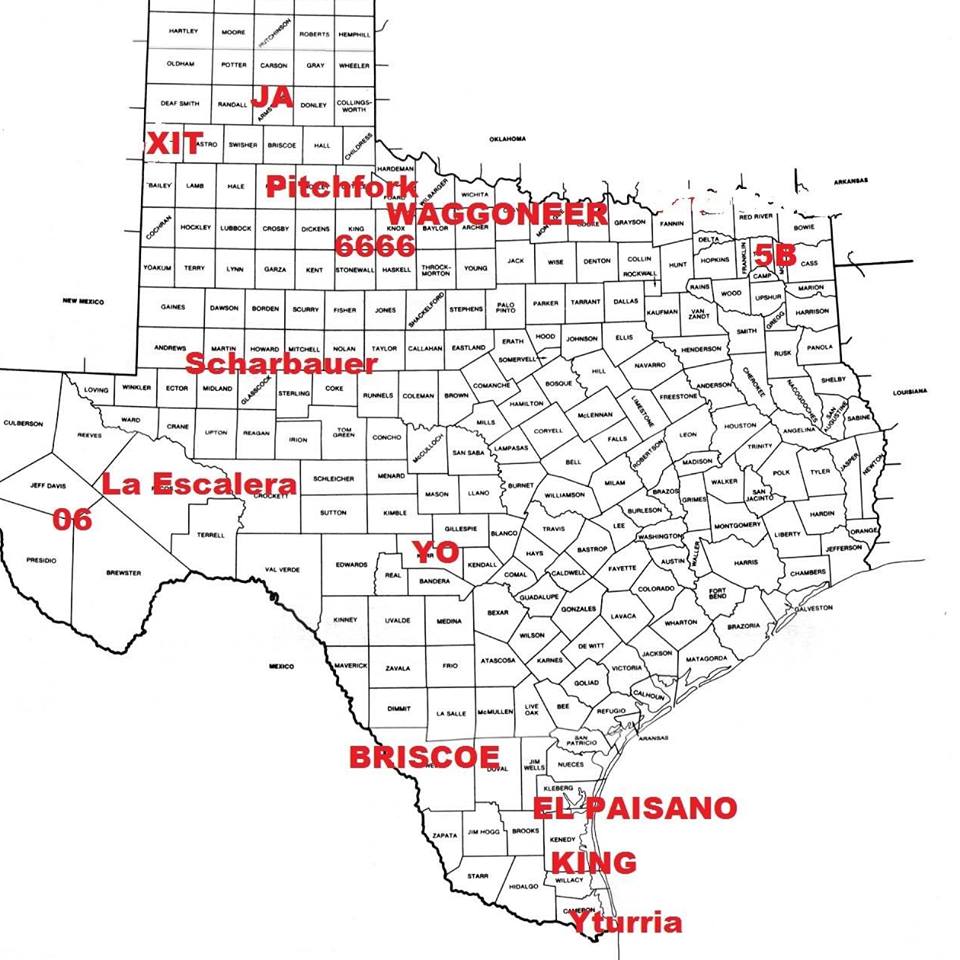
Today, the King Ranch encompasses an astounding over 800,000 acres. This is an area larger than the entire U.S. state of Rhode Island. To put this into further perspective, it’s more than 1.2 million acres of land that stretches across multiple South Texan counties, including Kenedy County, Kleberg County, Brooks County, and Willacy County. The vastness of the King Ranch is not just about numbers; it’s about the diverse ecosystems it encompasses, from coastal plains to chaparral brush country, supporting a rich array of wildlife and agricultural endeavors.
A Legacy of Innovation and Expansion
The story of the King Ranch is a compelling narrative of innovation, resilience, and ambitious expansion. Captain Richard King’s vision extended far beyond simply raising cattle. He recognized the potential of the rugged Texan landscape and understood the importance of infrastructure and resource management. His early endeavors included developing water sources, which were crucial for sustaining large herds in an often arid environment.
The ranch’s growth was not without its challenges. It faced periods of drought, economic downturns, and the constant need to adapt to changing agricultural practices. However, the King family and the ranch’s management consistently demonstrated an ability to overcome obstacles. This adaptability is a hallmark of successful large-scale ranching operations and a key reason for the King Ranch’s continued prominence.
The ranch is renowned for its breeding programs, particularly its contributions to the development of the Santa Gertrudis breed of cattle, a hardy and heat-tolerant animal perfectly suited to the Texan climate. This innovation in livestock management further solidified the ranch’s reputation and economic success.
Furthermore, the King Ranch has diversified its operations over time. While cattle remain a cornerstone, the ranch also engages in farming, timber production, and land management for conservation purposes. This diversification has helped ensure its long-term viability and its position as a significant economic force in the region.
Beyond the Acreage: What Makes the King Ranch So Significant?
The sheer scale of the King Ranch is undeniably impressive, but its significance extends far beyond its vast acreage. It is a living museum of Texan history, a testament to agricultural innovation, and a powerful symbol of the cowboy culture that remains deeply ingrained in the state’s identity.
A Living Landmark and Historical Treasure
The King Ranch is designated as a National Historic Landmark, a recognition of its profound historical importance. Its sprawling landscape tells a story of frontier life, of the challenges and triumphs of early Texan settlers, and of the evolution of the cattle industry. The ranch’s headquarters, the historic Santa Gertrudis division, is a hub of activity and a tangible link to the past. Visitors can still experience remnants of its early days, imagining the life of the cowboys and ranchers who worked this immense territory.
The ranch has been involved in numerous historical events and developments. During the Civil War, Captain Richard King used his steamboats to supply Confederate troops, highlighting the ranch’s early integration into the economic and political landscape of Texas. Over the decades, it has played a crucial role in shaping the agricultural economy of South Texas, influencing land use, water rights, and the development of the region.
The iconic “Running W” brand, a symbol of the King Ranch, is recognized worldwide, representing not just a mark of ownership but also a seal of quality and a symbol of Texan heritage. This brand has been an integral part of the ranch’s identity for generations, adorning everything from cattle to clothing lines.
A Hub for Tourism and Lifestyle
While much of the King Ranch remains private and dedicated to its agricultural operations, it also offers opportunities for visitors to experience its unique allure. Through guided tours and its association with retail and hospitality ventures, the ranch allows a glimpse into its storied past and its vibrant present.
The King Ranch offers various visitor experiences, ranging from historical tours of its headquarters to wildlife excursions. These experiences provide a tangible connection to the cowboy lifestyle and the natural beauty of the Texan landscape. For those interested in luxury travel and unique accommodations, the ranch’s influence can be seen in related enterprises that capture the essence of Texan ranch life.
The ranch’s legacy has also inspired a popular line of retail products, including clothing, home goods, and food items, all bearing the distinguished “Running W” brand. These products allow people to bring a piece of the King Ranch experience into their own lives, embodying the spirit of the West.
For travelers seeking an authentic Texan experience, visiting the King Ranch or exploring destinations influenced by its legacy offers a deep dive into the state’s unique culture. Whether it’s through staying at a boutique hotel that evokes ranch-style charm or participating in activities that celebrate cowboy heritage, the spirit of the King Ranch permeates many aspects of tourism in Texas.
Other Notable Texas Ranches and Their Significance
While the King Ranch stands as the undisputed giant, it’s important to acknowledge that Texas is home to numerous other vast and historically significant ranches. These properties, though perhaps not reaching the same astronomical acreage, contribute immensely to the state’s agricultural output, its economy, and its enduring cowboy culture.
The Vastness of Texas Ranching
The definition of a “ranch” in Texas often implies significant acreage dedicated to raising livestock, primarily cattle. However, modern ranching also encompasses land stewardship, wildlife management, and a growing emphasis on sustainable practices. Many of these large ranches are multigenerational family enterprises, passed down through families who have deep roots in the land and a profound understanding of its needs.
Some of the other prominent ranches in Texas include the Waggoner Ranch (which was historically one of the largest, though it has since been broken up and sold in parts), the Four Sixes Ranch, and the JA Ranch. Each of these possesses its own unique history, operational focus, and contributions to the Texan landscape.
For instance, the Four Sixes Ranch, established in 1870, is celebrated for its Quarter Horse breeding program and its role in raising high-quality cattle. It represents another pillar of the traditional Texan ranching model, emphasizing heritage breeds and time-honored practices.
The ongoing sale and division of large ranches, like the former Waggoner Ranch, highlight the changing dynamics of land ownership and the economic realities of managing immense tracts of land in contemporary times. Nevertheless, the legacy of these properties continues to shape the agricultural and cultural fabric of Texas.

The Enduring Appeal of Texas Ranch Life
The allure of Texan ranch life extends beyond the working ranches themselves. It has inspired a unique lifestyle that is celebrated in art, literature, music, and film. For travelers, experiencing this lifestyle can be a deeply rewarding adventure. This can involve visiting dude ranches that offer a taste of the cowboy experience, staying in charming rural accommodations, or exploring the historic towns that dot the ranching regions of Texas.
The connection between the land and its people is palpable in Texas. The vastness of the landscape, the iconic image of a cowboy on horseback, and the robust flavor of Texan cuisine all contribute to an identity that is inextricably linked to its ranching heritage. Whether one is captivated by the sheer scale of the King Ranch or drawn to the romantic ideal of life on the open range, the world of Texas ranches offers a compelling journey into the heart of the American West.
The King Ranch, with its unparalleled size and storied history, stands as the ultimate answer to “What is the biggest ranch in Texas?”. Yet, it is just one facet of the immense and captivating world of Texan ranching, a world that continues to inspire and enthrall visitors and locals alike. Its influence shapes not only the landscape but also the very spirit of Texas, making it a destination of enduring fascination.
LifeOutOfTheBox is a participant in the Amazon Services LLC Associates Program, an affiliate advertising program designed to provide a means for sites to earn advertising fees by advertising and linking to Amazon.com. Amazon, the Amazon logo, AmazonSupply, and the AmazonSupply logo are trademarks of Amazon.com, Inc. or its affiliates. As an Amazon Associate we earn affiliate commissions from qualifying purchases.