
Navigating the legal landscape of alcohol consumption is a crucial aspect of enjoying your travels, particularly when exploring new destinations with varying regulations. If you’re planning a trip to the Lone Star State, a common and important question that arises is: What is the drinking age in Texas? Understanding this fundamental law is key to a smooth and enjoyable experience, whether you’re a solo traveler, part of a family vacation, or embarking on a business trip. This article will delve into the specifics of Texas’s drinking age, its historical context, and the practical implications for visitors.

The United States, in general, has a federal law that mandates a minimum drinking age of 21. This is largely influenced by the National Minimum Drinking Age Act of 1984, which established this age as a condition for states to receive federal highway funding. Consequently, all 50 states, including Texas, adhere to this standard. So, to answer the core question directly: the legal drinking age in Texas is 21.
Understanding the Legal Framework
The National Minimum Drinking Age Act of 1984
The journey to a uniform drinking age of 21 across the United States wasn’t a sudden development. Before the National Minimum Drinking Age Act of 1984, individual states had their own laws regarding alcohol consumption, leading to a patchwork of regulations. Some states allowed 18-year-olds to purchase and consume alcohol, while others had different age limits. This inconsistency created concerns about interstate “trickle-down” effects, where young people might travel to states with lower drinking ages.
The federal government, under President Ronald Reagan, enacted the National Minimum Drinking Age Act of 1984, which pressured states to raise their minimum drinking age to 21. The act stipulated that states not complying with this age requirement would face a reduction in federal highway construction funds. This financial incentive proved highly effective, and by 1988, all states had raised their drinking age to 21. Texas, like the rest of the nation, complied with this federal mandate.
Texas Alcoholic Beverage Code
In Texas, the specific laws governing alcohol are detailed within the Texas Alcoholic Beverage Code. This comprehensive code outlines various aspects of alcohol sales, distribution, and consumption, including the age requirements. The code clearly states that it is illegal for any person under the age of 21 to purchase an alcoholic beverage or to possess an alcoholic beverage. It also prohibits the sale of alcohol to individuals under 21.
This means that if you are under 21, you cannot legally purchase alcohol from a store, bar, or restaurant in Texas. You also cannot legally consume alcohol in public places or private establishments where it is being served. The law is strictly enforced to ensure public safety and reduce alcohol-related harm.
Practical Implications for Travelers
Understanding the legal drinking age of 21 in Texas has several practical implications for visitors. Whether you’re planning a trip to Austin for its vibrant live music scene, a family vacation to the Texas Hill Country for its wineries and scenic beauty, or a business stay in Dallas, knowing these rules will help you avoid potential issues.
Identification Requirements
One of the most common scenarios travelers encounter is the need to prove their age. Establishments that sell or serve alcohol, such as bars, restaurants, and liquor stores, are required by law to check identification for anyone who appears to be under a certain age. In Texas, this often means that even if you are 21 or older, you may be asked for identification.
When traveling to Texas, it is essential to carry a valid form of identification that clearly states your date of birth. Accepted forms of identification typically include:
- A valid driver’s license from any U.S. state or territory.
- A state-issued identification card.
- A U.S. passport or passport card.
- A foreign passport.
- A U.S. military identification card.
Be aware that temporary identification or expired licenses are generally not accepted. It is always a good idea to err on the side of caution and have your ID readily accessible when you plan to be in any establishment where alcohol is served or sold. This is particularly important if you are celebrating a birthday around the legal drinking age.
Consequences of Violations
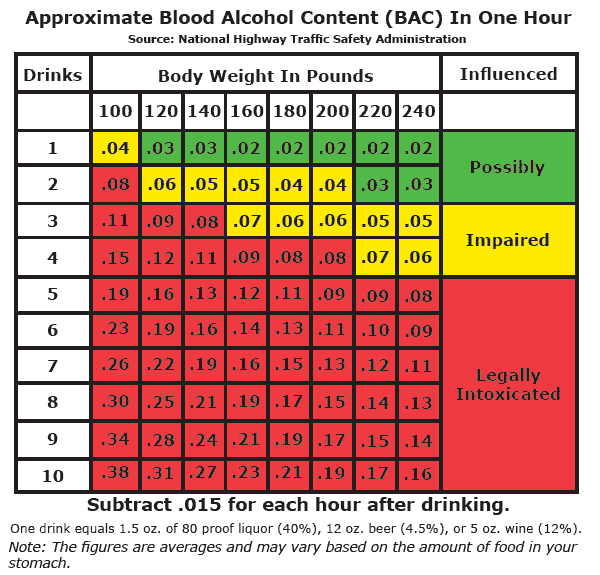
The consequences for violating the drinking age laws in Texas can be significant, impacting both the individual and the establishment.
For Individuals Under 21:
- Minor in Possession (MIP): If an individual under 21 is found to be in possession of alcohol, they can face charges of Minor in Possession. This can result in fines, mandatory alcohol awareness classes, community service, and a temporary suspension of their driver’s license. A conviction can also appear on a criminal record, potentially affecting future employment or educational opportunities.
- Misrepresentation of Age: Attempting to purchase alcohol by misrepresenting your age is also a serious offense with similar penalties. This could involve using a fake ID or presenting someone else’s ID.
For Establishments:
- Businesses that serve alcohol to minors face severe penalties, including fines, suspension or revocation of their liquor license, and potential criminal charges. This is why establishments are diligent about checking IDs.
For travelers, understanding these penalties underscores the importance of adhering to the legal drinking age. It’s about more than just avoiding trouble; it’s about respecting local laws and contributing to a safe environment for everyone.
Beyond the Basics: Related Considerations for Travelers
While the drinking age is the primary concern, several other aspects related to alcohol consumption and travel in Texas are worth noting, especially as they tie into the broader travel and lifestyle themes of destinations, accommodations, and local culture.
Where Alcohol is Served and Sold
In Texas, alcohol can be purchased and consumed in various settings. Restaurants that serve food can obtain licenses to sell beer, wine, and mixed beverages. Bars and taverns are primarily focused on alcohol sales. Liquor stores sell spirits, wine, and beer for off-premise consumption.
Understanding where you can legally purchase alcohol is important for planning your itinerary. For example, if you’re exploring the historic Riverwalk in San Antonio, you’ll find numerous restaurants and bars where you can enjoy a drink with a meal or on its own, provided you meet the age requirement. Similarly, if you’re staying in a suite or villa in a Texas resort town like Galveston, you’ll want to know the on-site dining and bar options available.
Texas Distilleries and Wineries
Texas has a growing reputation for its craft beverage scene, including its own distilleries and wineries. While you must be 21 to consume alcohol, you can visit many of these establishments as a visitor. For instance, the Texas Hill Country is home to numerous wineries, offering tastings and tours. These experiences can be a highlight for those interested in local food and drinks.
When visiting these locations, remember that even if you are not drinking, you may be asked to show identification if you are accompanying someone who is. Some wineries also offer non-alcoholic beverages and food, making them accessible to all travelers.

Responsible Consumption and Travel Lifestyle
The theme of responsible consumption ties directly into the broader concept of lifestyle travel. Whether you’re enjoying luxury travel, exploring budget-friendly options, or on a family trip, making responsible choices about alcohol consumption enhances the overall experience.
- Luxury Travel: If you’re indulging in a stay at a high-end resort like The Driftwood Inn or exploring fine dining in Houston, responsible drinking ensures you fully appreciate the sophisticated atmosphere and services offered.
- Budget Travel: For those on a budget, understanding where to find affordable drinks legally is key. However, it’s also important not to let alcohol consumption lead to unnecessary expenses or risks.
- Family Trips: When traveling with family, especially if there are teenagers who are approaching the legal drinking age, it’s a good opportunity to discuss the laws and the importance of responsible decision-making. Attractions like theme parks or museums are generally family-friendly, and alcohol sales are typically regulated within these environments.
Ultimately, the drinking age in Texas is 21. This fundamental rule, established by federal law and upheld by the state’s Alcoholic Beverage Code, is a cornerstone of alcohol regulation. For travelers, adhering to this age requirement ensures a safe, legal, and enjoyable experience as you explore the diverse destinations, accommodations, and cultural experiences that Texas has to offer. Always have your valid identification ready, and embrace the vibrant spirit of the Lone Star State responsibly.
LifeOutOfTheBox is a participant in the Amazon Services LLC Associates Program, an affiliate advertising program designed to provide a means for sites to earn advertising fees by advertising and linking to Amazon.com. Amazon, the Amazon logo, AmazonSupply, and the AmazonSupply logo are trademarks of Amazon.com, Inc. or its affiliates. As an Amazon Associate we earn affiliate commissions from qualifying purchases.