
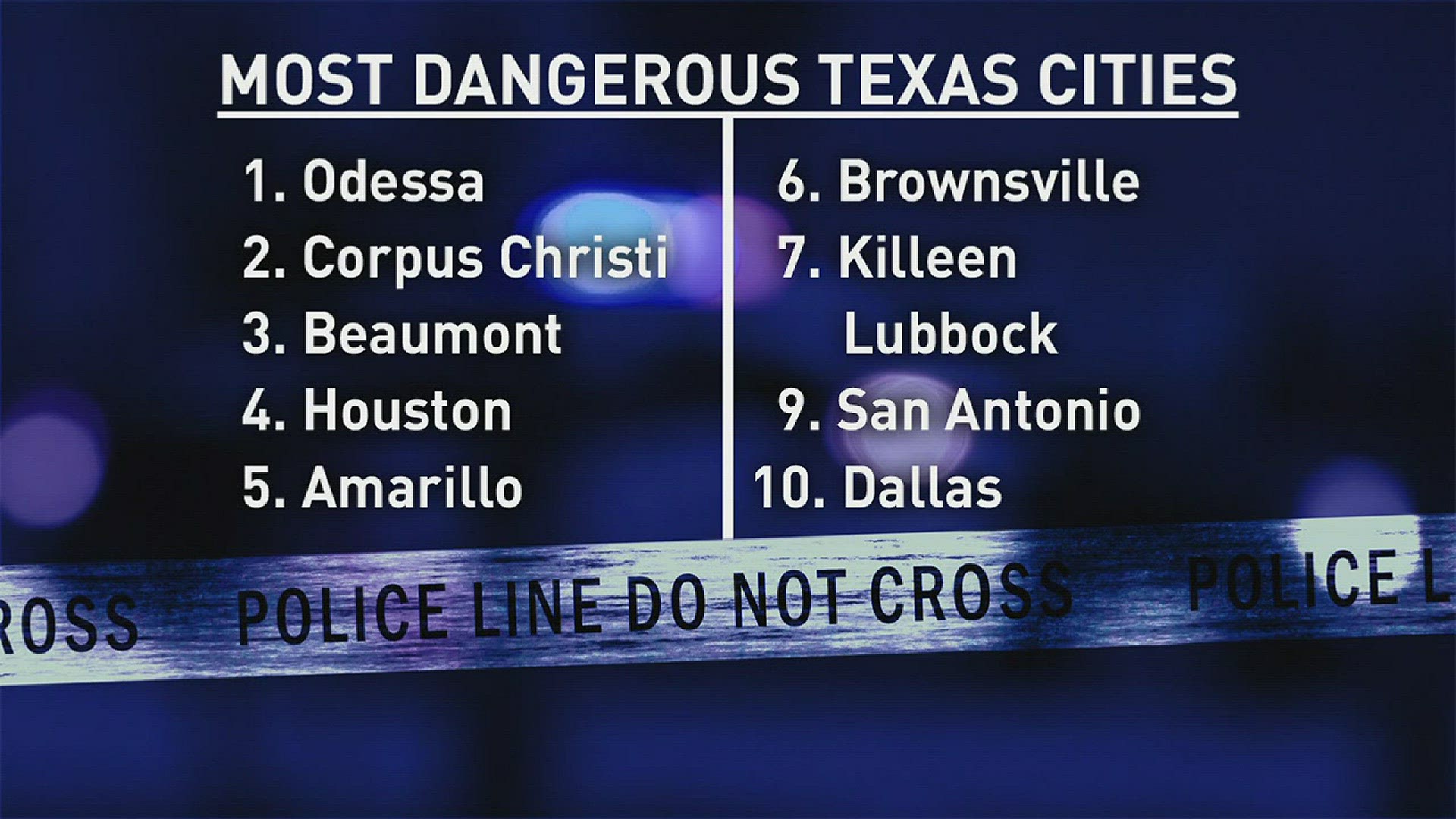
The Lone Star State, a vast and diverse landscape known for its sprawling ranches, vibrant cities, and rich history, also grapples with the realities of urban life, including crime. When considering the allure of Texas as a travel destination, with its unique blend of Southern charm and Western grit, it’s natural to wonder about safety. For travelers, tourists, and even those considering a longer stay, understanding which cities might present more challenges is a responsible aspect of planning. This exploration delves into the complex issue of crime rates in Texas cities, aiming to provide a nuanced perspective beyond simple statistics, touching upon the factors that contribute to safety perceptions and the realities on the ground.

Texas, a state that prides itself on its independent spirit and economic prowess, is home to a multitude of cities, each with its own character and challenges. From the bustling metropolises of Houston and Dallas to the historic charm of San Antonio and the cultural hub of Austin, these urban centers attract millions of visitors annually. They offer a wealth of attractions, from world-class museums and iconic landmarks to diverse culinary scenes and lively entertainment districts. However, like any major urban area, they also experience varying levels of crime.
Understanding Crime Statistics in Texas Cities
The question of “the most dangerous city” is often fueled by crime statistics. These numbers, typically reported by law enforcement agencies and compiled by organizations, provide a quantitative measure of criminal activity. It’s crucial to approach these statistics with a critical eye, recognizing that they are just one piece of a larger puzzle. Factors such as reporting methodologies, the types of crimes included (violent crime versus property crime), and the population density of a city can all influence the data.
Violent Crime Rates: A Closer Look
When discussing danger, violent crime—which includes offenses like murder, rape, robbery, and aggravated assault—often takes center stage. These are the incidents that evoke the most fear and concern among residents and visitors alike. Various reports and analyses attempt to rank cities based on their violent crime rates per capita. However, it’s important to remember that these rankings can fluctuate year by year and are often based on data from specific reporting periods.
For instance, a city might appear high on a list due to a temporary surge in specific types of crime, or the data might not fully account for the vast differences in population size and density. A smaller city with a high rate of a few isolated incidents might appear more dangerous statistically than a larger city with a higher absolute number of crimes but a much lower per capita rate. Therefore, a blanket declaration of “the most dangerous city” can be misleading and fail to capture the nuanced reality of safety within Texas’s diverse urban tapestry.
Property Crime: An Often Overlooked Factor
Beyond violent crime, property crime—including burglary, larceny-theft, and motor vehicle theft—also contributes to a city’s overall crime rate and impacts the sense of security. While these offenses may not involve direct physical harm, they can lead to significant financial losses and a feeling of vulnerability for individuals and businesses. Travelers, in particular, need to be aware of the potential for pickpocketing in crowded tourist areas or car break-ins in popular parking lots. Understanding the prevalence of property crime is as important as considering violent crime when assessing a city’s safety profile.
Factors Influencing Urban Safety Beyond Statistics
While crime statistics provide a quantitative baseline, the perception and reality of safety in any given city are influenced by a complex interplay of social, economic, and environmental factors. A purely statistical approach can overlook the underlying causes of crime and the efforts being made to address them.
Socioeconomic Conditions and Crime
There is a well-documented correlation between socioeconomic conditions and crime rates. Factors such as poverty, unemployment, lack of educational opportunities, and income inequality can contribute to higher crime levels in certain urban areas. Cities experiencing significant economic disparities may see concentrated pockets of crime, often linked to these systemic issues. Addressing these root causes through community programs, economic development initiatives, and social services is crucial for long-term crime reduction.
For example, investing in job training programs, affordable housing, and quality education can have a profound impact on improving the safety and well-being of residents. Conversely, cities that are thriving economically and offer broad opportunities to their citizens often experience lower crime rates. This is not to say that affluent areas are entirely crime-free, but the systemic pressures that can fuel certain types of crime are often lessened.
Law Enforcement Strategies and Community Engagement
The effectiveness of law enforcement agencies and their strategies plays a significant role in public safety. This includes not only the presence of police officers but also the types of policing employed, such as community policing initiatives that aim to build trust and cooperation between law enforcement and the communities they serve. Cities that prioritize community engagement, problem-oriented policing, and data-driven strategies are often more successful in reducing crime and enhancing public safety.
When residents feel a connection to their local law enforcement and believe that their concerns are being heard and addressed, it can foster a greater sense of security. Conversely, areas with strained relationships between the police and the community may struggle with higher crime rates, as effective crime prevention often relies on collaboration and information sharing.
Urban Design and Environmental Factors
The physical layout and environmental conditions of a city can also influence crime. Well-lit streets, well-maintained public spaces, and the presence of “eyes on the street” (i.e., people observing their surroundings) can deter criminal activity. Conversely, neglected areas, poor lighting, and abandoned buildings can create opportunities for crime and contribute to a feeling of unease. Urban planning that prioritizes safety, such as creating walkable neighborhoods, maintaining parks, and ensuring adequate street lighting, can contribute to a safer environment for everyone.
Navigating Texas Cities Safely: Practical Tips for Travelers and Residents
Regardless of the statistical rankings or perceived dangers, a proactive approach to safety is always recommended when traveling or living in any urban environment. Texas cities, with their diverse offerings, are generally safe for visitors who exercise common sense and awareness.
General Safety Precautions
When visiting any city, whether it’s the vibrant streets of Austin or the historic alleys of San Antonio, it’s wise to adhere to fundamental safety practices. This includes being aware of your surroundings, avoiding displaying large amounts of cash or valuables, and refraining from walking alone in dimly lit or unfamiliar areas, especially late at night.
- Stay Informed: Before arriving, research the specific neighborhoods you plan to visit. Many travel guides and local tourism websites offer safety tips for their respective areas.
- Secure Your Belongings: When staying in a hotel, ensure your room is locked at all times, and use the hotel safe for valuables. If you’re in a resort or vacation rental, apply the same vigilance.
- Transportation Safety: Use reputable taxi services or ride-sharing apps. Be cautious when accepting rides from unsolicited drivers. If you’re renting a car, be mindful of where you park, especially in busy downtown areas or near tourist attractions.
- Trust Your Instincts: If a situation feels unsafe, it probably is. Don’t hesitate to remove yourself from it.
Exploring Texas’s Attractions Responsibly
Texas is brimming with incredible attractions that make it a must-visit destination. From the Alamo in San Antonio to the Space Center Houston in Houston, there are countless landmarks and experiences to enjoy. Responsible exploration ensures that these enriching visits remain memorable for all the right reasons.
For families planning trips, looking for family-friendly accommodations and activities is key. Many hotels offer special amenities for children, and most tourist attractions are designed with safety in mind. Similarly, those on a budget travel adventure will find that many of Texas‘s most rewarding experiences, like exploring public parks or attending local festivals, are affordable and safe.

Differentiating Between Perceived Danger and Actual Risk
It’s crucial to distinguish between a city being statistically high in certain crime categories and the actual risk an average visitor or resident might face. Many cities with higher crime rates also have vibrant cultural scenes, excellent dining options, and numerous attractions that are perfectly safe to enjoy. The key lies in informed travel and a mindful approach. For example, while statistics might point to certain areas within a large city like Dallas having higher crime rates, the popular tourist districts, entertainment venues, and well-trafficked areas are generally safe and actively patrolled.
Ultimately, the “most dangerous city in Texas” is a designation that requires careful consideration of multiple data points and a nuanced understanding of urban dynamics. While crime statistics are a starting point, they should not be the sole determinant of where one chooses to travel or reside. By prioritizing safety, staying informed, and exercising good judgment, visitors and residents can enjoy all that the diverse and dynamic state of Texas has to offer.
LifeOutOfTheBox is a participant in the Amazon Services LLC Associates Program, an affiliate advertising program designed to provide a means for sites to earn advertising fees by advertising and linking to Amazon.com. Amazon, the Amazon logo, AmazonSupply, and the AmazonSupply logo are trademarks of Amazon.com, Inc. or its affiliates. As an Amazon Associate we earn affiliate commissions from qualifying purchases.