
The vast and vibrant state of Texas is a land of diverse landscapes, rich history, and a unique cultural tapestry. From the bustling metropolises of Dallas and Houston to the charming historical towns and sprawling ranches, Texas offers an unparalleled experience for every traveler. When planning a trip to the Lone Star State, or even if you’re a local looking to understand your own corner of this expansive territory, understanding its area codes is a fundamental piece of the puzzle. But Texas isn’t just one area code; it’s a mosaic of them, reflecting its significant population and geographical reach.
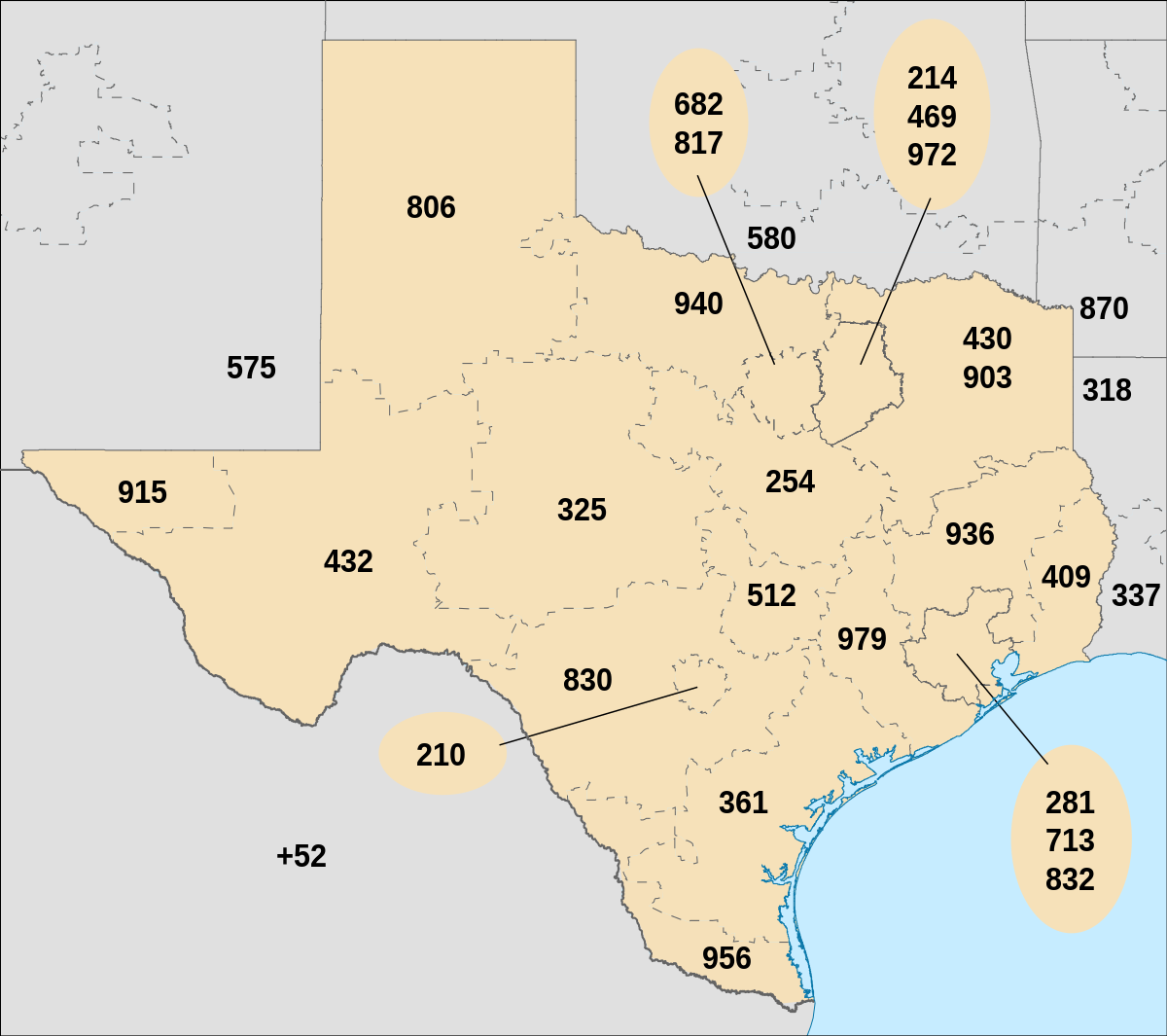
Navigating The Texas Area Code Landscape
Texas is one of the most populous states in the United States, and as such, it has a complex and ever-evolving system of telephone area codes. The North American Numbering Plan Administration (NANPA) oversees the allocation of these codes, ensuring that every resident and business can connect. The sheer size of Texas necessitates multiple area codes to accommodate its growing population and the increasing demand for phone lines. These codes are not static and can be split or overlaid as regions experience significant growth.
The Genesis of Texas Area Codes: A Look Back
The initial introduction of area codes in the United States began in the 1940s. Texas, being a major state, was among the first to receive its own set of numbering plan areas. The first area code assigned to Texas was 214, covering the northern part of the state, including the burgeoning city of Dallas. Over the decades, as the state’s population boomed and technological advancements increased the demand for phone numbers, new area codes were introduced through overlays and splits. An overlay involves assigning a new area code to the same geographic region as an existing one, while a split divides an existing area code’s territory into new ones. This continuous process ensures that there are always enough unique phone numbers available.
Understanding Area Code Splits and Overlays in Texas
The dynamic nature of Texas is mirrored in its area code management. As cities grow and their surrounding suburbs expand, the original geographic boundaries of an area code can become insufficient. When this happens, NANPA may decide to split an existing area code, dividing the territory into smaller geographic regions, each assigned a new area code. Alternatively, an overlay is implemented, where a new area code is introduced to serve the same geographic area as an existing one. This means that residents within that region may have phone numbers with either the old or the new area code.
For travelers, understanding these dynamics is crucial. If you’re looking to book accommodation in a specific region, like the vibrant heart of Austin, you might encounter different area codes depending on whether you’re looking at older listings or newer developments. Similarly, if you’re a business owner setting up operations in Houston, you’ll need to be aware of the potential for new area codes to be introduced in your service region. The introduction of an overlay doesn’t require existing customers to change their phone numbers, but new numbers assigned in the affected area will come from the new area code. This is a common strategy to conserve numbering resources without disrupting established communication lines.
A Glimpse into Texas’s Major Area Codes and Their Regions
Texas is currently served by a significant number of area codes, each catering to specific geographic regions or overlapping with existing ones. These codes are more than just digits; they are identifiers for the distinct communities and landscapes that make up this great state.
The Dallas-Fort Worth Metroplex: A Hub of Codes
The Dallas-Fort Worth Metroplex, one of the largest and fastest-growing metropolitan areas in the United States, is home to a complex web of area codes. The original 214 area code still serves the heart of Dallas, but due to demand, it has been overlaid with 469 and 945. These overlays cover Dallas and many of its surrounding suburbs.
To the west, the 817 area code traditionally served Fort Worth and its surrounding communities. As this region also experienced substantial growth, a new area code, 682, was introduced as an overlay to 817. Further north and east of the core metroplex, you’ll find 903, which covers a broader area including cities like Sherman and Tyler, and has also seen overlays with 430.
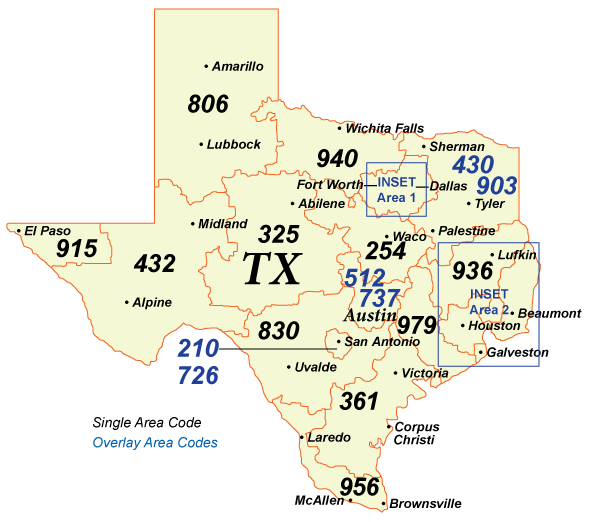
The rapid expansion of the Dallas-Fort Worth Metroplex means that new developments and businesses might be assigned numbers from any of these overlapping codes. When you’re looking for hotels or planning your itinerary for attractions like the Perot Museum of Nature and Science or Six Flags Over Texas, understanding which area code might be associated with local businesses can be a helpful, albeit minor, detail.
Houston and Southeast Texas: Expanding Horizons
In Southeast Texas, the major urban center of Houston and its sprawling metropolitan area are primarily served by 713. However, like Dallas, Houston has experienced significant population growth, leading to the introduction of overlay area codes. The 281 area code was introduced to serve the suburban areas surrounding Houston, and subsequently, 346 and 832 were introduced as overlays to both 713 and 281. This means that within a single neighborhood in Houston, you could find phone numbers with 713, 832, 281, or 346.
Further east, the 409 area code covers a diverse region, including the coastal city of Galveston, known for its historic architecture and beaches, as well as industrial areas like Beaumont. This area also faces the prospect of future overlays as its population continues to grow. When you’re booking a stay at a resort on Galveston Island or exploring the vibrant culinary scene of Houston, the local area codes can offer a subtle insight into the development and connectivity of the region.
Central and West Texas: Diverse Terrains, Diverse Codes
Central Texas is dominated by the 512 area code, which famously serves the state capital, Austin, and its surrounding communities. As Austin has become a major hub for technology and culture, the 512 area code has been overlaid with 737 to accommodate the surging demand for phone numbers. This region is renowned for its live music scene, outdoor recreation opportunities at places like Barton Creek Greenbelt, and its eclectic festivals.
West Texas is a vast expanse characterized by its rugged beauty and significant oil and gas industry. The 432 area code serves a large portion of this region, including cities like Midland and Odessa. While less densely populated than the major metropolitan areas, these regions are crucial to the state’s economy and have their own distinct communities. Further north, 806 covers the Panhandle region, including cities like Amarillo, famous for the Palo Duro Canyon State Park.
The Significance of Area Codes for Travelers and Residents
While the primary function of an area code is to route telephone calls, for travelers and residents alike, these numerical identifiers can offer more than just a connectivity tool. They can serve as a subtle indicator of a region’s growth, economic activity, and even its cultural identity.
Planning Your Texas Itinerary with Area Code Awareness
When planning a trip to Texas, understanding the area codes associated with your intended destinations can be a helpful, though not essential, piece of your planning puzzle. For instance, if you’re booking a hotel in downtown Austin, you’ll likely see phone numbers with 512 or 737. If your travel plans involve exploring the historical sites of San Antonio, the primary area code you’ll encounter is 210, which has also been overlaid with 726. This awareness might help you orient yourself geographically, especially when looking at online listings for accommodations, restaurants, or local tour operators.
For those seeking luxury travel experiences in exclusive resorts or planning family trips to theme parks like Schlitterbahn Waterpark, cross-referencing area codes with well-known landmarks and attractions can sometimes offer a confirmation of location. It’s also a subtle way to appreciate the scale and development of Texas, understanding how its infrastructure, including telecommunications, has evolved to serve its vast population.
Area Codes as a Reflection of Texas’s Dynamic Growth
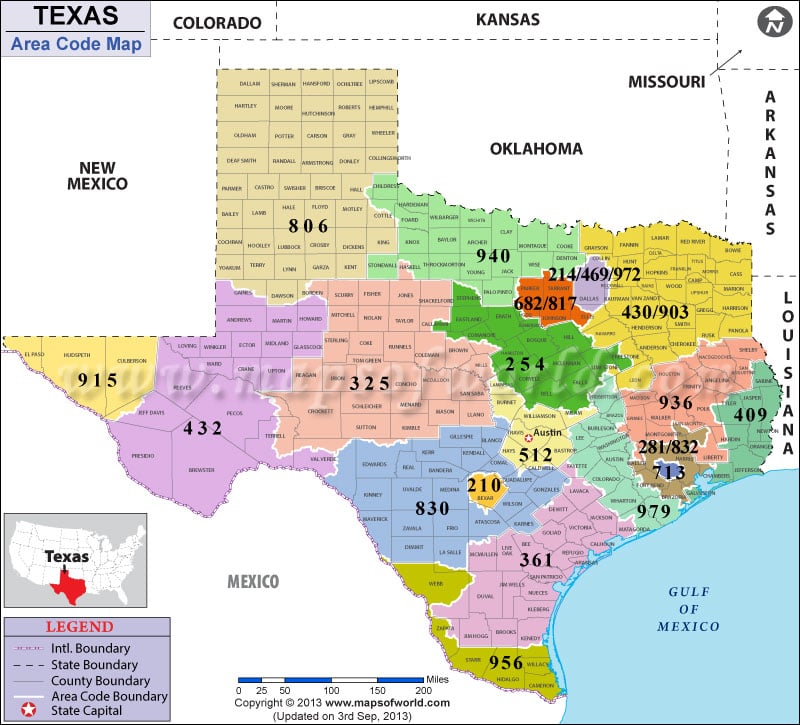
The continuous introduction of new area codes and overlays in Texas is a testament to its dynamic growth and economic vitality. From the booming tech industry in Austin to the oil and gas sectors in West Texas, the state consistently attracts new residents and businesses. This growth necessitates the expansion of communication networks and, consequently, the allocation of new phone numbers through additional area codes.
For businesses operating within Texas, staying abreast of area code changes is crucial for maintaining effective communication and marketing strategies. For residents, a new area code in their neighborhood might signify ongoing development or an increase in population density. Ultimately, the array of area codes across Texas is a living map, illustrating the state’s continuous evolution and its enduring appeal as a place to live, work, and explore. Whether you’re a tourist marveling at the Alamo or a local enjoying a plate of authentic Tex-Mex cuisine, the area codes are an invisible yet integral part of the Texas experience.
LifeOutOfTheBox is a participant in the Amazon Services LLC Associates Program, an affiliate advertising program designed to provide a means for sites to earn advertising fees by advertising and linking to Amazon.com. Amazon, the Amazon logo, AmazonSupply, and the AmazonSupply logo are trademarks of Amazon.com, Inc. or its affiliates. As an Amazon Associate we earn affiliate commissions from qualifying purchases.