
Texas, a state as vast and diverse as the nation itself, presents a fascinating tapestry of climates and ecosystems. When one asks, “What planting zone is Texas?”, the answer isn’t a single, monolithic designation. Instead, it’s a spectrum, a complex mosaic reflecting the state’s immense geographical breadth and varied weather patterns. Understanding these planting zones is crucial for anyone looking to cultivate a garden, plan agricultural endeavors, or simply appreciate the natural bounty of the Lone Star State. This exploration delves into the USDA Plant Hardiness Zones that govern Texas, offering insights relevant to travelers, those seeking accommodation, and anyone interested in the lifestyle and tourism unique to this iconic American destination.
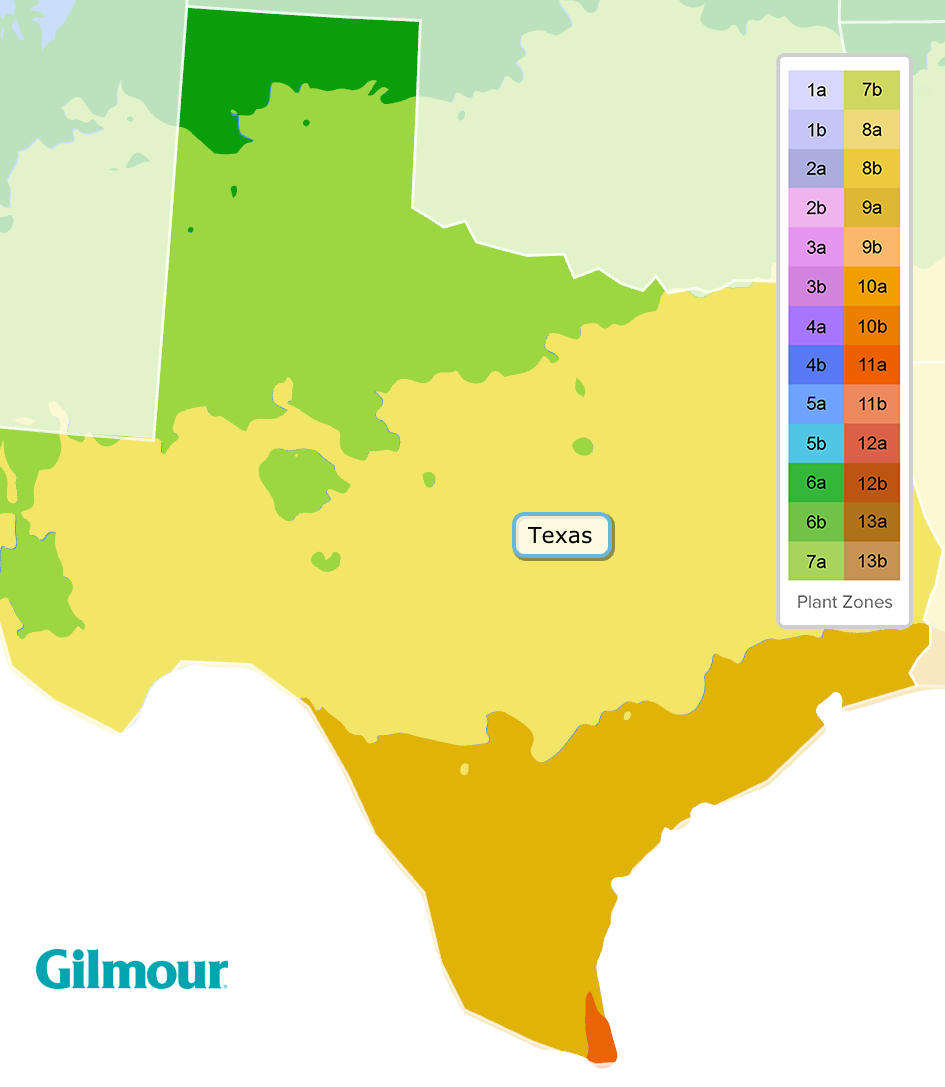
The United States Department of Agriculture (USDA) designates plant hardiness zones based on the average annual minimum winter temperature. These zones are a fundamental tool for gardeners and landscapers, helping them determine which perennial plants are most likely to thrive in a particular location. For a state as large as Texas, which stretches over 800 miles from north to south and encompasses diverse terrains from the arid West Texas plains to the humid Gulf Coast, it’s no surprise that multiple USDA zones are represented.
Unpacking the Texas Planting Zones
Texas is primarily divided into USDA Plant Hardiness Zones 7 through 9. However, the influence of specific microclimates, elevation, and proximity to bodies of water can create variations within these broader zones, impacting everything from the types of flowers that bloom in Dallas to the citrus trees that flourish in South Texas.
Zone 7: The Northern and Western Reaches
The northernmost parts of Texas, including the Texas Panhandle and portions of North Texas, generally fall into Zone 7. This zone is characterized by colder winters with average annual minimum temperatures ranging from 0°F to 10°F (-18°C to -12°C).
Heading3: Characteristics of Zone 7 in Texas
In Zone 7, gardeners can expect more extreme temperature fluctuations throughout the year. Winters are typically cold enough to require protection for more tender plants, and there’s a greater likelihood of snowfall. However, summers can still be intensely hot. This zone supports a wide array of hardy perennials, including many varieties of roses, ornamental grasses, and deciduous trees like oaks and maples. For travelers visiting cities like Amarillo or Wichita Falls during different seasons, the flora will reflect these cooler winter possibilities.
For those considering accommodation in these regions, whether it’s a cozy bed and breakfast in a historic town or a well-equipped suite in a larger city, understanding the local climate is key to enjoying outdoor spaces. A visit in spring might reveal blooming azaleas and tulips, while an autumn trip could showcase the vibrant fall foliage of native trees. The agricultural activities in this zone often focus on crops that can withstand colder snaps, such as wheat, cotton, and various cool-season vegetables.
Zone 8: The Heart of Texas and Beyond
Zone 8 is perhaps the most extensive planting zone in Texas, covering a significant portion of the state, including major metropolitan areas like Houston, San Antonio, and Austin, as well as vast stretches of Central and East Texas. This zone experiences average annual minimum winter temperatures between 10°F and 20°F (-12°C to -7°C).
Heading3: Gardening and Lifestyle in Zone 8
Zone 8 offers a more moderate climate compared to Zone 7. Winters are generally mild, with occasional frost but rarely prolonged deep freezes. This allows for a longer growing season and the cultivation of a broader range of plants, including many subtropical varieties. Gardens in Zone 8 are known for their vibrant displays of seasonal flowers, from spring bulbs to summer annuals and fall mums. This is the zone where many iconic Texas plants thrive, such as crepe myrtles, magnolias, and a variety of native wildflowers that paint the landscape in brilliant hues.
For travelers exploring the cultural heart of Texas, visiting landmarks like the Alamo in San Antonio or the Texas State Capitol in Austin, the surrounding greenery is a testament to Zone 8’s favorable conditions. Accommodation options here are plentiful, ranging from luxurious resorts in the Texas Hill Country to boutique hotels in the bustling city centers, many of which feature beautiful gardens and outdoor spaces designed to take advantage of the mild climate. The culinary scene, a major draw for tourism, also benefits from this zone’s extended growing season, with access to fresh produce year-round. Lifestyle choices in Zone 8 often embrace outdoor living, with patios, pools, and gardens being central to many homes.
Zone 9: The Southernmost Advantage
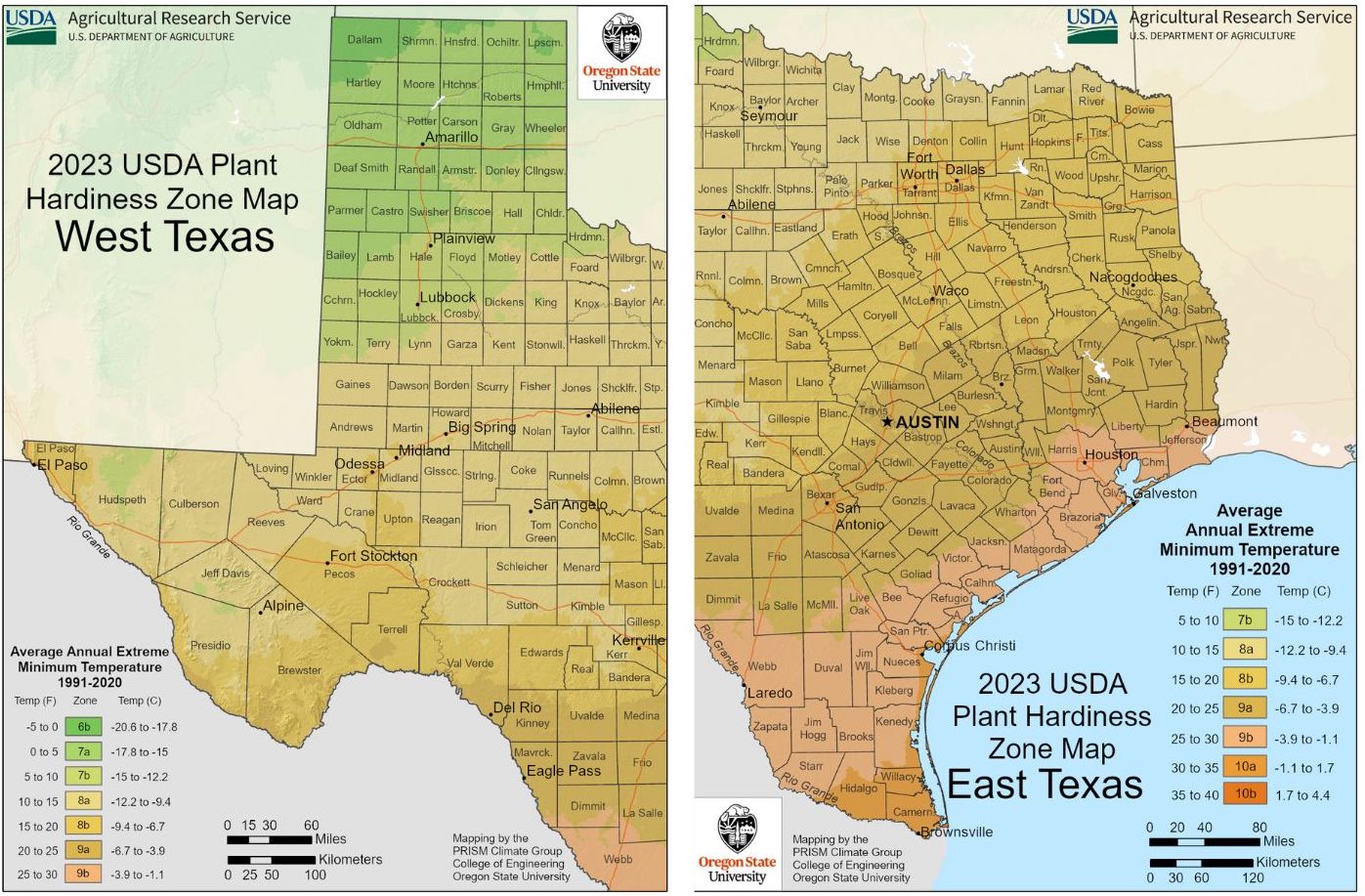
The southernmost tip of Texas, including the Rio Grande Valley and coastal areas around Corpus Christi and Brownsville, falls into Zone 9. This is the warmest zone in the state, with average annual minimum winter temperatures ranging from 20°F to 30°F (-7°C to -1°C).
Heading3: Subtropical Delights in Zone 9
Zone 9 is a gardener’s paradise, offering a near-tropical climate that allows for year-round cultivation of many plants. Winters are extremely mild, with frost being a rare occurrence. This zone is famous for its abundance of citrus trees, including oranges, grapefruits, and lemons, which would not survive in colder regions of Texas. Many exotic and subtropical plants also thrive here, contributing to the lush, verdant landscapes that characterize South Texas.
Visitors to cities like McAllen or those exploring the natural beauty of Padre Island National Seashore will notice the distinct flora, which includes palm trees, hibiscus, bougainvillea, and a wider variety of fruit-bearing trees and shrubs. For those seeking accommodation, from beachside villas to extended-stay apartments, the climate in Zone 9 makes outdoor amenities like pools and patios a year-round attraction. The tourism industry here heavily relies on the appeal of warm weather, beaches, and the unique cultural blend influenced by proximity to Mexico. The agricultural output is significant, with extensive production of citrus fruits, winter vegetables, and sugarcane.
Beyond the Zones: Microclimates and Local Influences
While the USDA zones provide a valuable framework, it’s essential to recognize that Texas is a land of microclimates. Numerous factors can influence the specific planting conditions within a given area, affecting which plants will truly flourish.
Heading2: The Impact of Geography and Environment
Elevation and Proximity to Water: Higher elevations, like those found in the Guadalupe Mountains National Park, tend to experience cooler temperatures than their latitudinal counterparts at sea level. Conversely, the moderating influence of the Gulf of Mexico provides warmer winters and higher humidity along the coast, potentially making coastal areas behave like warmer zones than their inland neighbors. Cities like Galveston, with its island setting, experience different temperature extremes than Fort Worth, despite being relatively close in latitude.
Soil Types and Drainage: Texas boasts a wide array of soil types, from the heavy clay of the Blackland Prairie to the sandy soils of East Texas and the rocky, alkaline soils of West Texas. These variations significantly impact water retention, nutrient availability, and the overall health of plants, regardless of the USDA zone. Proper soil preparation and understanding drainage are critical for successful gardening in any part of the state.
Urban Heat Islands: In major metropolitan areas like Houston, Dallas-Fort Worth, and San Antonio, urban heat islands can raise local temperatures by several degrees. This phenomenon can extend the growing season for some plants and allow for the cultivation of slightly more tender species in otherwise cooler parts of a zone.

Heading2: Planning Your Texas Gardening and Travel Experience
Understanding Texas planting zones is not just for avid gardeners; it has broader implications for anyone planning a visit or considering a stay in the state.
For Travelers: When planning a trip to Texas, knowing the general planting zone can offer insights into the expected flora and the best times to visit for specific natural displays. For instance, a spring trip to East Texas (Zone 8) might coincide with the blooming of dogwoods and redbuds, while a winter visit to the Rio Grande Valley (Zone 9) offers the chance to see citrus groves laden with fruit. This knowledge can enhance your appreciation of Texas’s natural landmarks and attractions.
For Accommodation Seekers: Whether you’re looking for a luxury resort with meticulously maintained gardens, a charming bed and breakfast surrounded by local flora, or a long-term apartment rental, understanding the climate of your chosen location helps set expectations. Properties with outdoor amenities will be more consistently enjoyable in warmer zones, while those focused on indoor comfort might be preferable in areas with more extreme winter temperatures. Researching specific neighborhoods and their microclimates can also inform your choice of accommodation.
For Lifestyle Enthusiasts: For those who embrace a lifestyle centered around outdoor activities, gardening, or simply enjoying the natural beauty of a region, the planting zone is a significant factor. It dictates the types of gardens one can create, the seasonality of local produce available at farmer’s markets in cities like Austin, and the overall rhythm of life dictated by the growing seasons. From luxury travel seeking manicured estates to budget travel looking for rustic cabins surrounded by native plants, the planting zone influences the experience.
In conclusion, the question “What planting zone is Texas?” yields a multifaceted answer. The state spans Zones 7, 8, and 9, each presenting unique climatic conditions that shape its landscapes, agriculture, and even its tourism appeal. By appreciating this diversity, whether you’re a seasoned horticulturist, a curious traveler, or simply someone seeking to understand the essence of the Lone Star State, you gain a deeper connection to the vibrant and ever-changing environment of Texas.
LifeOutOfTheBox is a participant in the Amazon Services LLC Associates Program, an affiliate advertising program designed to provide a means for sites to earn advertising fees by advertising and linking to Amazon.com. Amazon, the Amazon logo, AmazonSupply, and the AmazonSupply logo are trademarks of Amazon.com, Inc. or its affiliates. As an Amazon Associate we earn affiliate commissions from qualifying purchases.