
Texas. The very name conjures images of vast ranches, towering cowboys, and a spirit as big as the Lone Star State itself. But before it was the sprawling, diverse, and influential state we know today, Texas was something else entirely. Its journey from a disputed territory to a formidable republic, and finally to the second-largest state in the United States, is a captivating narrative woven through history, culture, and a relentless pursuit of self-determination. This article delves into the fascinating pre-statehood era of Texas, exploring its pivotal moments, influential figures, and the very essence of what it means to be Texan before the star on its flag officially represented statehood.
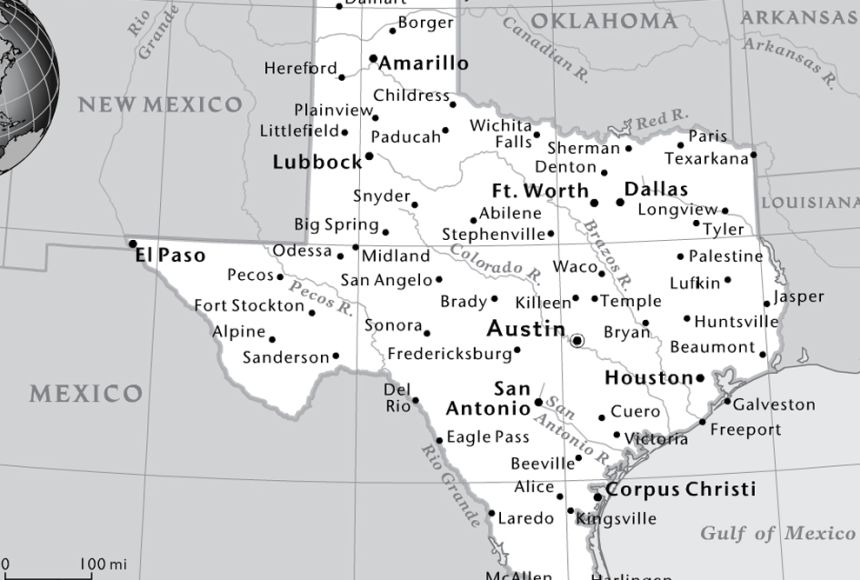
From Spanish Viceroyalty to Mexican Province
The story of Texas, in its earliest form, is one of shifting allegiances and colonial ambitions. Long before American settlers arrived in significant numbers, the land that is now Texas was part of the vast Spanish Empire. For centuries, Spain claimed dominion over this territory, though their presence was often more aspirational than actual, marked by scattered missions and presidios. These early outposts, like the Mission San Antonio de Valero, later famously known as the Alamo, were intended to evangelize indigenous populations and solidify Spanish claims against rival European powers, particularly France.
However, the geopolitical landscape began to change dramatically in the early 19th century. Following Mexico’s successful independence from Spain in 1821, the territory of Texas became part of the newly formed Mexican nation. The region was then organized as part of the Coahuila y Tejas state. The Mexican government, eager to populate and develop its northern territories, initially encouraged immigration from its southern states and, crucially, from the United States. This policy, intended to create a buffer against Native American tribes and potential U.S. expansionism, would ultimately sow the seeds of revolution.
The Empresario System and Early American Settlers
Central to Mexico’s strategy for settling Texas was the empresario system. Under this arrangement, individuals were granted large tracts of land by the Mexican government, with the responsibility of recruiting and settling a specified number of families. The most famous of these empresarios was Stephen F. Austin, often hailed as the “Father of Texas.” Austin successfully brought hundreds of families, predominantly from the Southern United States, to the fertile lands along the Brazos River. These early settlers, known as the “Old Three Hundred,” laid the groundwork for Texan society, bringing with them their customs, their language, and their ways of life.
These immigrants, lured by cheap land and the promise of opportunity, gradually began to reshape the demographics and culture of Texas. They established farms and ranches, built communities, and introduced new economic activities. However, this influx of American settlers also brought challenges. Cultural differences, such as the Texan preference for English over Spanish and the ingrained practice of slavery (which Mexico had abolished), began to create friction. The Mexican government’s attempts to assert greater control, including the imposition of customs duties and restrictions on further American immigration, were met with growing resentment.
The Road to Revolution: Growing Tensions and the Fight for Independence
The delicate balance between Mexican federal authority and the growing autonomy sought by the Texan settlers began to unravel in the late 1820s and early 1830s. The Mexican government, grappling with its own internal political instability, became increasingly wary of the American influence in Texas. Laws were enacted that aimed to curb American immigration and strengthen Mexican control, such as the Law of April 6, 1830, which was particularly unpopular.
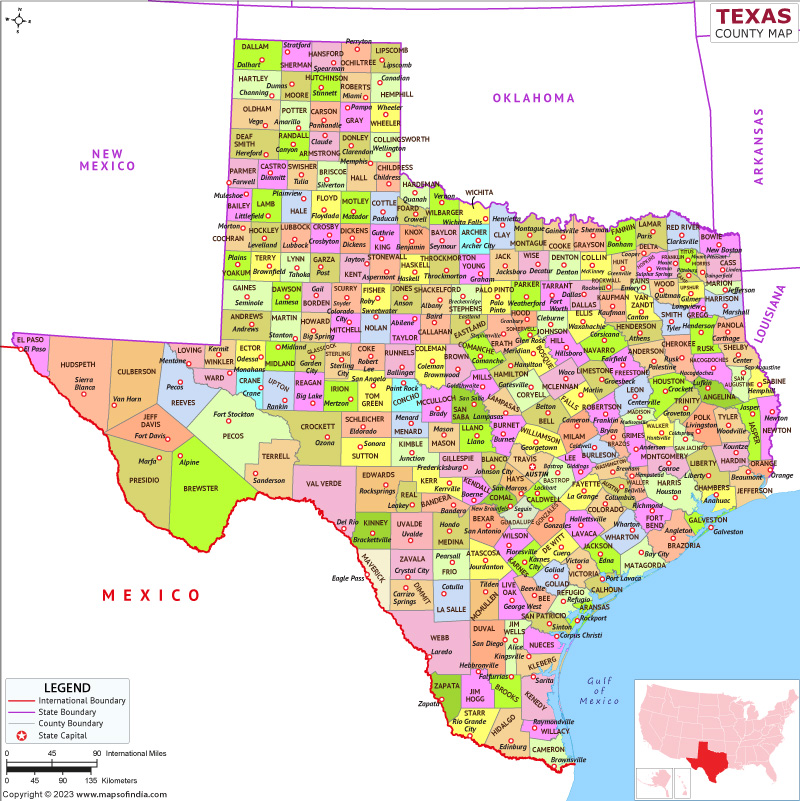
This period saw a series of escalating tensions. Texans felt their rights were being infringed upon, while the Mexican government viewed their actions as necessary to maintain national integrity. The spark that ignited the revolution came in 1835. Following a dispute over cannon in the town of Gonzales, where Texans famously defiantly declared “Come and Take It,” armed conflict erupted. The ensuing Texas Revolution was a brutal and decisive struggle for independence.
Key Battles and the Birth of the Texas Republic
The Texas Revolution was characterized by a series of pivotal battles that would shape the destiny of the region. The early days saw Texan forces achieve some successes, but the Mexican army, under the command of President Antonio López de Santa Anna, was a formidable force. One of the most iconic and tragic events of the revolution was the Battle of the Alamo. In March 1836, a small band of Texan defenders, including Davy Crockett and Jim Bowie, held out for 13 days against a much larger Mexican army. Though ultimately defeated, their sacrifice became a rallying cry for the Texan cause, symbolizing courage and resistance.
Just weeks later, on April 21, 1836, at the Battle of San Jacinto, Texan forces led by Sam Houston launched a surprise attack on Santa Anna’s army. The swift and decisive victory, with the Texans shouting “Remember the Alamo!” and “Remember Goliad!”, secured Texas’s independence. Santa Anna was captured, and Mexico was forced to recognize the independence of the Republic of Texas. This marked the birth of a new nation, a republic that would exist for nearly a decade before joining the United States. The spirit of independence forged in these battles, the resilience, and the “can-do” attitude, became defining characteristics of the Texan identity that persist to this day, influencing everything from its lifestyle and tourism to its aspirations for luxury travel and the development of its iconic landmarks.
Life in the Republic of Texas: A Nation Forged in Independence
For ten years, Texas existed as an independent republic, navigating the challenges of nation-building. The Republic of Texas, established in 1836, faced significant hurdles. Its economy was largely agrarian, reliant on cotton production and heavily dependent on trade with the United States. The young republic also grappled with ongoing threats from Native American tribes and the lingering animosity from Mexico, which never fully accepted Texas’s independence and continued to lay claim to the territory.
Despite these challenges, the Republic of Texas developed a distinct culture and identity. Sam Houston served as the first elected president, and later as a prominent senator, embodying the independent spirit of the Texan people. Cities like Houston and Austin (named in honor of Stephen F. Austin) began to grow, serving as centers of commerce and government. The Texan way of life was characterized by rugged individualism, a strong sense of community, and an enduring love for the vast open spaces. The allure of ranching and the promise of land continued to attract settlers, solidifying the Texan brand of lifestyle.
The Path to Statehood and Legacy
The question of Texas’s future was a constant debate within the republic. Many Texans desired annexation by the United States, seeking the economic stability and protection that statehood would offer. However, the issue of slavery complicated matters, as Texas was a slaveholding state, and adding another such state to the Union was a politically contentious issue in the United States.
After years of deliberation and international maneuvering, Texas was finally annexed by the United States on December 29, 1845, becoming the 28th state. This marked the end of the Republic of Texas but not the end of its unique spirit. The experience of self-governance and the fight for independence left an indelible mark on the Texan psyche. This legacy continues to shape the state’s proud identity, influencing its robust tourism industry, its famous landmarks, its diverse accommodations, and its enduring appeal for a wide range of travel experiences, from budget travel to opulent luxury travel. The question “What state was Texas?” is answered by its rich history as a republic, a testament to the resilience and independence that continues to define the Lone Star State.
LifeOutOfTheBox is a participant in the Amazon Services LLC Associates Program, an affiliate advertising program designed to provide a means for sites to earn advertising fees by advertising and linking to Amazon.com. Amazon, the Amazon logo, AmazonSupply, and the AmazonSupply logo are trademarks of Amazon.com, Inc. or its affiliates. As an Amazon Associate we earn affiliate commissions from qualifying purchases.