
Planning a trip to the Lone Star State and wondering when you can grab your first Texas brew or a classic margarita? Navigating the alcohol sales laws in any new destination can be a bit of a puzzle, and Texas is no exception. From the bustling streets of Austin to the historic charm of San Antonio and the vibrant energy of Houston, understanding when and where you can purchase alcoholic beverages is key to a smooth and enjoyable travel experience. This guide will demystify the alcohol sales hours in Texas, ensuring you can plan your evening cocktails, brunch mimosas, or celebratory drinks without missing a beat.
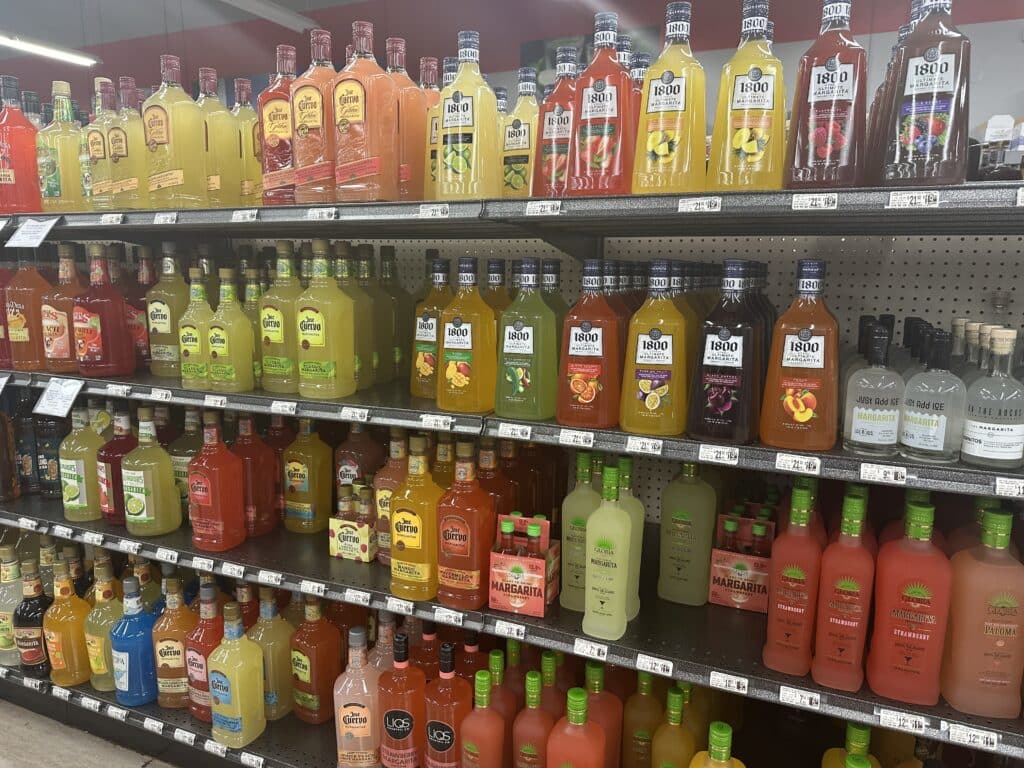
Understanding Texas Alcohol Sales: The Basics
The core of Texas’s alcohol sales regulations revolves around a few key principles. While many states have a uniform statewide rule, Texas operates with a more nuanced approach. This means that while there are general guidelines, specific hours can vary significantly based on the type of establishment, the day of the week, and crucially, the local jurisdiction. This local control is a significant factor, allowing cities and counties to set their own rules within the broader state framework.
Legal Drinking Age and General Restrictions
Before diving into sales times, it’s essential to reiterate the fundamental requirement: you must be at least 21 years old to legally purchase and consume alcohol in Texas. Proof of age is required, so always have your identification handy. The state also has laws against selling alcohol to intoxicated individuals or minors, which all licensed establishments must adhere to.
The “Blue Laws” and Their Impact
Historically, many states, including Texas, had “blue laws” that restricted the sale of alcohol on Sundays. While some of these restrictions have been relaxed over time, Sunday sales are still often subject to specific rules. Understanding the Sunday sales allowance is a common point of inquiry for travelers.
When Can You Buy Alcohol in Texas? A Day-by-Day Breakdown
The most common question revolves around the start and end times for alcohol sales. Here’s a general overview, but remember to factor in local variations:
Weekday Sales (Monday – Saturday)
Generally, licensed retailers in Texas are permitted to sell alcohol from 7:00 AM to midnight on weekdays and Saturdays. This covers a wide range of establishments, including grocery stores, convenience stores, and liquor stores.
- Early Morning Shoppers: If you’re an early riser and looking to pick up a bottle for later or ingredients for a morning cocktail (perhaps a Bloody Mary?), you can usually do so starting at 7:00 AM.
- Late-Night Cravings: For those enjoying a late dinner or needing a nightcap, sales are permitted until midnight. This means you can typically pick up beverages until the very end of the day.
Sunday Sales: A Matter of Local Option
Sunday is where things get a bit more complicated and where local ordinances play a significant role. While the state allows for Sunday sales, it’s not automatic everywhere.
- The “Brunch Bill” and its Implications: Many areas in Texas have adopted what’s colloquially known as the “brunch bill.” This allows for the sale of alcohol beginning at 10:00 AM on Sundays in establishments that hold a mixed beverage permit. This is particularly relevant for restaurants and bars looking to serve patrons enjoying weekend brunches or early afternoon drinks. Without this local option, the general rule for Sunday sales in many parts of the state is that they cannot begin until noon (12:00 PM).
- Which Establishments Sell on Sunday?
- Restaurants and Bars (Mixed Beverage Permit Holders): These are the establishments most likely to benefit from the “brunch bill.” If the local jurisdiction permits it, they can start selling alcohol at 10:00 AM. Otherwise, the earliest they can serve is noon. They can typically continue selling until midnight.
- Retailers (Grocery Stores, Convenience Stores, Liquor Stores): The rules for off-premise consumption (buying alcohol to take home) on Sundays can be stricter. While some areas allow sales to begin at 10:00 AM, the more common start time is noon (12:00 PM). Sales typically end at midnight.
- The Importance of Local Research: Due to these variations, it’s always best to check the specific laws for the city or county you’re visiting. For instance, if you’re staying at a resort in Dallas or planning a trip to a winery near Fredericksburg, a quick online search for “alcohol sales hours [city name] Texas” can save you a lot of guesswork.
Beyond the Clock: Factors Affecting Alcohol Availability
While the times are a primary concern, several other factors can influence when and where you can purchase alcohol in Texas. Understanding these nuances will further enhance your ability to enjoy the state’s offerings.
Type of Establishment
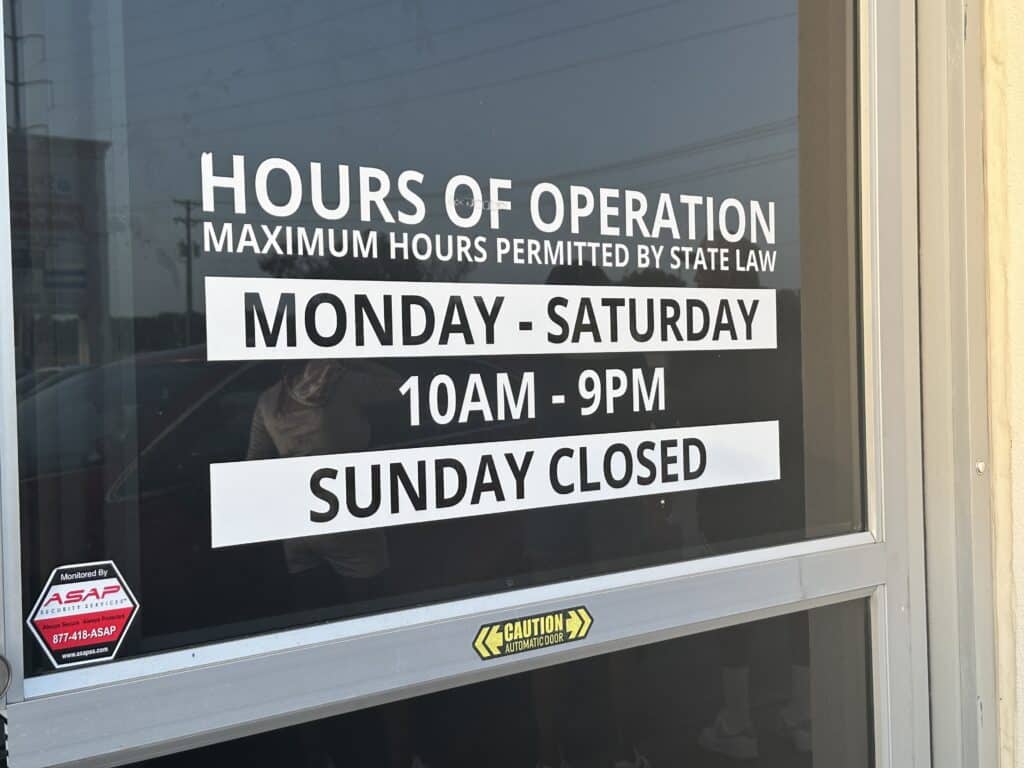
As touched upon, the type of permit an establishment holds is crucial.
- Mixed Beverage Permit: These are typically held by restaurants, bars, and clubs, allowing them to sell alcohol for on-premise consumption. Their sales hours are subject to the state’s general times and local option, including the Sunday “brunch” rules.
- Package Store Permit: These are for liquor stores that sell alcohol for off-premise consumption. Their hours are generally the weekday 7:00 AM to midnight rule and the more restricted Sunday hours (often starting at noon).
- Wine and Malt Beverage Retailer’s Permit: This covers grocery stores and convenience stores selling beer and wine. Their hours usually align with the package store permit for Sundays, but may have slight variations on weekdays depending on local rules.
Dry and Wet Counties
A significant factor in Texas is the concept of “dry,” “moist,” or “wet” counties. While most of Texas is generally considered “wet” (meaning alcohol sales are permitted), there are still some counties that are entirely “dry” or have specific restrictions on certain types of alcohol or sales.
- Dry Counties: In a dry county, the sale of alcoholic beverages is prohibited entirely. This is a rare occurrence in major tourist destinations but can be found in more rural areas.
- Moist Counties: These counties may allow the sale of beer and wine but prohibit the sale of hard liquor, or vice versa. They might also have restrictions on sales days or times that differ even more significantly from the general rules.
- Impact on Travelers: If your travel itinerary takes you through or to a dry or moist county, you’ll need to plan accordingly. For example, if you’re visiting a charming small town in the Texas Hill Country, it’s wise to verify the local regulations beforehand. Many towns within these counties, however, have voted to allow alcohol sales, so it’s a complex mosaic.
Special Events and Holidays
- Holidays: While general laws apply, it’s always worth checking if there are any special holiday exceptions or restrictions in place. For instance, New Year’s Eve often sees extended hours for bars and restaurants.
- Local Festivals and Events: Many cities host events like South by Southwest in Austin or the State Fair of Texas in Dallas. During these times, temporary permits might allow for extended sales hours or different types of sales within the event grounds.
Practical Tips for Tourists and Travelers
To make your Texas adventure as seamless as possible, here are some practical tips regarding alcohol purchases:
Always Have Identification
As mentioned earlier, proof of age (21+) is mandatory. This is non-negotiable, and establishments are legally obligated to ask for it. Ensure you have a valid government-issued ID, such as a driver’s license or passport.
Check Local Ordinances for Sunday Sales
This is the most frequent point of confusion. If you’re planning a Sunday brunch or an early afternoon outing, do a quick search for “[city name] Texas Sunday alcohol sales” or “[county name] Texas liquor laws.” This will clarify whether you can get your mimosa at 10:00 AM or if you need to wait until noon. This is especially relevant if you are staying in boutique hotels or exploring unique attractions in smaller towns.
Consider Your Accommodation’s Offerings
If you’re staying at a hotel with a bar or restaurant, like the elegant [Hotel Saint Cecilia](https://lifeoutofthebox.com/hotel-saint- નેceia) in Austin or a luxurious resort like the La Cantera Resort & Spa in San Antonio, their bar and restaurant hours may differ from retail liquor stores. Hotel bars often follow the mixed beverage permit rules, and some may even have special licenses that allow for slightly different hours, particularly for in-house guests.
Plan for Off-Premise Purchases
If you intend to buy alcohol to enjoy at your accommodation or a picnic spot, remember the retail sales hours. This is particularly important if you’re planning a scenic drive through the Texas Hill Country and want to pick up some local Texas wine or craft beer from a winery or brewery near Fredericksburg.
Stay Informed with Official Sources
For the most accurate and up-to-date information, consult the official website of the Texas Alcoholic Beverage Commission (TABC). While the website can be a bit dense, it’s the definitive source for all regulations. However, for tourist convenience, relying on reputable travel guides and local news sources that often summarize these laws is usually sufficient.
By understanding these general guidelines and recognizing the importance of local variations, you can confidently plan your drinking and dining experiences across the diverse landscape of Texas. Whether you’re exploring the vibrant nightlife of Houston, enjoying the historic missions of San Antonio, or soaking in the live music scene in Austin, knowing when you can enjoy a refreshing beverage will be one less thing to worry about, allowing you to fully immerse yourself in the unique culture and experiences the Lone Star State has to offer. Enjoy your travels!
LifeOutOfTheBox is a participant in the Amazon Services LLC Associates Program, an affiliate advertising program designed to provide a means for sites to earn advertising fees by advertising and linking to Amazon.com. Amazon, the Amazon logo, AmazonSupply, and the AmazonSupply logo are trademarks of Amazon.com, Inc. or its affiliates. As an Amazon Associate we earn affiliate commissions from qualifying purchases.