
Texas, a state synonymous with vast landscapes, vibrant cities, and a rich cultural tapestry, presents a unique geographical characteristic when it comes to time: it spans across two distinct time zones. This can be a point of confusion for both first-time visitors and seasoned travelers, especially when planning itineraries, booking accommodations, or coordinating with local contacts. Understanding the time zone nuances of Texas is crucial for a seamless travel experience, whether you’re exploring the bustling streets of Dallas, the historic charm of San Antonio, or the sprawling ranches in West Texas. This guide aims to demystify the time zones in the Lone Star State, providing clarity for all your travel and lifestyle needs within its borders.
The vastness of Texas is not just in its geographic expanse but also in its cultural diversity and the range of experiences it offers. From the high-octane energy of Houston to the artistic hub of Austin, each city and region boasts its own unique rhythm. When traveling, this rhythm is often set by the clock, and knowing which clock to follow can significantly impact your plans. Whether you’re booking a stay at the luxurious Four Seasons Hotel Austin, seeking out the best local cuisine, or planning to witness a legendary Texas sunset over the Big Bend National Park, time plays a critical role.
Understanding the Time Zones of Texas
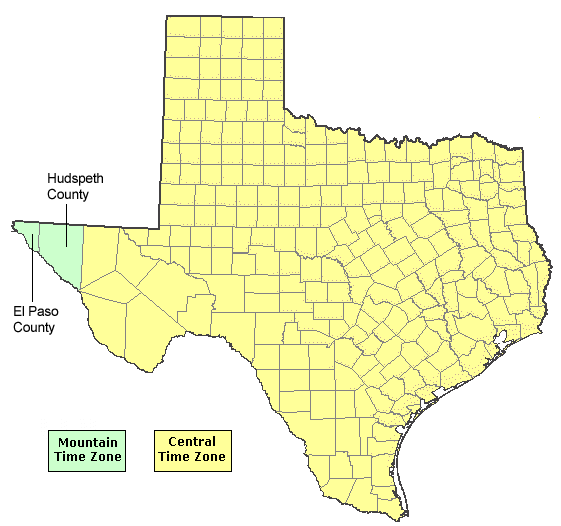
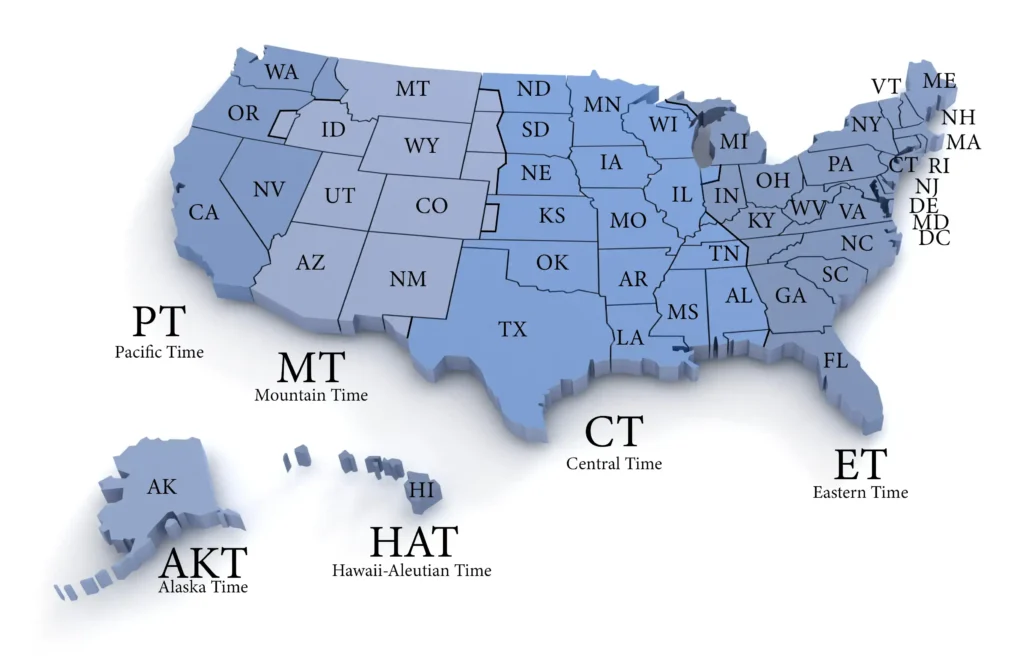
At its core, Texas observes two primary time zones: the Central Time Zone (CT) and the Mountain Time Zone (MT). The majority of the state, encompassing its most populous cities and well-known tourist destinations, falls under the Central Time Zone. This includes major hubs like Dallas, Fort Worth, Houston, Austin, and San Antonio. If you’re visiting these iconic cities for their world-class dining, vibrant music scenes, or historical landmarks, you’ll be operating on Central Time.
However, a small western portion of Texas observes the Mountain Time Zone. This region primarily includes the far western counties, most notably the city of El Paso, which is geographically closer to New Mexico and Mexico than to many other parts of Texas. Visitors to El Paso and its surrounding areas will find themselves in Mountain Time, which is one hour behind Central Time. This distinction is vital for any travel planning that involves crossing these boundaries, especially if your itinerary includes both Central and Mountain zones within Texas.
The Central Time Zone operates on Central Standard Time (CST) during the winter months, which is UTC-6, and Central Daylight Time (CDT) during the warmer months, which is UTC-5. Similarly, the Mountain Time Zone observes Mountain Standard Time (MST), which is UTC-7, and Mountain Daylight Time (MDT), which is UTC-6, during daylight saving periods. The switch between standard and daylight saving time occurs on the same dates across the United States, ensuring a consistent shift for those within each zone.
The Dominance of Central Time
The Central Time Zone is the prevailing time zone across the vast majority of Texas. This means that when you land at Dallas/Fort Worth International Airport, or check into your hotel in Austin, you are most likely within the Central Time Zone. This zone covers the eastern two-thirds of the state, embracing its most populous urban centers and significant tourist attractions.
For travelers aiming to experience the rich history of The Alamo in San Antonio, explore the cultural institutions of Houston, or indulge in the live music scene of Austin, understanding Central Time is paramount. Most hotels, restaurants, and attractions in these areas will adhere to Central Time for their operating hours. This includes booking inquiries, tour schedules, and any time-sensitive activities you might plan, such as reservations at renowned restaurants like Uchi in Austin or guided tours of the Space Center Houston.
The geographical boundary between Central Time and Mountain Time in Texas is quite distinct. While the exact line can be a bit intricate in some remote areas, for all practical travel purposes, the line is generally considered to run roughly along the western edge of counties that observe Central Time. If your travel plans involve venturing into the westernmost parts of the state, particularly towards El Paso, you’ll need to be mindful of this shift.

Navigating Mountain Time in West Texas
The Mountain Time Zone in Texas is a distinct pocket, predominantly defined by the city of El Paso and its surrounding counties. This region’s unique position along the Rio Grande makes it a cultural and economic bridge between Texas, New Mexico, and Mexico. For travelers visiting El Paso, it’s essential to remember that you are one hour behind the rest of the state.
This difference can impact everything from booking flights into El Paso International Airport to arranging meetings or tours. For instance, if you’re planning a day trip from El Paso into New Mexico, you’ll find yourself still within Mountain Time. However, if your itinerary takes you east towards cities like Midland or Odessa, you will cross into the Central Time Zone. This transition is seamless from a geographical standpoint but requires a mental adjustment of your watch.
When looking for accommodations in El Paso, such as the Hyatt Centric El Paso, or seeking out local experiences like exploring the historic San Jacinto Plaza, ensure all your timings are set to Mountain Time. This is particularly important if you are coordinating with businesses or individuals outside this specific zone. The distinction is crucial for avoiding missed appointments or misaligned travel plans.
Travel and Accommodation Considerations
The dual time zones in Texas can introduce minor complexities to travel planning, especially for those who have not encountered this split before. Whether you are planning a luxury escape to a resort like The Ritz-Carlton, Dallas, a budget-friendly family trip exploring Six Flags Fiesta Texas, or a business stay in the heart of Houston, being aware of the time zone is fundamental.
Booking Your Texas Getaway
When booking hotels, flights, or tours in Texas, always double-check the time zone of your destination. Most online booking platforms will automatically adjust for daylight saving and display times in your local zone or clearly state the destination’s time. However, it’s wise to be proactive. For example, if you’re booking a golf tee time at a course near San Antonio, confirm it’s Central Time. If your destination is El Paso, verify it’s Mountain Time.
This also applies to event tickets, restaurant reservations, and guided tours. Many local attractions, such as the Dallas Museum of Art or the Natural History Museum of Utah (though in Utah, it illustrates the concept of time zone adjacency), operate on specific schedules. Ensuring you arrive at the correct time, especially for ticketed events or timed entry, can prevent disappointment. If you are looking for long-term stays or apartment rentals, confirm the time zone with the property manager to avoid any scheduling conflicts.
Experiencing Texas Culture and Lifestyle
The cultural and lifestyle aspects of Texas are deeply intertwined with its geography and, by extension, its time zones. From the early morning ranch work in West Texas to the late-night live music in Austin, the rhythm of life is set by the clock. When planning to immerse yourself in local culture, such as attending a rodeo in Fort Worth or a culinary tour in Houston, understanding the local time is key to fully experiencing the vibrancy of Texas.
Consider a trip focused on Texas landmarks. You might start your journey in Dallas exploring the Sixth Floor Museum at Dealey Plaza, then drive west towards Big Bend National Park for stargazing. The drive itself will involve a transition from Central Time to Mountain Time. While the landscapes are breathtaking and the experiences are unforgettable, managing your time effectively across these zones will enhance your journey. This proactive approach ensures that your adventure, whether it’s a luxury travel experience or a budget-conscious exploration, is as smooth and enjoyable as possible. The Lone Star State offers an incredible diversity of attractions, and a little bit of time zone awareness can make all the difference in truly savoring every moment.
LifeOutOfTheBox is a participant in the Amazon Services LLC Associates Program, an affiliate advertising program designed to provide a means for sites to earn advertising fees by advertising and linking to Amazon.com. Amazon, the Amazon logo, AmazonSupply, and the AmazonSupply logo are trademarks of Amazon.com, Inc. or its affiliates. As an Amazon Associate we earn affiliate commissions from qualifying purchases.