
Understanding the local time in Houston, Texas is crucial for any traveler planning a visit, whether for business or leisure. Knowing the current time zone ensures you arrive for flights on time, book hotel reservations correctly, and schedule tours and activities without a hitch. Houston operates on Central Standard Time (CST) during the winter months and Central Daylight Time (CDT) during the summer months, adhering to the United States‘ system of daylight saving.
This article will delve into the intricacies of Houston‘s time zone, explain the transitions between standard and daylight saving time, and offer practical tips for travelers to manage time zone differences effectively. We’ll also touch upon how understanding the local time can enhance your travel experience, from exploring landmarks to enjoying the vibrant local culture.
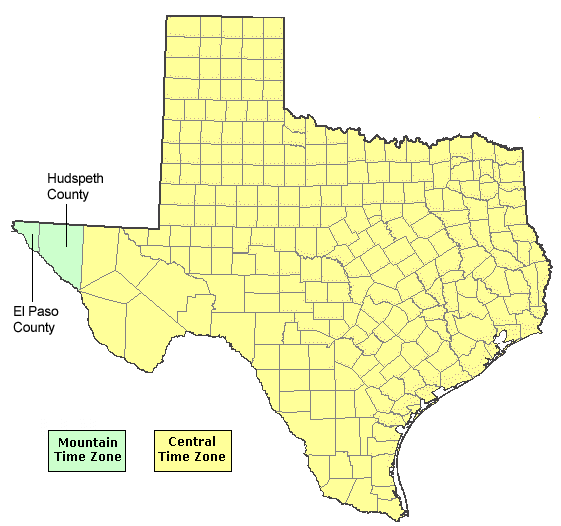
Navigating Houston’s Time Zone: CST and CDT
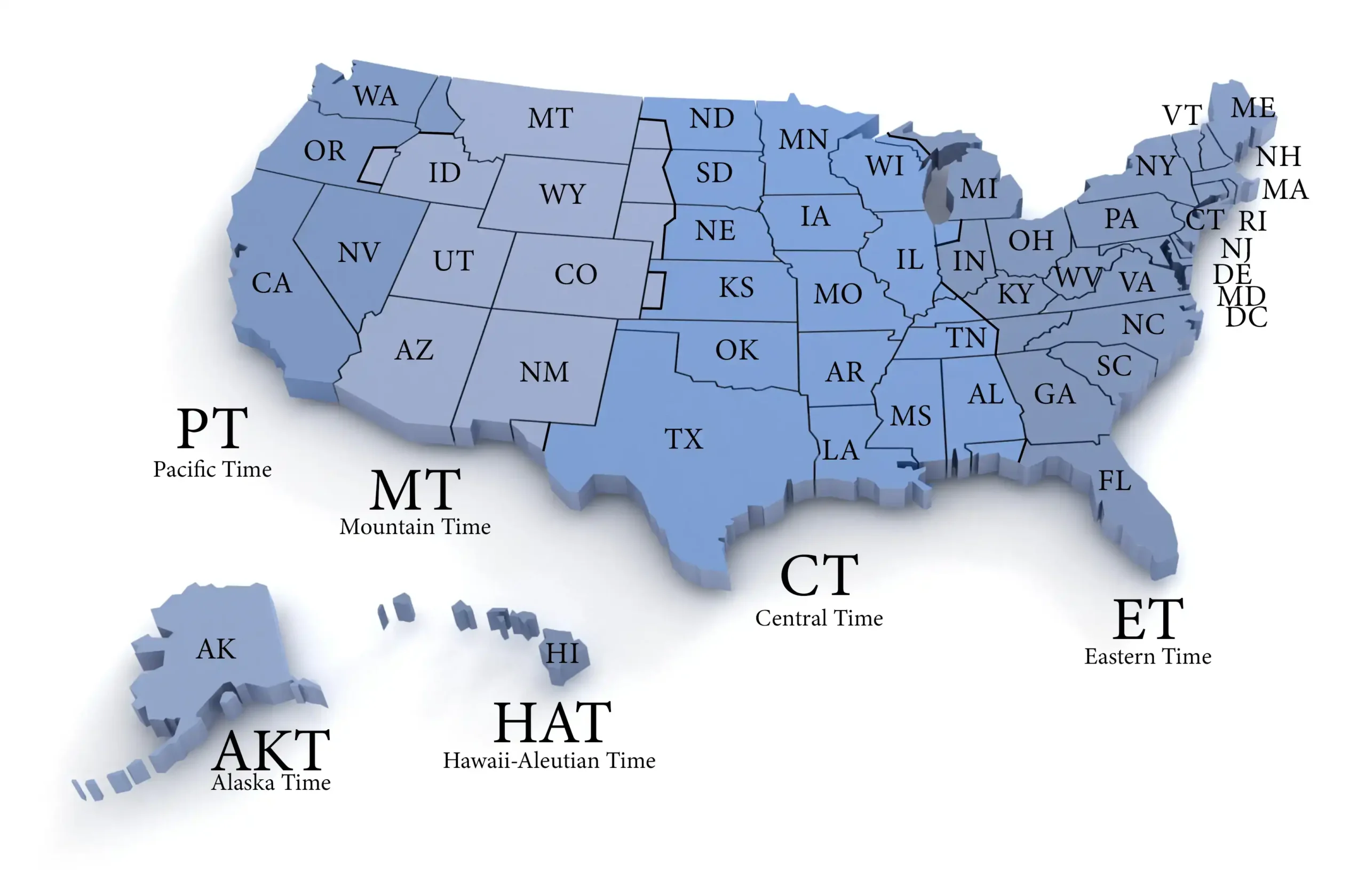
Houston, Texas is geographically situated within the Central Time Zone of the United States. This zone covers a significant portion of the country’s midsection, spanning from the Great Lakes region down to the Gulf Coast. The Central Time Zone is officially coordinated as UTC-6 during standard time and UTC-5 during daylight saving time.
Central Standard Time (CST)
Central Standard Time (CST) is observed in Houston from the first Sunday in November until the second Sunday in March. During these months, the sun sets earlier, and the primary goal of standard time is to align civil time with the astronomical day. For travelers, this means that if you are coming from a location that is already on standard time, there will be no adjustment needed. However, if you are traveling from a region observing daylight saving time, you will effectively “gain” an hour when transitioning to CST. For instance, if you’re coming from New York during their standard time period, which observes Eastern Standard Time (EST) (UTC-5), Houston‘s CST (UTC-6) would mean you need to set your watch back one hour.
Central Daylight Time (CDT)
Central Daylight Time (CDT) comes into effect in Houston from the second Sunday in March until the first Sunday in November. This is the period when clocks are moved forward by one hour to make better use of natural daylight in the evenings. CDT is equivalent to UTC-5. This shift means that evenings are brighter, which can be particularly beneficial for tourists looking to enjoy outdoor attractions and evening experiences in Houston. When transitioning to CDT, travelers arriving in Houston from a location observing CST will need to set their watches forward by one hour. Similarly, those arriving from Eastern Daylight Time (EDT) (UTC-4) will need to set their watches back one hour.
The transition to and from CDT is governed by federal law in the United States, though individual states can opt out. Texas, including Houston, observes Daylight Saving Time. The specific dates for these transitions are standardized: Daylight Saving Time begins on the second Sunday in March, and ends on the first Sunday in November. This predictable schedule allows travelers to plan their itineraries well in advance, accounting for any necessary time adjustments.
Practical Time Management for Travelers in Houston
Understanding the current time zone in Houston is not just about knowing the hour; it’s about effectively managing your travel itinerary and maximizing your experiences. Whether you’re checking into a luxury resort or a budget-friendly apartment, being mindful of the local time can prevent missed appointments and enhance your enjoyment of the city’s offerings.
Adjusting for Time Zone Differences
When traveling to Houston from a different time zone, particularly from overseas or across the United States, time zone adjustment is a key aspect of combating jet lag.
- From the West Coast (Pacific Time Zone – PT): Pacific Time is three hours behind Central Time. If you are traveling from Los Angeles or Seattle during their standard times (PST, UTC-8), you will need to set your watch forward by three hours upon arriving in Houston (which would be on CST, UTC-6). If you are traveling during Daylight Saving Time periods (PDT, UTC-7 and CDT, UTC-5), the difference remains three hours.
- From the East Coast (Eastern Time Zone – ET): Eastern Time is one hour ahead of Central Time. If you are traveling from New York City or Miami during their standard times (EST, UTC-5), you will need to set your watch back by one hour when you arrive in Houston (on CST, UTC-6). During Daylight Saving Time periods (EDT, UTC-4 and CDT, UTC-5), the difference remains one hour.
- International Travel: For travelers coming from other countries, the time difference can be much more significant. For example, the United Kingdom observes Greenwich Mean Time (GMT), which is six hours ahead of CST and seven hours ahead of CDT. Travelers from Japan, observing Japan Standard Time (JST) (UTC+9), will find a difference of 14 to 15 hours compared to Houston.
To help with the adjustment, it’s recommended to start adjusting your sleep schedule a few days before your trip. Upon arrival, try to expose yourself to natural light during the day and avoid long naps. Staying hydrated and eating meals at local times can also aid in synchronizing your body’s internal clock. Many smartphones and smartwatches automatically update to the local time, but it’s always good to be aware of the underlying time zone.
Booking and Scheduling with Time Zone Awareness

Accurate time zone knowledge is fundamental for successful accommodation booking and itinerary planning.
- Hotel Bookings: When booking hotels in Houston, such as the Marriott Marquis Houston or the Four Seasons Hotel Houston, ensure you are confirming check-in and check-out times based on Houston’s local time. If you are booking online from a different time zone, the booking platform should ideally display times in both your local time and the destination’s local time. Always double-check this to avoid any confusion. For example, a 3:00 PM check-in at your hotel in Houston means 3:00 PM Central Time.
- Flight Schedules: Airline tickets always list flight times in the local time of the departure and arrival cities. When booking flights into George Bush Intercontinental Airport (IAH) or William P. Hobby Airport (HOU), the arrival time will be in Central Time. If you are connecting through another city, be mindful of the time zones of each stop.
- Tour and Activity Bookings: Many Houston attractions, from visiting the Space Center Houston to attending a performance at the Theater District, offer guided tours and scheduled events. Confirming these times in Central Time is essential. For instance, a museum tour that starts at 10:00 AM means 10:00 AM Central Time, not your home time. This is especially important for dinner reservations at renowned restaurants or for experiencing the local culture through timed events.
Leveraging Time for Enhanced Experiences
Beyond the practicalities of scheduling, understanding Houston‘s time zone can also enrich your travel experience.
- Maximizing Daylight for Attractions: During CDT, the extended daylight hours in the evening are perfect for exploring Houston‘s extensive park systems, like Hermann Park, or enjoying outdoor dining. You can also plan visits to landmarks like the Houston Zoo or take a stroll along the Buffalo Bayou Park waterfront, taking advantage of the extra light.
- Experiencing Local Life: The rhythm of life in Houston is influenced by its time zone. Understanding when locals typically dine, when shops open and close, and when cultural events are most active can help you immerse yourself more deeply in the local culture. For example, knowing that Central Time evenings are lively can encourage you to plan a visit to the Montrose district for its vibrant nightlife and culinary scene.
- Business Travel Considerations: For those on business stays in Houston, adhering to Central Time is paramount for meetings and professional engagements. Coordinating with colleagues or clients across different time zones requires clear communication, always specifying the time zone to avoid misunderstandings. A meeting scheduled for 10:00 AM CST needs to be clearly communicated as such, especially if participants are in Los Angeles (7:00 AM PST) or London (4:00 PM GMT).
Exploring Houston: A City in the Central Time Zone
Houston is a dynamic metropolis offering a diverse range of attractions and experiences that are best enjoyed with a clear understanding of its local time. From world-class museums and the iconic Museum District to the bustling Downtown area and the serene Galveston Bay, there’s something for every type of traveler.
Landmarks and Attractions Aligned with Central Time
Houston boasts a wealth of landmarks and attractions that cater to various interests. The Space Center Houston, a must-visit for space enthusiasts, offers immersive exhibits and a glimpse into the history of space exploration. A visit to the Museum District provides access to renowned institutions like the Museum of Fine Arts, Houston and the Houston Museum of Natural Science.
For those interested in history and architecture, exploring the historic downtown area reveals impressive skyscrapers and significant historical sites. The Texas Medical Center, one of the largest medical complexes in the world, is also a major hub within the city.
Nature lovers can find solace in Hermann Park, home to the Houston Zoo and the Japanese Garden. The nearby Buffalo Bayou Park offers scenic trails, public art installations, and stunning city views, particularly enjoyable during the longer daylight hours of CDT.
Culinary and Cultural Experiences in Central Time
Houston is celebrated for its diverse culinary scene, reflecting its status as a melting pot of cultures. From authentic Tex-Mex and barbecue to international gourmet cuisine, dining in Houston is an adventure in itself. Many restaurants offer lunch specials that align with Central Time business hours and vibrant dinner scenes that kick off in the early evening.
The local culture of Houston is also evident in its thriving arts and entertainment scene. The Theater District is a major performing arts center, hosting opera, ballet, symphony, and theater productions. Live music venues, art galleries, and cultural festivals contribute to the city’s energetic atmosphere. Understanding Central Time ensures you don’t miss out on scheduled performances or events, whether it’s an afternoon matinee or an evening concert.
Accommodation Options in Houston
Houston offers a wide array of accommodation options to suit every lifestyle and budget. Travelers can choose from opulent resorts and boutique hotels in the Galleria area to more affordable hotels and serviced apartments for long-term stays.
- Luxury Stays: For those seeking luxury travel, Houston provides high-end hotels like the Post Oak Hotel at Uptown Houston and the Hotel ZaZa Museum District, offering premium amenities and impeccable service.
- Family Trips: Family trips can find comfortable and convenient lodging in hotels with family-friendly amenities, such as pools and suites, often located near major attractions.
- Budget Travel: For budget travel, Houston has numerous chain hotels, motels, and vacation rentals scattered throughout the city, providing cost-effective options without compromising on comfort.
- Business Stays: Business travelers can find well-equipped hotels with business centers, meeting rooms, and easy access to George Bush Intercontinental Airport (IAH) and the city’s business districts.
When booking any of these options, always confirm the check-in and check-out times with respect to Houston’s Central Time Zone. This ensures a smooth arrival and departure, allowing you to focus on enjoying all that Houston has to offer. Whether you are here for a short visit or a longer stay, being informed about the local time will undoubtedly enhance your travel experience.
LifeOutOfTheBox is a participant in the Amazon Services LLC Associates Program, an affiliate advertising program designed to provide a means for sites to earn advertising fees by advertising and linking to Amazon.com. Amazon, the Amazon logo, AmazonSupply, and the AmazonSupply logo are trademarks of Amazon.com, Inc. or its affiliates. As an Amazon Associate we earn affiliate commissions from qualifying purchases.