
When planning a trip to the vibrant city of Fort Worth, Texas, understanding its weather patterns is paramount to crafting an enjoyable and well-prepared itinerary. The Texas climate, particularly in the Dallas-Fort Worth metroplex, presents a dynamic range of conditions throughout the year, influencing everything from outdoor activities and sightseeing to dining experiences and the overall ambiance of your visit. Whether you’re dreaming of exploring the famed Fort Worth Stockyards under a warm sun, immersing yourself in the cultural offerings of the Cultural District, or simply seeking comfortable conditions for your accommodation, knowing what to expect weather-wise will significantly enhance your experience.
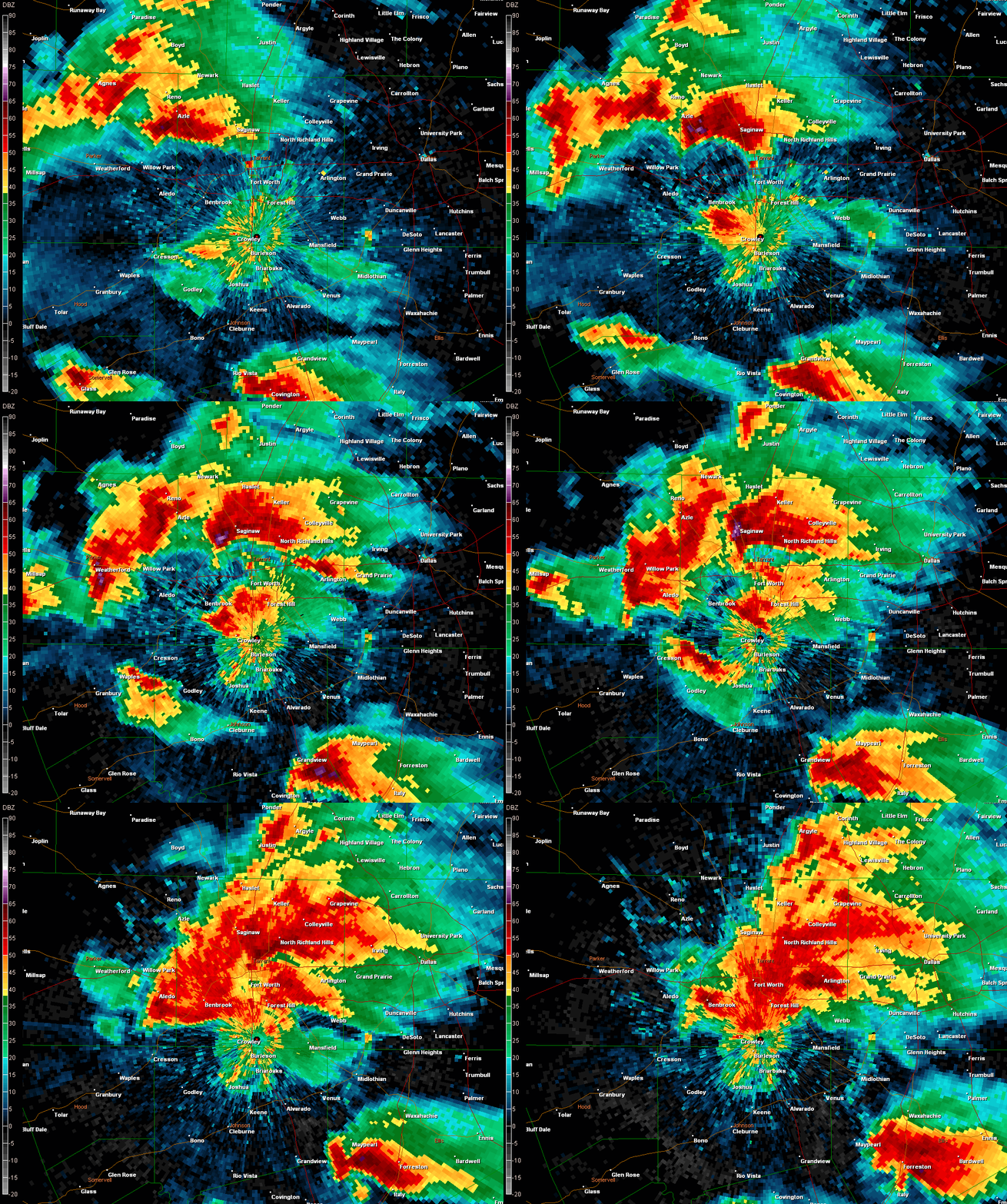
This guide delves into the typical weather in Fort Worth, providing insights into each season and how it might affect your travel plans. We’ll explore how to best pack, what activities are ideal during different times of the year, and how the climate contributes to the unique lifestyle and tourism appeal of this captivating Texas city.
Understanding Fort Worth’s Seasonal Climate
Fort Worth experiences a humid subtropical climate, characterized by hot summers and mild to cool winters. The city’s location in North Texas means it’s susceptible to a variety of weather phenomena, including thunderstorms, occasional freezes, and periods of intense heat. Understanding these seasonal shifts is key for any visitor, from those seeking budget travel to those indulging in luxury travel.
Spring (March – May)
Spring in Fort Worth is a period of transition, offering pleasant temperatures and blooming landscapes. This is often considered one of the most delightful times to visit, with average high temperatures gradually rising from the comfortable 60s Fahrenheit in March to the warm 80s Fahrenheit by May. Low temperatures are generally mild, making evenings enjoyable. The city awakens from its winter slumber, and outdoor attractions like the Fort Worth Botanic Garden are particularly stunning during this season.
However, spring also brings with it the potential for significant weather fluctuations. Thunderstorms can become more frequent, sometimes accompanied by strong winds and heavy rainfall. It’s advisable to keep an eye on the forecast and have indoor activities or experiences as backup options. The possibility of severe weather, while not a daily occurrence, is something to be aware of. This season is perfect for exploring the landmarks of Fort Worth, enjoying outdoor dining, and experiencing the local culture before the intense summer heat sets in. For those planning family trips, the mild weather is ideal for exploring places like the Fort Worth Zoo or engaging in outdoor adventures.
Summer (June – August)
Summers in Fort Worth are notoriously hot and humid. July and August are typically the hottest months, with average high temperatures consistently reaching the upper 90s Fahrenheit, and often exceeding 100 degrees Fahrenheit. The humidity can make these temperatures feel even more oppressive. Afternoon thunderstorms are common, providing temporary relief from the heat but sometimes bringing dramatic downpours and lightning.
During the summer months, it’s crucial to stay hydrated and seek air-conditioned environments during the peak heat of the day. Many of Fort Worth’s prime attractions, such as the Kimbell Art Museum, Modern Art Museum of Fort Worth, and the Amon Carter Museum of American Art in the Cultural District, offer excellent indoor escapes. When venturing outdoors, early mornings and late evenings are the most comfortable times for activities. If you are visiting during this period, consider booking accommodation with good air conditioning and access to pools, such as a resort or a hotel with extensive amenities. Food exploration can also be enjoyed indoors at the city’s many restaurants, showcasing the diverse culinary scene. Planning business stays during this period might necessitate careful scheduling of outdoor meetings.
Autumn (September – November)
Autumn is often considered another prime season for visiting Fort Worth. Following the intense heat of summer, temperatures begin to cool down significantly. September can still be warm, but by October and November, the weather becomes increasingly pleasant, with average high temperatures ranging from the 70s Fahrenheit in October to the 60s Fahrenheit in November. The humidity also tends to decrease, making outdoor exploration much more comfortable.
This is an excellent time for enjoying the landmarks and outdoor experiences that Fort Worth has to offer. The Fort Worth Stockyards National Historic District is ideal for a stroll, and events like the Fort Worth Rodeo are often held during this period. The changing foliage, though not as dramatic as in some other parts of the country, adds a pleasant visual element to the city’s parks and green spaces. Fall festivals and events are common, contributing to the vibrant local culture. Planning family trips or exploring the city’s history and architecture is highly recommended during these months. The comfortable weather also makes it ideal for exploring various neighborhoods and discovering hidden gems for budget travel or more upscale experiences.
Winter (December – February)
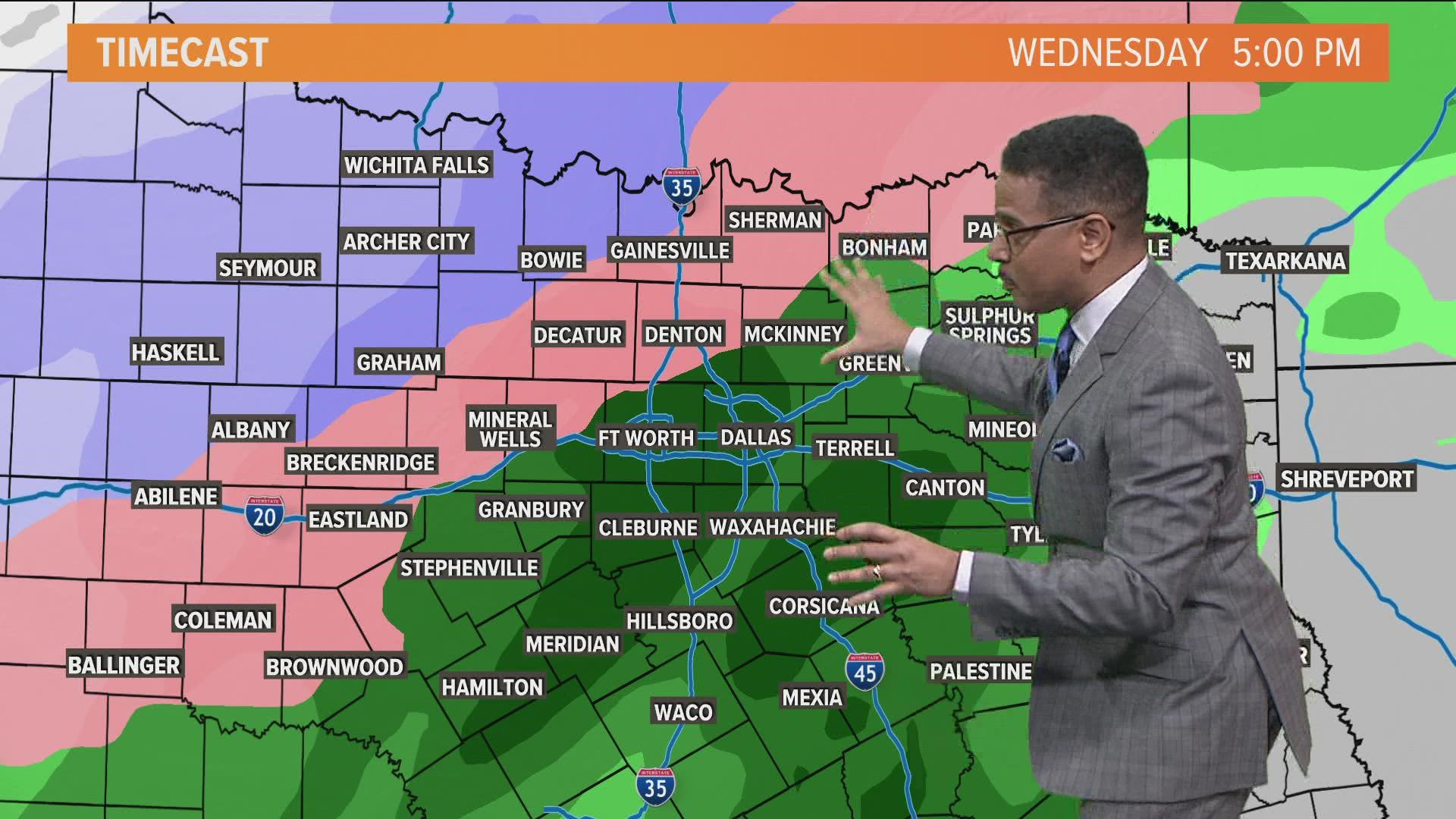
Winters in Fort Worth are generally mild but can bring periods of cold. Average high temperatures in December and January hover in the 50s Fahrenheit, with nighttime lows often dipping into the 30s Fahrenheit. While significant snowfall is rare, occasional light dusting can occur, and freezing temperatures are not uncommon. The city can experience “blue northers,” which are sudden drops in temperature accompanied by strong winds.
Despite the cooler temperatures, winter can still be a charming time to visit. The holiday season brings festive decorations and events, and the milder climate means that most attractions remain open. Indoor activities are a good option, such as visiting museums in the Cultural District or enjoying the culinary scene. For those considering longer stays, winter offers a quieter, more local feel to the city. If traveling during this season, packing layers is essential, including a warm coat, hat, and gloves, as well as comfortable walking shoes for exploring. Accommodation options, including apartments for long-term stays or cozy villas, can offer a warm retreat from the winter chill.
Impact on Travel and Activities
The weather in Fort Worth directly influences the types of travel and activities that are most enjoyable. Understanding these connections allows for more effective planning, whether you are focusing on destinations, attractions, experiences, or tips for navigating the city.
Outdoor Exploration and Landmarks
The pleasant temperatures of spring and autumn are ideal for exploring Fort Worth’s many outdoor landmarks and attractions. This includes extensive walks around the Trinity River Trails, visits to the Fort Worth Botanic Garden, or exploring the expansive grounds of Eagle Mountain Lake Park. The Fort Worth Stockyards are a must-see, and the cooler months make it easier to fully appreciate the Western heritage and historical significance. Even in summer, early morning visits to these sites can be rewarding, provided you take precautions against the heat.
Cultural and Indoor Experiences
When the weather turns unfavorable, whether it’s the intense heat of summer or the occasional chill of winter, Fort Worth boasts a rich array of indoor attractions. The Cultural District is a major draw, housing world-class institutions like the Kimbell Art Museum, the Modern Art Museum of Fort Worth, the Amon Carter Museum of American Art, and the Fort Worth Museum of Science and History. These offer enriching experiences regardless of the weather outside. The city also has a thriving performing arts scene, with venues like the Bass Performance Hall hosting various shows and concerts. Exploring the local food scene, from barbecue joints to fine dining establishments, is an excellent indoor pursuit for any season.
Accommodation and Lifestyle Considerations
The weather also plays a role in choosing the right accommodation. During the hot summer months, a hotel or resort with a swimming pool and robust air conditioning is highly desirable. For those looking for longer stays, renting an apartment or villa with good climate control is essential. The lifestyle associated with visiting Fort Worth can be adapted to the climate. Family trips might involve more indoor activities during extreme weather, while business stays could benefit from hotels offering amenities that facilitate relaxation after a day in the office. Luxury travel often means access to premium indoor facilities, while budget travel might require more strategic planning to avoid the harshest weather conditions.
Preparing for Your Visit
To make the most of your trip to Fort Worth, Texas, proactive preparation based on the anticipated weather is key. This involves strategic packing, booking the right accommodation, and planning a flexible itinerary that can adapt to potential weather shifts.
Packing Essentials
Your packing list should be tailored to the season of your visit.
- Spring and Autumn: Pack light layers, including long-sleeved shirts, sweaters, and a light jacket. Comfortable walking shoes are essential for exploring the destinations and landmarks. An umbrella and a light rain jacket are advisable for the possibility of spring showers or the occasional autumn storm.
- Summer: Lightweight, breathable clothing is a must. Think cotton or linen fabrics. Sunscreen, a hat, and sunglasses are crucial for protecting yourself from the strong Texas sun. Staying hydrated is vital, so consider carrying a reusable water bottle. Evenings can sometimes offer a slight reprieve, so a light cardigan might be useful.
- Winter: Layers are again important, including thermal wear, sweaters, and a medium-weight coat. A scarf, gloves, and a hat will be necessary for colder days. Waterproof shoes are a good idea in case of any precipitation.
Booking Accommodation and Activities
When booking accommodation, consider the season. During summer, prioritize properties with excellent air conditioning and pool access. In winter, look for cozy and well-heated spaces. For long-term stays, ensure your chosen apartment or villa offers reliable climate control. When booking activities and tours, especially those that are weather-dependent, check their cancellation policies and consider having alternative indoor plans in mind. Websites offering comparison of hotels and booking services can help you find options that best suit your needs and budget.
Embracing Fort Worth’s Lifestyle
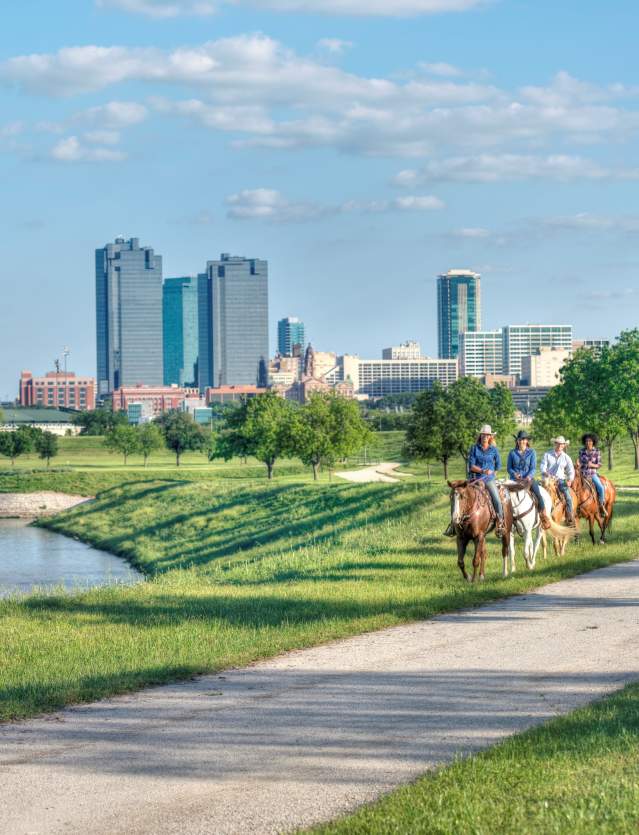
Fort Worth offers a unique lifestyle that blends Western heritage with modern sophistication. Whether you are interested in luxury travel, budget travel, family trips, or business stays, understanding the weather allows you to fully embrace the city’s offerings. From enjoying a cool evening at an outdoor patio in spring to seeking refuge in a world-class museum during a summer afternoon, the weather is a part of the experience. By being prepared, you can ensure that your visit to Fort Worth is comfortable, memorable, and filled with the rich local culture, delicious food, and captivating attractions that this dynamic Texas city has to offer.
LifeOutOfTheBox is a participant in the Amazon Services LLC Associates Program, an affiliate advertising program designed to provide a means for sites to earn advertising fees by advertising and linking to Amazon.com. Amazon, the Amazon logo, AmazonSupply, and the AmazonSupply logo are trademarks of Amazon.com, Inc. or its affiliates. As an Amazon Associate we earn affiliate commissions from qualifying purchases.