
Texas, a state renowned for its vast landscapes, vibrant culture, and abundant natural beauty, also plays a crucial role in the migratory journeys of several hummingbird species. For nature enthusiasts, birdwatchers, and anyone captivated by these miniature marvels, understanding the timing of their departure from the Lone Star State is key to planning unforgettable wildlife viewing experiences. The question “When do hummingbirds leave Texas?” is more than just a casual inquiry; it’s an invitation to explore the intricate rhythms of nature, from the blooming flora that sustain them to the vast distances they traverse.
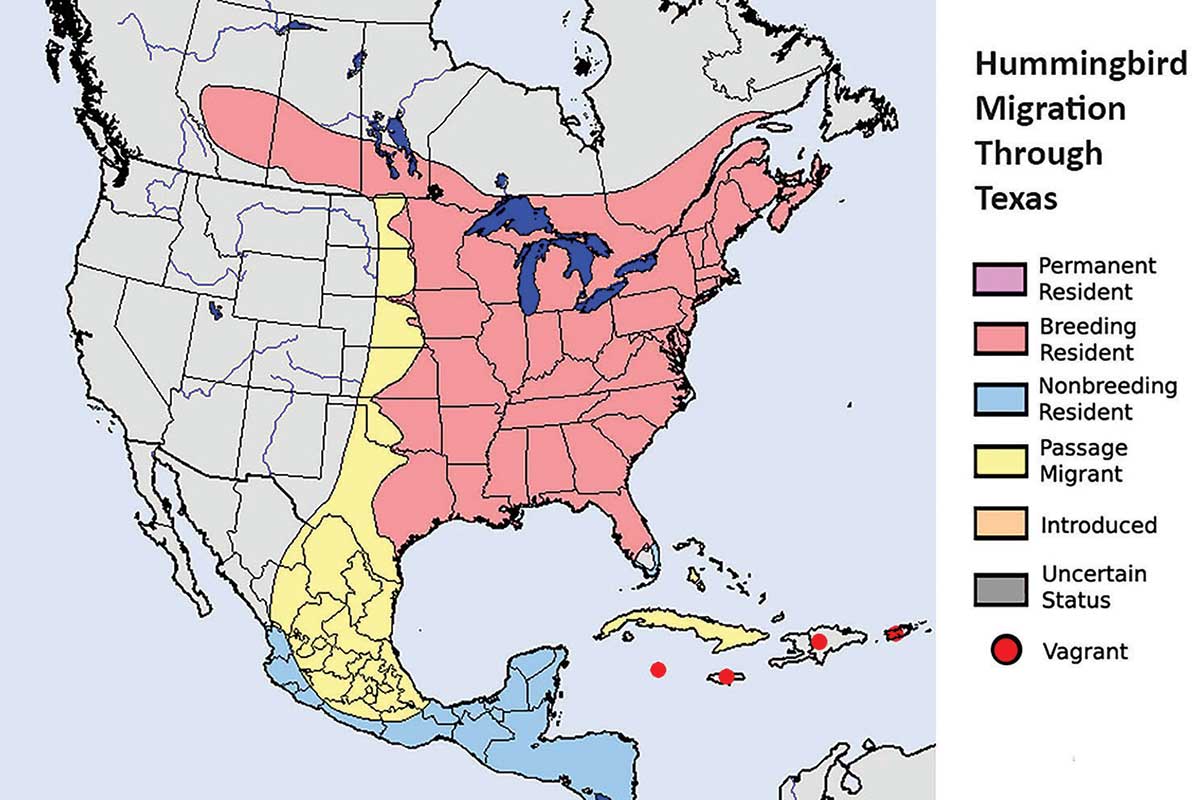
The departure of hummingbirds from Texas is not a single event but rather a staggered process, influenced by species, geographic location within the state, and prevailing environmental conditions. As summer’s heat begins to wane and the days grow shorter, a biological imperative urges these tiny dynamos to begin their southward migration, seeking warmer climates and continued food sources. This annual exodus is a spectacle of endurance and instinct, a testament to the remarkable adaptations that allow them to survive.
Understanding Hummingbird Migration in Texas
The diverse ecosystems of Texas, stretching from the Piney Woods of the east to the arid deserts of the west, and from the Gulf Coast to the Panhandle, provide distinct migratory patterns for different hummingbird species. The timing of their departure is intricately linked to the availability of nectar-producing flowers, a critical food source for their high-energy metabolisms.
Key Hummingbird Species in Texas and Their Departure Times
Several species of hummingbirds grace Texas with their presence, each with its own migratory schedule. The Ruby-throated Hummingbird is perhaps the most common breeder in Eastern and Central Texas. These birds typically begin their southward journey in late August and continue through September. Their departure is often a gradual process, with individuals leaving as their food sources dwindle or as they feel the innate pull of migration.
Further south and along the coast, species like the Buff-bellied Hummingbird are often considered year-round residents in parts of South Texas, although some may undertake local movements in response to food availability or weather. However, migratory populations of other species, such as the Black-chinned Hummingbird, which breeds in western Texas, will also start their southbound flights in late summer and early fall, typically by early September.
The Rufous Hummingbird, a species known for its incredibly long migration, also passes through Texas. While their peak migration is often in the spring and fall, they can be present in Texas during the summer months in some areas. Their departure from the state usually occurs in late August and into September, following the same patterns as other migratory species.
It’s important to note that these are general timelines. Factors like unseasonably warm weather can prolong the blooming season of nectar-rich flowers, potentially keeping some hummingbirds around for longer. Conversely, early droughts or cold snaps can accelerate their departure.
The Role of Food Availability in Migration Timing
The departure of hummingbirds is intrinsically tied to their food supply. As the summer progresses, many of the peak blooming flowers that provided abundant nectar begin to fade. This decline in food sources signals to the birds that it’s time to move on. Hummingbirds are highly territorial and will defend feeding territories vigorously, especially when food is scarce. As these territories become less productive, the drive to migrate intensifies.
Plants like bee balm, salvias, honeysuckle, and various native wildflowers are crucial for sustaining hummingbirds. When these plants cease to bloom or produce less nectar, the hummingbirds must seek out new sources, which often means traveling south. The success of their migration hinges on finding a continuous chain of food resources along their route.
Geographic Variations within Texas
The sheer size of Texas means that departure times can vary significantly from one region to another. Hummingbirds in North Texas, for example, might begin their southward journey earlier than those in South Texas, where the warmer climate can support blooming plants for a longer period.

- East Texas: Hummingbirds in the Piney Woods might depart in late August and early September, influenced by the seasonal changes in the forest flora.
- Central Texas: Areas around Austin and San Antonio will see hummingbirds begin to leave throughout September.
- West Texas: Breeding populations in the Edwards Plateau and Trans-Pecos regions will generally depart by early to mid-September.
- South Texas: While some species are year-round residents in the Rio Grande Valley, migratory hummingbirds passing through or breeding in this region might linger slightly longer, with departures often extending into late September or even early October for some individuals, especially if late-blooming flowers are available.
Preparing Your Garden for Migrating Hummingbirds
For those who cherish the sight of hummingbirds, understanding their departure is also an opportunity to prepare for their return. While the question is about when they leave, thinking about how to support them before they depart and upon their arrival is equally important for local bird populations and migratory stopovers.
Creating a Hummingbird Haven
To support hummingbirds during their stay and before they embark on their migration, creating a garden that provides abundant nectar and a safe environment is essential. This includes planting a variety of native and non-native flowers that bloom at different times of the year.
- Nectar-Rich Flowers: Prioritize plants known to attract hummingbirds. In Texas, these include:
- Salvia species: Many varieties, such as Texas Sage (Leucophyllum frutescens), Autumn Sage (Salvia greggii), and Tropical Sage (Salvia coccinea), are excellent.
- Cardinal Flower (Lobelia cardinalis) and Great Blue Lobelia (Lobelia siphilitica).
- Firebush (Hamelia patens).
- Trumpet Vine (Campsis radicans).
- Coral Honeysuckle (Lonicera sempervirens).
- Indian Paintbrush (Castilleja spp.).
- Penstemon species.
- Water Sources: Hummingbirds also benefit from misting systems or shallow bird baths with misters to help them bathe and cool down.
- Perching Spots: Providing small branches or twigs near feeders and flowers gives them places to rest and survey their territory.
- Avoiding Pesticides: The insects that hummingbirds consume are an important source of protein. Therefore, it’s crucial to avoid using pesticides in your garden, which can harm both the birds and their food sources.
Feeding Hummingbirds Responsibly
Hummingbird feeders can supplement natural nectar sources, but it’s important to use them correctly and responsibly. The ideal nectar mixture is four parts water to one part plain white sugar. Avoid red dyes, honey, or artificial sweeteners, as these can be harmful. Feeders should be cleaned regularly, at least twice a week in hot weather, to prevent the growth of mold and bacteria, which can sicken the birds.
As hummingbirds begin to leave Texas, continuing to maintain feeders can help any late stragglers or early arrivals of southbound migrants from other regions. This is especially true for the first wave of departures, as some individuals may leave earlier than others.
The Journey South: Beyond Texas
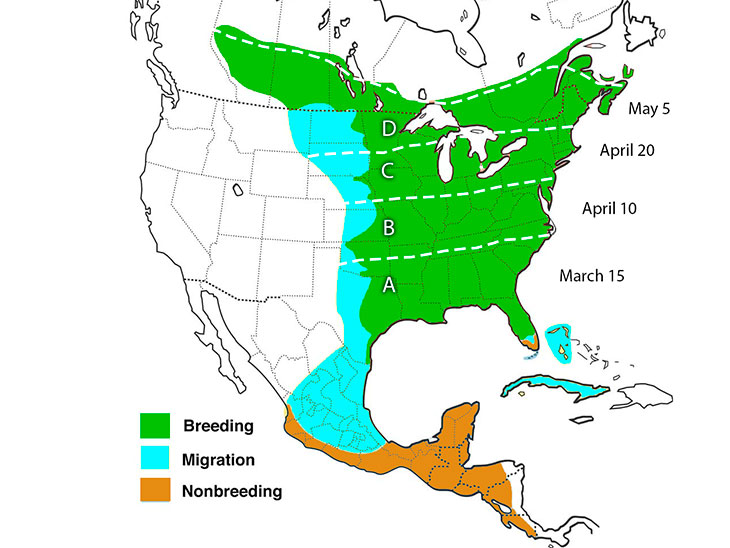
The departure from Texas marks a significant milestone in the hummingbird’s migratory journey. For many species, particularly the Ruby-throated Hummingbird, Texas serves as a crucial refueling stop before they undertake the perilous flight across the Gulf of Mexico to their wintering grounds in Mexico and Central America. This direct flight over the Gulf is an astonishing feat of endurance, requiring the birds to store enough fat reserves to fuel a journey that can last for over 20 hours without stopping.
Facing Migration Challenges
The migratory period for hummingbirds is fraught with challenges. Weather patterns, the availability of stopover sites with adequate food resources, and predation are constant threats. The successful departure from Texas, therefore, is not just an end to their summer breeding season but a critical first step in a long and demanding passage.
The Importance of Stopover Sites
Texas’s diverse landscapes provide vital stopover points for migrating hummingbirds. Areas with concentrated flowering plants offer essential opportunities for these birds to replenish their energy reserves before continuing their journey. Conservation efforts that protect these habitats are therefore crucial for the survival of hummingbird populations. Recognizing when hummingbirds leave Texas helps highlight the importance of these transitional periods and the need for continued habitat preservation.
When planning a visit to Texas for birdwatching, understanding the migratory patterns allows for better timing. While the peak of hummingbird activity might be during the spring and summer, the departure period itself can be a fascinating time to observe their movements and preparations for the arduous journey ahead. Whether you’re in a bustling city like Dallas or a more rural setting, the departure of these tiny, iridescent jewels is a natural event that underscores the interconnectedness of life across continents. The question of “When do hummingbirds leave Texas?” ultimately leads to a deeper appreciation for the incredible journeys these small birds undertake each year.
LifeOutOfTheBox is a participant in the Amazon Services LLC Associates Program, an affiliate advertising program designed to provide a means for sites to earn advertising fees by advertising and linking to Amazon.com. Amazon, the Amazon logo, AmazonSupply, and the AmazonSupply logo are trademarks of Amazon.com, Inc. or its affiliates. As an Amazon Associate we earn affiliate commissions from qualifying purchases.