
Navigating the nuances of alcohol sales can be a crucial part of planning any trip, especially when your itinerary includes the vast and vibrant state of Texas. Whether you’re a seasoned traveler planning an extended stay in a luxurious resort, a family embarking on an adventure to explore iconic landmarks, or a budget-conscious explorer seeking local experiences, understanding when and where you can purchase beer is essential for a seamless and enjoyable visit. Texas, known for its unique culture and diverse attractions, operates under a specific set of regulations that dictate alcohol sales, and these can vary by locality. This guide will demystify these rules, ensuring you can confidently plan your evenings and social gatherings across the Lone Star State.
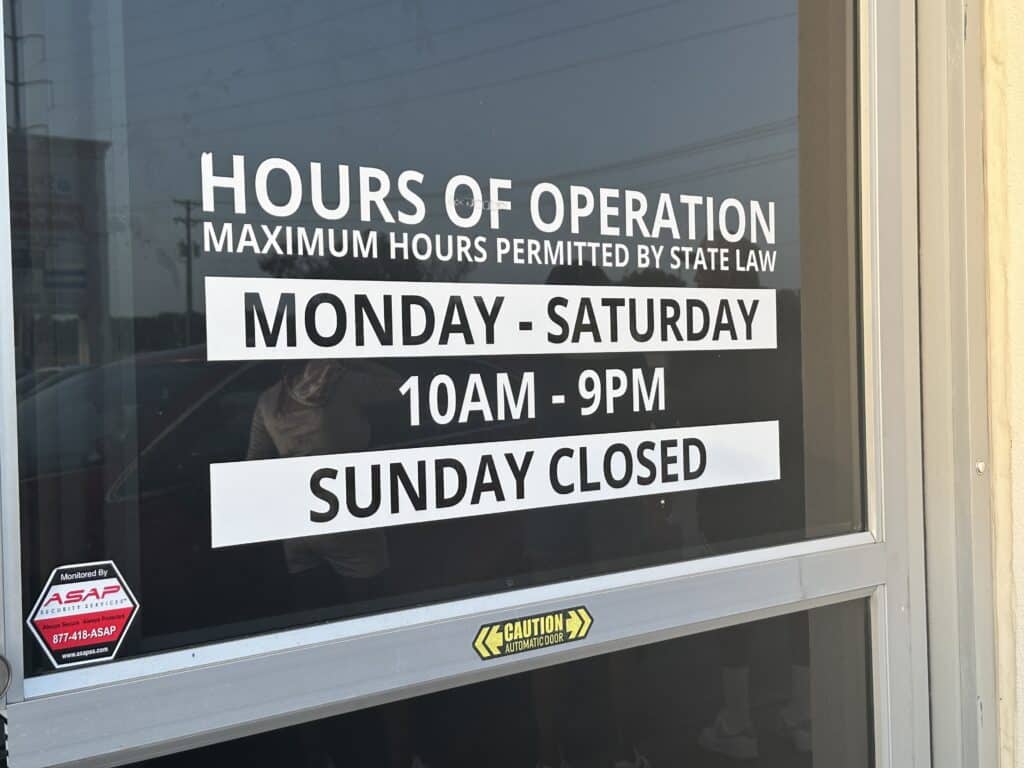
The key to understanding Texas’s beer sales hours lies in recognizing that it’s not a uniform, statewide mandate but rather a patchwork of regulations influenced by both state law and local ordinances. This means that what’s permissible in one city might be slightly different in another, adding a layer of complexity that can be both intriguing and, at times, confusing for visitors. However, with a little knowledge, you can easily navigate these distinctions and ensure you’re always in compliance while enjoying the best of what Texas has to offer, from its world-class hotels and bustling culinary scenes to its breathtaking natural beauty and rich historical sites.
Understanding Texas Beer Sales: A State and Local Dance
Texas law, often referred to as the Texas Alcoholic Beverage Code, provides the overarching framework for alcohol sales. However, a significant amount of control is delegated to local jurisdictions, allowing cities and counties to establish their own specific hours of operation. This dual approach is the primary reason for the variations you might encounter.
State Mandates: The Foundation of Texas Alcohol Laws
At the state level, Texas generally permits the sale of beer for off-premise consumption (like buying a six-pack from a grocery store) from 7 a.m. to 1 a.m. Monday through Saturday. On Sundays, these hours are slightly curtailed, typically starting at noon and ending at 1 a.m. This provides a baseline for most of the state. However, it’s crucial to remember that these are the latest allowable hours, and local entities can impose earlier closing times.
For on-premise consumption (drinking beer at a bar, restaurant, or during an event), the state also sets a general limit. Businesses are allowed to sell beer until 2 a.m. every day of the week, including Sundays. Again, local authorities have the power to restrict these hours, meaning some establishments might close their doors to beer sales earlier than the state maximum.
The “Sunday Funday” aspect of Texas alcohol sales is particularly noteworthy. While many states have historically placed stricter limitations on Sunday sales, Texas has largely moved towards a more permissive approach, allowing sales throughout the day, albeit with the common 1 a.m. or 2 a.m. closing times. This liberalization has been beneficial for tourism, allowing visitors to enjoy local breweries and restaurants without significant interruptions to their weekend plans.
Local Control: The Texas Twist
The real complexity arises when you delve into the local ordinances. Cities and counties in Texas can opt to be “wet” or “dry” regarding alcohol sales, and they can also set their own specific hours for beer sales, often referred to as “local option elections.” This means that if you’re traveling between, say, a small town in West Texas and a major metropolitan area like Dallas or Houston, you might find subtle differences in when bars and stores stop selling beer.
Some of the most common local variations include:
- Earlier Closing Times: A city might decide that its residents and visitors don’t need beer sales past midnight on weekdays, even though the state allows sales until 1 a.m. for off-premise and 2 a.m. for on-premise.
- Specific Sunday Regulations: While state law is quite liberal, some very conservative local areas might still have slightly different Sunday hours.
- “Dry” or “Moist” Areas: While less common for beer, some smaller communities might still vote to restrict alcohol sales entirely or only allow them under specific circumstances, such as within city limits but not in surrounding unincorporated areas.
When you book accommodation at a place like the Hotel Crescent Court in Dallas, the hotel’s bars and restaurants will adhere to the city’s specific regulations. Similarly, if you’re exploring attractions like the Alamo in San Antonio, any nearby establishments selling beer will be bound by San Antonio’s local rules.
Navigating Beer Sales for Different Travel Styles
Understanding these regulations can significantly enhance your travel experience, whether you’re a luxury traveler seeking to unwind at a resort, a family exploring historical landmarks, or a solo adventurer immersing yourself in local culture.
For the Luxury Traveler: Resorts, Fine Dining, and Evening Indulgences
If your idea of travel involves the plush amenities of a resort like the Four Seasons Hotel Austin or indulging in a fine dining experience in Austin, knowing the beer sales hours can ensure your evening doesn’t end prematurely. Upscale establishments typically align with the later end of permitted hours, often serving until 1 a.m. or 2 a.m., especially on weekends.
- Resort Bars and Restaurants: Most hotels and resorts that have their own liquor licenses will adhere to the state’s maximum on-premise hours (2 a.m.). This means you can enjoy a craft beer or a well-mixed drink after a day of exploring the Texas Hill Country or attending a business meeting.
- Fine Dining Experiences: Restaurants in major cities like Houston that serve alcohol will generally follow the same 2 a.m. on-premise closing time. However, it’s always a good idea to check the specific closing time when making your reservation, especially if you plan to dine late.
- Planning for Late Nights: If you’re attending a concert at a venue in Austin or a professional sporting event at AT&T Stadium in Arlington, you can expect bars within these venues to serve until at least the state-mandated closing times, often with special event permits allowing for extended hours.
For the Family Explorer: Sightseeing, Local Eats, and Convenience
Families on vacation often juggle a packed schedule of visiting attractions like the Space Center Houston or exploring the historic streets of Galveston. For families, understanding beer sales often relates to picking up a cold beverage to enjoy with dinner at a casual restaurant or perhaps purchasing a pack from a convenience store for a relaxed evening at your apartment rental.
- Grocery and Convenience Stores (Off-Premise): These establishments typically close their beer sales at 1 a.m. Monday through Saturday and noon to 1 a.m. on Sundays. If you’re staying in a vacation rental and want to stock up for a family barbecue, aim to do so before these closing times.
- Casual Dining Restaurants (On-Premise): Family-friendly restaurants usually serve beer until their kitchen closes or slightly after, generally aligning with the 1 a.m. or 2 a.m. limits. It’s less likely for these venues to close significantly earlier unless they are in a very specific local ordinance area.
- Sunday Planning: If your family activities on a Sunday extend into the evening, remember that off-premise sales only begin at noon. This might affect your ability to grab a beer for a picnic lunch if you’re starting your day early.
For the Budget Traveler and Local Culture Enthusiast: Dive Bars, Breweries, and Authentic Experiences
For those who prioritize authentic experiences and local flavor, understanding beer sales hours is key to enjoying Texas’s vibrant brewery scene and its iconic dive bars. These establishments often cater to a more local crowd and might operate under specific, sometimes more relaxed, local ordinances.
- Local Breweries: Many Texas breweries, especially those in popular craft beer hubs like San Antonio or Fort Worth, will serve beer until closing time. This can vary significantly based on their specific location and local licensing. Some might close earlier, while others, particularly those in entertainment districts, can serve until 2 a.m. It’s always best to check the brewery’s website or social media for their current hours of operation.
- Dive Bars and Local Taverns: These often adhere to the local ordinances. While many will stay open until 2 a.m., some smaller, neighborhood bars might close earlier, around midnight or 1 a.m., to cater to their regular clientele.
- Exploring Different Cities: When traveling between cities like Austin and El Paso, be mindful of the different local regulations. What’s permissible in one might not be in the other. For example, some smaller towns in West Texas might have earlier closing times than a bustling city like Austin.
Special Considerations and Tips for Travelers
Beyond the general hours, a few specific points are worth noting to ensure a smooth experience when purchasing beer in Texas.
Holidays and Special Events
During major holidays like Thanksgiving, Christmas, or New Year’s Eve, the general Texas alcohol laws usually apply. However, some local governments might enact specific ordinances for holiday periods, or venues might obtain special permits for extended hours. For example, during a major festival in Austin, you might find that beer sales are extended. Always check local advisories or venue information for any holiday-specific changes.
Mixed Beverage vs. Beer Licenses
It’s also helpful to understand that establishments can hold different types of licenses. A “beer and wine” license allows for the sale of beer and wine only, while a “mixed beverage” license permits the sale of all alcoholic beverages, including spirits. The closing times can sometimes differ slightly between these license types, though for beer sales, the general limits usually apply to both.
Sunday Sales: The Noon Kick-off
The most consistent aspect of Texas beer sales, especially on Sundays, is the noon start for off-premise purchases. If you’re planning a Sunday brunch that involves a mimosa or a Bloody Mary (which are mixed beverages and thus have different rules than just beer), this is less of a concern. But if you’re looking for a beer to accompany your lunch from a local deli or store, you’ll need to wait until midday.

Staying Informed: Your Best Strategy
The most foolproof way to know when Texas stops selling beer in a specific location is to:
- Check the Establishment’s Hours: Most bars, restaurants, and stores will clearly state their operating hours, and often their alcohol sales cutoff times, on their websites, social media, or even posted at the entrance.
- Ask Your Accommodation: Whether you’re staying at a hotel like the Driskill Hotel or a vacation rental, the staff or host is usually a great resource for local information, including alcohol sales.
- Consult Local Tourism Websites: Many city and county tourism boards provide detailed visitor information, which can include relevant laws and customs.
- Be Mindful of the Date: During the Texas legislative session, laws can sometimes be proposed or changed, though significant shifts in beer sales hours are infrequent.
By keeping these points in mind, your exploration of Texas, from its iconic landmarks like the Texas State Capitol to its culinary delights and unique lifestyle offerings, will be all the more enjoyable and hassle-free. You can confidently plan your evenings, knowing precisely when you can enjoy a cold Texas brew, ensuring your adventures across this great state are memorable for all the right reasons.
LifeOutOfTheBox is a participant in the Amazon Services LLC Associates Program, an affiliate advertising program designed to provide a means for sites to earn advertising fees by advertising and linking to Amazon.com. Amazon, the Amazon logo, AmazonSupply, and the AmazonSupply logo are trademarks of Amazon.com, Inc. or its affiliates. As an Amazon Associate we earn affiliate commissions from qualifying purchases.