
The question echoes across the vast, sun-drenched plains and bustling metropolises of the Lone Star State: “When is it finally going to cool down in Texas?” For residents and visitors alike, the persistent, often intense, heat is a defining characteristic of the Texan experience for a significant portion of the year. While the allure of Texas is undeniable, from its rich history and vibrant culture to its diverse landscapes and world-class attractions, the sweltering temperatures can sometimes overshadow these charms, especially during the peak summer months. Understanding the ebb and flow of Texas’s climate is key to planning the perfect trip or simply navigating daily life without succumbing to heat exhaustion. This article delves into the nuances of Texas heat, exploring when relief can be expected, and how to make the most of your time in this captivating state, regardless of the mercury.
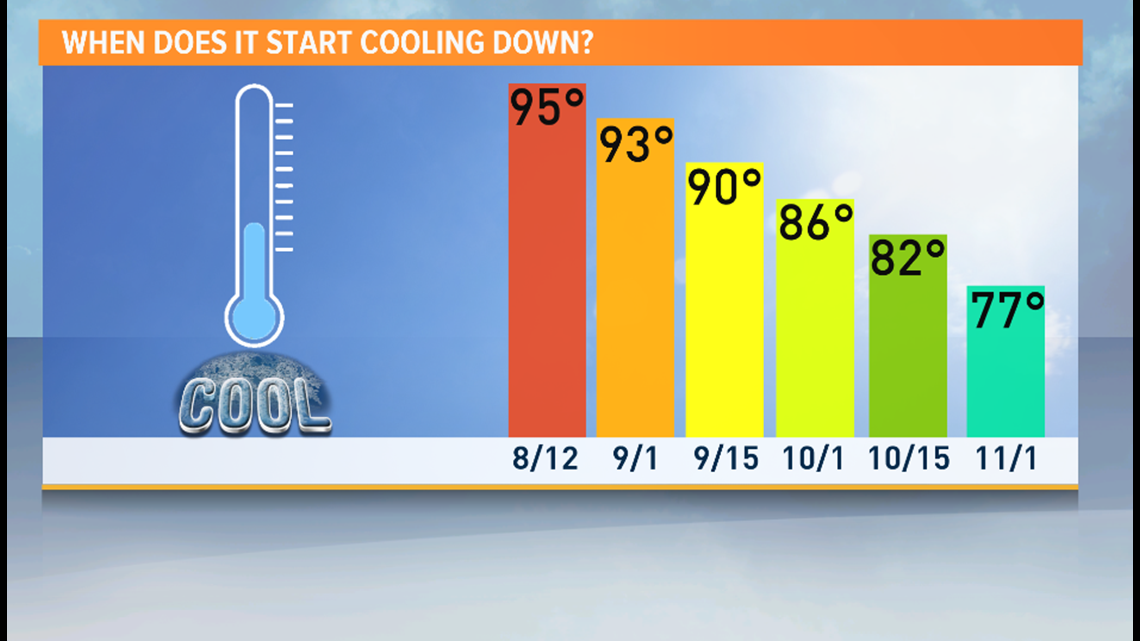
Texas is a state of extremes, and its climate is no exception. The sheer size of Texas means that weather patterns can vary significantly from its Panhandle north to its Gulf Coast south. Generally, the state experiences a humid subtropical climate, characterized by hot summers and mild to cool winters. However, the definition of “mild” and “cool” can be relative, and the summer heat can be particularly unforgiving.
Understanding the Texas Heat Cycle
Summer: The Reign of the Sun
The period from roughly June through August is synonymous with intense heat across Texas. Daytime temperatures regularly soar into the triple digits (Fahrenheit, that is), often accompanied by high humidity, which makes the “feels like” temperature even more oppressive. Cities like Dallas, Houston, and San Antonio can experience prolonged heatwaves where even the evenings offer little respite, with overnight lows remaining in the high 70s or low 80s.
The intensity of the summer heat is driven by several factors, including the state’s southerly latitude, its inland location (though coastal areas experience high humidity from the Gulf of Mexico), and a general lack of consistent cloud cover during these months. The sun’s angle is high, and the long daylight hours contribute to significant heat accumulation. This period is when many residents retreat indoors to air-conditioned spaces, and outdoor activities are best scheduled for the early morning or late evening. For travelers, this means prioritizing indoor attractions like museums, shopping malls, and culinary experiences, or planning water-based activities. Resorts with excellent pool facilities, such as the Omni Barton Creek Resort & Spa in Austin, become particularly attractive during this time.
Transition Periods: A Glimmer of Hope
The shoulder seasons, spring and fall, offer the most welcome relief from the intense summer heat and are often considered the prime times to visit Texas.
Spring: A Brief Respite Before the Surge
From March through May, Texas experiences a welcome transition. While early spring can still bring cooler temperatures, especially in the northern parts of the state, temperatures gradually climb, becoming pleasantly warm by April and May. This period is ideal for exploring the state’s numerous outdoor attractions without the oppressive heat. Spring wildflowers, particularly the iconic Texas bluebonnets, carpet the countryside, creating breathtaking natural spectacles, especially in the Texas Hill Country. This makes for excellent road trips and photography opportunities.
However, spring in Texas also comes with its own set of climatic challenges. It is also the season for severe thunderstorms and even tornadoes, particularly in the eastern and northern regions. The clash of warm, moist air from the Gulf with cooler, drier air from the north can create volatile weather patterns. Despite these potential disruptions, the overall temperature remains far more manageable than in the summer, making outdoor activities like hiking in Big Bend National Park, exploring the historic missions of San Antonio, or attending outdoor festivals a much more enjoyable experience. This is also a fantastic time to explore the vibrant culinary scene in Austin or discover the unique attractions in Galveston.
Fall: The Gentle Descent into Cooler Days
September marks the beginning of the fall season, and with it, a gradual, albeit sometimes slow, cooling trend. While September can still feel very much like summer, especially in the southern parts of the state, October and November typically bring much more comfortable temperatures. The humidity often begins to recede, and crisp, clear days become more common. This is arguably one of the most beautiful times to experience Texas. The changing foliage, though not as dramatic as in some other parts of the country, adds a lovely touch to the landscapes, and outdoor dining becomes a true pleasure.
This is an excellent time to visit cities like Fort Worth to explore the Fort Worth Stockyards National Historic District, or to enjoy the many festivals and events that take place across the state. The cooler weather is perfect for exploring the vastness of West Texas or enjoying a round of golf. Many luxury resorts, like The Ritz-Carlton, Dallas, offer excellent amenities that can be enjoyed both indoors and outdoors during this pleasant period. The transition can be slow, with occasional warm spells extending well into autumn, but the overall trend is towards cooler, more pleasant weather, making it an ideal time for travel.
Winter: The “Cool Down” Arrives, But with Nuances
The period from December through February is generally considered the “cool down” in Texas. However, the definition of “cool” can vary significantly across the state.
Mild Winters in the South
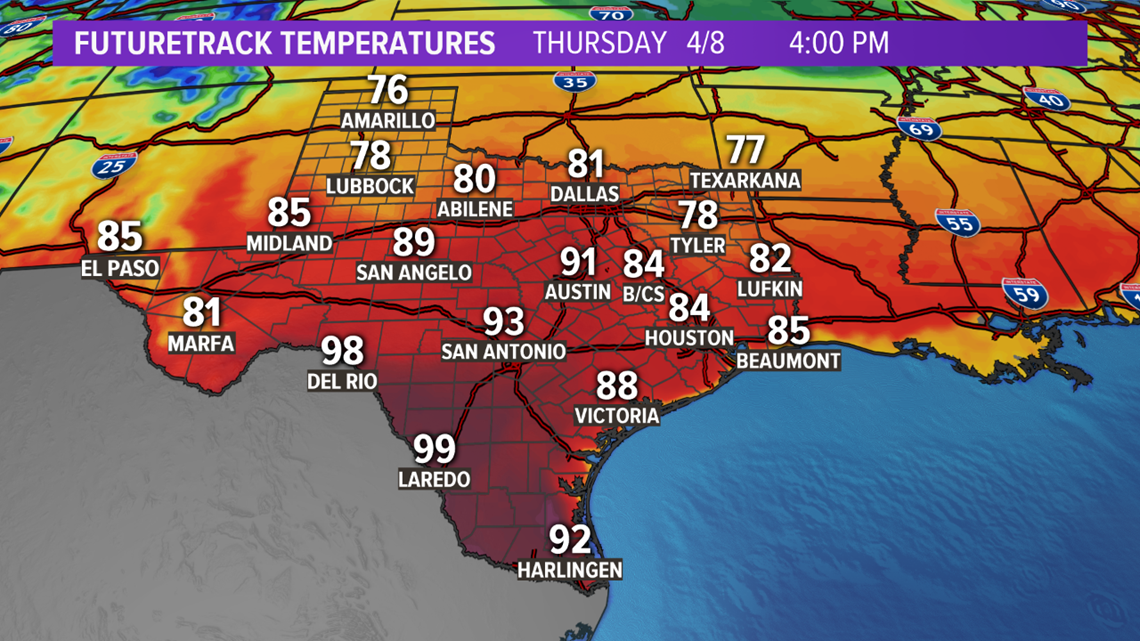
The southern parts of Texas, including the Rio Grande Valley, often experience very mild winters, with daytime temperatures frequently in the 60s and 70s. Frost is rare, and snow is an almost unheard-of phenomenon. This makes South Texas a popular destination for those seeking to escape colder climates, with many retirees flocking to the region. The coastal cities like Corpus Christi offer a more temperate experience during these months.
Chilly Winters in the North and Panhandle
In stark contrast, the northern parts of Texas, including the Texas Panhandle around Amarillo, can experience genuine winter weather. Temperatures can drop below freezing, and snow and ice are not uncommon. These regions can experience cold fronts that bring biting winds and chilly conditions, requiring warm clothing and winterized travel plans. Even cities further south, like Dallas and Fort Worth, can experience periods of frost and freezing temperatures, though prolonged snow is infrequent.
The winter months are generally the least humid, offering a dry coolness that many find refreshing after the intense summer heat. It’s an excellent time for indoor exploration, enjoying the renowned Texan hospitality in cozy restaurants, and visiting historical sites without breaking a sweat. The affordability of accommodations and flights can also be an advantage during the off-peak winter season. For those looking for a true escape from heat, the winter offers the most consistent and widespread cooling across the state, though one should always be prepared for regional variations.
Planning Your Texas Experience Around the Heat
Understanding when Texas cools down is crucial for maximizing your enjoyment of the state. While the summer heat is a force to be reckoned with, it doesn’t mean Texas is off-limits. It simply requires a different approach to travel and planning.
Embracing Indoor Attractions and Cool Escapes
When the mercury rises, there are plenty of ways to stay comfortable. Major cities boast world-class museums like the Perot Museum of Nature and Science in Dallas or the Museum of Fine Arts, Houston. Shopping centers, such as The Galleria in Houston, offer air-conditioned havens. For those seeking a natural escape from the heat without leaving the city, consider visiting indoor botanical gardens or aquariums.
When it comes to accommodation, prioritizing hotels and resorts with excellent cooling systems and substantial pool areas is paramount. Many luxury hotels offer spacious suites with robust air conditioning, ensuring a comfortable retreat after a day of exploring. Resorts often feature elaborate pool complexes, lazy rivers, and shaded cabanas, providing a refreshing oasis. Exploring vacation rentals, from apartments to villas, can also provide a private, air-conditioned sanctuary, especially for longer stays. Websites comparing booking options can help you find the best deals on properties with top-notch amenities designed for hot climates.
Timing is Everything for Outdoor Adventures
For those who dream of exploring Texas‘s vast landscapes, hiking through Palo Duro Canyon State Park, or visiting iconic landmarks like the Alamo in San Antonio, timing is critical. The spring and fall shoulder seasons are undoubtedly the best bet for comfortable outdoor excursions.
- Spring (March-May): Ideal for wildflower viewing, hiking, and enjoying mild temperatures before the summer heat truly sets in. Be mindful of potential spring storm activity.
- Fall (September-November): Offers crisp air, comfortable temperatures, and fewer crowds. A perfect time for exploring cities and the great outdoors.
- Winter (December-February): Provides the most consistent cooling, especially in the northern and central regions. Southern Texas remains very mild. This is the time for enjoying a less humid climate.
Even during the summer, early morning or late evening excursions can make outdoor activities feasible. Many attractions, like the San Antonio River Walk, are particularly enchanting in the cooler hours of the evening. Similarly, theme parks and outdoor entertainment venues often have extended hours during the summer, allowing visitors to enjoy them before or after the peak heat of the day.
Considering Regional Differences
It’s essential to remember that “Texas heat” is not a monolithic experience.
- Coastal Areas (e.g., Galveston, Houston): Experience high humidity year-round, making summers feel even hotter. Winters are generally mild.
- Central Texas (e.g., Austin, San Antonio): Hot summers with high humidity, pleasant spring and fall, and cooler winters with occasional freezes.
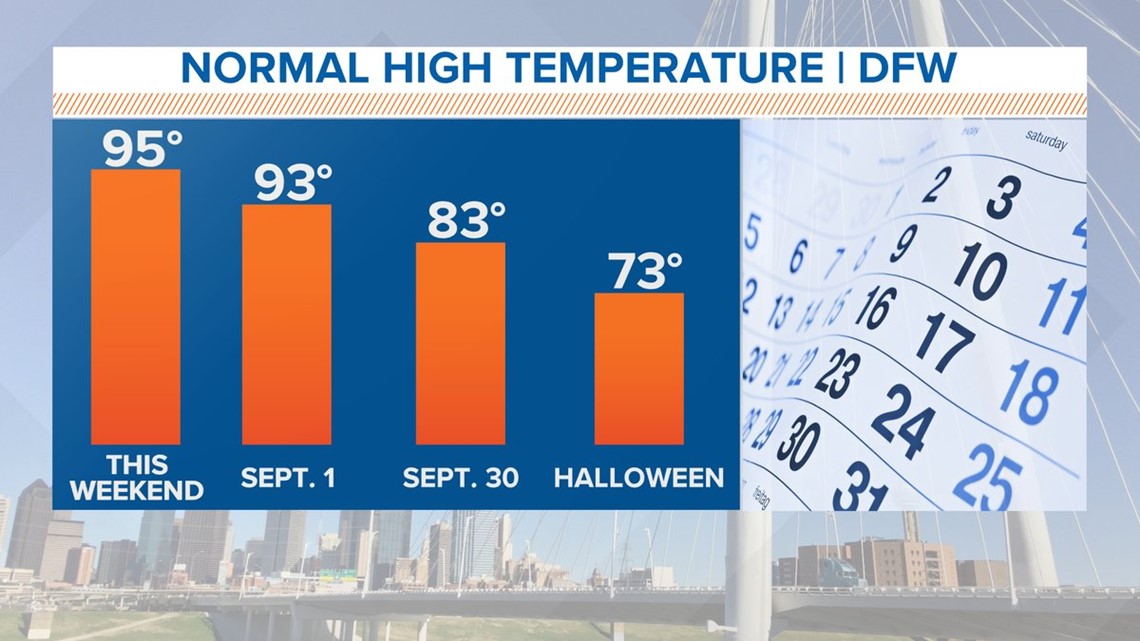
- North Texas (e.g., Dallas, Fort Worth): Hot summers, warm to mild falls and springs, and distinct, cooler winters with a higher chance of frost and snow.
- West Texas (e.g., El Paso, Big Bend): Experiences more extreme temperature variations, with very hot summers and significantly colder winters, often with dry heat.
By factoring in these regional differences, you can better predict when and where the cooling you seek might be most pronounced. For instance, if you’re aiming for the coolest possible experience during the summer, focusing on indoor activities in air-conditioned environments or considering destinations further north might be more beneficial than a beach vacation on the Gulf Coast. Conversely, if escaping winter frost is your goal, the southern reaches of Texas offer a pleasant alternative.
Ultimately, Texas offers a rich tapestry of experiences throughout the year. While the summer heat is a formidable adversary, understanding its patterns and knowing when the cooling finally arrives allows for strategic planning. Whether you’re seeking adventure, relaxation, cultural immersion, or simply a pleasant escape, Texas has something to offer, provided you time your visit wisely or choose your activities thoughtfully in accordance with its famously warm embrace.
LifeOutOfTheBox is a participant in the Amazon Services LLC Associates Program, an affiliate advertising program designed to provide a means for sites to earn advertising fees by advertising and linking to Amazon.com. Amazon, the Amazon logo, AmazonSupply, and the AmazonSupply logo are trademarks of Amazon.com, Inc. or its affiliates. As an Amazon Associate we earn affiliate commissions from qualifying purchases.