
Navigating the Lone Star State often involves a personal vehicle, and for any new resident or visitor planning an extended stay, understanding where to register your car in Texas is a crucial step. This process, while seemingly straightforward, involves specific agencies and requirements to ensure your vehicle is legally compliant and ready for Texas adventures. Whether you’re moving to the vibrant metropolis of Houston, the cultural hub of Austin, or the sprawling plains of West Texas, the registration process is overseen by a central authority with local touchpoints.
Understanding the Texas Department of Motor Vehicles (TxDMV)
The primary entity responsible for vehicle registration in Texas is the Texas Department of Motor Vehicles, often abbreviated as the TxDMV. This state agency oversees a wide range of motor vehicle-related services, including titling, registration, and enforcement of motor vehicle laws. While the TxDMV sets the rules and provides the framework, the actual process of registering a vehicle is typically handled at the county level. This decentralized approach makes the process accessible across the vast expanse of Texas.
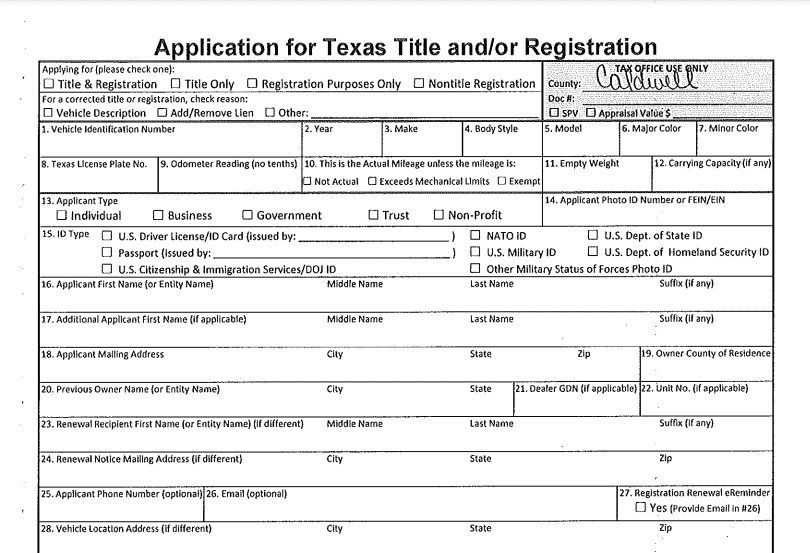
To successfully register your car, you will generally need to visit your local county tax assessor-collector’s office. These offices act as the front-line agents for the TxDMV, handling the day-to-day operations of vehicle registration. It’s important to note that while these offices are county-based, they adhere to the state’s regulations and procedures. Therefore, regardless of which county you are in, the core requirements for registration will remain consistent.
Essential Requirements for Vehicle Registration
Before you embark on your trip to the county tax assessor-collector’s office, it’s vital to gather all the necessary documentation and fulfill specific prerequisites. Failing to do so can lead to delays and multiple trips. The requirements are designed to ensure that vehicles operating on Texas roads are safe, properly identified, and that their owners have met all legal obligations.
Proof of Ownership and Identity
The cornerstone of vehicle registration is proving that you legally own the vehicle. For most new residents bringing a car into Texas, this will involve presenting a valid out-of-state title. If you have financed your vehicle, the lienholder will likely have possession of the title, in which case you may need to provide a letter of authorization from the lienholder or have them electronically submit the title information to the TxDMV.
In addition to proof of ownership, you will need to provide proof of your identity. This typically includes a valid Texas driver’s license or identification card. If you are a new resident, you will need to obtain a Texas driver’s license within 90 days of establishing residency. Make sure all information on your identification matches the information on your vehicle’s title and any other submitted documents.
Vehicle Inspection Requirement
A critical step before you can register your vehicle in Texas is passing a state vehicle inspection. Texas has a two-step safety and emissions inspection program in most counties. This inspection ensures that your vehicle meets minimum safety standards and, in certain counties, emissions standards to protect air quality. You will need to obtain an official Vehicle Inspection Report (VIR) from an authorized inspection station. This report is electronically transmitted to the TxDMV and is a mandatory component of the registration process. Ensure your inspection is up-to-date and valid before heading to the county office.
Proof of Financial Responsibility (Insurance)
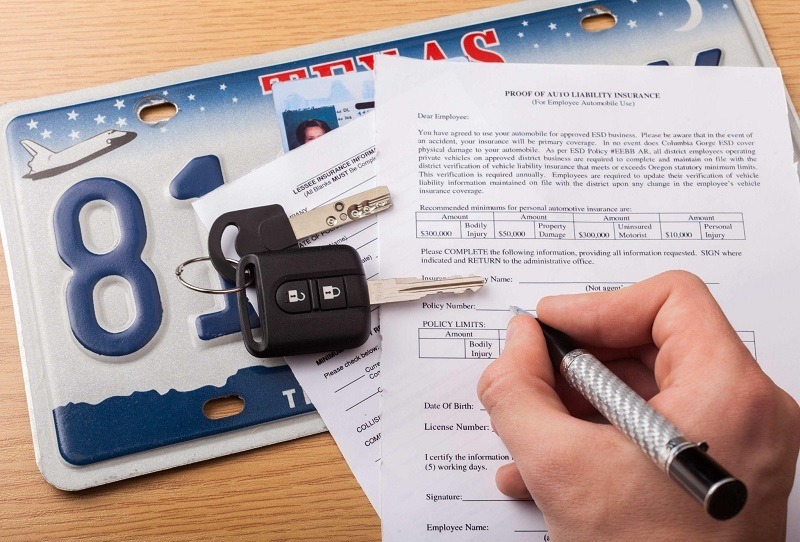
Driving in Texas without adequate insurance is illegal and can lead to severe penalties. Therefore, proof of financial responsibility, which is typically an automobile insurance policy that meets Texas minimum liability requirements, is absolutely essential for registration. Your insurance provider will issue an insurance card or a declaration page that serves as proof. The TxDMV will verify your insurance electronically, so ensure your policy is active and covers the vehicle you are registering. The minimum liability coverage required is $30,000 for bodily injury per person, $60,000 for bodily injury per accident, and $25,000 for property damage per accident.
Application for Texas Title and/or Registration
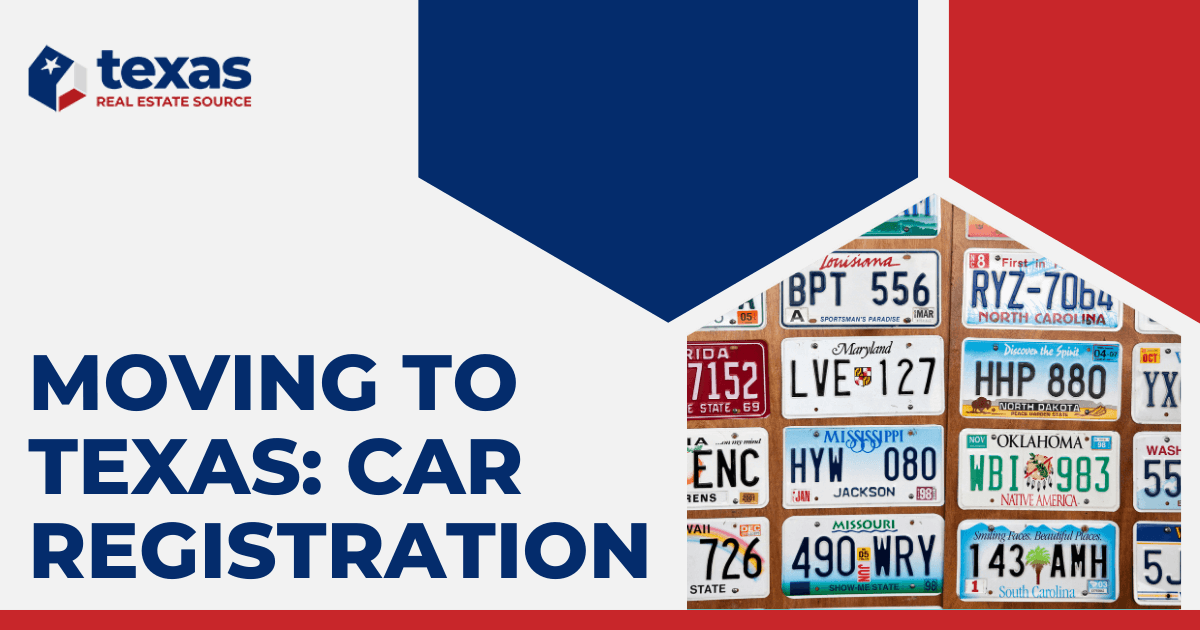
You will need to complete the Application for Texas Title and/or Registration (Form 130-U). This form requires detailed information about you, the vehicle, and its previous ownership. It’s important to fill out this form accurately and completely to avoid any issues. You can typically download this form from the TxDMV website or obtain it directly from your local county tax assessor-collector’s office.
Locating Your Local County Tax Assessor-Collector’s Office
As mentioned, the actual registration takes place at your county tax assessor-collector’s office. Finding the correct office is straightforward. The TxDMV website provides a comprehensive directory of all county tax assessor-collector offices throughout Texas. You can search for offices by county name or by zip code.
When visiting, be prepared for potential wait times, especially in larger metropolitan areas like Dallas, San Antonio, or Fort Worth. Some offices offer online appointment scheduling, which can save you considerable time. It’s also advisable to check the specific operating hours and accepted payment methods for your chosen office, as these can vary. Many offices accept cash, checks, and credit/debit cards, but some may have limitations.
Registration Fees and Payment
The cost of registering a vehicle in Texas can vary based on several factors, including the type of vehicle, its weight, its age, and any applicable local fees. When you visit the county tax assessor-collector’s office, you will be presented with the total amount due. This fee typically includes state registration fees, county fees, and potentially other state-mandated assessments. The TxDMV website offers a fee estimator that can give you a general idea of the costs involved, but the exact amount will be calculated at the time of registration. Be prepared to pay these fees, as your registration will not be complete until they are settled.
Out-of-State Vehicle Registration Specifics
For those moving to Texas from another state, the registration process has a few additional considerations. You generally have 30 days after establishing residency to register your vehicle. This timeframe is crucial to avoid penalties and ensure you are operating legally.
Obtaining a Texas Title
Before you can register an out-of-state vehicle, you will need to obtain a Texas title. This process also occurs at the county tax assessor-collector’s office. You will need your out-of-state title, a completed Form 130-U, proof of identity, and proof of insurance. If there is a lien on your vehicle, you will need to work with your lienholder to transfer the title to Texas. The TxDMV may also require a VIN inspection for vehicles coming from certain states or that have been previously titled out of state. This inspection verifies the vehicle’s Vehicle Identification Number (VIN) against its documentation.
Transferring License Plates
Once your vehicle is titled in Texas, you can then proceed with registration and receive new Texas license plates. Your out-of-state license plates will be surrendered at the time of registration. Texas offers a variety of license plate designs, including specialty plates that support various causes or organizations, which you may choose from for an additional fee.
Online and Mail-in Registration Options
While visiting a physical office is the most common method, Texas does offer some limited online and mail-in options for vehicle registration renewal. These services are typically available for existing registrations and not for initial registrations or title transfers. The TxDMV website provides details on which counties offer these convenience services and the specific requirements for using them. It’s essential to check your county’s specific offerings and eligibility criteria to determine if this is a viable option for you. For new residents, however, an in-person visit is usually necessary.
In conclusion, registering your car in Texas involves a clear, albeit detailed, process managed by the Texas Department of Motor Vehicles and executed by county tax assessor-collector offices. By understanding the requirements for ownership, inspection, and insurance, and by locating your local office, you can ensure a smooth and efficient registration experience, allowing you to fully enjoy all that Texas has to offer, from its majestic Big Bend National Park to the vibrant culinary scene in San Antonio, or the historic missions that dot its landscape. Remember to have all your documents in order, and you’ll be hitting the open road in your legally registered vehicle in no time.
LifeOutOfTheBox is a participant in the Amazon Services LLC Associates Program, an affiliate advertising program designed to provide a means for sites to earn advertising fees by advertising and linking to Amazon.com. Amazon, the Amazon logo, AmazonSupply, and the AmazonSupply logo are trademarks of Amazon.com, Inc. or its affiliates. As an Amazon Associate we earn affiliate commissions from qualifying purchases.