
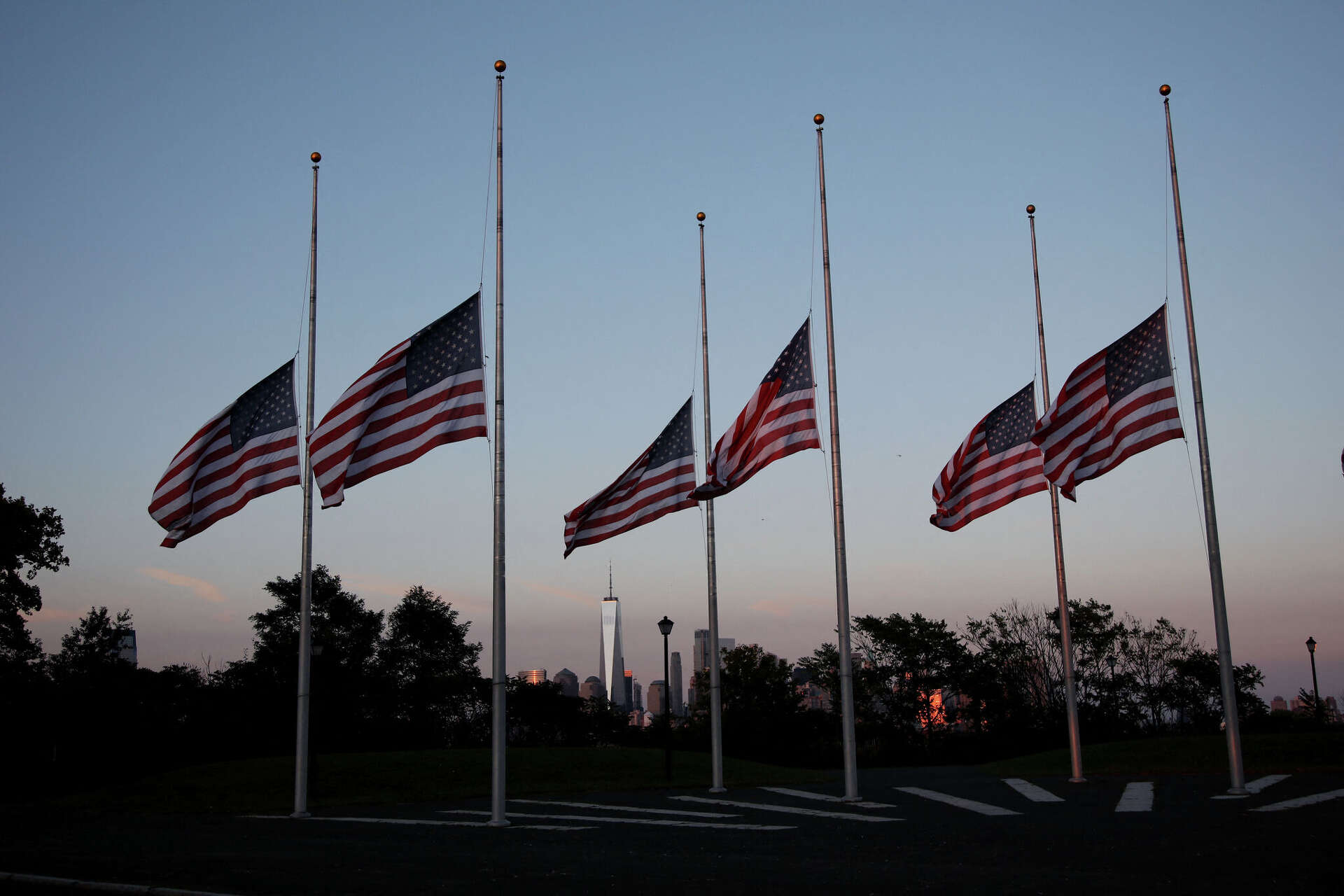
The sight of a flag flown at half-mast is a somber and universally recognized symbol of mourning and respect. In the vast state of Texas, this practice, while adhering to federal guidelines, often carries particular significance due to the state’s strong sense of identity and history. When you see the Texas flag, or the United States flag, lowered to half-mast within the Lone Star State, it signals that a period of official mourning has been declared, typically in response to the passing of a prominent individual or a significant tragic event.

Understanding the reasons behind this display requires a look at the protocols governing flag etiquette, the individuals or events that typically warrant such a tribute, and the solemn respect it commands from Texans and visitors alike. This practice is not arbitrary; it’s a codified way of collectively acknowledging loss and honoring memory.
The Protocol of Half-Mast: A Symbol of Respect
The practice of flying flags at half-mast is deeply ingrained in tradition and formalized through various regulations. While the United States flag code provides the overarching framework, individual states, including Texas, may have their own nuances or additional proclamations.
Understanding the Decrees
When President of the United States issues a proclamation to lower the United States flag to half-mast, all federal buildings and installations across the nation, including those in Texas, are required to comply. This typically occurs upon the death of the sitting President, a former President, the Vice President, the Speaker of the House of Representatives, a Supreme Court Chief Justice, or a former Chief Justice. It can also be mandated for significant national days of mourning or in remembrance of national tragedies.
Beyond federal mandates, the Governor of Texas possesses the authority to order the Texas flag, and sometimes the United States flag as well, to be flown at half-mast within the state. This power is usually exercised in situations of particular import to Texas, such as the passing of a former Governor, a current or former member of the United States Congress representing Texas, a state official, or in commemoration of a significant event that has deeply affected the state. These gubernatorial proclamations ensure that Texas can collectively honor its own leaders and acknowledge events that resonate deeply within its borders.
When Flags Are Lowered: A Spectrum of Significance
The occasions prompting a half-mast display are varied, reflecting the different levels at which individuals and events are deemed worthy of national or state-level mourning.
-
Death of National Figures: As mentioned, the passing of high-ranking federal officials is a common trigger. This includes not only past and present Presidents and Vice Presidents but also other significant figures like Supreme Court Justices, members of the Cabinet, and leaders in the legislative branch. The intention is to offer a unified expression of national grief and respect for those who have served the country at the highest levels.
-
Military Casualties: In instances of significant military loss, such as the death of service members in combat or a major incident resulting in multiple casualties, flags may be ordered to half-mast. This serves as a solemn tribute to the sacrifices made by those in uniform and a moment for the nation to reflect on the costs of conflict.
-
Tragic Events: Major national tragedies, like acts of terrorism or devastating natural disasters, can also lead to flags being lowered. These moments of shared sorrow unite the country in remembrance and solidarity. For Texas, a particularly devastating event might prompt a gubernatorial order, even if not mandated federally.
-
State-Specific Dignitaries: The Governor of Texas will often order flags at half-mast upon the death of former Governors of Texas, former Texas Senators or Representatives, or other prominent state leaders. This acknowledges their service and contributions to the Lone Star State.
-
Remembrance Days: Certain days of remembrance, such as Pearl Harbor Remembrance Day or Memorial Day, have specific protocols for flag display, which often involve half-mast observance for a portion of the day.
The careful adherence to these protocols ensures that the act of lowering a flag is a deliberate and meaningful gesture, reserved for moments that call for collective reflection and honor.
Notable Occasions and Texas’s Response
Throughout its history, Texas has experienced moments that have led to the lowering of its flags, reflecting both national sorrow and specific state tragedies. These events often become etched in the collective memory of Texans, and the half-mast display serves as a visible reminder of these significant times.
Honoring Leaders and Heroes
The passing of individuals who have profoundly shaped Texas or the United States is frequently marked by flag ceremonies.
-
Former Governors and State Officials: When a former Governor of Texas passes away, or a highly respected state senator or representative, the Governor will typically order the flags to half-mast. This is a way to honor their service to the citizens of Texas and acknowledge their contributions to the state’s governance and development. For instance, the passing of a long-serving Texas Legislator known for their dedication to public service would likely prompt such an order.
-
National Figures with Texas Ties: Sometimes, the death of a prominent national figure who also had strong ties to Texas might prompt a unique state response. This could include a renowned Texan astronaut, a decorated military figure with Texas roots, or a cultural icon deeply associated with the state.
-
Law Enforcement and First Responders: In tragic circumstances involving the loss of law enforcement officers or first responders in the line of duty, Texas often observes flags at half-mast as a mark of deep respect for their sacrifice and bravery. This is a deeply felt tribute within communities across the state.
Responding to Tragedy
Beyond the passing of individuals, Texas has also observed flags at half-mast in response to devastating events that have shaken the state.
-
The Uvalde School Shooting: The tragic mass shooting at Robb Elementary School in Uvalde, Texas, in May 2022, was a moment of profound national and state grief. The President of the United States ordered the flags at federal buildings nationwide to be flown at half-mast. Additionally, the Governor of Texas would have likely issued his own proclamation, ensuring that flags across Texas were also lowered in a collective expression of mourning for the young lives lost and the community shattered. This event underscored the role of flags at half-mast in uniting a community and a nation in shared sorrow.
-
Other Significant Tragedies: While Uvalde is a recent and deeply impactful example, Texas has, at various points in its history, faced other significant tragedies. These could include natural disasters like devastating hurricanes or tornadoes, or other violent incidents that result in mass casualties. In such instances, the lowering of flags serves as a visual symbol of the state’s collective empathy and shared experience of loss.
These occasions, whether mourning individual leaders or reacting to widespread tragedy, highlight the symbolic power of flags at half-mast. They provide a visible, state-wide acknowledgment of shared sorrow, a moment for reflection, and a testament to the enduring values of respect and remembrance held dear in Texas.
Observing and Understanding the Display
For residents and visitors in Texas, seeing flags at half-mast is a cue to be aware of the current climate of remembrance. It’s an opportunity to pause, understand the significance, and potentially learn more about the events or individuals being honored.
What to Do When You See Flags at Half Mast
When you observe flags at half-mast in Texas, it’s an invitation to a moment of solemnity. While there are no specific actions required of the general public, understanding the context can enrich the experience.
-
Pause and Reflect: The most immediate and appropriate response is to acknowledge the display with respect. It’s a visual reminder of loss, and taking a moment to reflect on what that might entail is a way of participating in the collective mourning.
-
Seek Information: If you are curious about the specific reason for the half-mast display, especially if it’s not immediately apparent from national news, you can often find information through local news outlets, official Texas government websites, or by checking proclamations issued by the Governor of Texas or the President of the United States. This can provide valuable insight into the event or individual being honored.
-
Respect Public Gatherings: In some instances, the lowering of flags might coincide with public memorial services or ceremonies. If you happen upon such events, maintain a respectful demeanor, observe from a distance unless invited to participate, and avoid any behavior that could disrupt the solemnity of the occasion.

Travel and Accommodation Considerations
For travelers visiting Texas, understanding these protocols adds another layer to their experience of the state. While the core aspects of travel—exploring destinations, enjoying local attractions, or booking accommodation at hotels and resorts—remain the same, an awareness of these moments of respect can lead to a more nuanced appreciation of Texas culture and values.
-
Timing of Your Visit: If your travel dates coincide with a period of mourning, you might notice a more subdued atmosphere in certain areas or a greater emphasis on remembrance. This can be a unique aspect of experiencing Texas during such times. For example, if you are visiting Austin, the state capital, during a period of mourning for a former state leader, you might see more official acknowledgments.
-
Respectful Engagement: Regardless of the reason for the flags being at half-mast, travelers are expected to be respectful of local customs and sentiments. This means being mindful of your behavior, particularly in public spaces. Whether you are staying at a luxury resort in the Hill Country or a budget-friendly hotel in Dallas, observing local norms is always important.
-
Learning Opportunities: Travel is also about learning. When flags are at half-mast, it presents an opportunity to learn about Texas history, its leaders, and the events that have shaped it. Websites like lifeoutofthebox.com can offer insights into Texas landmarks, local culture, and historical context, which can deepen your understanding during such times. Perhaps you are researching stays in San Antonio, a city rich in history, and learn that a particular event leading to flags at half-mast is connected to a significant moment in the city’s past.
In essence, the practice of flying flags at half-mast in Texas is a visible manifestation of a deeper cultural and governmental commitment to honoring lives and acknowledging significant moments. It’s a practice that, while rooted in protocol, speaks to the shared human experience of loss and remembrance. For both Texans and those who visit, understanding this tradition adds a layer of respect and awareness to their experience of the Lone Star State.
LifeOutOfTheBox is a participant in the Amazon Services LLC Associates Program, an affiliate advertising program designed to provide a means for sites to earn advertising fees by advertising and linking to Amazon.com. Amazon, the Amazon logo, AmazonSupply, and the AmazonSupply logo are trademarks of Amazon.com, Inc. or its affiliates. As an Amazon Associate we earn affiliate commissions from qualifying purchases.