
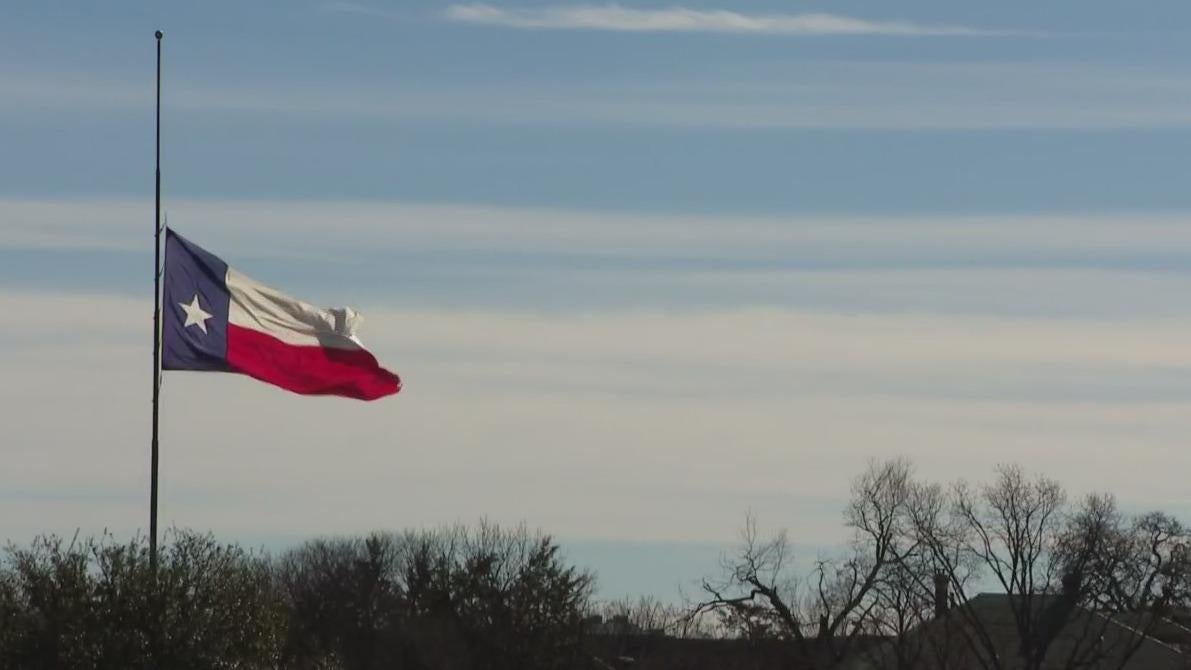
The sight of flags at half-mast is a solemn and universally recognized symbol of mourning. In the vast expanse of Texas, a state known for its deep-rooted traditions and strong sense of community, such occasions often elicit concern and a desire to understand the reasons behind this somber display. This article delves into the potential reasons why the flags might be lowered to half-mast across the Lone Star State, drawing upon established protocols and the types of events that typically warrant such a tribute.
The lowering of a flag to half-mast signifies a period of mourning, remembrance, or respect. This practice is not exclusive to Texas; it is a global custom. However, the specific triggers for this national and state-level observance can vary, often dictated by official proclamations from the President of the United States or the Governor of Texas. Understanding these protocols is key to deciphering why the flags are at half-mast on any given day.
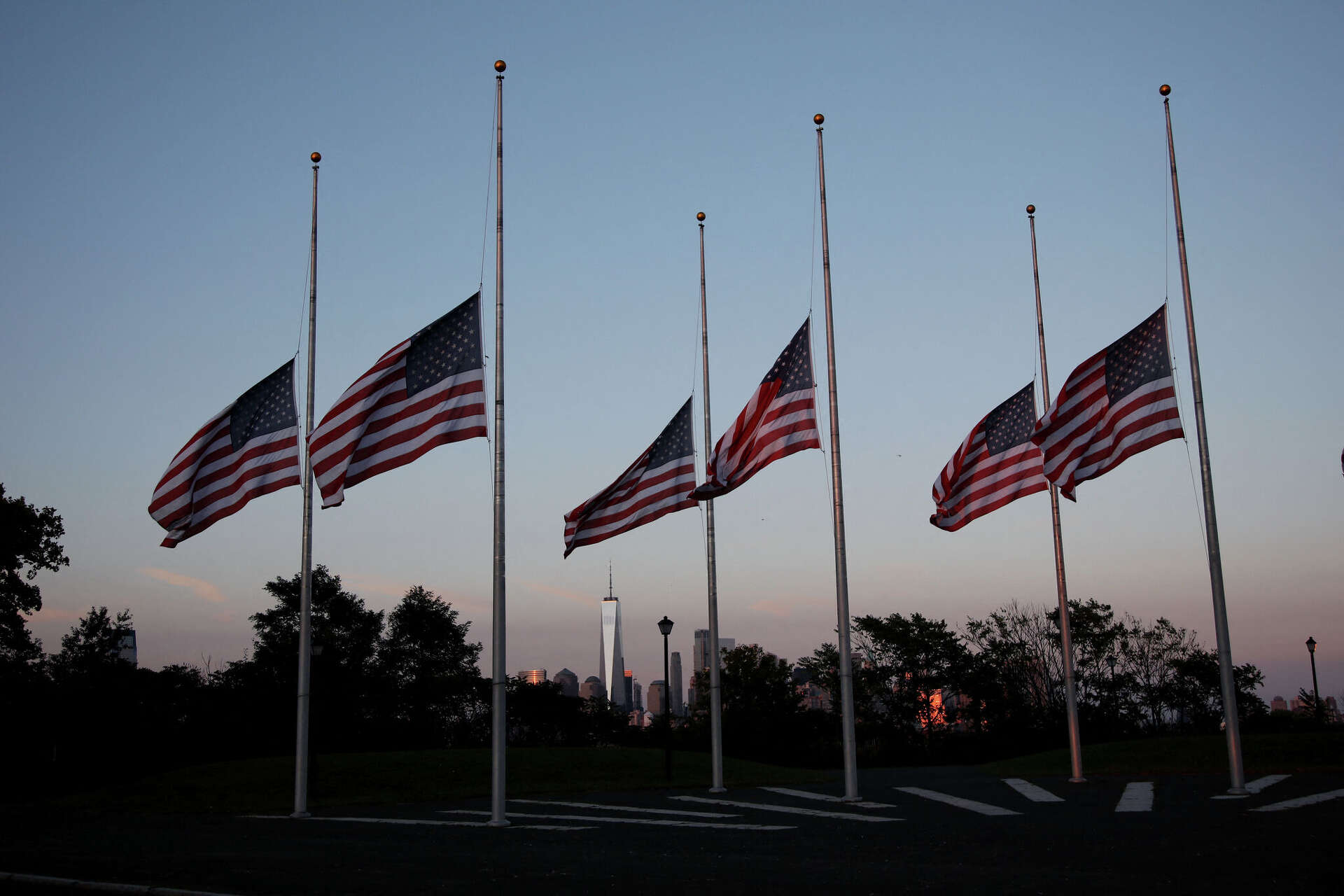
Understanding the Protocol: When and Why Flags Are Lowered
The decision to fly flags at half-mast is typically reserved for significant events that impact the nation or the state. These can range from the passing of distinguished individuals to acts of national tragedy. The U.S. Flag Code provides guidelines for flag etiquette, including the circumstances under which flags should be flown at half-staff (often used interchangeably with half-mast). Similarly, state governors have the authority to issue proclamations regarding state flag observances.
National Observances: Mourning for Leaders and National Tragedies
On a national level, the President of the United States can order flags to be flown at half-staff to honor deceased former presidents, vice presidents, Supreme Court justices, members of Congress, or other prominent national figures. The duration of this observance is typically set by the presidential proclamation. Furthermore, national tragedies, such as major terrorist attacks, mass shootings, or devastating natural disasters, can also prompt the President to order flags lowered in remembrance of the victims. These moments of collective grief often transcend political divides and unite the country in shared sorrow.
State-Level Tributes: Honoring Texans and State Emergencies
In Texas, the Governor plays a crucial role in deciding when state flags should be flown at half-mast. This authority is often exercised to honor:
- Former Governors and State Officials: The passing of a former Governor of Texas or other high-ranking state officials is a common reason for lowering the flag. This serves as a mark of respect for their service to the state.
- Texas Heroes and Fallen Service Members: Texas has a proud history of military service and a strong sense of patriotism. The flags may be lowered to honor fallen Texas soldiers, law enforcement officers, or firefighters who have died in the line of duty. This can be a direct result of specific incidents or part of broader remembrance days like Peace Officers Memorial Day.
- Victims of State-Specific Tragedies: If Texas experiences a significant tragedy, such as a devastating natural disaster like a hurricane or a mass casualty event within the state, the Governor may order flags to be lowered as a gesture of solidarity and mourning for those affected.
- Proclamations for Special Days: While not always leading to flags at half-mast, the Governor can issue proclamations for days of observance that might include specific flag protocols.
The decision to lower flags is a deliberate one, intended to convey a message of respect, remembrance, and collective empathy. When you see the flags at half-mast in Texas, it is a signal that a significant event has occurred, either on a national or state level, that warrants a pause for reflection and honor.
Recent Events and Potential Causes
Given the dynamic nature of current events, the reasons for flags being at half-mast can change rapidly. Without a specific date to reference, we can explore recent trends and types of events that have historically led to such observances in Texas and across the nation.
Honoring Fallen Heroes and Public Servants
A frequent and deeply felt reason for flags to be flown at half-mast involves honoring those who have made the ultimate sacrifice in service to their communities and country. In Texas, this often translates to:

- Law Enforcement Officers: The bravery and dedication of Texas police officers, sheriffs, and state troopers are widely respected. When an officer is killed in the line of duty, whether in a shootout in Dallas or a traffic incident on a highway near Houston, the Governor or local authorities may order flags lowered to honor their fallen comrade. This is a crucial way for the state to express its gratitude and acknowledge the risks faced by those who protect its citizens.
- Firefighters: Similarly, the selfless service of Texas firefighters is deeply valued. Tragically, when a firefighter loses their life while battling a blaze or responding to an emergency, flags are often lowered in their honor.
- Military Personnel: While national observances often cover the deaths of service members, Texas may also independently lower flags to recognize Texas residents who have died while serving in the armed forces, particularly if their passing is deemed to have significant state-wide impact or if it aligns with specific memorial days.
These acts of remembrance are not just symbolic; they are a tangible demonstration of a community’s respect for those who have put their lives on the line. The sight of flags at half-mast serves as a visible reminder of their courage and sacrifice.
Commemorating National and State Grief
Beyond individual acts of heroism, flags are also lowered to mark periods of collective grief following widespread tragedies. These events can shake the very foundations of a community and require a unified response.
- Mass Shootings and Acts of Violence: In the wake of horrific acts of violence, such as mass shootings that have tragically occurred in various parts of the United States, including Texas, presidential or gubernatorial proclamations often lead to flags being lowered. This is a way for the nation and the state to collectively mourn the innocent lives lost and to show solidarity with the affected communities. For instance, following events in towns like Uvalde, the national response would inevitably include flags at half-mast.
- Natural Disasters: Texas is susceptible to severe weather events, including hurricanes, tornadoes, and floods. When such disasters cause significant loss of life and widespread devastation, the Governor may order flags to be lowered to honor the victims and express sympathy for those who have suffered loss.
- National Days of Mourning: Occasionally, the President may declare a national day of mourning for a particularly impactful event, which would naturally include the lowering of flags across federal buildings and, by extension, often at state and local levels as well.
These are not simply abstract pronouncements; they are moments where the state and nation pause to acknowledge profound loss and to offer comfort and support to those who are grieving. The shared experience of seeing the flags at half-mast can foster a sense of unity and shared humanity during difficult times.
Navigating the Landscape of Texas: Travel and Tourism in Times of Observance
While the reasons for flags at half-mast are rooted in solemn occasions, it’s important for travelers and residents alike to remain informed and respectful. Understanding these observances can also provide context for navigating Texas.
For those planning a trip to Texas, whether it’s a luxurious stay at a resort near Austin or a budget-friendly exploration of San Antonio‘s historic missions, being aware of current events and observances is part of being a responsible traveler. Even during periods of mourning, the vibrant spirit of Texas continues, with many attractions and cultural experiences remaining open and accessible.
Respectful Travel and Tourism
When flags are at half-mast, it signifies a time of reflection. Visitors are encouraged to be mindful of this sentiment. This might mean:
- Adjusting Itineraries: While major attractions like Schlitterbahn Waterpark or the Alamo will likely remain open, it’s always wise to check specific opening hours and any potential event cancellations or modifications. Some venues might observe moments of silence or have special, somber programming.
- Supporting Local Communities: In areas affected by tragedy, tourism can play a role in economic recovery. However, it’s essential to be a sensitive and respectful visitor, prioritizing local businesses and community needs.
- Understanding Local Sentiment: The lowering of flags is a public expression of emotion. Travelers should be observant and respectful of the local mood and any public commemorations taking place. This might involve quiet observation of ceremonies or avoiding overly boisterous activities in certain areas.
Planning Your Texas Experience
The Texas tourism landscape is incredibly diverse, offering something for every type of traveler. From the bustling energy of Dallas to the laid-back charm of the Texas Hill Country, the state is a tapestry of experiences.
- Cultural Immersion: Explore the rich history of El Paso or dive into the live music scene in Austin. The local food scene, from Texas barbecue to Tex-Mex cuisine, is a major draw for many visitors. Consider staying in boutique hotels or charming bed and breakfasts to truly experience the local flavor.
- Outdoor Adventures: Texas boasts incredible natural beauty, from the vastness of Big Bend National Park to the beaches along the Gulf Coast. Many parks and natural landmarks remain accessible year-round, offering opportunities for hiking, camping, and wildlife viewing.
- Family Fun: Theme parks like Six Flags Fiesta Texas in San Antonio offer excitement for all ages, while the numerous state parks provide educational and recreational opportunities for families.
In conclusion, while the sight of flags at half-mast in Texas is a somber reminder of loss and remembrance, it is an integral part of the state’s and the nation’s way of honoring significant events. For travelers and residents, it’s an opportunity to reflect, show respect, and continue to appreciate the resilience and spirit of Texas, even in times of sorrow. By staying informed and acting with sensitivity, everyone can navigate these moments with dignity and understanding.
LifeOutOfTheBox is a participant in the Amazon Services LLC Associates Program, an affiliate advertising program designed to provide a means for sites to earn advertising fees by advertising and linking to Amazon.com. Amazon, the Amazon logo, AmazonSupply, and the AmazonSupply logo are trademarks of Amazon.com, Inc. or its affiliates. As an Amazon Associate we earn affiliate commissions from qualifying purchases.