
The sight of flags flying at half-staff is a somber and universally recognized symbol of mourning or respect. In the vast and proud state of Texas, this practice often prompts questions, especially for visitors or residents who may not be immediately aware of the specific circumstances. The reasons behind lowering the flag are rooted in tradition, protocol, and a deep sense of reverence for those who have made significant contributions or faced tragic circumstances. Understanding these protocols sheds light on the state’s commitment to honoring its citizens and acknowledging national and international events.

The primary reasons for flags being flown at half-staff in Texas, as in the rest of the United States, fall into a few distinct categories:
- Honorary Tributes: This is the most common reason, involving the death of significant figures.
- Days of National Remembrance: Specific dates are designated for national mourning.
- Acts of Violence or Tragedy: Major public tragedies, both domestic and international, can also trigger this solemn display.
- Presidential Proclamations: The President of the United States can order flags to be flown at half-staff for specific reasons, and these often extend to all federal buildings, including those in Texas.
When a flag is lowered to half-staff, it signifies a period of mourning and remembrance. The exact protocol involves lowering the flag to a position halfway between the top and bottom of the staff. It is then raised to the peak briefly before being lowered again to half-staff. In the morning, the flag is raised to the peak before being lowered to the half-staff position. The flag is then restored to full-staff at sunset or the conclusion of the designated mourning period. This meticulous process underscores the importance placed on this act of respect.
Honoring Significant Figures and Public Servants
The lowering of flags at half-staff in Texas is frequently a response to the passing of individuals who have held positions of great importance or have served the public in notable ways. This honor is not limited to elected officials; it extends to many who have dedicated their lives to public service and have left an indelible mark on the state or nation.
Honoring Fallen Leaders and Elected Officials
The most widely recognized instances of flags flying at half-staff involve the death of:
- The President of the United States: When the sitting President passes away, flags are typically flown at half-staff for 30 days.
- The Vice President, Speaker of the House, Chief Justice of the Supreme Court, or a Retired President: These individuals are honored with flags at half-staff for 10 days.
- A Current U.S. Senator, Representative, Governor, or a Retired Vice President: Flags are flown at half-staff from the day of death until interment.
- A Justice of the Supreme Court, Secretary of the Cabinet, Former Vice President, or a Lieutenant Governor: These officials are honored for a period of a specified duration, often set by proclamation.
- A Current Mayor or Other State or Territorial Official: The flag may be flown at half-staff from the day of death until interment, often at the discretion of the Governor.
When a flag is lowered to half-staff in honor of a fallen Texan leader, such as a former Governor or a distinguished member of the Texas Legislature, the Governor of Texas typically issues a proclamation detailing the duration of the observance. This ensures that the entire state is aware of who is being honored and for how long. These proclamations are often found on the official website of the Governor of Texas.
Honoring Military Personnel and Veterans
The service and sacrifice of military personnel are deeply respected throughout Texas. Consequently, flags are often lowered to half-staff in their honor.
- Active-Duty Military Personnel: Flags are flown at half-staff from the day of death until interment for active-duty members of the U.S. Armed Forces.
- Veterans and Retirees: While not as routine as for active-duty personnel, flags may be flown at half-staff for a period to honor significant veterans or in recognition of Memorial Day or Veterans Day. The specific circumstances and duration can vary.
For example, following a significant event involving fallen soldiers, memorial services held at places like the Fort Hood base might see flags flown at half-staff as a mark of respect for the departed. Similarly, during national observances like Memorial Day, flags across Texas are lowered to half-staff nationwide to remember those who died while serving in the U.S. military.
The protocol for lowering the flag in honor of fallen military personnel is often managed by the Department of Defense and may extend to federal facilities and military bases across the state. Local municipalities and private organizations may also choose to follow suit, demonstrating a collective sense of gratitude and remembrance.
Days of National Remembrance and Mourning
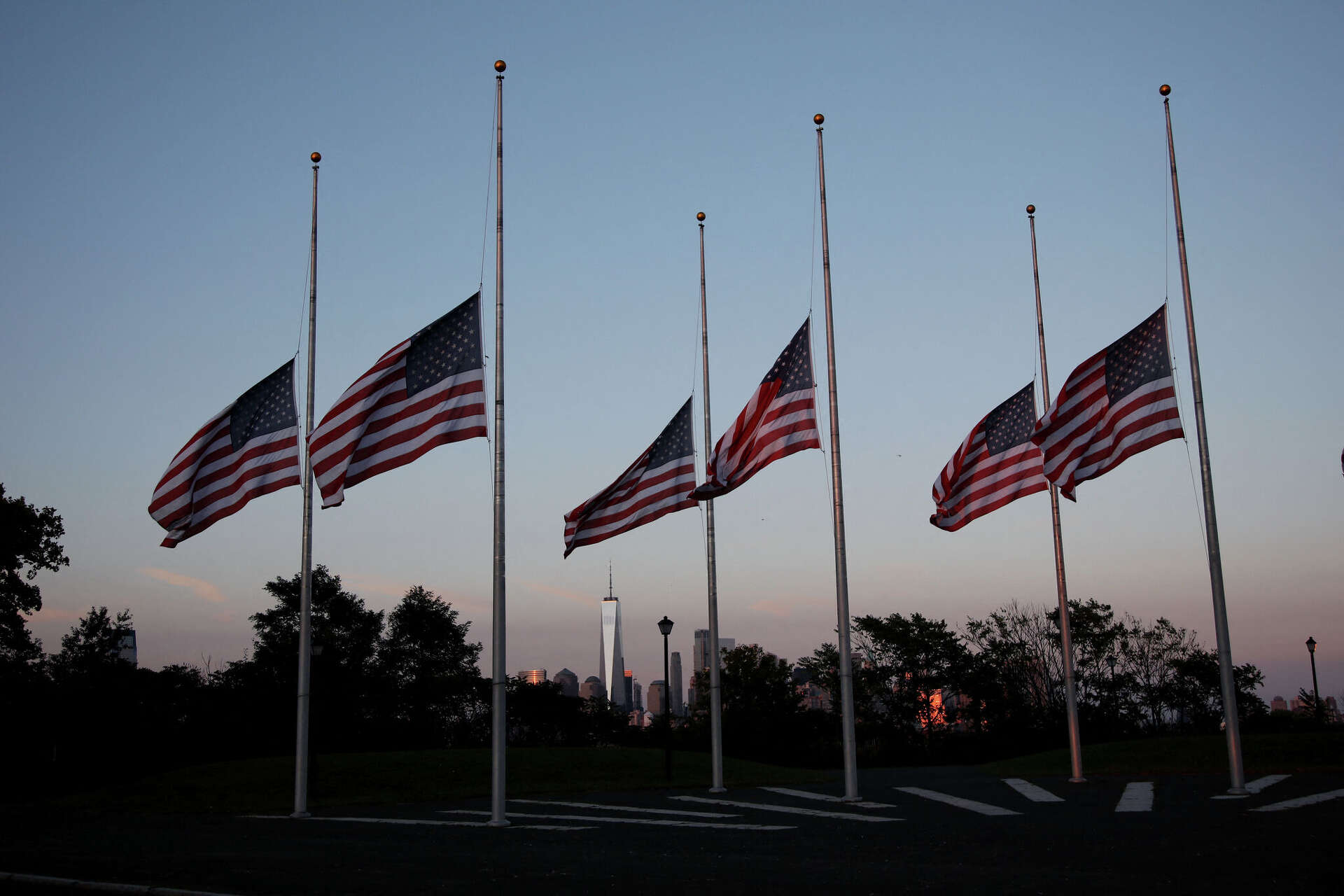
Beyond the passing of specific individuals, Texas observes certain days of national significance by flying its flags at half-staff. These days are dedicated to remembering collective experiences, sacrifices, and tragedies that have shaped the nation and its people.
Annual Observances
Several days throughout the year are marked by the solemn lowering of flags:
- Peace Officers Memorial Day: Observed on May 15th, this day honors law enforcement officers who have died in the line of duty. Flags are flown at half-staff nationwide from sunrise to sunset. This is a particularly poignant observance in states like Texas, which has a strong tradition of law enforcement and a significant number of officers serving its communities.
- Memorial Day: On the last Monday of May, flags are flown at half-staff from sunrise until noon to honor fallen soldiers. At noon, they are raised to full-staff, symbolizing continued remembrance and the nation’s resolve. This is a deeply observed holiday across Texas, with ceremonies held at cemeteries and memorials in cities like Dallas, Houston, and San Antonio.
- September 11th Remembrance Day: Flags are flown at half-staff on September 11 each year to commemorate the victims of the terrorist attacks of 2001. This solemn observance serves as a reminder of national unity and resilience.
- National Pearl Harbor Remembrance Day: On December 7th, flags are flown at half-staff to remember the lives lost in the attack on Pearl Harbor.
Presidential Proclamations and Special Occasions
The President of the United States has the authority to issue proclamations calling for flags to be flown at half-staff for various reasons. These can include:
- In honor of a national tragedy: Following major events like mass shootings or natural disasters, the President might order flags lowered to half-staff as a sign of national mourning and solidarity.
- In remembrance of specific events: Proclamations can be issued for events of historical significance or to honor specific groups.
- In response to international events: In cases of significant international tragedies, the President might order flags to be flown at half-staff as a gesture of international sympathy.
When such a proclamation is issued, it applies to all federal buildings within the country, including those in Texas. State and local governments, as well as private citizens, are encouraged to follow suit, creating a unified display of respect across the nation. The Governor of Texas may also issue separate proclamations for state-specific reasons or to align with national directives.
Local Tragedies and Acts of Violence
In addition to national observances and the passing of prominent figures, flags in Texas can also be lowered to half-staff in response to significant local tragedies or acts of violence. These events, which deeply affect communities, warrant a period of collective mourning and reflection.
Responding to Local Disasters
When a devastating event strikes a community in Texas, whether it be a natural disaster like a hurricane, tornado, or a man-made tragedy like a mass shooting, the Governor of Texas may order flags to be flown at half-staff. This gesture serves to acknowledge the grief of the affected community and to offer a visible symbol of solidarity from the entire state.
For instance, following a major natural disaster that impacts cities like Galveston or towns in the Texas Hill Country, the Governor’s office might issue a proclamation for flags to be lowered. This allows residents and visitors to partake in a shared period of remembrance and support for those who have suffered loss. The duration of such an observance is typically determined by the Governor and communicated through official channels.

Honoring Victims of Violence
Acts of violence, particularly those that result in loss of life, often prompt the lowering of flags. This can be at the state level, ordered by the Governor, or at a local level, by the mayor of the affected city. This is especially true in cases where the victims are seen as representing the broader community or have a particular connection to public life.
When tragedies occur in major cities like Austin or smaller towns across the state, and the events are particularly horrific or impactful, the flags may be flown at half-staff. This act provides a visual cue for the community and a moment for collective contemplation and shared grief. The decision to lower flags in such circumstances is made to ensure that the community has a visible and unified way to express sorrow and to honor the memory of those lost.
The practice of flying flags at half-staff in Texas is a testament to the state’s deep-seated respect for life, service, and memory. Whether honoring a fallen hero, observing a solemn national day, or mourning a local tragedy, the act of lowering the flag serves as a powerful, visible symbol that unites the state in remembrance and reflection. It’s a practice that connects Texas to national traditions of honor and acknowledges the profound impact of significant events on its people and the nation as a whole. For travelers and residents alike, understanding these protocols enriches their appreciation for the state’s cultural landscape and its commitment to a shared sense of solemnity and respect.
LifeOutOfTheBox is a participant in the Amazon Services LLC Associates Program, an affiliate advertising program designed to provide a means for sites to earn advertising fees by advertising and linking to Amazon.com. Amazon, the Amazon logo, AmazonSupply, and the AmazonSupply logo are trademarks of Amazon.com, Inc. or its affiliates. As an Amazon Associate we earn affiliate commissions from qualifying purchases.