
The vast and varied landscape of Texas is as iconic as its sprawling ranches and legendary hospitality. From the rolling hills of the Texas Hill Country to the vibrant energy of Dallas and the unique charm of Austin, the Lone Star State offers a diverse array of experiences for travelers. Yet, as visitors explore the charming neighborhoods and architectural marvels, a curious question often arises: why are basements so conspicuously absent in most Texas homes and buildings? While you might find the occasional subterranean dwelling, particularly in areas with historical significance or specialized construction, the typical Texas landscape rarely features the deep, cool basements that are commonplace in many other parts of the United States. The answer, as is often the case with Texas, is a combination of geology, climate, and practical economics.
The Ground Beneath Our Feet: Geology and Soil Conditions
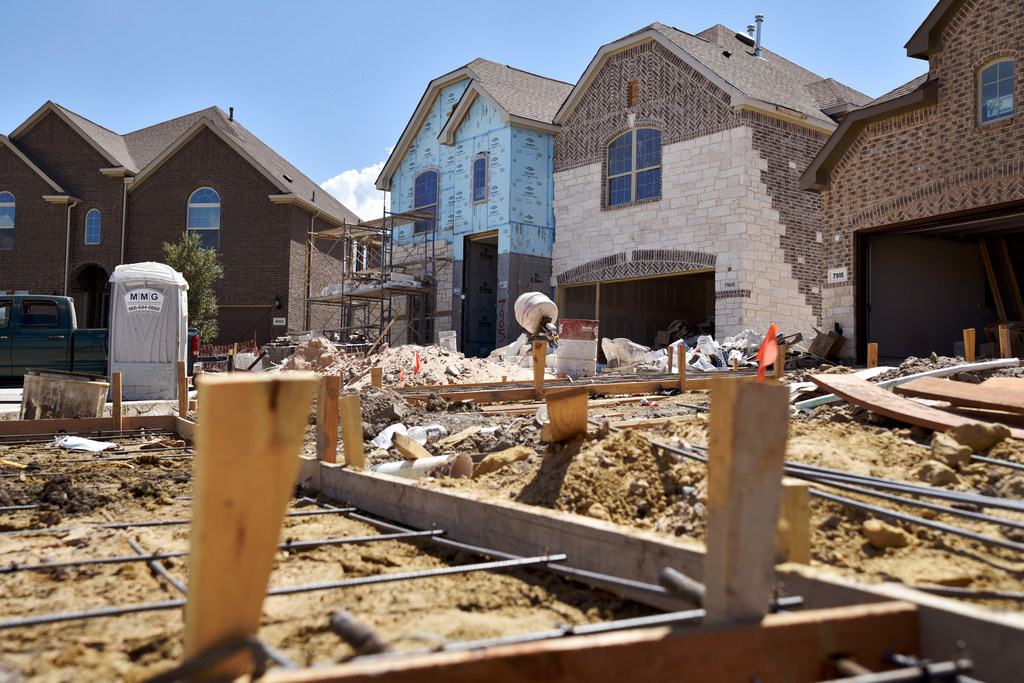
The primary reason for the scarcity of basements in Texas lies in the state’s diverse and often challenging geological conditions. While Texas boasts a range of terrains, significant portions of the state are characterized by expansive soils, also known as “self-healing” or “clay” soils. These soils have a remarkable ability to absorb and release water, causing them to swell when wet and shrink when dry. This constant expansion and contraction exert immense pressure on any foundation, and excavating deep enough for a basement significantly amplifies these forces.
Expansive Soils and Their Impact
In many areas of Texas, particularly the central and southern regions, the soil is rich in clay minerals. When rain falls, these clay particles absorb water and expand dramatically. Conversely, during prolonged dry spells, the water evaporates, causing the soil to contract. This cyclical process can create significant ground movement, leading to foundation damage if not adequately addressed. Building a basement, which requires extensive excavation, would mean exposing the foundation to these powerful forces at a much greater depth. The sheer weight of the soil pressing inward and upward, combined with the structural loads of the building above, makes constructing and maintaining a basement in such conditions a costly and risky endeavor.
The consequences of building a basement in expansive soil areas can be severe. Uneven ground movement can cause walls to crack, doors and windows to become difficult to open or close, and even lead to structural failure. Engineers and builders in Texas are acutely aware of these challenges and typically opt for foundation designs that can better accommodate or mitigate the effects of soil expansion. This often involves methods like slab-on-grade foundations, which are built directly on the ground, or pier-and-beam foundations, which elevate the house slightly off the ground, allowing for air circulation and reducing direct contact with the soil.
Water Table Considerations
Another significant geological factor is the water table. In many parts of Texas, especially near rivers, lakes, and the coast, the water table can be quite high. Excavating for a basement in an area with a high water table presents a multitude of engineering hurdles. Water pressure can exert significant hydrostatic force against basement walls and floors, requiring robust waterproofing and drainage systems. In some cases, the cost and complexity of dewatering an excavation site and then maintaining a dry basement in the face of a persistent high water table can make the project prohibitively expensive. This is particularly true in flood-prone areas, where the risk of water damage is an ever-present concern. Cities like Houston, with its proximity to the Gulf Coast and often saturated ground, are prime examples where basement construction is rarely considered due to these water-related challenges.
The Climate Factor: Heat and Humidity
Beyond the ground itself, Texas‘s subtropical climate plays a crucial role in the decision-making process for construction. While basements are often sought after in colder climates for their natural insulation, providing a cool refuge from summer heat and a warm barrier in winter, the Texas climate presents a different set of priorities.
Summer Heat and Humidity Challenges
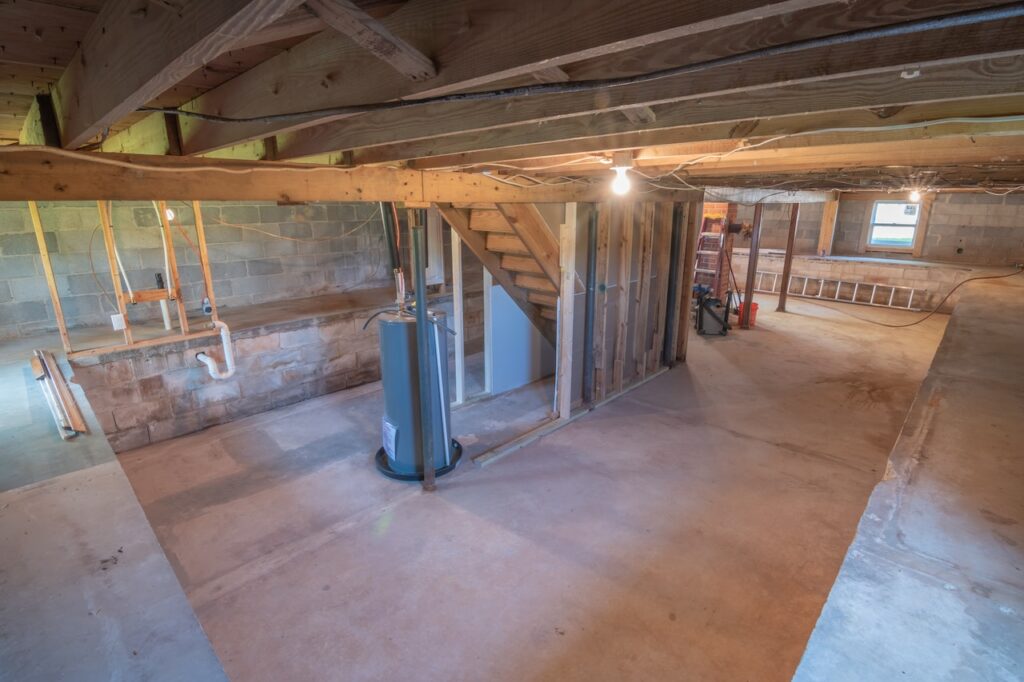
Texas summers are notoriously hot and humid. While a basement might offer a cooler retreat, the cost of building and maintaining such a space can outweigh the perceived benefits. Furthermore, the high humidity levels in many parts of Texas can create an environment conducive to mold and mildew growth within a subterranean space. Without constant and specialized ventilation and dehumidification, a basement can quickly become damp, musty, and unhealthy. This would not only necessitate ongoing maintenance costs but also detract from the living experience, making the space less appealing for homeowners and renters alike.
Flood Risk and Drainage
The combination of intense rainfall events, often associated with Texas thunderstorms and hurricanes, and the aforementioned high water table makes basements a risky proposition in many areas. While advanced engineering can mitigate some of these risks, the potential for catastrophic flooding is a significant deterrent. The cost of implementing the necessary floodproofing measures for a basement can be substantial, and even with these precautions, the risk of water damage remains higher than for above-ground living spaces. For those seeking accommodation in Texas, whether for a short stay at a resort like the JW Marriott San Antonio Hill Country Resort & Spa or a long-term rental, the absence of basements is often a practical consequence of these climatic realities, reducing potential exposure to water damage.
Economic and Practical Considerations
The geological and climatic factors discussed above translate directly into economic and practical considerations for builders, developers, and homeowners in Texas. The decision to forgo basements is, in many cases, a matter of cost-effectiveness and practicality.
Construction Costs and Complexity
Excavating deep enough to construct a basement is inherently more expensive than building a slab-on-grade or pier-and-beam foundation. The additional labor, materials for retaining walls, specialized waterproofing, and potentially dewatering systems all contribute to a significantly higher upfront cost. For developers building large housing communities or commercial properties, these increased costs would either need to be passed on to buyers and renters, making the properties less competitive, or would reduce profit margins. Given the strong market for single-family homes and apartments in Texas, the demand for these more cost-effective construction methods is high.
Alternative Solutions for Space and Cooling
Texas builders and architects have developed innovative and practical solutions to address the need for additional living space and effective cooling without resorting to basements. Many homes feature spacious attics that can be converted into bonus rooms or offices, or they offer full-sized basements that are more accurately described as storm shelters, built with reinforced concrete to protect inhabitants during severe weather. These shelters are often partially or fully below ground but are designed with structural integrity and waterproofing as paramount concerns, distinct from typical habitable basements.
Furthermore, the prevalence of air conditioning in Texas means that keeping homes cool during the summer is less reliant on subterranean insulation. Modern insulation techniques and efficient HVAC systems allow for comfortable living environments at ground level, reducing the perceived need for the natural cooling that basements might provide in other climates. For travelers exploring Texas, the focus is often on above-ground experiences, with accommodations like the Omni Dallas Hotel offering stunning city views and modern amenities that cater to the state’s vibrant lifestyle.
The Storm Shelter Exception
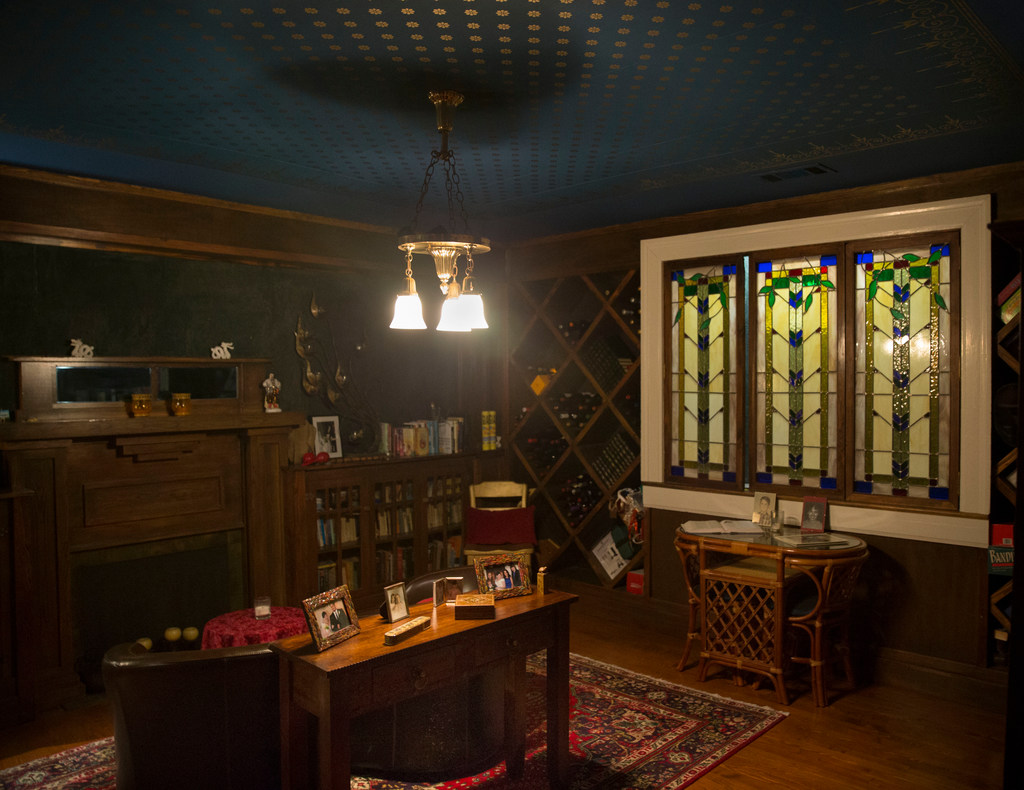
It is important to note that while typical habitable basements are rare, the concept of underground spaces for protection against severe weather does exist in Texas. Due to the state’s susceptibility to tornadoes and hurricanes, many homes, particularly in tornado-prone areas like Central Texas, are equipped with storm shelters. These shelters are designed to withstand extreme winds and debris and are often built underground. However, these are not intended for general living space; their primary purpose is safety during severe weather events. They are typically small, reinforced concrete structures, often accessed from within the home, and are a crucial element of disaster preparedness in Texas.
In conclusion, the absence of widespread basements in Texas is a multifaceted issue rooted in the state’s unique geology, challenging climate, and practical economic considerations. The presence of expansive soils, high water tables, intense heat and humidity, and the ever-present risk of flooding all contribute to the preference for alternative foundation and construction methods. While storm shelters offer a subterranean solution for safety, the traditional basement remains an uncommon feature, a testament to the ingenuity and adaptability of Texas builders in responding to the distinct environmental and economic realities of the Lone Star State. For anyone planning a trip to explore the rich tapestry of Texas, from the historical sites of San Antonio to the natural beauty of Big Bend National Park, understanding these construction norms offers a deeper appreciation for the land and its people.
LifeOutOfTheBox is a participant in the Amazon Services LLC Associates Program, an affiliate advertising program designed to provide a means for sites to earn advertising fees by advertising and linking to Amazon.com. Amazon, the Amazon logo, AmazonSupply, and the AmazonSupply logo are trademarks of Amazon.com, Inc. or its affiliates. As an Amazon Associate we earn affiliate commissions from qualifying purchases.