
Texas, a state synonymous with wide-open spaces, vast ranches, and a distinct cultural identity, often sparks curiosity among visitors and even its own residents. One question that frequently arises, especially for those hailing from regions where subterranean living is common, is: why don’t Texans have basements? The answer, as is often the case with Texas, is rooted in a complex interplay of geological realities, historical development, and economic considerations. While the image of a sprawling, single-story Texan home might be prevalent, the absence of basements is a deliberate architectural choice shaped by the very ground beneath our feet.
The Unseen Foundation: Geology and Soil Composition
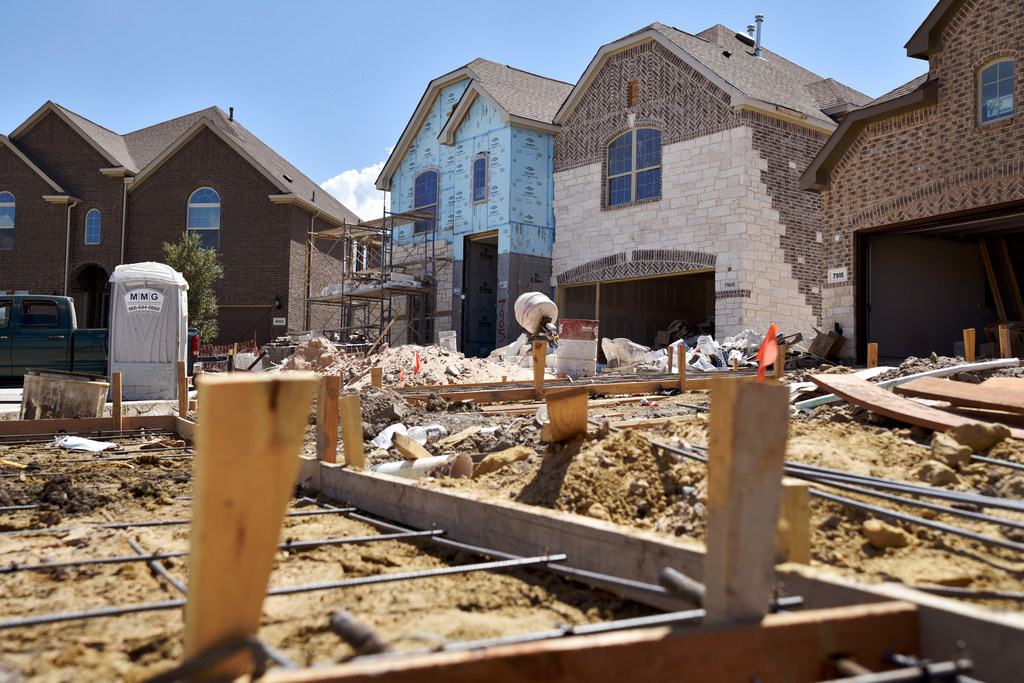
The primary culprit behind the scarcity of basements in Texas is the state’s diverse and often challenging geological landscape. Unlike many northern regions with solid bedrock relatively close to the surface or consistent, stable soil, much of Texas is characterized by expansive clay soils. These soils, particularly prevalent in the eastern and central parts of the state, have a notorious tendency to swell significantly when they absorb moisture and shrink dramatically when they dry out.
This expansive nature poses a significant engineering hurdle for basement construction. Excavating deep into this type of soil would require extensive and costly retaining walls to prevent the soil from collapsing back into the excavated space. Furthermore, the constant expansion and contraction cycles would put immense stress on any foundation walls, leading to cracking, structural damage, and potential flooding. Imagine a basement wall being slowly pushed inward by swelling soil during a rainy season, only to be pulled away as the soil dries and cracks during a drought. This relentless movement is a recipe for disaster for a traditional basement.
The Impact of the Water Table
Beyond the problematic soil, the water table in many parts of Texas also plays a crucial role. In some areas, the water table is relatively high, meaning that the ground is saturated with water just a few feet below the surface. Constructing a basement in such conditions would necessitate constant, costly dewatering systems and robust waterproofing measures to keep the space dry. The risk of groundwater infiltration and persistent dampness would be a constant concern, making basements impractical and expensive to maintain. For a state that experiences both intense droughts and sudden, heavy rainfall, managing a subterranean space prone to water issues becomes a daunting task.
Furthermore, the concept of a “root cellar” or a cool, underground storage space, often a precursor to basements in older homes elsewhere, is less relevant in Texas. The climate is generally warm enough that the ground temperature below a typical foundation depth doesn’t offer the same significant cooling benefits as it might in more temperate or colder climates. The need for naturally cool storage for perishables is often met with modern refrigeration technology, rendering the traditional cellar function of basements largely obsolete in the Texan context.
Historical and Economic Realities
The geological constraints have, over time, shaped the historical development of Texan architecture and real estate practices. Early settlers and builders, facing these challenges, naturally gravitated towards simpler, more cost-effective construction methods. Building on slab foundations or raised pier foundations proved to be far more practical and economical than attempting to excavate and support basements in unstable soil.
Cost-Effectiveness and Practicality
The economic argument is a powerful one. Constructing a basement is a significant undertaking that adds considerably to the overall cost of a home. In Texas, where land is often plentiful and single-story living is the norm, the added expense of a basement often doesn’t justify the perceived benefits. Builders and developers have historically prioritized affordability and ease of construction, leading to a market where basements are simply not a standard offering. Potential homeowners, faced with the choice between a more affordable home without a basement or a significantly more expensive home with one, often opt for the former.
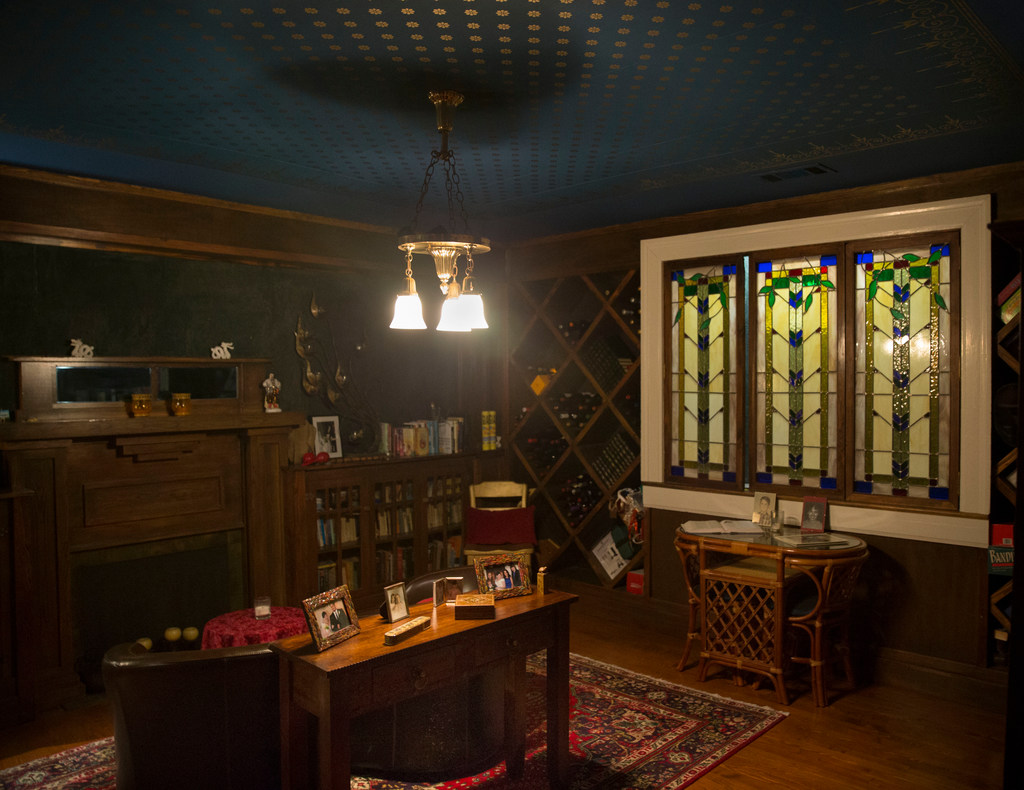
Moreover, the resale value of homes with basements in Texas might not always reflect the substantial investment made during construction. Because basements are uncommon, many buyers are not accustomed to them, may be wary of potential water issues, or may not see the value proposition compared to the more traditional Texan housing stock. This can make it harder to recoup the costs associated with building and maintaining a basement, further discouraging their construction.
The Texan Approach to Living Space
While basements are rare, Texans have developed their own unique strategies for maximizing living space and accommodating diverse needs. The absence of basements has, in many ways, influenced the architectural evolution of homes across the state.
Above-Ground Solutions and Architectural Adaptations
Instead of digging down, Texans have learned to build up or extend outwards. Many homes feature spacious attics that are often used for storage or, increasingly, converted into additional living areas like bedrooms, home offices, or playrooms. These converted attics, when properly insulated and ventilated, can provide comfortable and functional space without the geological headaches associated with basements.
Another common adaptation is the widespread use of detached garages, often with living quarters built above them. This “casita” style of accommodation is popular for guest houses, rental units, or even as private retreats for family members. It offers a separation from the main house while still providing valuable living space.
Furthermore, the quintessential Texan ranch-style home, with its sprawling footprint, often incorporates ample closet space and well-designed utility rooms to compensate for the lack of underground storage. Outdoor living spaces, such as covered patios and screened porches, are also integral to the Texan lifestyle, providing extended areas for recreation and relaxation that effectively expand the usable square footage of a home.
Exploring Texas Destinations and Accommodations
For travelers visiting Texas, understanding this architectural nuance can add another layer to their appreciation of the state’s unique character. When exploring the vibrant cities like Houston, Dallas, or Austin, or venturing into the charming small towns, you’ll notice a consistent architectural theme. The abundance of single-story homes, often with generous yards, is a visual testament to the geological and economic factors at play.
When looking for accommodation in Texas, whether it’s a luxurious resort like the Ritz-Carlton, Dallas, a charming boutique hotel in San Antonio, or a private villa for a family trip, you’ll likely be booking spaces that are at or above ground level. This might include spacious suites in hotels, private apartments, or entire villas designed to maximize natural light and airflow. The focus is often on creating comfortable, well-appointed living areas that blend seamlessly with the outdoor environment, a hallmark of Texan hospitality.
For those seeking longer-term stays or exploring budget-friendly options, the market still reflects these prevailing architectural norms. You’ll find plenty of apartments and houses designed for comfort and practicality within the Texan landscape. The emphasis remains on efficient use of above-ground space, reflecting a lifestyle that often embraces outdoor living and a connection with the surrounding environment.
In conclusion, the absence of basements in Texas is not an oversight but a consequence of carefully considered geological, historical, and economic factors. It’s a testament to the ingenuity of Texan builders and residents in adapting to their environment, creating a housing landscape that is both practical and uniquely characteristic of the Lone Star State. So, the next time you’re admiring a Texan home, remember that what lies beneath the foundation is just as important as what you see above ground.
LifeOutOfTheBox is a participant in the Amazon Services LLC Associates Program, an affiliate advertising program designed to provide a means for sites to earn advertising fees by advertising and linking to Amazon.com. Amazon, the Amazon logo, AmazonSupply, and the AmazonSupply logo are trademarks of Amazon.com, Inc. or its affiliates. As an Amazon Associate we earn affiliate commissions from qualifying purchases.