
The Lone Star State, renowned for its vast ranches, scorching summers, and distinctive culture, is a place that conjures images of sunshine and sprawling landscapes. Yet, a perennial question surfaces as the temperatures begin to dip and the calendar pages turn towards winter: Will it snow in Texas this year? This isn’t just idle curiosity; for many, it sparks visions of a rare and magical transformation of the Texan scenery, offering unique travel opportunities and a departure from the predictable. Exploring this possibility delves into the intricate dance of weather patterns, historical data, and the very essence of Texan tourism and lifestyle.
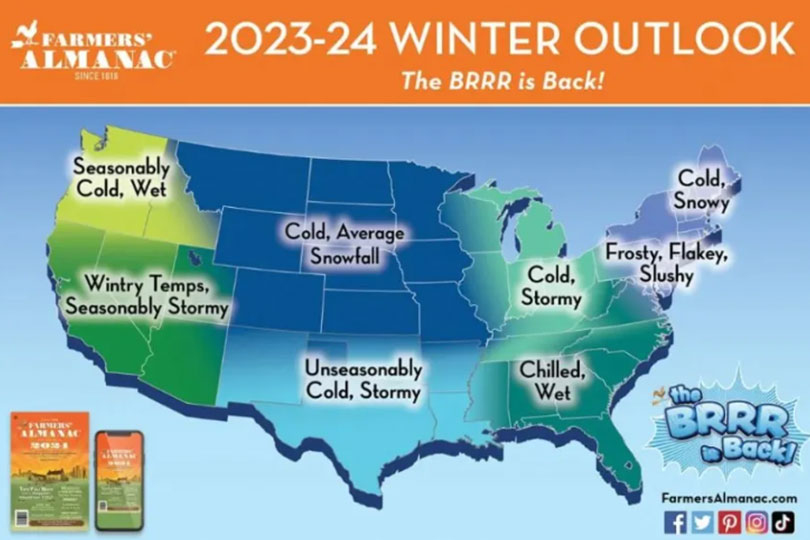
The prospect of snow in Texas isn’t a blanket certainty across its diverse geography. From the piney woods of East Texas to the arid West Texas plains, and the bustling metropolises like Dallas and Houston, the likelihood of witnessing a winter wonderland varies significantly. Understanding these regional differences is key to appreciating the nuances of Texas’s winter weather and planning any potential snow-related travel or experiences.
The Science Behind the Snow: Texas’s Winter Weather Patterns
Texas’s winter weather is largely dictated by its geographical position and the interplay of various atmospheric systems. The state sits in a transitional zone, susceptible to cold air masses descending from the north and moisture-laden systems moving in from the Gulf of Mexico. When these elements align just right, the conditions are ripe for snowfall.
Arctic Air and Gulf Moisture: The Perfect Storm
The primary ingredient for snow anywhere is cold air. In Texas, this typically arrives in the form of polar air masses that push southward. These cold fronts can bring a dramatic drop in temperatures, often accompanied by brisk winds, especially in the northern and western parts of the state.
However, cold air alone doesn’t guarantee snow. Moisture is the other crucial component. This often comes from disturbances moving across the United States or, more significantly for Texas, from the warm, moist air emanating from the Gulf of Mexico. When a strong cold front interacts with a system carrying abundant moisture from the Gulf, the stage is set for precipitation. If the temperatures are below freezing throughout the atmospheric column and at ground level, this precipitation will fall as snow.
The timing of these events is paramount. A cold front arriving while the air is still too warm, or a moist system moving in after the cold air has passed, will result in rain or freezing rain instead of snow. The “perfect storm” for Texas snow usually involves a persistent, deep cold air mass that coincides with a well-developed low-pressure system drawing in significant moisture from the Gulf.
Regional Variations: Where Snow is More Likely
While any part of Texas can experience snow, certain regions are statistically more prone to it.
-
The Panhandle and North Texas: This is the prime real estate for snow in Texas. Cities like Amarillo and the surrounding Panhandle region often experience the most consistent and significant snowfall. The higher elevation and more northerly latitude make this area more consistently cold enough for snow when moisture is present. Historically, this region has seen some of the most impressive snowfalls in the state’s history.
-
Central Texas: Areas around Austin, San Antonio, and Waco can receive snow, but it’s often a more infrequent and fleeting event. When it does snow here, it’s usually a lighter dusting that melts quickly, but it can still bring a delightful, albeit temporary, transformation to the landscape. The Texas Hill Country, with its rolling terrain, can also offer picturesque scenes during a light snowfall.
-
East Texas: The piney woods of East Texas can also get in on the snowy action. Towns like Tyler and Longview have experienced notable snow events, often adding a unique charm to the evergreen forests.
-
South Texas and the Coast: Snow is a rarity in the southernmost parts of Texas, including cities like Corpus Christi and the Rio Grande Valley. While not impossible, temperatures here rarely stay below freezing long enough for sustained snowfall. When it does occur, it’s often a brief, exciting novelty.
Historical Snowfall and Forecasting Trends
Looking back at historical data provides valuable context for predicting future snowfall. Texas has a documented history of significant snow events, some of which have become legendary.
Memorable Snowfall Events in Texas History

Texas has not been immune to heavy snowfalls. The infamous 1989 blizzard brought significant snow to North Texas, paralyzing Dallas-Fort Worth and surrounding areas with over 12 inches in some locations. More recently, the winter of 2021 saw widespread and significant snowfall across much of the state, accompanied by a severe ice storm and power outages, highlighting the disruptive potential of such weather. While this event was more about widespread ice and extreme cold, it also brought a rare blanket of snow to many areas. Other notable events include snowfalls in 1949, 1960, and 2011, each leaving a unique mark on the state’s winter memory. These historical occurrences serve as a reminder that while snow might be infrequent in some parts of Texas, it is a part of the state’s meteorological story.
The Role of Climate Change and Forecasting
Forecasting snowfall in Texas is a complex endeavor. While general trends can be observed, specific snowfall events are notoriously difficult to predict with high accuracy more than a few days in advance. Meteorologists monitor several factors, including the strength and trajectory of cold fronts, the development of low-pressure systems, and sea surface temperatures in the Gulf of Mexico.
The impact of climate change on Texas’s winter weather is a subject of ongoing scientific study. Some research suggests that while overall average temperatures may rise, the patterns of extreme weather events, including potentially more intense cold snaps and shifts in storm tracks, could lead to periods of heavier snowfall in certain regions, even as winters become milder on average. This means that while long stretches of freezing weather might become less common, the possibility of powerful, short-lived winter storms, including those that bring snow, could still exist or even increase in intensity.
Experiencing a Texas Snowfall: Travel and Lifestyle Opportunities
The rare occurrence of snow transforms Texas, offering a unique set of travel and lifestyle experiences that diverge from its typical sunny persona. When snow does fall, it presents opportunities for both the intrepid traveler and those seeking a novel local experience.
Winter Travel in the Lone Star State
For travelers, a Texas snowfall can be a magical surprise, turning familiar landscapes into something extraordinary.
-
The Panhandle Getaway: If you’re aiming for the highest probability of snow, a trip to the Texas Panhandle during winter is your best bet. Towns like Canyon (home to the stunning Palo Duro Canyon State Park) can offer breathtaking views of snow-dusted red rocks, a stark and beautiful contrast to its usual arid appearance. Staying at a cozy lodge or a historic hotel in Amarillo can enhance the winter experience.
-
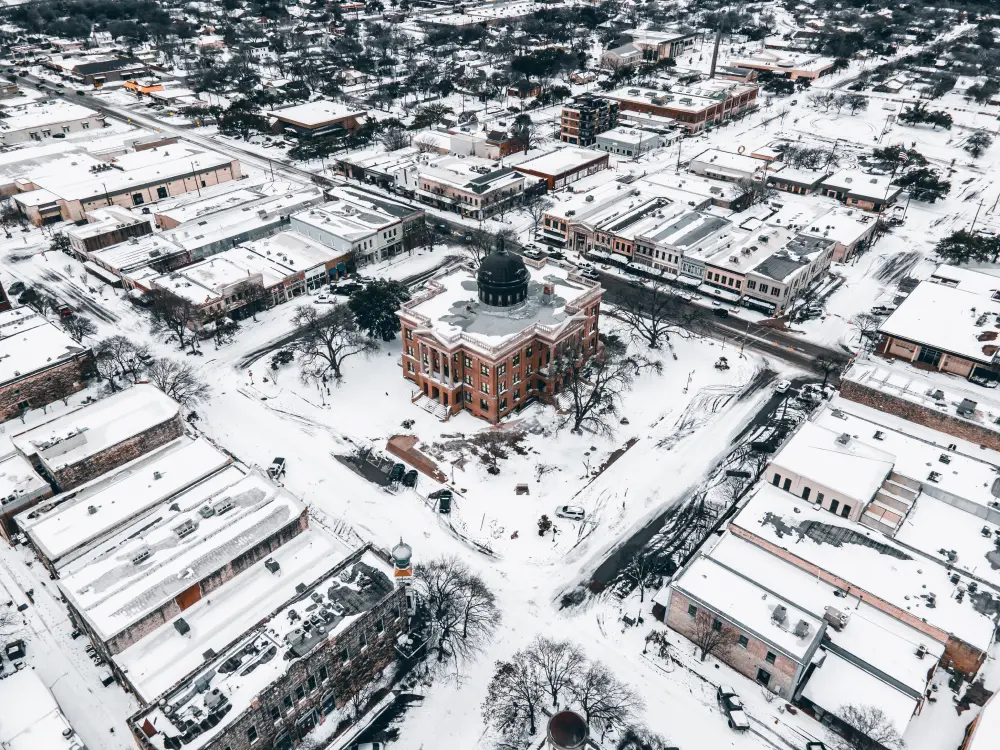
Urban Snowscapes: Even major cities like Dallas, Fort Worth, and Austin can become remarkably picturesque under a blanket of snow. Imagine iconic landmarks dusted in white, turning a stroll through the Dallas Arts District or along the Austin Boardwalk into a serene winter adventure. Many hotels, from boutique accommodations to luxury resorts like the Four Seasons Hotel Austin, offer excellent vantage points and warm havens to enjoy the unusual weather.
-
Unique Activities: When snow falls, Texan cities and towns often embrace it with impromptu celebrations. Look for local events, snowball fights in parks, or even the rare opportunity for sledding down small hills. Some rural areas might offer unique experiences like horseback riding through snowy landscapes, adding a touch of cowboy charm to a winter scene.
Embracing the Snowy Lifestyle
Beyond dedicated travel, a Texas snowfall can influence everyday life and local tourism.
-
Local Culture Shift: Texans are known for their resilience and adaptability. When snow arrives, it often brings a sense of collective wonder and a shared experience. Cafes might serve hot chocolate with a special fervor, and families will gather to witness the spectacle. It’s a moment where the usual pace of life slows down, and people appreciate the temporary change.
-
Accommodation and Amenities: For those planning a winter trip, booking accommodation is key. Many hotels and resorts offer special winter packages. Consider a stay at a charming bed and breakfast in a town like Salado or a well-appointed suite in a city hotel, ensuring you have a warm and comfortable base from which to enjoy the snowy sights. Amenities like indoor pools or fireplaces become particularly appealing during cold, snowy weather. For those considering longer stays, apartments or villas can provide a cozy home away from home.
-
Food and Drink: Winter weather often calls for comforting food. Snowfall in Texas might inspire visits to local eateries that feature hearty Texan cuisine, perhaps a steaming bowl of chili or a robust barbecue plate, perfectly suited for warming up after a day of observing the snowy landscape. Local breweries and distilleries also offer a warm respite.
-
Photography and Landmarks: The visual transformation of Texas landmarks under snow is a photographer’s dream. Imagine the San Antonio Riverwalk or the iconic skyline of Houston dusted in white. These fleeting moments are captured by residents and visitors alike, creating lasting memories and unique content for travel blogs and social media.
In conclusion, the question “Will it snow in Texas this year?” is not a simple yes or no. It’s an invitation to explore the fascinating meteorological dynamics of the Lone Star State, to delve into its history of winter marvels, and to appreciate the unique travel and lifestyle opportunities that a rare snowfall can bring. Whether it’s a dusting in the city or a significant accumulation in the Panhandle, a Texas snow event is a reminder that even the most familiar landscapes can offer surprises, turning the ordinary into the extraordinary and creating memorable experiences for all who are fortunate enough to witness it.
LifeOutOfTheBox is a participant in the Amazon Services LLC Associates Program, an affiliate advertising program designed to provide a means for sites to earn advertising fees by advertising and linking to Amazon.com. Amazon, the Amazon logo, AmazonSupply, and the AmazonSupply logo are trademarks of Amazon.com, Inc. or its affiliates. As an Amazon Associate we earn affiliate commissions from qualifying purchases.