
The question of whether Texas will witness the magic of snowfall this year is a perennial one, sparking curiosity and anticipation across the Lone Star State. While Texas is largely known for its sun-drenched landscapes and warm climate, the possibility of snow, however fleeting, adds an enchanting layer to its diverse weather patterns. This inquiry delves into the factors influencing winter precipitation in Texas, exploring historical trends, the role of El Niño and La Niña phenomena, and the specific regions most likely to experience a dusting of white. Beyond the meteorological predictions, we’ll also consider how the prospect of snow, or the lack thereof, impacts travel, tourism, and lifestyle choices within Texas, offering insights for residents and visitors alike.
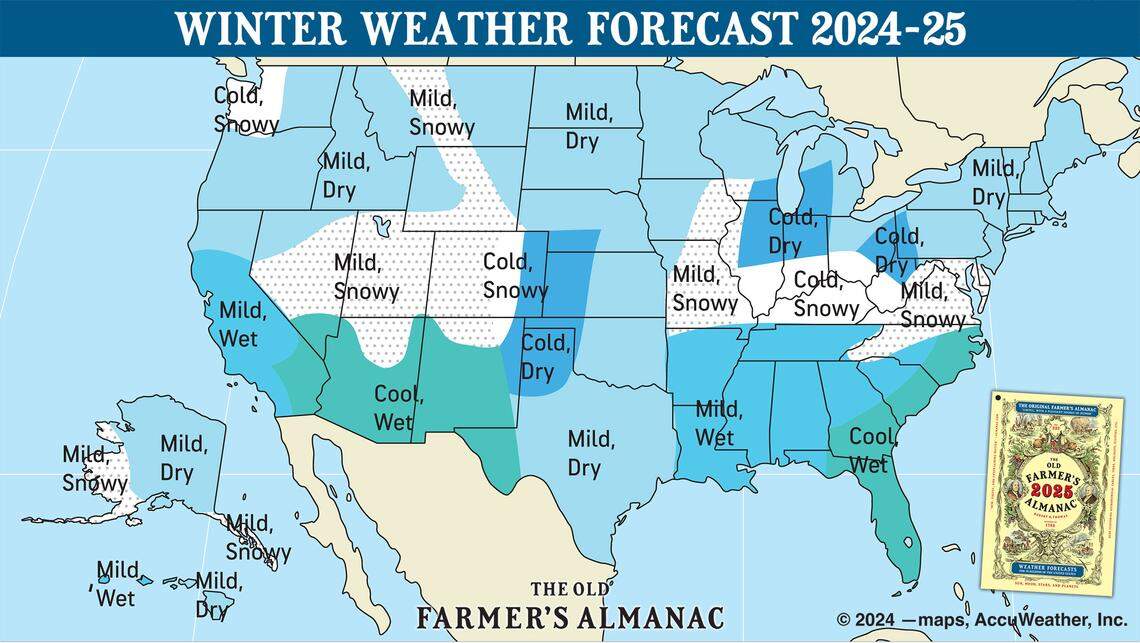
Understanding Texas Winter Weather
Texas experiences a wide range of climatic conditions due to its vast size and geographical diversity. The northern parts of the state, particularly the Panhandle and North Texas, are more susceptible to colder air masses originating from Canada and the Rocky Mountains. These regions can experience significant temperature drops and, consequently, a greater chance of encountering winter precipitation. In contrast, South Texas, with its proximity to the Gulf of Mexico, typically enjoys milder winters, making snow a rare and celebrated event.
The type of winter precipitation is also a consideration. While the dream is often of fluffy snowflakes, Texas can also experience ice storms, freezing rain, or sleet. These can be just as disruptive, if not more so, than snow, impacting travel and daily life. The intensity and duration of cold snaps are key determinants of whether precipitation falls as liquid or solid.
The Influence of Global Weather Patterns
The likelihood of snow in Texas is significantly influenced by large-scale climate phenomena such as El Niño and La Niña. These oceanic and atmospheric patterns affect global weather systems, including temperature and precipitation patterns across North America.
El Niño’s Impact on Texas Winters
During an El Niño event, sea surface temperatures in the central and eastern equatorial Pacific Ocean are warmer than average. This typically leads to a more southerly and easterly storm track across the United States. For Texas, this often translates to a wetter and cooler winter. While not a guarantee of snow, the increased moisture and lower temperatures provide a more favorable environment for winter precipitation to fall as snow, especially in the northern and western parts of the state. The increased storm activity associated with El Niño can bring moisture from the Gulf of Mexico, which, when meeting cold air masses, can lead to snow events.
La Niña’s Influence on Texas Winters
Conversely, La Niña is characterized by cooler-than-average sea surface temperatures in the same region of the Pacific Ocean. This tends to shift storm tracks further north, often resulting in a drier and warmer winter for much of Texas. While La Niña years might offer less opportunity for widespread snow, it doesn’t entirely rule it out. Isolated cold fronts can still bring snowfall, particularly if they are strong enough to push deep into the state and interact with available moisture. However, on average, La Niña years are less conducive to snow in Texas compared to El Niño years.
Historical Snowfall Patterns in Texas
Looking at historical data provides valuable context for understanding Texas snowfall. While snow is not a daily occurrence like in many northern states, it has happened, and sometimes quite dramatically.
Notable Snow Events Across Texas
There have been several memorable snow events in Texas history. The Panhandle and West Texas regions, including cities like Amarillo and Lubbock, regularly see snowfall each winter. Amarillo, in particular, often receives the most snow in the state, sometimes experiencing significant accumulations.
However, snow has also surprised other parts of Texas. In 2021, a historic winter storm brought unprecedented freezing temperatures and widespread snowfall and ice across the state, causing significant disruption. This event, driven by a polar vortex disruption, served as a stark reminder that even the southern reaches of Texas are not immune to severe winter weather.
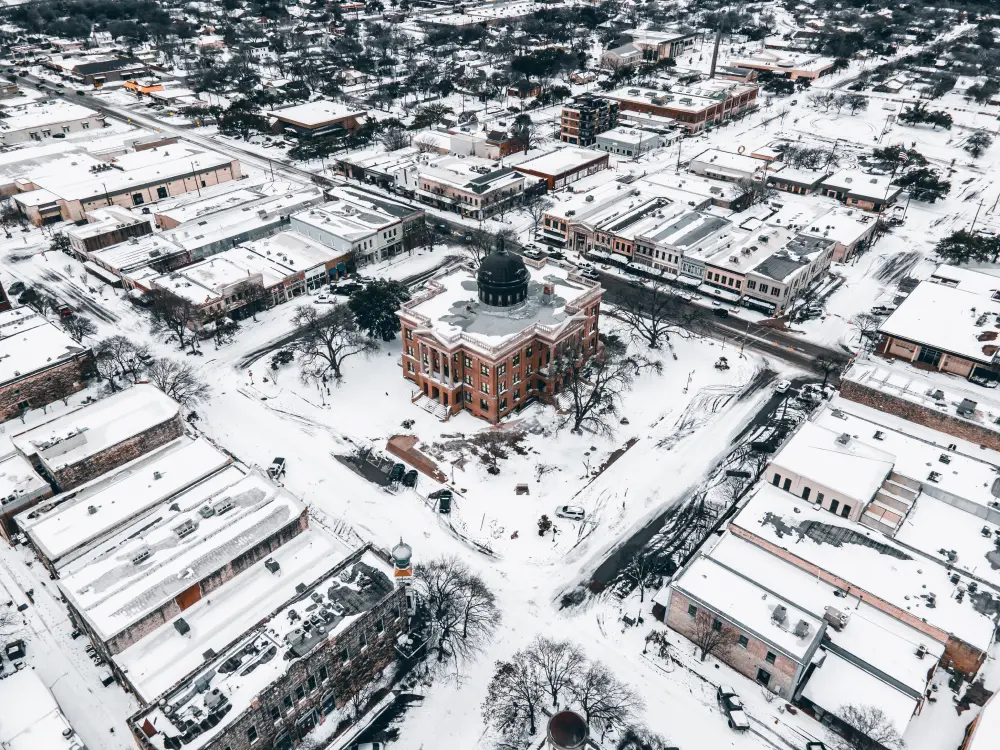
The Austin area, known for its mild winters, has seen snow on rare occasions, turning the rolling hills and cityscape into a picturesque, albeit temporary, winter wonderland. Similarly, Dallas-Fort Worth and even occasionally areas further south like San Antonio can experience light snow or icy conditions. These events, while infrequent, are often talked about for years to come, highlighting their unique nature.
Factors Affecting Regional Snowfall
Several factors contribute to the variation in snowfall across Texas.
- Elevation: Higher elevations generally experience colder temperatures, increasing the likelihood of snow. The Guadalupe Mountains National Park, for example, is more likely to see snow than the coastal plains.
- Latitude: Northern Texas is inherently colder than South Texas, making it a more probable snow destination.
- Proximity to Moisture Sources: The presence of moisture, often from the Gulf of Mexico or Pacific storm systems, is crucial for any form of precipitation, including snow. A cold air mass without moisture will not produce snow.
- Storm Tracks: The path that winter storms take across the United States is a significant determinant. When storm tracks dip south into Texas, the chances of snow increase.
Planning Your Texas Winter Experience
Whether you’re a resident hoping for a white Christmas or a traveler seeking a unique winter experience, understanding the nuances of Texas snowfall can enhance your planning. While a guaranteed snow forecast is elusive, preparedness and knowledge of the most likely areas can lead to a memorable winter visit.
Destinations for Potential Snowfall
For those actively seeking a snowy landscape in Texas, certain destinations offer a higher probability.
- The Panhandle: Cities like Amarillo and Lubbock are prime candidates for winter wonderlands. Amarillo often tops the list for snowfall amounts. The landscape, with its wide-open spaces and rolling plains, can be particularly striking under a blanket of snow. For accommodation, consider charming inns and hotels in these cities, many offering cozy amenities to warm up after a day exploring the snow-kissed surroundings.
- West Texas: Areas around Big Bend National Park and the mountainous regions can experience snowfall, especially at higher elevations. While the vastness of West Texas means snow might be localized, the experience of seeing desert landscapes dusted with white is unforgettable. Visitors might look for unique stays in towns like Marfa or Fort Davis, perhaps a secluded cabin or a boutique hotel.
- North Texas: The Dallas-Fort Worth metroplex and surrounding areas can receive snow, though accumulations are typically less than in the Panhandle. When it does snow, it often causes significant excitement and can transform urban parks and suburban neighborhoods into picturesque scenes. A wide array of hotels, from luxury suites to budget-friendly options, are available here, catering to every traveler’s needs.
Preparing for Texas Winter Travel
If you plan to travel to Texas during the winter months, especially if your sights are set on regions where snow is possible, it’s wise to be prepared.
- Check Forecasts Regularly: Winter weather in Texas can be unpredictable. Keep a close eye on weather forecasts from reliable sources like the National Weather Service.
- Vehicle Preparedness: If driving, ensure your vehicle is equipped for potential winter conditions. This might include checking tire pressure, having a full tank of gas, and carrying an emergency kit. In areas prone to ice, consider snow tires if your itinerary involves extensive travel.
- Accommodation Bookings: If snow is in the forecast, popular destinations might see a surge in bookings. It’s advisable to book hotels or other accommodations in advance. Websites offering comparison and booking services can help you find suitable options, whether you’re looking for a resort with a fireplace or a family-friendly apartment. Consider amenities like heating, hot tubs, or even indoor pools for those times when outdoor exploration isn’t feasible.
- Activity Planning: While snow can enable activities like sledding or snowball fights, icy conditions can make outdoor attractions temporarily inaccessible. Always check the operating status of attractions and landmarks before you visit. For instance, a visit to a historic site like the Alamo might be altered by weather, but its historical significance remains. Similarly, natural landmarks like Enchanted Rock State Natural Area can offer a different kind of beauty under a dusting of snow, but safety should always be paramount.
Lifestyle and Seasonal Activities
The prospect of snow, however rare, influences various aspects of Texas lifestyle and seasonal activities.
- Winter Tourism: While Texas isn’t primarily known as a winter sports destination, the possibility of snow can draw visitors eager for a unique experience. Ski resorts are virtually non-existent, but opportunities for enjoying the snow, such as scenic drives or even impromptu snowball fights in parks, do arise. Towns in North and West Texas might see a modest increase in tourism during snow events.
- Seasonal Events: Many Texas cities host winter festivals and holiday markets, which can take on an extra charm if accompanied by snow. Events around the holidays, like Christmas light displays in Galveston or San Antonio, can feel even more magical with a touch of winter frost.
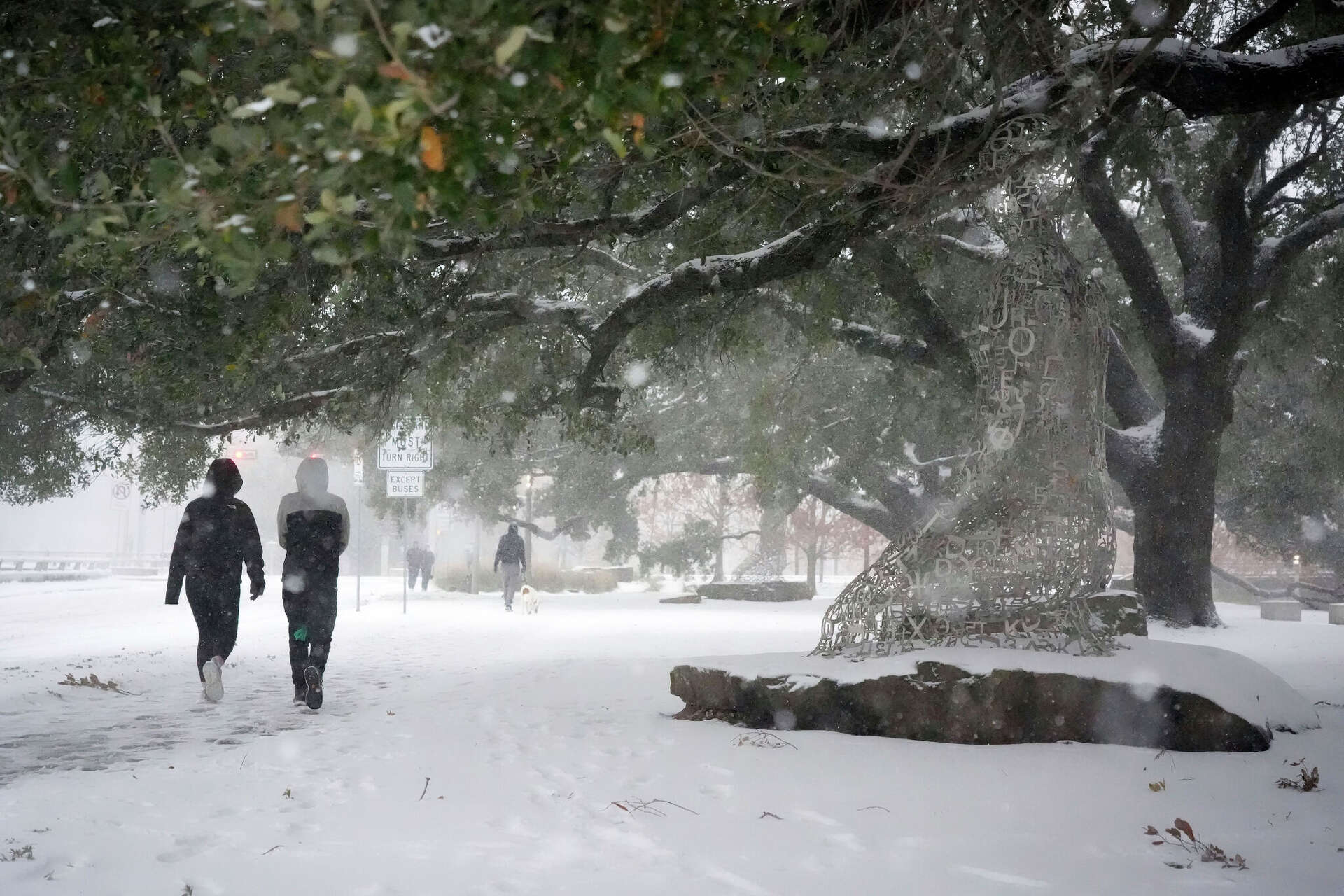
- Local Culture: Texans often embrace the novelty of snow. Social media fills with photos of pets in winter gear, children experiencing snow for the first time, and frozen landscapes. It’s a shared experience that often brings communities together, fostering a sense of wonder.
- Culinary Experiences: Winter in Texas is also synonymous with hearty comfort food. Whether it snows or not, this is the season for barbecue, chili, and warm beverages. If snow does fall, imagine enjoying a steaming mug of hot chocolate or coffee from a local café while watching the flakes descend. Many restaurants and hotels offer special seasonal menus that perfectly complement the cooler weather.
In conclusion, the question “Will It Snow This Year Texas?” is less about a definitive yes or no and more about embracing the potential and preparing for the unique winter possibilities that the Lone Star State offers. From the snow-prone Panhandle to the surprising winter scenes in urban centers, Texas in winter is a landscape of diverse experiences, waiting to be discovered. Whether you’re planning a luxury travel escape, a budget-friendly family trip, or a business stay, understanding the climate and its potential for snow can add an extra layer of excitement to your Texas adventure.
LifeOutOfTheBox is a participant in the Amazon Services LLC Associates Program, an affiliate advertising program designed to provide a means for sites to earn advertising fees by advertising and linking to Amazon.com. Amazon, the Amazon logo, AmazonSupply, and the AmazonSupply logo are trademarks of Amazon.com, Inc. or its affiliates. As an Amazon Associate we earn affiliate commissions from qualifying purchases.