
The unprecedented winter storm that gripped Texas in February 2021 left a lasting scar on the state’s psyche and infrastructure. For days, millions of Texans shivered in the dark, grappling with power outages, frozen pipes, and a critical shortage of essential supplies. The storm, dubbed Winter Storm Uri, exposed vulnerabilities in the state’s energy grid and raised serious questions about its preparedness for extreme weather events. As we look ahead to 2025, the specter of another major freeze looms, prompting a crucial inquiry: Will Texas freeze again?
This question is more than just a weather forecast; it’s a complex interplay of infrastructure, climate science, and policy. Understanding the potential for future freezes requires a deep dive into the causes of the 2021 event, the measures taken since then, and the ongoing challenges that Texas faces. For travelers, hotel operators, and anyone planning to experience the unique Texas lifestyle, this is a critical consideration for making informed decisions about where and when to visit, and how to ensure comfort and safety.

The Anatomy of a Catastrophe: Understanding Winter Storm Uri
The freeze of 2021 was not a typical Texas cold snap. It was a confluence of meteorological and systemic factors that created a perfect storm of disaster. The primary driver was an unusually strong polar vortex, a large area of cold air that usually stays contained over the Arctic. A significant dip in this vortex allowed frigid air to plunge southward, bringing record-low temperatures to vast swathes of North America, including Texas.
However, Texas’s unique energy infrastructure played a pivotal role in amplifying the crisis. Unlike many other states, Texas operates its own independent power grid, the ERCOT (Electric Reliability Council of Texas) grid. This independence, while often touted for its deregulated market advantages, meant that Texas was not subject to federal regulations concerning grid reliability and preparedness for extreme weather.
The cold temperatures themselves were a challenge, but the real breakdown occurred when the ERCOT grid failed to generate enough power to meet demand. The extreme cold caused natural gas wells to freeze, reducing supply and increasing prices. Wind turbines, a significant source of power in Texas, froze up, rendering them inoperable. And crucially, many power plants, designed to withstand moderate cold but not the prolonged, deep freezes experienced, were not adequately winterized. This led to widespread plant shutdowns, a domino effect that plunged millions into darkness and cold.
The consequences were devastating. Hospitals struggled to maintain operations, running on backup generators that were themselves threatened by fuel shortages. Water treatment plants faltered, leading to boil-water notices across the state. The economic impact was staggering, with billions of dollars in damages from burst pipes, spoiled food, and lost business. For tourists, the dream of experiencing Texas during its milder winter months turned into a chilling nightmare, with many attractions and accommodations inaccessible or without basic amenities.
Safeguarding the Lone Star State: Post-Freeze Reforms and Ongoing Challenges
In the aftermath of Winter Storm Uri, there was a renewed urgency to fortify Texas’s energy infrastructure against future extreme weather. Legislators and energy providers have implemented a series of reforms aimed at preventing a repeat of the 2021 catastrophe.
Enhancing Grid Resilience
One of the most significant changes has been the focus on winterizing power generation facilities. Mandates were put in place requiring power plants to take steps to protect their equipment from freezing conditions. This includes insulating pipes, installing heaters, and ensuring adequate fuel supplies. The Railroad Commission of Texas, the state’s oil and gas regulator, also issued rules requiring natural gas facilities to protect their infrastructure from freezing.
Furthermore, there has been increased attention to improving ERCOT’s ability to forecast and manage demand during extreme weather events. This includes enhanced communication protocols between grid operators and power generators, as well as measures to incentivize power conservation during peak demand periods. The goal is to create a more robust and responsive grid that can better withstand the pressures of severe cold.
Supply Chain Improvements

The vulnerability of the natural gas supply chain was a key lesson from 2021. Efforts have been made to ensure that natural gas producers and transporters can maintain operations even in frigid conditions. This involves measures like protecting wells from freezing, ensuring adequate fuel storage, and improving the flow of gas to power plants. A more reliable natural gas supply is critical, as it remains a vital fuel source for a significant portion of Texas’s power generation.
Tourist Considerations and Preparedness
For the tourism sector in Texas, the lessons learned are equally important. Hotels and resorts are now more likely to have robust backup power systems and emergency preparedness plans in place. This is crucial for maintaining guest comfort and safety during potential disruptions. Travelers planning trips to cities like Dallas, Houston, or Austin during the winter months should inquire about these preparedness measures when booking accommodations. Understanding the amenities and emergency protocols of hotels, such as those found at the Grand Hyatt Hotel or the various suites and resorts available, can provide peace of mind.
However, despite these reforms, significant challenges remain. The sheer scale of Texas and its diverse weather patterns mean that a one-size-fits-all solution is difficult. The interconnectedness of the energy system also means that a failure in one sector can have cascading effects. The cost of implementing these upgrades is substantial, and questions remain about how these costs will be passed on to consumers and businesses.
The Forecast for the Future: Predicting the Unpredictable
Predicting a freeze with the certainty of a calendar date is impossible. Weather is inherently unpredictable, and the factors that contribute to extreme events like Winter Storm Uri are complex and can vary significantly from year to year. However, by analyzing climate trends and the ongoing efforts to strengthen the grid, we can assess the likelihood of a severe freeze in Texas in 2025.
Climate Change and Extreme Weather
Scientific consensus points to climate change as a driver of more frequent and intense extreme weather events globally. While the link between climate change and specific cold snaps is nuanced, the destabilization of the polar vortex is a phenomenon that some climate scientists suggest could become more common with a warming planet. This means that even as the planet warms overall, regions like Texas may still be susceptible to severe cold outbreaks originating from the Arctic.
Infrastructure Vulnerabilities and Economic Realities
The reforms implemented since 2021 have undoubtedly made Texas’s energy infrastructure more resilient. However, the scale of the undertaking and the economic realities of such extensive upgrades mean that perfection is a long road. Continuous investment, rigorous maintenance, and ongoing adaptation are necessary. The independent nature of the ERCOT grid, while offering flexibility, also means that the responsibility for ensuring its reliability rests squarely on Texas’s shoulders.
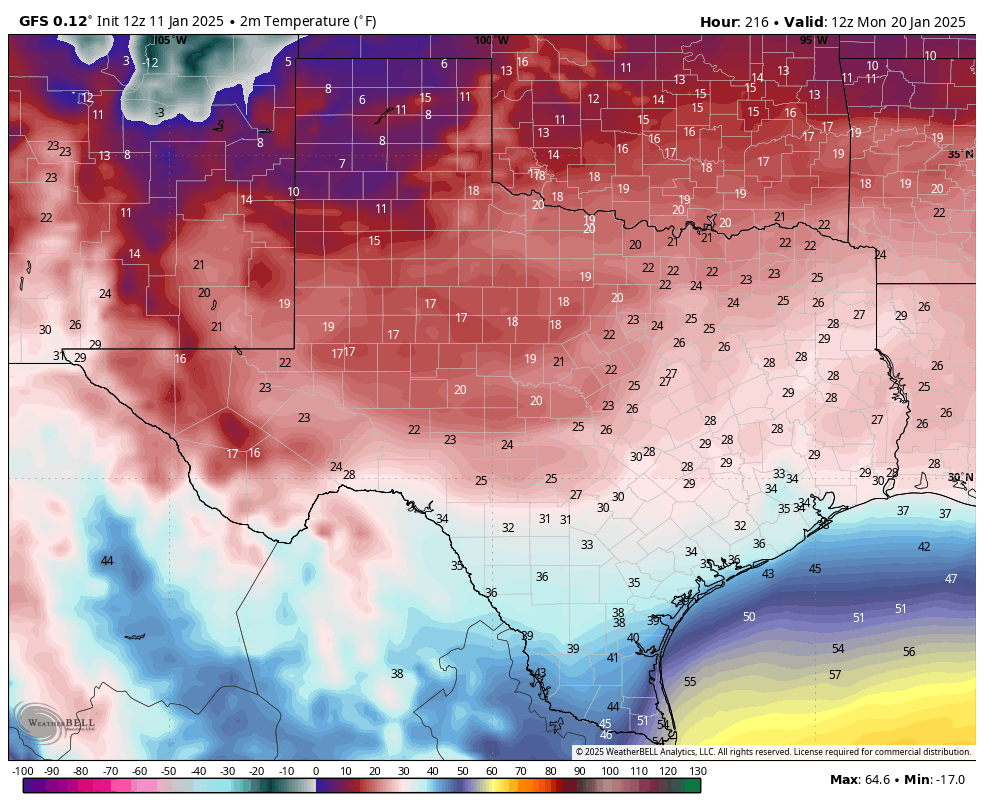
Planning for Uncertainty: Travel and Lifestyle in 2025
For those who love to explore Texas – from the historical landmarks of San Antonio to the natural beauty of Big Bend National Park – the question of future freezes is a practical one. The tourism industry in Texas is vibrant, offering a rich tapestry of experiences, from exploring the architecture of the Alamo to enjoying the culinary delights of Austin. However, travel during the winter months may require a different level of preparedness.
Travel plans to destinations like Galveston or Corpus Christi might need to factor in the possibility of colder weather and potential disruptions. When booking accommodation, whether it be luxury suites, family-friendly resorts, or charming villas, travelers should prioritize properties that have demonstrated a commitment to emergency preparedness. Reading reviews and comparing options on platforms that highlight amenities and reliability during extreme weather can be invaluable.
For lifestyle travelers, whether seeking budget-friendly adventures or indulgent luxury stays, understanding the potential for severe weather is key. Planning for flexible travel dates, having alternative indoor activities in mind, and staying informed about weather alerts are prudent steps. The goal is to ensure that a potential freeze doesn’t derail the enjoyment of Texas’s unique culture, its world-class cuisine, and its captivating landmarks.
In conclusion, while it is impossible to definitively say whether Texas will freeze again in 2025, the lessons from 2021 have spurred significant efforts to improve the state’s resilience. The question is not solely about the weather, but also about the ongoing commitment to maintaining and fortifying the infrastructure that keeps the lights on and homes warm. For travelers and residents alike, preparedness, informed decision-making, and a continued focus on reliability will be the keys to navigating whatever the Texas weather may bring. The spirit of Texas is known for its resilience, and that spirit is now being channeled into ensuring the state can withstand even its coldest challenges.
LifeOutOfTheBox is a participant in the Amazon Services LLC Associates Program, an affiliate advertising program designed to provide a means for sites to earn advertising fees by advertising and linking to Amazon.com. Amazon, the Amazon logo, AmazonSupply, and the AmazonSupply logo are trademarks of Amazon.com, Inc. or its affiliates. As an Amazon Associate we earn affiliate commissions from qualifying purchases.