
The question of whether alligators inhabit the state of Alabama might spark curiosity, particularly for those planning a visit or considering a move to the “Heart of Dixie.” Indeed, for adventurers and nature enthusiasts, this query is a crucial one, influencing everything from choosing destinations to packing the right gear. The short answer is a resounding yes – Alabama is home to a healthy population of American alligators, making it a fascinating, albeit potentially thrilling, destination for wildlife observation.
This vast Southern state, with its diverse landscapes ranging from the rolling hills of the Appalachian foothills to the expansive Gulf Coast, provides ample habitat for these prehistoric reptiles. Understanding where they live, how to spot them safely, and what to do if you encounter one is key to appreciating Alabama’s wild side responsibly.
Exploring Alabama’s Alligator Habitats
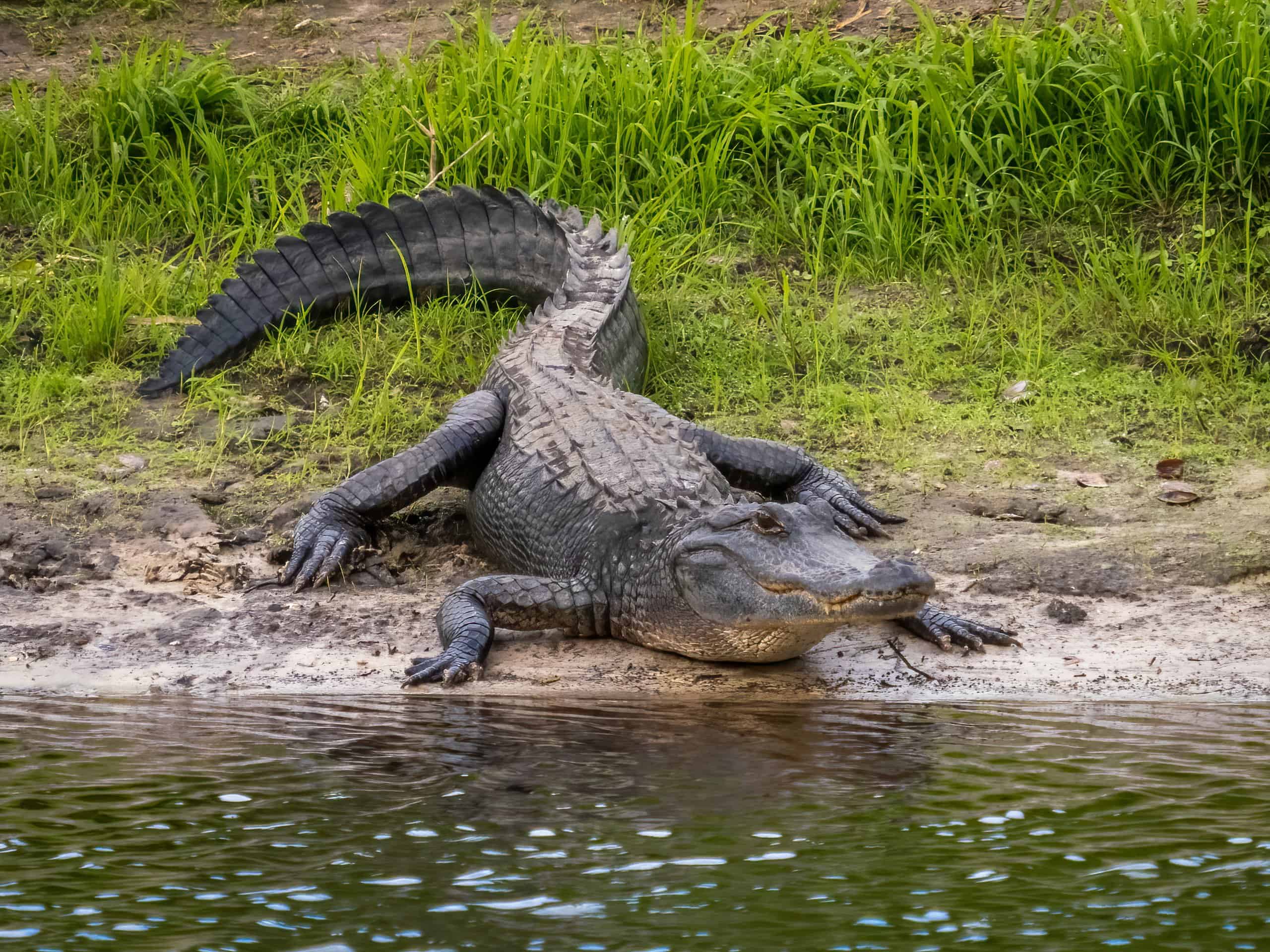
Alabama’s alligator population is most concentrated in the southern half of the state, where warmer temperatures and abundant water sources create ideal conditions. From slow-moving rivers and bayous to cypress swamps and brackish marshes along the coast, these environments offer both sustenance and shelter for the American alligator. This makes certain regions of Alabama particularly rewarding for those hoping to catch a glimpse of these magnificent creatures.
The Gulf Coast and Coastal Plains
Along Alabama’s stunning coastline, particularly in areas like Mobile Bay, the Bon Secour National Wildlife Refuge, and the numerous bayous and estuaries, alligators are a common sight. These coastal wetlands are rich ecosystems, supporting a variety of wildlife that serves as a food source for alligators. Boating tours, kayaking excursions, and even leisurely strolls along designated boardwalks in these protected areas can offer excellent opportunities for observation.
The Tensaw River Delta, a vast network of waterways and wetlands, is another prime alligator territory. This area, part of the Bartram Cave State Historic Site, is a testament to the wild beauty of Alabama, offering a chance to witness alligators in their natural environment, often basking on the muddy banks or gliding silently through the dark waters.
Inland Waterways and Swamps
Beyond the coast, Alabama’s inland river systems and associated swamps are also significant alligator strongholds. The Alabama River, the Tombigbee River, and the Black Warrior River all support alligator populations. These rivers carve through dense forests and cypress swamps, creating secluded habitats where alligators can thrive undisturbed.
Areas like the Little River Canyon National Preserve, while primarily known for its geological formations and hiking trails, also contain waterways where alligators may be present, especially in lower-lying sections. Similarly, the extensive swamp systems in the western part of the state, near the border with Mississippi, are teeming with these reptiles.
Seasonal Considerations for Alligator Sightings
Alligator activity is heavily influenced by temperature. During the warmer months, from spring through fall, alligators are more active. They can be seen basking in the sun to regulate their body temperature, hunting for food, and even migrating between water bodies. As temperatures cool down in winter, they become less active, often burrowing into mud banks or submerged dens to hibernate. Therefore, the best time to increase your chances of seeing alligators in Alabama is during the spring, summer, and early fall. Dawn and dusk are often prime times for activity, as alligators take advantage of cooler temperatures and reduced predator visibility.
Understanding Alligator Behavior and Safety
Encountering an alligator in its natural habitat is an awe-inspiring experience, but it’s crucial to remember that these are wild animals. Maintaining a safe distance and respecting their space is paramount to ensure both your safety and the well-being of the alligators. Understanding their behavior can help you appreciate them from afar and avoid potentially dangerous situations.
Respecting Their Space
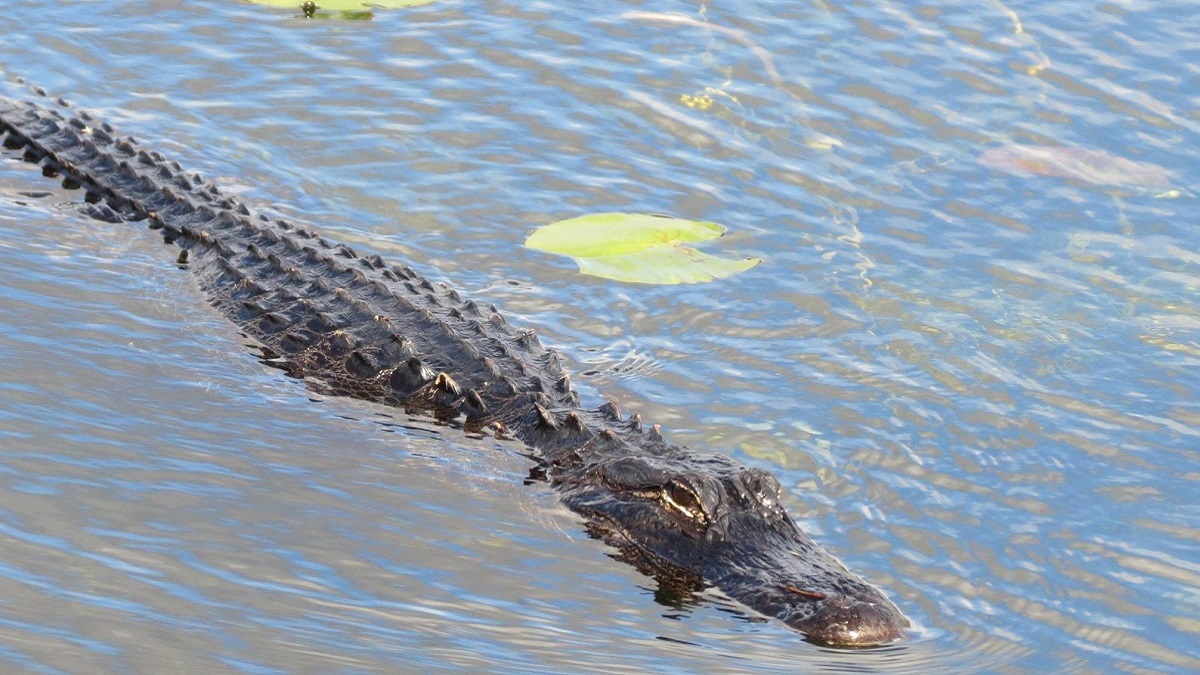
The cardinal rule when observing alligators is to never approach them. Alligators are most dangerous when they feel threatened or are protecting their territory or nests. Maintaining a distance of at least 30 feet is generally recommended, though greater distances are always preferable. Never feed alligators, as this habituates them to human presence and can lead to aggressive behavior. It also disrupts their natural diet and can cause them harm.
Safe Observation Tips
When exploring areas known to have alligators, such as Lake Martin or the waterways around Montgomery, it’s wise to exercise caution. If you are in a boat or kayak, keep a respectful distance and avoid startling them. If you are on land, stay on designated trails and boardwalks, and be aware of your surroundings. Alligators can move surprisingly quickly on land over short distances.
Always supervise children and pets closely in areas where alligators may be present. Keep pets on a leash and away from the water’s edge. If you spot an alligator, admire it from a safe vantage point. Binoculars can be an excellent tool for wildlife viewing, allowing you to observe these animals without getting too close. Remember that alligators are most active during dawn and dusk, so be particularly vigilant during these times.
Alligators and Human Interaction
While alligator attacks on humans are rare, they can occur, especially if the alligator is provoked or if humans encroach on their habitat. If you are in the water and encounter an alligator, remain calm and slowly back away. If an alligator approaches you on land, do not run, as this can trigger its predatory instincts. Instead, stand your ground and make noise to deter it. If an alligator does attack, fight back aggressively, aiming for its eyes and sensitive snout.
The Alabama Department of Conservation and Natural Resources provides guidelines and information on alligator safety and management. Familiarizing yourself with these recommendations before your visit can enhance your experience and ensure you are well-prepared.
Experiencing Alligators in Alabama: Tours and Activities
For those eager to witness Alabama’s formidable reptiles, several avenues exist to experience them safely and responsibly. These opportunities often blend adventure with education, allowing visitors to learn more about these fascinating creatures and their ecological importance.
Guided Tours and Wildlife Excursions
Many tour operators in coastal Alabama offer specialized alligator tours. These excursions typically take place on airboats, pontoon boats, or kayaks, navigating through the bayous and wetlands where alligators are most abundant. Guides are knowledgeable about alligator behavior and habitats, providing insights and ensuring a safe viewing experience. Popular locations for these tours include areas around Daphne, Fairhope, and the Magnolia Springs State Park.
These tours offer a unique perspective on Alabama’s natural heritage, allowing visitors to see alligators in their natural environment without disturbing them. It’s a fantastic way for families and individuals to learn about conservation efforts and the vital role alligators play in the ecosystem.
Educational Opportunities and Conservation Efforts
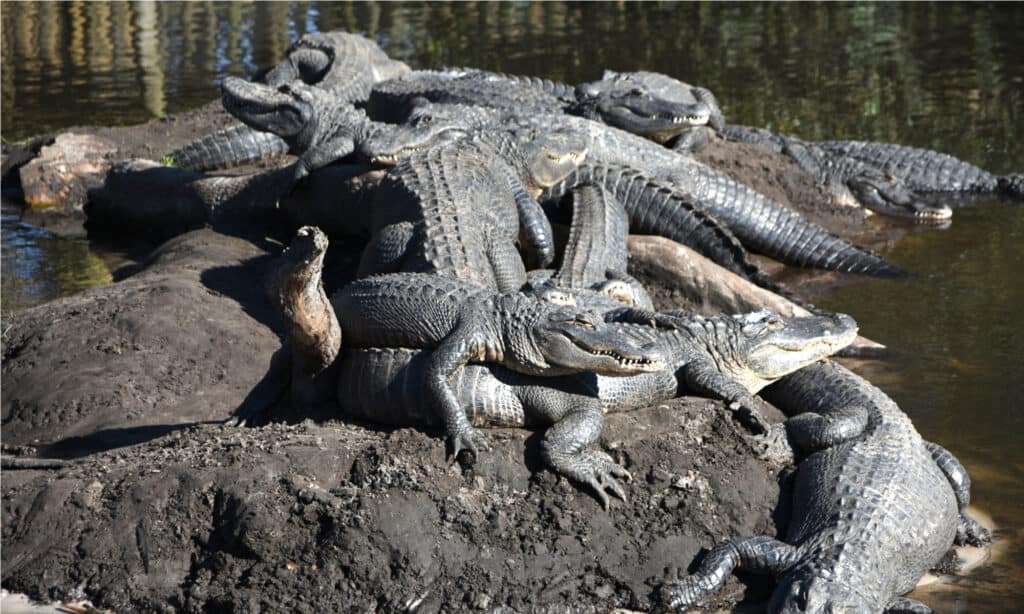
Beyond direct observation, various nature centers and wildlife refuges in Alabama offer educational programs about alligators. These institutions often house exhibits detailing the biology, history, and conservation status of the American alligator. They also provide information on how to coexist with these animals and support ongoing conservation initiatives.
Visiting places like the Alabama Gulf Coast Zoo, while not a wild encounter, can offer an educational experience with alligators in a controlled environment, providing a chance to learn about their specific needs and behaviors. Supporting organizations dedicated to the preservation of wetlands and alligator habitats is also a meaningful way to contribute to their continued survival in Alabama.
By understanding where to find them, how to behave around them, and the various ways to learn about them, visitors can have an unforgettable and safe experience with Alabama’s alligators, adding a unique dimension to their travel plans in the state. The presence of these ancient reptiles is a testament to the rich biodiversity that Alabama proudly offers.
LifeOutOfTheBox is a participant in the Amazon Services LLC Associates Program, an affiliate advertising program designed to provide a means for sites to earn advertising fees by advertising and linking to Amazon.com. Amazon, the Amazon logo, AmazonSupply, and the AmazonSupply logo are trademarks of Amazon.com, Inc. or its affiliates. As an Amazon Associate we earn affiliate commissions from qualifying purchases.