
The vibrant states of Alabama are home to two of its most significant cities: Birmingham and Montgomery. For many travelers, understanding the geographical relationship between these urban centers is crucial for planning efficient and enjoyable journeys. Whether you’re embarking on a road trip, a business excursion, or simply exploring the rich tapestry of Alabama‘s history and culture, knowing the distance between Birmingham and Montgomery is a fundamental piece of information. This article delves into the specifics of this journey, offering insights into travel times, optimal routes, and what makes this relatively short distance a gateway to diverse experiences.
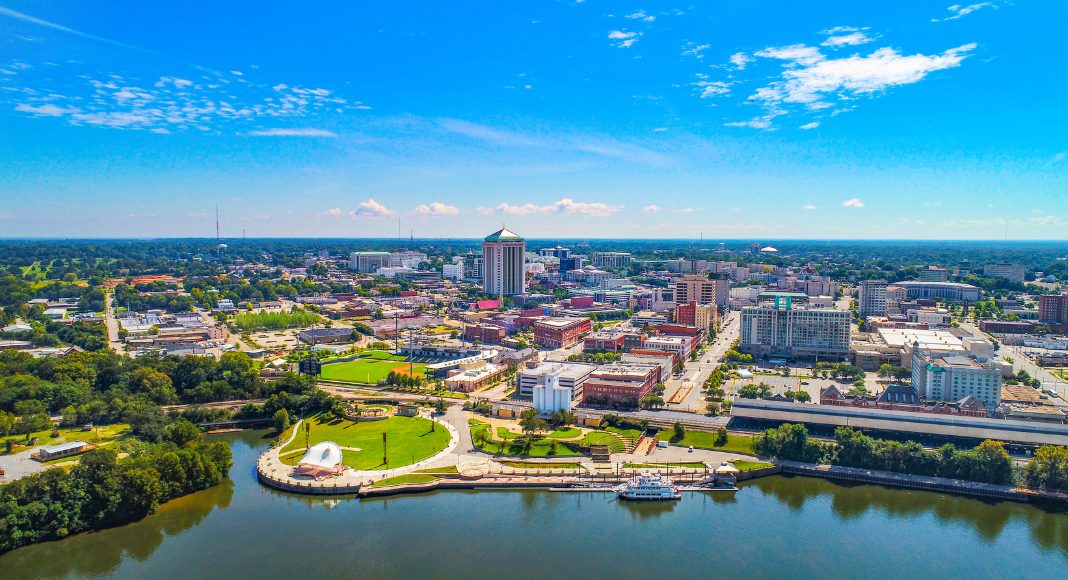
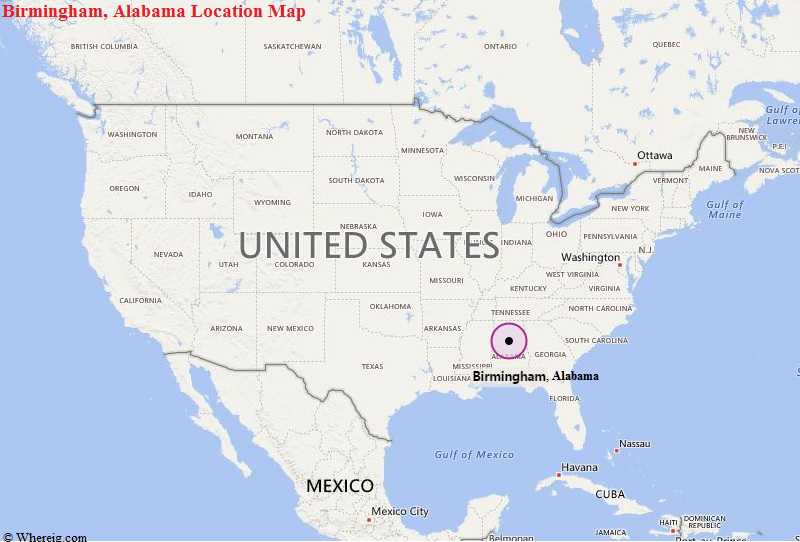
The distance between Birmingham and Montgomery, Alabama, is a manageable one, typically falling around 85 to 90 miles depending on the specific starting and ending points within each city and the chosen route. This proximity makes it an ideal corridor for travel, allowing for a quick transit that can be accomplished in a little over an hour, barring any traffic delays. This makes it a popular choice for day trips, weekend getaways, or as part of a larger Alabama itinerary.
Planning Your Journey: Routes and Travel Times
Navigating the route between Birmingham and Montgomery is generally straightforward, with well-maintained highways facilitating a smooth drive. The most common and direct route utilizes Interstate 65 (I-65) South from Birmingham, which leads directly to Montgomery. This interstate is a major artery, ensuring good road conditions and clear signage.
The Direct Route via I-65 South
Taking I-65 South is the most recommended and frequently used path for travelers heading from Birmingham to Montgomery. The drive is predominantly highway, offering a consistent speed limit and minimal urban congestion once you leave the immediate outskirts of Birmingham.
The journey typically takes between 1 hour and 15 minutes to 1 hour and 30 minutes, depending on factors such as the time of day, traffic volume, and your exact starting point in Birmingham (e.g., downtown, a suburban neighborhood) and your destination in Montgomery (e.g., downtown, an outlying area). During peak commuting hours, particularly when leaving Birmingham in the morning or returning in the evening, you might experience some slowdowns. However, outside of these times, the drive is usually quite fluid.
Key considerations for this route:
- Distance: Approximately 86 miles.
- Estimated Travel Time: 1 hour 15 minutes to 1 hour 30 minutes.
- Road Conditions: I-65 is a major interstate highway with excellent maintenance.
- Scenery: While primarily a highway drive, you’ll pass through rural Alabama landscapes, offering glimpses of rolling hills and agricultural fields.
Alternative Routes and Considerations
While I-65 South is the most efficient, there might be instances where an alternative route is considered, perhaps due to road construction, specific sightseeing plans, or a desire for a more scenic, albeit longer, drive.
One such alternative could involve utilizing a combination of U.S. highways and state routes. For instance, one might consider routes that pass through smaller towns, offering a more intimate look at Alabama‘s countryside. However, these routes will invariably add significant time to the journey. They are generally not recommended for travelers prioritizing speed and directness.
When considering alternative routes:
- Increased Travel Time: Expect the journey to take considerably longer, potentially 2 hours or more.
- Navigation: Requires more careful navigation as you’ll be on smaller roads with varying speed limits and potentially less frequent services.
- Local Experience: Offers a chance to explore charming small towns and experience local life, but this comes at the cost of time and directness.
For the vast majority of travelers, sticking to I-65 South is the most practical and time-efficient choice for traveling between Birmingham and Montgomery. It’s a well-trodden path, ensuring ease of navigation and a predictable travel duration.
Exploring Birmingham and Montgomery: Twin Gems of Alabama
The relatively short distance between Birmingham and Montgomery makes them perfectly suited for a multi-destination trip, allowing you to experience the unique offerings of each city without extensive travel time. While Birmingham is known for its industrial heritage, burgeoning culinary scene, and vibrant arts, Montgomery stands as a crucial center for civil rights history and state governance.
Birmingham: A City of Innovation and Culture
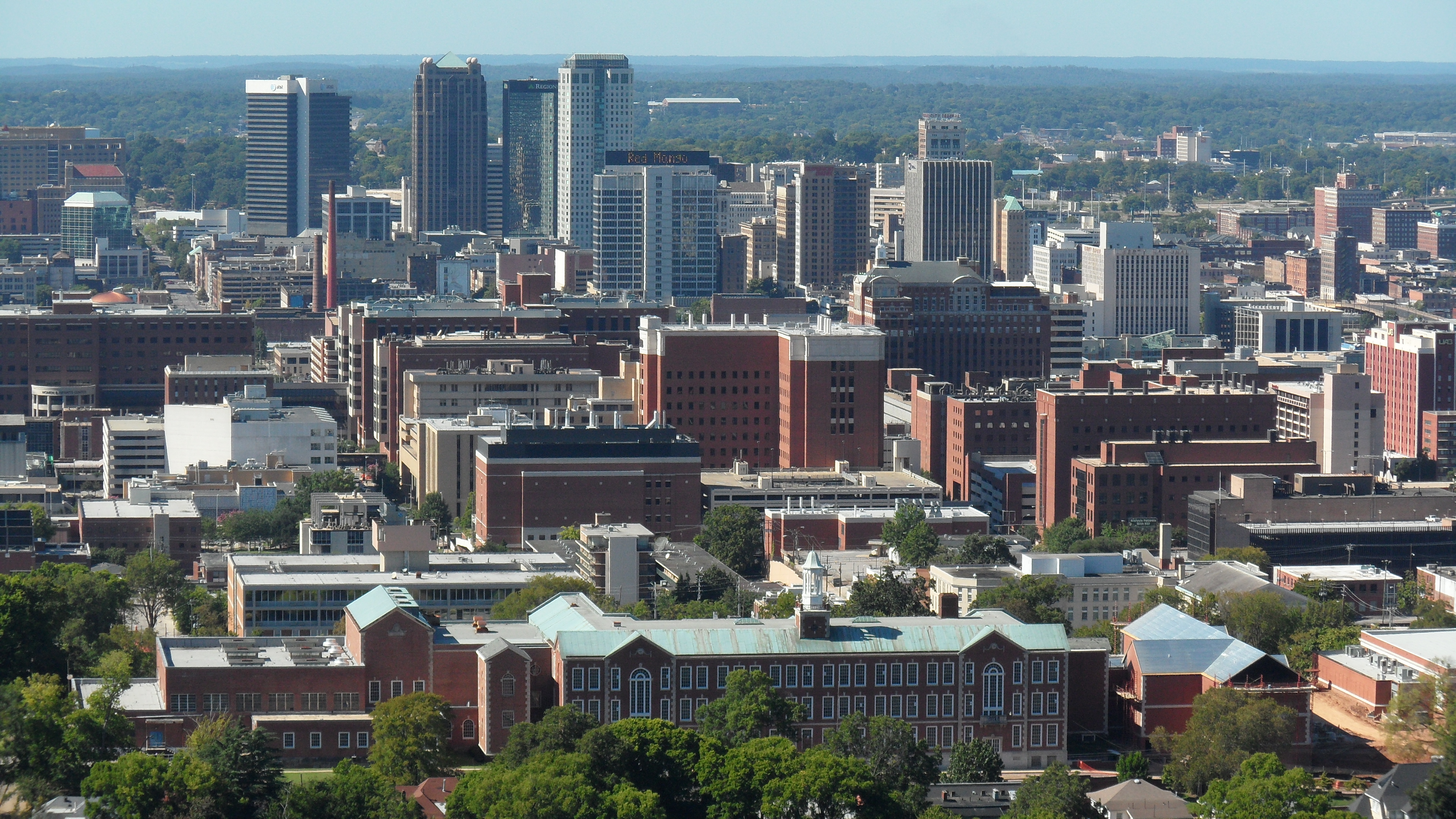
Birmingham, often referred to as the “Magic City,” has undergone a remarkable transformation from its industrial roots. Today, it’s a hub of culture, innovation, and gastronomy.
- Attractions: Visitors can explore the Birmingham Civil Rights Institute, a powerful museum dedicated to the American Civil Rights Movement. The Sloss Furnaces National Historic Landmark offers a fascinating glimpse into the city’s industrial past. For art lovers, the Birmingham Museum of Art boasts an impressive collection. The Vulcan Park and Museum, with its iconic statue of the Roman god of fire, offers panoramic views of the city and surrounding areas.
- Lifestyle: Birmingham‘s culinary scene is a major draw, with numerous acclaimed restaurants offering everything from traditional Southern fare to innovative fusion cuisine. The city also hosts a variety of festivals and events throughout the year, celebrating music, food, and arts.
- Accommodation: Birmingham offers a wide range of lodging options to suit every budget and style. From luxury hotels like The Grand Bohemian Hotel and The Westin Birmingham to boutique inns and budget-friendly motels, finding a comfortable stay is easy. Many hotels are conveniently located near major attractions and business districts, making them ideal for both leisure and business travelers.
Montgomery: The Cradle of the Confederacy and Civil Rights Movement
Montgomery, the capital of Alabama, is steeped in history, particularly its pivotal role in the American Civil Rights Movement and its origins as a significant city in the Confederacy.
- Landmarks and History: The Rosa Parks Museum is a must-visit, marking the spot where Rosa Parks‘ courageous act of defiance sparked the Montgomery Bus Boycott. The Dexter Avenue King Memorial Baptist Church, where Dr. Martin Luther King Jr. served as pastor, is another profoundly significant site. The Legacy Museum and the adjacent National Memorial for Peace and Justice offer a comprehensive and moving exploration of the nation’s history of racial injustice. The Alabama State Capitol building, a cornerstone of the city’s historical landscape, is where Jefferson Davis was inaugurated as President of the Confederacy and where the Selma to Montgomery marches concluded.
- Tourism and Culture: Beyond its historical weight, Montgomery offers a charming downtown area with shops, restaurants, and a growing arts scene. The city celebrates its heritage through various cultural events and exhibits.
- Accommodation: Montgomery provides a variety of accommodation options. Travelers can find comfortable stays in well-known hotel chains like Renaissance Montgomery Hotel & Spa at the Convention Center and Embassy Suites by Hilton Montgomery Riverfront Hotel, as well as more intimate bed and breakfasts. These options cater to different preferences, whether you’re seeking a full-service resort experience or a more personalized lodging arrangement.
By understanding the distance and travel time between Birmingham and Montgomery, travelers can effectively plan an itinerary that encompasses the unique historical significance, cultural richness, and modern attractions of both these important Alabama cities. Whether you’re driving from Birmingham to Montgomery for a specific event or planning a comprehensive exploration of Alabama, this journey is an integral part of the travel experience.
LifeOutOfTheBox is a participant in the Amazon Services LLC Associates Program, an affiliate advertising program designed to provide a means for sites to earn advertising fees by advertising and linking to Amazon.com. Amazon, the Amazon logo, AmazonSupply, and the AmazonSupply logo are trademarks of Amazon.com, Inc. or its affiliates. As an Amazon Associate we earn affiliate commissions from qualifying purchases.