
Navigating the process of filing for homestead exemption in Alabama is a crucial step for homeowners seeking to reduce their annual property tax burden. While the concept of homestead exemption is straightforward – it’s a legal provision designed to protect a portion of a homeowner’s equity from creditors and, more commonly, to lower property taxes – the practicalities, especially the required documentation, can sometimes feel like a labyrinth. For those who have recently settled into a new home in the Heart of Dixie, perhaps after a delightful travel experience exploring its landmarks or enjoying its tourism offerings, understanding the homestead filing requirements is essential.

This guide aims to demystify the process, outlining the specific documents you’ll need to have ready when you apply for homestead exemption in Alabama. Whether you’ve chosen to reside in a bustling city like Birmingham or a charming coastal town, the fundamental requirements remain consistent. The exemption offers a valuable financial relief, making homeownership even more accessible and sustainable, aligning with the diverse lifestyle choices available across the state, from luxury estates to cozy family homes.
Understanding Homestead Exemption in Alabama
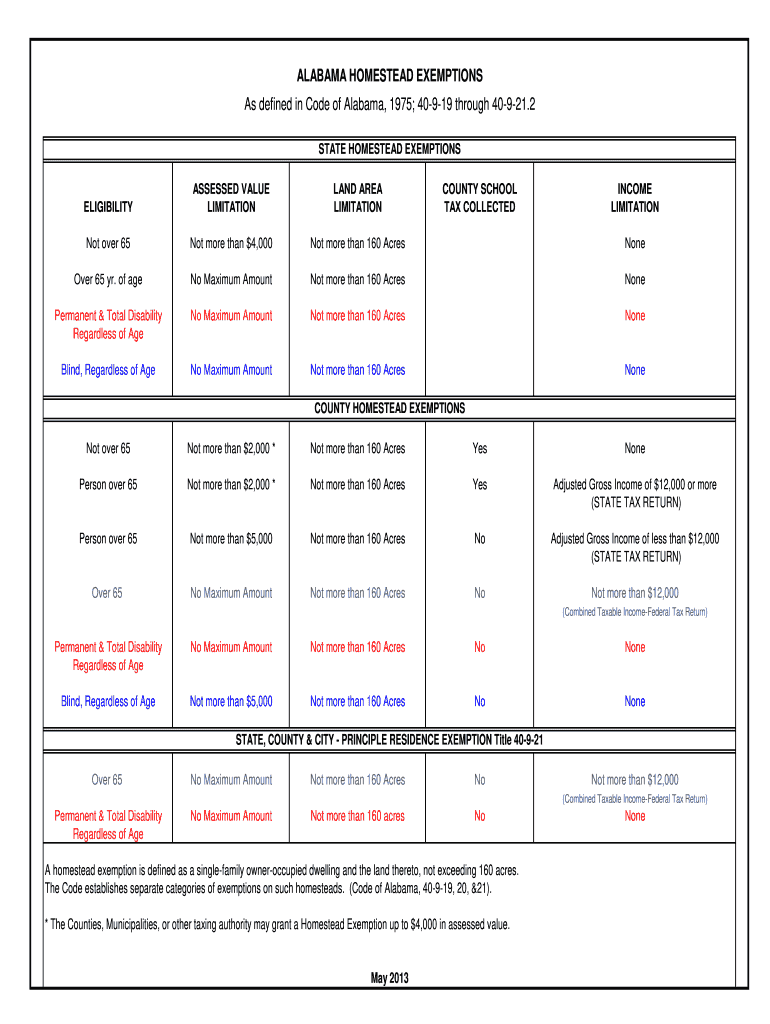
Before delving into the specific documents, it’s important to grasp the essence of homestead exemption in Alabama. This exemption is not automatically granted; it requires a proactive application from the homeowner. The primary benefit is a reduction in the assessed value of your primary residence for property tax purposes. This translates directly into lower annual property tax bills. It’s a recognition by the state that homeowners should have a protected space and a financial break on their most significant asset.
The homestead exemption applies to your primary residence – the home where you legally reside. You cannot claim homestead exemption on multiple properties, nor can you claim it on a vacation home or a rental property. The application process is typically handled at the county level, through the office of the County Tax Assessor. This means the exact procedure and any county-specific nuances should be confirmed with your local tax assessor’s office.
The exemption is usually filed once and remains in effect until you sell the property, move, or no longer occupy it as your primary residence. However, it’s always prudent to check with your local tax assessor’s office to ensure continuous benefit, especially after significant life events.
Eligibility Criteria for Homestead Exemption
To be eligible for homestead exemption in Alabama, you must meet certain criteria. These are generally straightforward but critical for a successful application.
- Primary Residence: The most important criterion is that the property must be your primary residence. This means it’s the place you live for the majority of the year, where you receive mail, and where you are registered to vote. You must own and occupy the home.
- Ownership: You must be the legal owner of the property. This is typically evidenced by the deed to your home.
- Residency: You must be an Alabama resident. This is usually demonstrated through a valid Alabama driver’s license or state ID.
- Age and Disability (Optional, for enhanced exemption): While the basic homestead exemption is available to all qualifying homeowners, Alabama also offers enhanced exemptions for certain individuals, such as those who are 65 years of age or older, permanently disabled, or are the surviving spouses of a disabled homeowner. These enhanced exemptions offer a greater reduction in property taxes. The documentation requirements for these enhanced exemptions may differ slightly, often requiring proof of age or disability.
It is important to note that the application period for homestead exemption typically runs from October 1st of the preceding year through December 31st of the tax year for which you are seeking the exemption. However, some counties may allow for late filings under certain circumstances. Always verify the exact filing deadlines with your local Alabama tax assessor.
Key Documents Required for Homestead Filing
The core of filing for homestead exemption in Alabama lies in providing the correct documentation to your county tax assessor. These documents serve as proof of your eligibility and ownership. While the specific forms may vary slightly by county, the underlying information and types of documents required are consistent.
1. Proof of Ownership and Identity
This is perhaps the most fundamental category of documents. You need to prove that you own the property and that you are who you say you are.
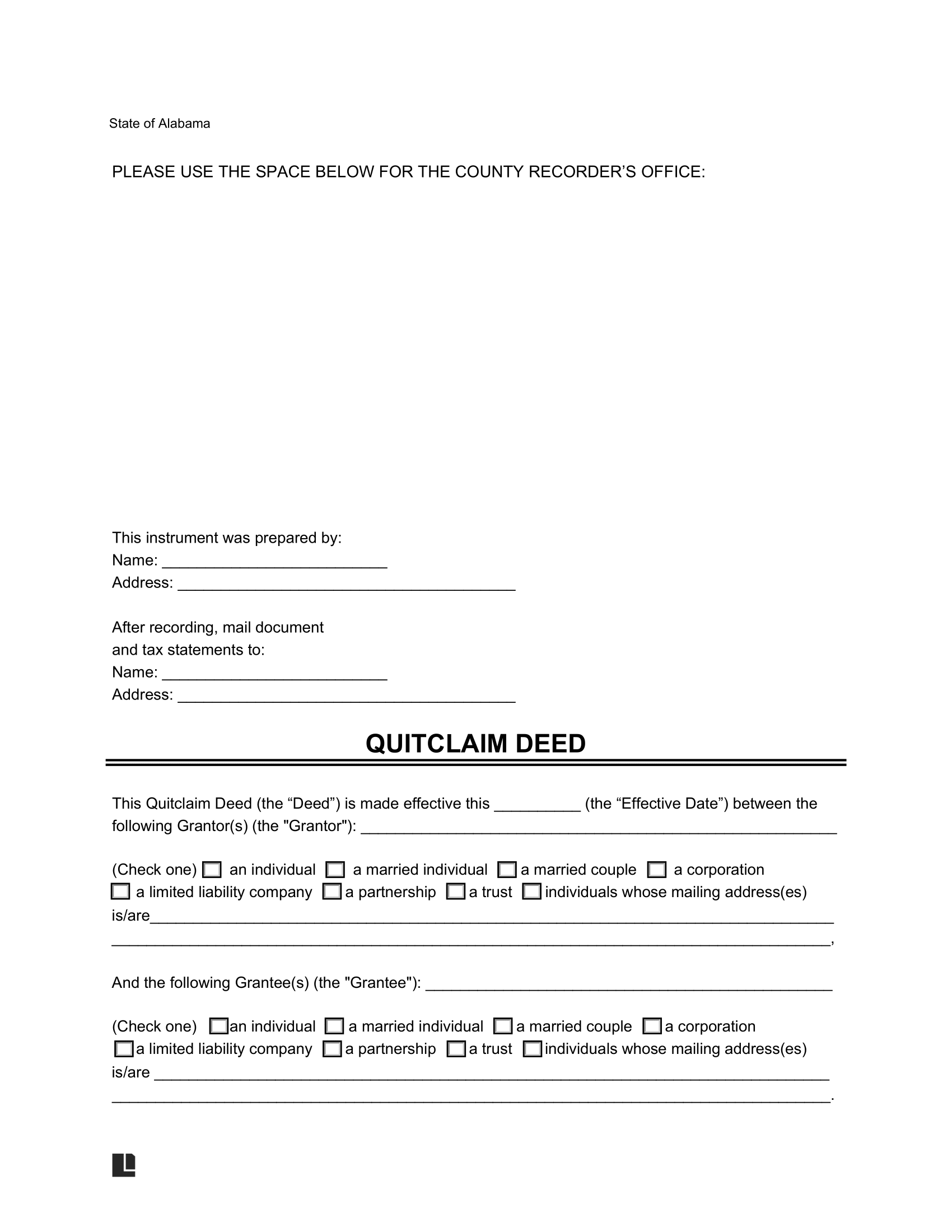
- Deed to the Property: This is the legal document that signifies your ownership of the home. You should have received a copy when you purchased the property. It will contain the property’s legal description.
- Valid Government-Issued Photo Identification: This is to confirm your identity and residency. Acceptable forms typically include:
- Alabama Driver’s License: This is the most common and preferred form of identification as it also establishes your residency in the state.
- Alabama State ID Card: Similar to a driver’s license, this serves as proof of identity and residency.
- Other Valid Photo IDs: In some cases, other government-issued photo IDs might be accepted, but it’s best to confirm with your local tax assessor.
It is essential that the name on the deed matches the name on your identification. If there have been name changes (e.g., due to marriage), you may need to provide supporting documentation such as a marriage certificate.
2. Proof of Residency
Beyond your identification, you may need to provide additional evidence that the property in question is indeed your primary residence.
- Utility Bills: Recent utility bills (electricity, water, gas) in your name, showing the address of the property you are claiming homestead exemption for, can serve as strong proof of residency.
- Voter Registration Card: If you are registered to vote at the property’s address, your voter registration card can be a valid supporting document.
- Vehicle Registration: If your vehicle is registered in Alabama and the address listed is the property in question, this can also be used as proof of residency.
- Alabama Income Tax Return: Filed at the property’s address, this can further solidify your claim of residency.
The goal here is to demonstrate a clear connection between you, the property, and the state of Alabama as your primary home. Some counties might be more stringent than others, so having a good collection of these documents will streamline the process.
Additional Documentation and Considerations
While the core requirements revolve around ownership and residency, there are a few other crucial aspects and potential documents to be aware of, especially when considering the enhanced exemptions or dealing with specific circumstances.
1. Application Form and Tax Parcel Information
- Homestead Exemption Application Form: This is the official form provided by your county tax assessor’s office. It will require you to fill in details about yourself, the property, and your eligibility. You can typically download this form from the county tax assessor’s website or pick it up in person.
- Property Tax Parcel Number (APN): You will need to know your property’s parcel number, often found on your property tax bill or deed. This number uniquely identifies your property within the county’s tax records.
2. Documents for Enhanced Homestead Exemptions
As mentioned, Alabama offers enhanced homestead exemptions for specific groups, which provide a greater tax reduction. If you are applying for one of these, you will need to provide additional proof:
-
For Age 65 or Older:
- Proof of Age: A birth certificate, driver’s license, or any other official document that clearly shows your date of birth and verifies you are 65 or older.
-
For Permanent Disability:
- Physician’s Statement: A letter or form from a licensed physician stating that you are permanently disabled. This statement should be specific about the nature of the disability and its permanence.
- Social Security Administration (SSA) Documentation: If you receive disability benefits from the SSA, documentation confirming this status can also be used.
- Veteran’s Administration (VA) Disability Rating: If you are a disabled veteran, documentation from the VA confirming your disability rating can be used.
-
For Surviving Spouses of Disabled Homeowners:
- Death Certificate of Deceased Spouse: To prove the passing of your spouse.
- Proof of Disability of Deceased Spouse: Similar documentation as required for a disabled homeowner, proving your spouse met the disability criteria at the time of their passing.
- Proof of Marriage: A marriage certificate to establish your relationship as a surviving spouse.
3. Important Tips for a Smooth Application Process
- Contact Your Local Tax Assessor: Always begin by visiting or calling your local county tax assessor’s office. They are the authoritative source for specific forms, deadlines, and any unique requirements in your county. They can also guide you on the types of identification and proof of residency they accept.
- Gather Documents in Advance: Don’t wait until the last minute. Collect all necessary documents well before the application deadline. This will prevent last-minute stress and potential errors.
- Keep Copies: Make copies of all documents you submit for your records. This is good practice for any official filing.
- Understand Deadlines: Be acutely aware of the application period. Missing the deadline means you will likely have to wait until the following tax year to file.
- If You Move or Sell: Remember that if you move out of the property or sell it, you must notify the tax assessor’s office. The homestead exemption is tied to your primary residence.
By understanding these requirements and preparing your documentation diligently, you can successfully file for homestead exemption in Alabama, ensuring you take full advantage of this valuable tax relief for your home. This process, while requiring attention to detail, is a straightforward path to reducing your property tax obligations and making your Alabama homeownership even more rewarding, whether you’re enjoying a quiet retreat or a lively family stay.
LifeOutOfTheBox is a participant in the Amazon Services LLC Associates Program, an affiliate advertising program designed to provide a means for sites to earn advertising fees by advertising and linking to Amazon.com. Amazon, the Amazon logo, AmazonSupply, and the AmazonSupply logo are trademarks of Amazon.com, Inc. or its affiliates. As an Amazon Associate we earn affiliate commissions from qualifying purchases.