
When embarking on a journey through the American South, understanding the heart of each state is paramount. For those planning a trip to the Heart of Dixie, a common and essential question arises: “What is the state capital for Alabama?” The answer, a city steeped in history and buzzing with modern vibrancy, is Montgomery. Far more than just an administrative center, Montgomery is a destination that weaves together pivotal moments of American history with a rich tapestry of culture, entertainment, and Southern charm. This article will delve into why Montgomery holds its significant title and explore the myriad reasons it deserves a prominent spot on your travel itinerary.

Discovering Montgomery: A Capital of Consequence
Montgomery, Alabama’s capital city, stands as a testament to the enduring spirit of the South. Its significance is not merely political; it’s deeply etched into the narrative of American progress, particularly concerning the Civil Rights Movement. From its founding in 1819, it has grown from a modest settlement into a dynamic urban center, offering a compelling blend of historical exploration and contemporary attractions. For travelers seeking to understand the soul of Alabama, Montgomery is the undisputed gateway.
A Deep Dive into Montgomery’s Historical Significance
To truly appreciate Montgomery‘s status as the state capital, one must journey through its layered history. The city played a crucial role in both the Confederacy and the fight for civil rights, making it a living museum of pivotal American events.
The Cradle of the Confederacy
In the years leading up to the Civil War, Montgomery earned the moniker “The Cradle of the Confederacy.” It was here, in February 1861, that the provisional government of the Confederate States of America was formed, and Jefferson Davis was inaugurated as its first president. This period casts a long shadow, and remnants of this era are still visible, offering a stark reminder of a tumultuous past. The First White House of the Confederacy stands as a key historical landmark, preserving the residence where Davis and his family lived during their time in Montgomery.
The Birthplace of the Civil Rights Movement
Perhaps Montgomery‘s most profound historical impact lies in its role as the “Birthplace of the Civil Rights Movement.” The city became the epicenter of activism that reshaped the course of American history in the mid-20th century. The Montgomery bus boycott, sparked by the courageous act of defiance by Rosa Parks in December 1955, ignited a nationwide movement. This 381-day protest against racial segregation on public buses ultimately led to a landmark Supreme Court ruling desegregating the city’s transit system.
The legacy of this struggle is meticulously preserved and honored throughout the city. The Civil Rights Memorial Center, a powerful and moving tribute, stands adjacent to the Southern Poverty Law Center. It commemorates the martyrs of the movement, offering visitors a space for reflection and learning. The Rosa Parks Museum, located at the site of her historic arrest, provides an immersive experience into the events of the boycott and the broader struggle for equality. Visitors can explore exhibits, view artifacts, and gain a deeper understanding of the courage and determination of those who fought for justice.
Furthermore, the Dexter Avenue King Memorial Baptist Church, where Dr. Martin Luther King Jr. served as pastor from 1954 to 1960, was a central hub for the Civil Rights Movement. It was from this pulpit that Dr. King delivered many influential sermons and strategized key campaigns. The church remains an active place of worship and a vital historical site, offering guided tours that bring its significant past to life. Walking through these hallowed grounds allows visitors to connect directly with the history that unfolded there, offering a profound and often emotional experience.
Exploring Montgomery’s Modern Appeal: Beyond the History Books
While Montgomery‘s historical significance is undeniable, the city offers a vibrant and engaging experience for the modern traveler. Its cultural landscape, burgeoning culinary scene, and array of attractions ensure that a visit is far from a solely academic pursuit.
A Flourishing Cultural and Culinary Scene
Montgomery boasts a dynamic cultural scene that reflects its Southern heritage while embracing contemporary influences. The Montgomery Museum of Fine Arts houses an impressive collection, showcasing American art with a particular focus on the art of the South. For those interested in performing arts, the Hanna Center and the Montgomery Performing Arts Centre host a variety of theatrical productions, concerts, and other live entertainment.
The city’s culinary landscape is a delightful exploration of Southern flavors. From traditional soul food to upscale dining, Montgomery offers a taste of Alabama that will satisfy any palate. Local eateries often feature regional specialties, such as pecan-crusted catfish and pulled pork barbecue, prepared with authentic Southern flair. Exploring the farmers’ markets and local restaurants provides an excellent opportunity to savor the fresh, local ingredients that define Alabama‘s cuisine.
Attractions for Every Traveler
Beyond its historical sites and cultural venues, Montgomery provides a wealth of attractions catering to diverse interests.
For the Nature Enthusiast
Nature lovers will find solace and beauty in Montgomery‘s green spaces. The Alabama River offers opportunities for boating and fishing, while the Riverwalk Stadium, home to the Montgomery Biscuits baseball team, provides a classic American pastime experience with scenic views of the river. The Blount Cultural Park, a sprawling urban oasis, is home to the Montgomery Museum of Fine Arts and the Alabama Shakespeare Festival, offering a beautiful setting for both artistic appreciation and leisurely strolls.
For the Family
Families visiting Montgomery will discover a range of activities to keep all ages entertained. The Dreamland Barbecue is a beloved local institution, offering delicious barbecue in a casual setting that’s perfect for a family meal. For a touch of playful learning, the Discovery Museum provides interactive exhibits that engage children with science and technology. The Old Alabama Town, a living history museum, transports visitors back to the 19th century, with costumed interpreters and preserved historic buildings offering a captivating glimpse into life in early Alabama.
For the History Buff and Architecture Aficionado
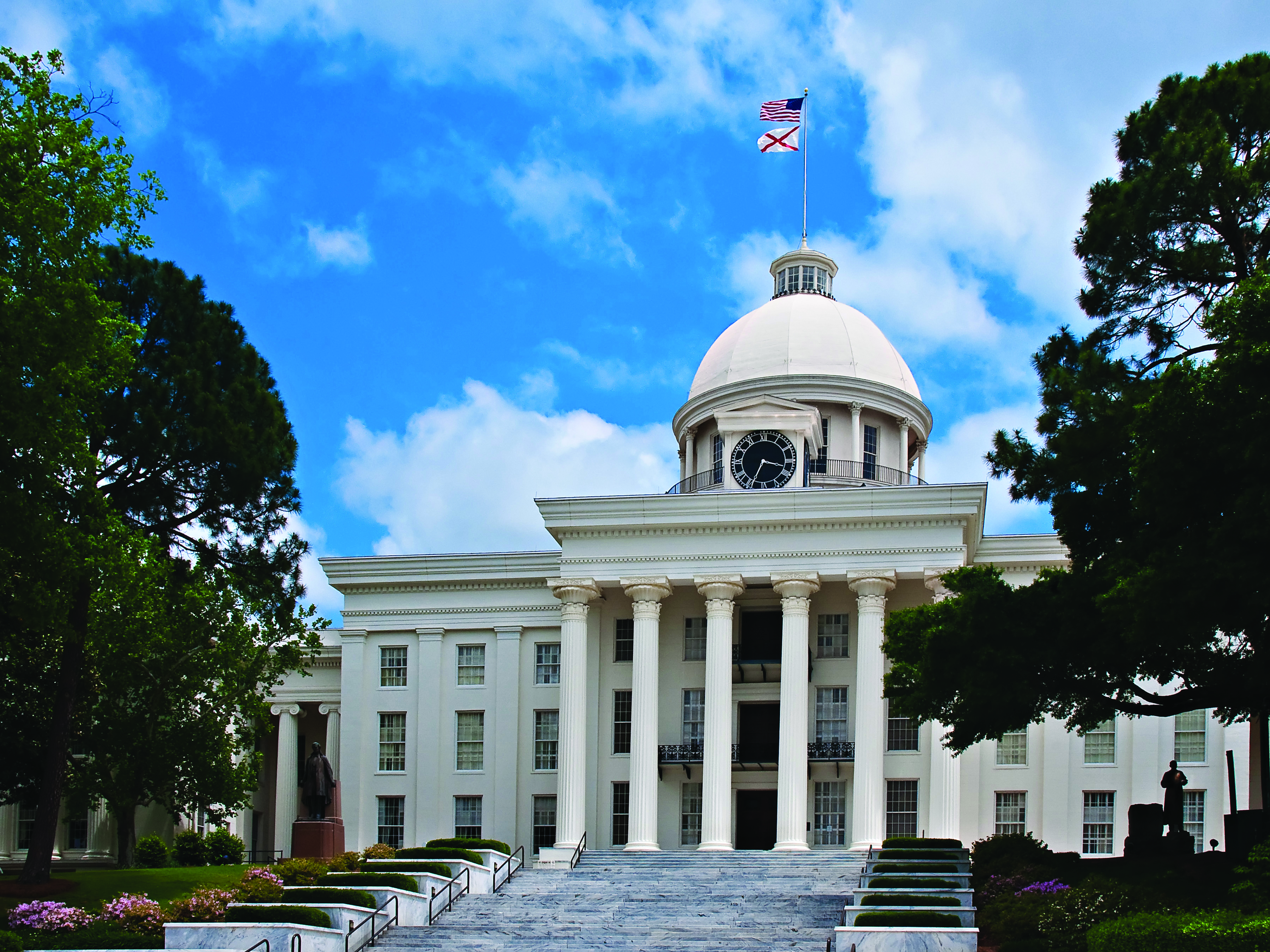
The architectural tapestry of Montgomery is as rich as its history. From the stately antebellum homes in the historic districts to the more modern government buildings, the city offers a fascinating study in architectural evolution. Guided walking tours are an excellent way to explore these neighborhoods, with opportunities to admire the intricate details of homes that have witnessed centuries of history. The State Capitol Building, a magnificent structure that overlooks the city, is a must-see, embodying the grandeur and historical weight of Alabama‘s seat of government. Its steps famously served as a backdrop for numerous civil rights demonstrations, further cementing its iconic status.
Planning Your Visit to Alabama’s Capital
When planning your trip to Montgomery, consider the best time to visit and the types of accommodations available to enhance your experience.
Navigating Montgomery: Tips for Travelers
Montgomery is a city that rewards exploration. Whether you prefer to immerse yourself in its historical narratives or simply enjoy its Southern hospitality, a well-planned visit will ensure you make the most of your time.
Accommodation Options
From charming boutique hotels to well-known chains, Montgomery offers a range of accommodation options to suit every budget and travel style. For those seeking a luxurious stay, the Renaissance Montgomery Hotel & Spa provides upscale amenities and convenient access to the city’s attractions. Budget-conscious travelers can find comfortable and affordable options throughout the city, including various chain hotels and motels. For a more immersive experience, consider looking into vacation rentals or apartments, which can offer a home-away-from-home feel, particularly for longer stays or family trips. Many hotels offer amenities like swimming pools, on-site dining, and fitness centers, ensuring a comfortable and convenient stay.

Best Times to Visit
The best time to visit Montgomery largely depends on your preferences. Spring (March to May) and fall (September to November) offer pleasant temperatures, making them ideal for outdoor exploration and historical site visits. The azaleas and dogwoods bloom spectacularly in the spring, adding a vibrant splash of color to the city’s landscapes. Summer (June to August) can be hot and humid, but it’s also a time when many local festivals and outdoor events take place. Winter (December to February) is generally mild, offering a quieter, more relaxed experience, with opportunities to enjoy holiday decorations and indoor attractions.
In conclusion, Montgomery is far more than just the state capital of Alabama. It is a city that breathes history, celebrates culture, and welcomes visitors with open arms. Its pivotal role in shaping the American narrative, combined with its contemporary charm, makes it an unforgettable destination for anyone seeking to understand the heart and soul of the South. From the echoes of the Civil Rights Movement to the taste of authentic Southern cuisine, Montgomery offers a journey that is both enlightening and enriching.
LifeOutOfTheBox is a participant in the Amazon Services LLC Associates Program, an affiliate advertising program designed to provide a means for sites to earn advertising fees by advertising and linking to Amazon.com. Amazon, the Amazon logo, AmazonSupply, and the AmazonSupply logo are trademarks of Amazon.com, Inc. or its affiliates. As an Amazon Associate we earn affiliate commissions from qualifying purchases.