
The allure of Alabama’s vast woodlands, teeming with white-tailed deer, draws hunters from near and far. For those planning a foray into the Yellowhammer State for a bowhunting adventure, understanding the precise start date of bow season is paramount. This isn’t just about knowing a date on the calendar; it’s about unlocking a premier hunting experience, often characterized by the crisp autumn air and the strategic pursuit of elusive game. Alabama’s hunting regulations are meticulously designed to ensure sustainable wildlife populations and provide a fair chase, making adherence to these dates a cornerstone of responsible hunting.
The start of bow season in Alabama is intrinsically linked to the broader hunting framework established by the Alabama Department of Conservation and Natural Resources (ADCNR). This agency is responsible for setting season dates, bag limits, and other regulations that govern hunting activities across the state, including its diverse hunting lands, from the rolling hills of the Piedmont to the dense forests of the Black Belt and the coastal plains. These regulations are not arbitrary; they are informed by extensive research and ecological considerations aimed at managing deer populations effectively while maximizing hunting opportunities.
Understanding Alabama’s Archery Hunting Regulations
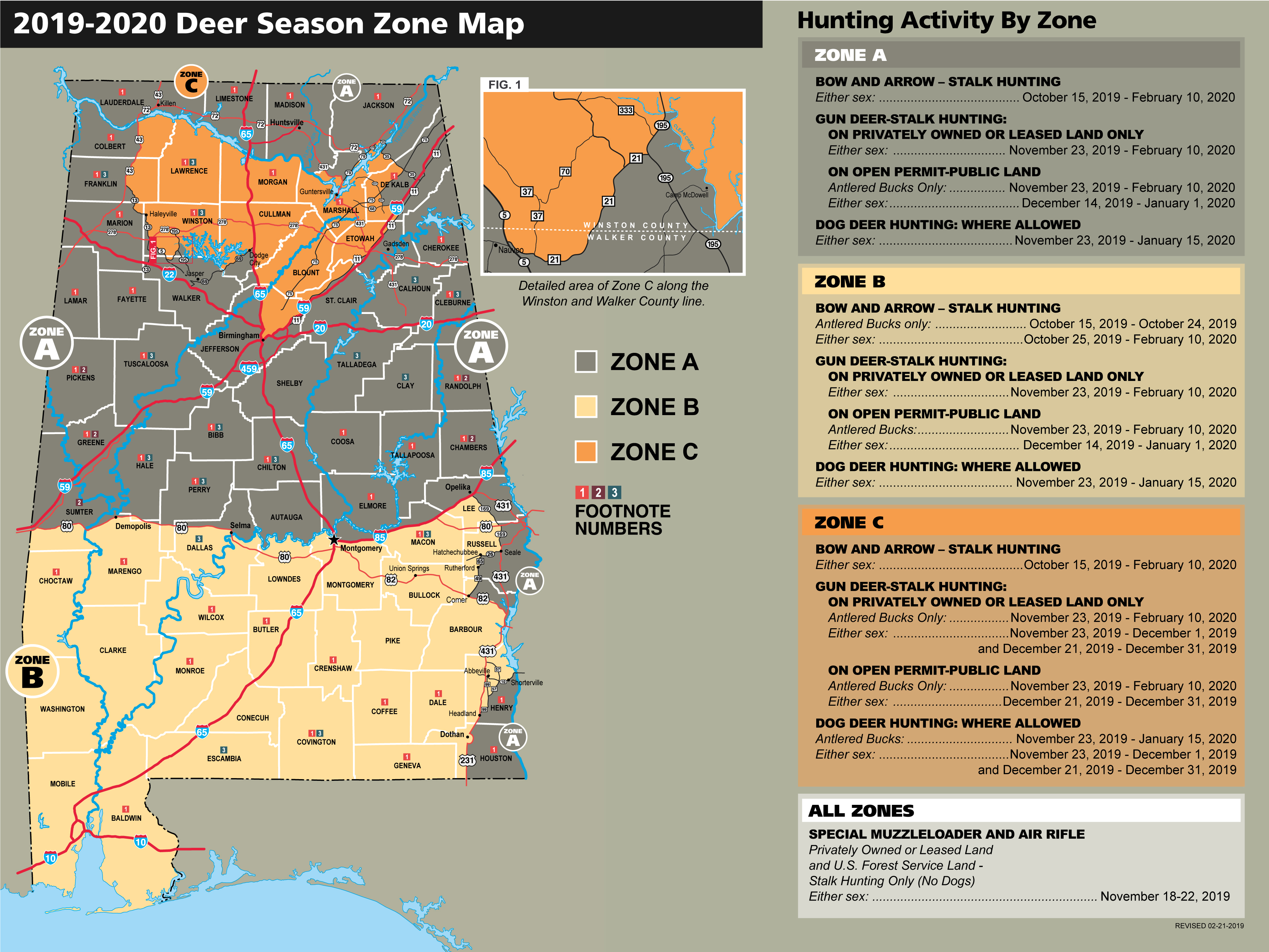
Alabama observes a split season structure for archery hunting, meaning that bow season is divided into distinct periods throughout the fall and winter months. This strategic division allows for different hunting pressures and provides varied opportunities for hunters as the season progresses. The specific dates can vary slightly from year to year due to how hunting seasons are set relative to weekends and holidays, but the general framework remains consistent.
The Initial Archery Season
The first segment of Alabama’s bow season typically commences in October. This period is highly anticipated by many hunters as it often coincides with the early stages of the deer rut, or at least the prelude to it. During this time, bucks may begin to show increased activity as they prepare for the breeding season, often making them more visible and susceptible to hunting strategies. The early bow season allows hunters to leverage the natural behaviors of deer before the full intensity of the rut, which can sometimes lead to more unpredictable movements. This opening phase is crucial for hunters who prefer to hunt in milder weather conditions before the deep chill of winter sets in.
The exact start date is usually the third Saturday in October. This consistent marker provides hunters with a reliable target to plan their trips, book accommodations, and prepare their gear. For many, this date signifies the official opening of their hunting year, a time to reconnect with the outdoors and test their skills against the wild. The anticipation leading up to this Saturday builds excitement, transforming ordinary weekends into eagerly awaited opportunities for adventure.
The Extended Archery Season
Following a brief hiatus that often aligns with the opening of gun seasons in certain zones, the archery season resumes. This second phase of bowhunting typically runs through the end of January. This extended period offers hunters a significant opportunity to continue their pursuit of whitetail deer long after other hunting methods may have concluded. The late-season bowhunting can present unique challenges and rewards. Deer may become more patternable as they seek food sources and navigate colder weather, but they can also become more wary due to increased hunting pressure throughout the earlier seasons.
This extended archery season is particularly beneficial for hunters who may not have been able to take advantage of the early season, or for those who simply wish to extend their hunting enjoyment. It also provides a valuable management tool for the ADCNR, allowing for continued harvest of deer populations throughout the cooler months. This period often sees hunters adapting their strategies, using different calls, and focusing on established food plots or water sources as deer conserve energy in the colder temperatures. The vastness of Alabama’s hunting lands, including state parks and private reserves, ensures that there are ample areas for hunters to explore during this extended window.
Planning Your Alabama Bowhunting Trip
Embarking on a bowhunting expedition in Alabama involves more than just knowing the season dates. It requires careful planning across several key areas, ensuring a successful and enjoyable experience. From selecting the right hunting grounds to securing suitable lodging, every detail contributes to the overall adventure.
Choosing Your Hunting Destination
Alabama offers a diverse array of landscapes, each providing unique hunting opportunities. The North Alabama region, with its rolling hills and hardwood forests, is a prime location for bowhunters. Cities like Huntsville offer access to numerous hunting areas and a range of amenities. Further south, the Black Belt region is renowned for its fertile soil, which supports robust deer populations, making it another attractive destination for serious hunters. For those near the coast, the Gulf Coast region also offers hunting opportunities, though the terrain and deer behavior might differ.
When selecting a hunting destination, consider the type of land available. Wildlife Management Areas (WMAs) managed by the ADCNR provide public hunting opportunities and are often well-maintained, though they can experience higher hunter traffic. Private hunting leases or guided hunts are also popular options, offering more exclusive access and potentially more mature bucks. Researching specific WMAs or private land outfitters in areas like Talladega National Forest or Bankhead National Forest can help you pinpoint the best locations based on your preferences and experience level. Some regions might be known for larger deer, while others offer a higher density of animals. Understanding these nuances can significantly enhance your chances of success.
Accommodation and Amenities
Once you’ve identified your hunting locale, securing appropriate accommodation is the next crucial step. Alabama offers a spectrum of lodging options to suit every hunter’s needs and budget. For those seeking a comfortable basecamp, numerous hotels and motels are located in towns and cities adjacent to hunting areas. Options range from budget-friendly roadside inns to more upscale establishments in larger cities like Birmingham or Montgomery.
For a more immersive experience, consider renting a cabin or a vacation home. These often provide more space, privacy, and amenities like kitchens, allowing you to prepare your own meals. Many cabin rentals are located in more rural settings, closer to the hunting grounds, and some even offer features tailored to hunters, such as cleaning stations or ample parking for vehicles and equipment. Websites specializing in vacation rentals can be a valuable resource for finding suitable properties in areas like Auburn or Tuscaloosa.
If you prefer to be closer to nature, camping is another viable option. Many WMAs and state parks offer campgrounds, providing a truly rustic experience. Be sure to check the regulations for camping on public lands, as permits or specific site reservations may be required. For those who value convenience and a touch of luxury, resorts and lodges in certain areas might offer packages that include guided hunts or access to private land, combining comfortable stays with prime hunting opportunities. Regardless of your choice, booking in advance, especially for popular hunting weekends, is highly recommended to secure the best options.
Essential Gear and Preparation
Bowhunting demands specific gear and preparation to ensure both safety and effectiveness. Your bow should be properly tuned and sighted in, with arrows fletched and tipped with sharp broadheads suitable for whitetail deer. Consider bringing a rangefinder for accurate shot placement, binoculars for spotting game from a distance, and a quality hunting knife for field dressing.
Clothing is also critical. Layering is key to adapting to Alabama’s often unpredictable autumn and winter weather. Camouflage clothing is essential for concealment, with patterns appropriate for the terrain you’ll be hunting in. Waterproof and windproof outer layers are advisable, especially for later season hunts. Don’t forget a reliable hunting backpack to carry your gear, water, snacks, and any essentials for a successful day in the field.
Safety is paramount. Always carry a first-aid kit, know your location, and inform someone of your hunting plans and expected return time. Familiarize yourself with Alabama’s hunting laws and regulations regarding bag limits, tag requirements, and ethical hunting practices. Understanding the specific rules for the area you are hunting, whether it’s a WMA or private land, is crucial. A good GPS device or a reliable mapping app on your smartphone can be invaluable for navigation, especially in unfamiliar territory.
The Broader Context of Alabama’s Hunting Seasons
Alabama’s bow season is just one piece of a larger, intricately managed hunting landscape. The state’s approach to wildlife management aims to balance conservation with recreational opportunities, ensuring that future generations can also enjoy the thrill of the hunt.
Impact on Local Tourism and Economy
Hunting, particularly during prime seasons like bow season, contributes significantly to the local economy in rural Alabama. Hunters travel from out of state and within the state, spending money on accommodations, food, sporting goods, and licenses. This influx of visitors supports local businesses, from gas stations and restaurants to bait and tackle shops and outdoor gear retailers. Outfitters and guides also benefit, providing essential services and expertise to hunters. The hospitality sector, including hotels and rental properties, experiences a notable boost during these periods. Understanding the economic impact highlights the importance of responsible hunting practices and sustainable management for both wildlife and local communities.
Other Hunting Seasons and Wildlife Management
Beyond bow season, Alabama offers a variety of other hunting opportunities throughout the year. Dove season, for instance, typically opens in September, kicking off the fall hunting calendar. Various seasons for waterfowl, upland game birds, and small game animals, such as squirrels and rabbits, are also established. Gun deer seasons, which vary by zone, usually follow the archery season, providing different hunting experiences and opportunities.
The ADCNR plays a vital role in managing these diverse hunting seasons. Through scientific research, habitat management, and public education, the department works to maintain healthy wildlife populations and ensure the long-term viability of hunting as a recreational pursuit. This includes monitoring deer health, conducting surveys to estimate population numbers, and implementing programs to control diseases like Chronic Wasting Disease (CWD), although CWD is not currently a widespread issue in Alabama, vigilance is maintained. The goal is to provide fair chase hunting while safeguarding the natural heritage of the state. Adherence to all regulations, including licensing, season dates, bag limits, and legal shooting hours, is crucial for all hunters participating in Alabama’s rich hunting traditions.
By understanding when bow season starts in Alabama and by meticulously planning your trip, you can look forward to an unforgettable outdoor adventure, steeped in the rich tradition of Southern hunting. Whether you are a seasoned bowhunter or a newcomer to the sport, Alabama’s woodlands offer a challenging and rewarding experience.
LifeOutOfTheBox is a participant in the Amazon Services LLC Associates Program, an affiliate advertising program designed to provide a means for sites to earn advertising fees by advertising and linking to Amazon.com. Amazon, the Amazon logo, AmazonSupply, and the AmazonSupply logo are trademarks of Amazon.com, Inc. or its affiliates. As an Amazon Associate we earn affiliate commissions from qualifying purchases.