
Embarking on a cruise to the breathtaking wilderness of Alaska is an experience that conjures images of majestic glaciers, abundant wildlife, and unparalleled natural beauty. Many prospective travelers, however, find themselves pondering a crucial logistical question: do you need a passport for an Alaska cruise? This is a common and important inquiry, particularly for those who have never undertaken international travel or who are accustomed to domestic voyages. The answer, as is often the case with travel regulations, is nuanced and depends heavily on the specific itinerary of your chosen cruise.

When planning an Alaska cruise, the primary factor determining passport requirements is whether your itinerary includes stops in a foreign country. The vast majority of popular Alaska cruise routes, often referred to as “closed-loop” cruises, depart from and return to the same U.S. port. These itineraries, typically sailing from cities like Seattle, Vancouver, or Anchorage (though most commonly Seattle or Vancouver), are designed to keep travelers within U.S. territorial waters for the entirety of their journey, with the exception of brief transit through Canadian waters. For these closed-loop cruises, specific documentation requirements can be more flexible.
Understanding Closed-Loop Cruises and Documentation
For U.S. citizens embarking on a closed-loop cruise that begins and ends in the United States, a passport is generally not required. Instead, a valid government-issued photo identification, such as a driver’s license, along with proof of U.S. citizenship, will suffice. Proof of citizenship can be an original or certified copy of your birth certificate. This simplifies the pre-travel checklist considerably, allowing travelers to focus on the excitement of their upcoming adventure rather than the complexities of obtaining a passport.
However, it is absolutely critical to understand the “closed-loop” definition and its implications. A closed-loop cruise is defined as one that commences and concludes in the same U.S. port. Even if your cruise visits ports in Canada, such as Victoria or Juneau, a closed-loop cruise itinerary that meets the criteria will still permit U.S. citizens to travel with alternative documentation. The key is the departure and return to the identical U.S. city.
Essential Identification for Closed-Loop Alaska Cruises
For U.S. citizens on a closed-loop cruise, here’s a breakdown of the acceptable identification:
- Government-Issued Photo Identification: This is typically your state-issued driver’s license. Ensure it is current and not expired. For younger travelers who may not have a driver’s license, other forms of government-issued ID may be accepted, but it’s always best to confirm with your cruise line directly.
- Proof of U.S. Citizenship: This is where the birth certificate comes into play. You will need an original or certified copy of your U.S. birth certificate. Photocopies are not acceptable. If you were born outside the U.S. but are a naturalized citizen, you will need your Certificate of Naturalization.
It is imperative to double-check the specific requirements of your cruise line. While general guidelines exist, individual cruise lines may have slightly different policies or preferences. Always consult your booking confirmation and the cruise line’s official website for the most accurate and up-to-date information regarding required documents.
When a Passport Becomes Mandatory
The situation changes dramatically if your Alaska cruise itinerary deviates from the closed-loop model. If your cruise either begins in a U.S. port and ends in a foreign port, or vice versa, or if it includes extended stops in foreign destinations beyond a simple transit, then a valid U.S. passport is a mandatory requirement for all passengers, including infants.
Itineraries with Foreign Departures or Arrivals
Consider an itinerary that departs from Seattle and concludes in Vancouver, or the reverse. In such cases, even if the primary destination is Alaska, the foreign port of arrival or departure necessitates a passport. Similarly, if your cruise makes significant stops in countries other than Canada, such as a port in Mexico as part of a repositioning cruise or a longer itinerary, then passports are non-negotiable.

The Importance of Verifying Your Itinerary
The distinction between a closed-loop cruise and an open-jaw itinerary (different departure and arrival ports) is paramount. Before you even book your dream Alaska cruise, carefully review the itinerary details. Look for information regarding departure and arrival ports. If there’s any ambiguity, contact the cruise line directly for clarification. A simple misunderstanding can lead to significant travel disruptions, including being denied boarding at the pier.
For Non-U.S. Citizens
The rules are, naturally, different for non-U.S. citizens. Any individual traveling to the United States or departing from the United States on a cruise, regardless of the itinerary, will need to comply with the immigration laws of both their home country and the countries visited. This almost invariably means carrying a valid passport from their country of citizenship and any necessary visas. For non-U.S. citizens, researching the specific entry and exit requirements for each country on the itinerary, as well as U.S. entry requirements, is a critical step in the planning process.
Additional Considerations for Travel Documentation
Beyond the passport question, there are other essential documents and considerations for an Alaska cruise that are worth highlighting. These include:
Passport Cards
For some itineraries, a U.S. Passport Card might be an acceptable alternative to a traditional passport book, particularly for land and sea travel within North America. However, passport cards are not valid for international air travel. While some cruise lines might accept them for specific itineraries, it is crucial to confirm this directly with your cruise operator. For the most secure and universally accepted form of identification for international travel, a passport book is always the safest bet.
Birth Certificates and Minors
When traveling with minors, especially if they are not traveling with both parents, additional documentation may be required. This can include a signed consent letter from the absent parent(s) and a copy of the minor’s birth certificate. It is always advisable for parents to carry copies of their children’s birth certificates, even on closed-loop cruises, as a precautionary measure. This can expedite any unexpected situations or verification processes.
NEXUS Cards
For U.S. and Canadian citizens who frequently travel between the two countries, a NEXUS card can streamline border crossings. While it serves as a trusted traveler program card, it’s essential to verify with your cruise line if it can be used in lieu of a passport for cruise embarkation and disembarkation, particularly for closed-loop itineraries that may involve transit through Canadian waters. Generally, for cruises, the primary accepted documentation remains the passport or the combination of a driver’s license and birth certificate for closed-loop U.S. departures.
The Recommendation for a Passport
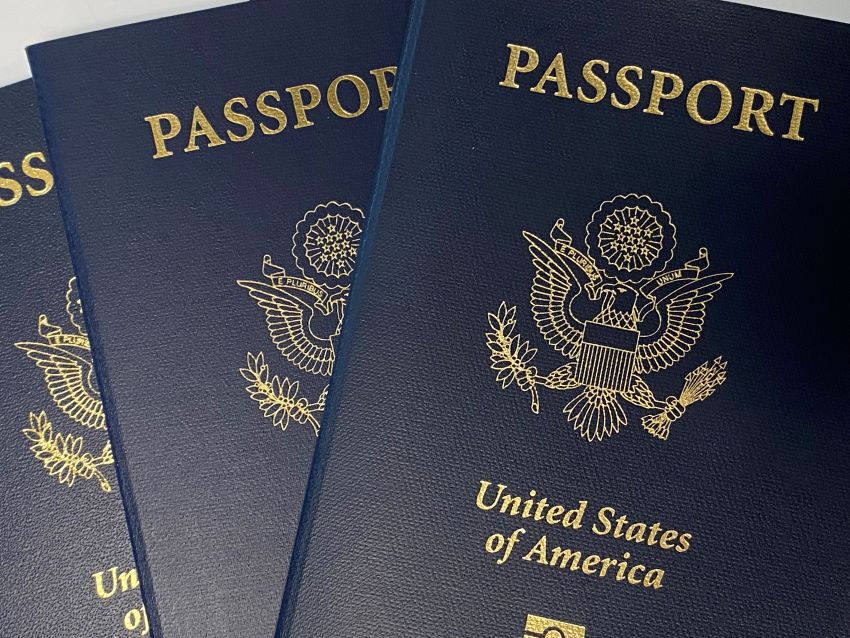
Even if your Alaska cruise is a closed-loop itinerary and a passport isn’t strictly required, obtaining one is often a wise decision. Life can be unpredictable. If an emergency arises that requires you to fly home unexpectedly from a foreign port, or if your cruise itinerary is unexpectedly altered to include a foreign destination due to unforeseen circumstances (like weather delays or port closures), having a passport will ensure you can travel internationally without delay. It provides an invaluable layer of security and flexibility, allowing you to navigate unexpected situations with greater ease.
The allure of Alaska’s pristine landscapes, including iconic destinations like Glacier Bay National Park and the historic town of Skagway, is undeniable. To ensure your journey is as smooth and stress-free as possible, thorough preparation is key. Understanding the documentation requirements based on your specific cruise itinerary is a fundamental step in this preparation. By clarifying whether you need a passport for your Alaska cruise well in advance, you can focus on the truly important aspects of your trip: the unforgettable experiences, the luxurious accommodations at The Ritz-Carlton, Seattle or the charming boutique hotels in Juneau, and the breathtaking natural wonders that await you. Always err on the side of caution and consult directly with your cruise line for definitive guidance, ensuring your adventure to the Last Frontier is everything you’ve dreamed of and more.
LifeOutOfTheBox is a participant in the Amazon Services LLC Associates Program, an affiliate advertising program designed to provide a means for sites to earn advertising fees by advertising and linking to Amazon.com. Amazon, the Amazon logo, AmazonSupply, and the AmazonSupply logo are trademarks of Amazon.com, Inc. or its affiliates. As an Amazon Associate we earn affiliate commissions from qualifying purchases.